Solar Panel Incentives 2026 Federal, State, and Local Changes Explained
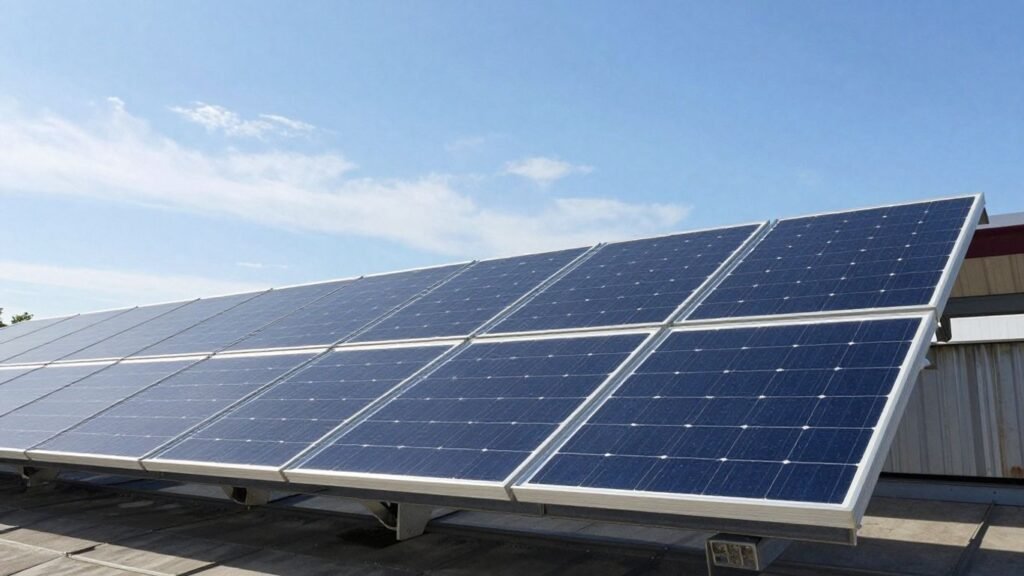
As I look ahead to 2026, I’m seeing some pretty big shifts in how solar panel incentives are working. It seems like the government’s approach to encouraging clean energy is changing, and it’s going to affect how much people can save when they decide to go solar. I’ve been digging into the details, and it looks like some of the big federal breaks we were expecting are either ending sooner than planned or have new rules attached. This means if you’re thinking about solar, timing and understanding these changes are going to be more important than ever. I’ll break down what I’m finding about federal, state, and even local incentives so you can get a clearer picture of the Solar Panel Incentives 2026 landscape. Key Takeaways Overview of Solar Panel Incentives in 2026 Calculate Your Solar Savings When I began researching solar for my own house this year, the first thing that stood out was how dramatically the incentives landscape will change in 2026. Many of the large, federal solar incentives we’ve come to depend on, like the 30% tax credit, are on their way out or starting to fade away. States, and even local governments, are pitching in, but there is a lot of confusion about what remains, and who can claim what. Here’s what stands out to me about solar panel incentives in 2026: Here’s a quick comparison of how much incentives can matter for a typical 7 kW home solar system in 2026: Cost Item Amount Base System Cost $20,000 Federal Tax Credit (if eligible) – $6,000 Domestic-Content Bonus – $2,000 State / Local Incentives – $1,000 to – $5,000 Potential Final Cost $9,000 – $13,000 These figures mean it’s still possible to achieve savings of up to 55% if you stack all available programs. But it’s more complicated than that, and this is where regional sunlight, state policy, and local rules matter a lot. For instance, your total panels installed and up-front costs can swing wildly from one part of the country to another, as you can see in the impact of regional variance on cost. So in 2026, the smart money is on getting educated, fast. Some incentives are going away, others are shifting, and by taking advantage of what’s out there, you could save a bundle on your wallet and the environment. Key Federal Incentives for Solar Panels in 2026 Alright, so what’s happening with federal solar incentives as we enter 2026? The truth is that it’s a mixed bag, really. The big news is that some of the really generous tax credits we’ve seen are evolving, and in some cases disappearing. For some of these, it feels a little like a race against time, which is why I’m trying to get this information to you now. If you are unsure what an inverter does, read What Is a Solar Inverter? and compare systems in String Inverter vs Micro Inverter. Federal Tax Credits and Updates When I consider 2026 on the federal side of things, the major primary motivation is still the Residential Clean Energy Credit.” This one allows you to take a credit for 30 percent of the cost of your solar energy system. That goes for the panels, the inverters, the racking, and even labor and permitting costs. That is a hefty sum that can come back to you on your taxes. A bonus is that this credit also applies to home battery storage, which is pretty cool. If you are unable to take the entire credit in one year, don’t worry: The unused portion rolls over into other tax years. I have also heard rumors that there might even be an additional domestic-content bonus of up to 10% if your solar components are made here. It’s worth keeping an eye on as more U.S. plants come back online. Here’s a quick rundown of what the 30% credit generally covers: Investment Tax Credit (ITC) Changes The Investment Tax Credit, or ITC as it is usually called, is the primary federal incentive I’ve been referring to. For individual homeowners, the 30% credit will still be available in 2026, but it is worth understanding that the terrain is changing. And certain broader clean energy credits that were extended by earlier legislation are now expiring more quickly than anticipated because of new laws. That means the window for taking such specific federal action is essentially closing. It’s not all bad news, though; there are new government solar initiatives and renewable energy grants that are emerging (though they may be more selective). If you are exploring solar financing for your home, knowledge of these developments will be important to maximize the value of your investment. It’s a good idea to check out resources like California solar incentives to see how state and local programs can complement federal ones. Federal incentives are changing, and some have been phased out. That makes the next year or so a very important time to take action if you want to maximize these government solar incentives 2026.” But it’s not just the tax credits; there are also new government solar programs to consider and possible rebates. What a lot to juggle, and I know it can make things seem overwhelming. By learning more about these next solar tax credits and 2026 federal solar rebates, however, you can be better prepared to act if it’s in your best interest to go solar. State-Level Incentives: What’s New in 2026 I always look at solar incentives and think about how it can really be a game changer for a homeowner. Federal credits are all good, but state and local programs often pile on another layer of savings that can contribute a lot as well. In 2026, I’m also seeing some interesting movements and overlap between the various states. State programs are becoming more important. For example: Many states offer exemptions and rebates that reduce upfront cost. If you want to understand total system pricing first, visit How Much Does It Cost to Install Solar Panel?. Highlighted State Programs and Variations It seems like every state is going off in its own direction, which can be frustrating but also means that there are sometimes unique opportunities. One