LIVING WITH SOLAR / HOMEOWNER RESEARCH
Solar decisions.
Made clearer.
Understand the equipment, explore local costs, and compare the monthly numbers before committing to a solar proposal.
Research first. Request an installation quote when you’re ready.

Explore a solar cost scenario
Use your bill. Adjust the assumptions. See how the monthly costs compare.
No signup required. Scenario inputs stay in your browser.
RESEARCH AT YOUR OWN PACE
Find your starting point.
01 / UNDERSTAND
New to solar?
Learn how your roof, panels, inverter, and utility connection fit together.
02 / ESTIMATE
What will it cost?
Understand the purchase price and the monthly costs that follow.
03 / TAKE THE NEXT STEP
Ready to explore?
Prepare to compare proposals with a clearer view of what you need.
EQUIPMENT & SYSTEM GUIDES
Know what belongs in your system.
Start with panels, storage, and inverters. Then compare the exact models and warranties in your proposal.

Solar panels
Compare panel types, efficiency, and the equipment details that matter.
- Panel efficiency and usable roof area
- Product and performance warranties
- The model specified in your quote

Home batteries
Understand storage costs and what to ask about outage backup.
- Usable capacity and backup loads
- Installation and battery costs
- What operates during an outage
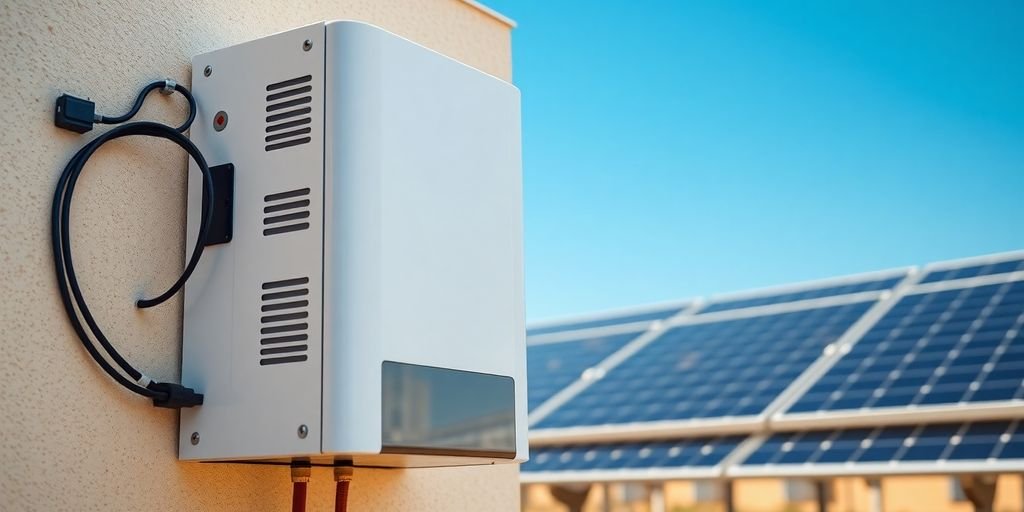
Solar inverters
Learn how inverters work and explore the main system options.
- String, microinverter and hybrid options
- Monitoring and system compatibility
- Equipment and installation warranties
THE COMPLETE MONTHLY PICTURE
A lower bill is only part of the decision.
Compare the electricity bill you have today with the remaining utility charges and any monthly solar payment. Then look beyond the monthly figure to the full proposal.
Monthly budget comparison
Illustrative scenarioCurrent bill versus remaining utility costs + solar payment.
Illustrative scenario based on the estimator inputs above.
See the formula and what is excluded
Remaining bill = fixed charges + (current bill − fixed charges) × (1 − offset). Total adds the entered solar payment. This model excludes system purchase, maintenance, future rate changes, and incentives.
SOLAR COSTS BY STATE
Different states. Different solar decisions.
Start with a cost guide for your state. Your roof, electricity use, utility rules, and equipment choices all affect the final numbers.
LOCAL SOLAR COST GUIDE
Texas
Start with local system costs and the questions to ask your electricity provider.
LOCAL SOLAR COST GUIDE
California
Explore pricing, equipment choices, and local considerations for your home.
LOCAL SOLAR COST GUIDE
Florida
Get a clearer picture of installation costs and what affects your quote.
LOCAL SOLAR COST GUIDE
Virginia
Compare local costs and learn what to check before choosing a system.
LOCAL SOLAR COST GUIDE
Illinois
Explore installation pricing and the factors behind a household estimate.
LOCAL SOLAR COST GUIDE
Arizona
Understand system costs and the choices that affect your installation.
LOCAL SOLAR COST GUIDE
Georgia
Look at local pricing before speaking with a solar installer.
LOCAL SOLAR COST GUIDE
Nevada
Research equipment and installation costs for your next step.
LOCAL SOLAR COST GUIDE
Massachusetts
Understand the local cost picture before requesting a home assessment.
BEFORE YOU SIGN
A good solar decision starts with better questions.
The best system is one that fits your home and your priorities. Take time to understand the proposal, not just the headline price.
01 / YOUR ROOF
Is your roof ready?
Check roof age, shade, and usable space before planning a system.
02 / YOUR ELECTRICITY
What does your household use?
Review your usage and the utility rules that affect exported electricity.
03 / YOUR QUOTE
What is actually included?
Ask for equipment details, production estimates, warranty terms, and the full price.
THE PEOPLE, THE METHOD, THE SOURCES
Know what sits behind the advice.
A named editorial team
Our team’s roles are listed openly. Read about the site, explore the model’s assumptions, or send us a correction.
Aizaz Shahid
Founding Editor
Sophia Green
Founder
Harvey S
Managing Partner
Check the primary sources
Go to the rule or specification behind a claim. These resources are sources, not endorsements of our site.
Living With Solar may receive compensation from quote referrals. The monthly planner is a research aid; your selected provider sets installation, service, and payment terms. Read the methodology and disclosure.
YOUR SOLAR QUESTIONS
Good questions. Clearer answers.
Start here, then explore the guides for more detail.
How much does home solar cost?
There is no single price for every home. System size, equipment, installation work, and location all matter. Use a state guide as a starting point, then ask for an itemized quote.
Do I need a battery with solar panels?
Not always. Many systems operate without a battery. Storage may be useful for backup or shifting when you use solar energy; compare its added cost and the features you need.
Will solar panels power my home during an outage?
Standard grid-connected systems generally shut down during an outage. Backup requires a system designed for it, often with compatible battery storage and isolation equipment. Ask your installer which circuits it can support.
Will I still receive an electricity bill?
Usually, yes. Grid-connected homes may still pay for imported electricity and fixed utility charges. Your bill depends on consumption, solar production, and your utility’s rates and export rules.
Does Living With Solar install the panels?
Living With Solar provides solar education, guides, and a quote request option. Confirm who will install your system, their credentials, contract terms, and warranties before committing.
What should I check before counting incentives?
Check the program rules and installation date before including an incentive in your budget. The IRS says the federal Residential Clean Energy Credit is unavailable for property placed in service after December 31, 2025. State and utility programs have their own requirements.
Read the current IRS guidance and confirm local programs with the program administrator.
YOUR HOME. YOUR NEXT STEP.
See what solar could look like for your home.
Bring your questions and explore a quote for your roof, electricity use, and priorities.
Quote referrals may support this site. Read the disclosure and privacy policy before submitting details.