Considering solar panels in California? Chances are you’ve heard it’s a good idea, what with all that sunshine. But, come on already, how much are solar panels going to cost? And with all the changes going on, is it even worth it?
This guide dissects the true costs, what influences them, and ways you can save a few bucks. This guide will walk you through everything you need to know and answer the most common questions about whether solar makes sense for you.
Key Takeaways
- The average cost of solar panels in California ranges from $12,480 to $16,920 after tax credits, and the average price per watt is $2.80 to $3.80.
- A number of factors can affect that final price, including where you live, the condition of your roof, how tricky the installation is, and the brand name of the panels you choose.
- Yes, you can save a LOT on this if you use incentives! The 30% federal tax credit is a significant incentive, and California has programs for solar, like SGIP for batteries and DAC-SASH for low-income homes.
- Buying solar panels typically entails higher initial costs that pay for themselves in the long run, whereas leasing can help you start with less upfront cash.
- But even with recent alterations to California’s solar rules, installing solar panels remains a good move for homeowners, especially if you include a battery with your system.
How Much Do Solar Panels Cost in California?
In 2025, the average price of a solar panel system is $2.50 to $3.45 per watt in CA, and people spend about $15,000 to $20,700 on energy-efficient home upgrades. Once federal and state rebates are applied, the net can come down by 30 percent or more.
When I started looking into solar for our own house, my very first question was simple:
What’s this going to cost me?
But the answer isn’t always cut and dried, primarily because solar pricing itself is a mash-up of size, quality of equipment, labor, and incentives. Which is why it’s crucial to understand the costs that make up a total before moving forward with the decision.
Average Price per Watt in CA
I’ve seen solar panel costs in California fluctuate from a low of $2.50/watt to a high of $3.45/watt. This wide range reflects many factors, such as the quality of the panels and the difficulty of the installation. It’s a great place to start when considering the total cost of the residential solar panels in CA.
This per-watt price is what you individualize to estimate the system price according to your energy requirements. For instance, the more square footage you have or the more you run your AC, the more watts you’re going to need, which makes the total cost higher.
When I say system costs, I’m talking about everything, not just the solar panels themselves, but all the solar equipment costs, labor, and everything else that goes into getting your system turned on. The size of your system in kilowatts (kW) is one of the biggest factors that determine how much you’ll spend overall.
| System Size (kW) | Average Total Cost (Before Incentives) |
|---|---|
| 4 kW | $10,000 – $13,800 |
| 6 kW | $15,000 – $20,700 |
| 8 kW | $20,000 – $27,600 |
| 10 kW | $25,000 – $34,500 |
What I discovered is that although the initial cost for solar panels in California may initially seem steep, the “long game” of savings with solar panels should be accounted for. Breaking down the solar installation cost. The full solar installation cost breakdown includes more than just those panels and inverters.
It’s also everything from mounting hardware, wiring, and permitting, to labor costs and marketing and overhead for the company installing your system. It is an inclusive price, taking you from the beginning of the process to your home getting powered by the sun. With the electricity savings over the life of the system, it is a sound investment for the many hundreds of homeowners who’ve chosen to go solar.
Deconstructing the California solar cost per watt makes it easier for me to understand why some systems cost more than others. It’s not just a question of the number of panels, but the efficiency and the brand of those panels, and also, how “hard” the installation is.
For example, a 5kW system, which is fairly common, could cost between $12,500 to $17,300 before any available incentives. This Solar panel system size price has given me more of an idea of what to expect on price according to my home’s needs.
What Determines the Price of Solar Panels in California?

When I see the price of solar panels, I know I’m not looking at one number. A number of things can make that cost go up or down. It’s like purchasing a car: The base model has an attached price tag, but add-ons and where you buy it make all the difference.
Waste Dwelling Property & Utility Supplier (PG&E, SCE, SDG&E)
The specifics of where you live in California make a huge difference, largely because of which utility you are served by. Each utility comes with its own rules and rates, which can affect how much you save and, in return, how long it takes an investment in solar to pay for itself. For instance, customers of PG&E, SCE, and SDG&E are subject to different electricity pricing and net metering rates.
Those rules determine the credit you receive for the excess energy your panels produce that you send back to the grid. In a few places, electricity rates may be higher, raising the appeal of solar because the savings would be greater. Some areas may have less favorable policies, so you’ll want to be a bit more strategic about your system size and energy needs.
Roof Type and Condition
They call it “your home’s first responder” because, well, your roof does a ton of work for your solar system. I’ve seen scenarios in which a perfectly good solar quote is derailed by the third step because it turns out the roof needs major repairs first. Here’s what I consider:
Age and Condition: If your roof is old or in poor condition, you will likely need to replace or repair your roof before you install panels. This is an expensive cost for the whole project.
Material: Some roofing is more difficult (and more time-consuming) to work with than others, such as tile and slate, which can translate into higher labor costs. It is usually easiest with asphalt shingles.
Pitch and Shading: An extremely steep roof may require installation that is riskier and therefore pricier. Also, if your roof is heavily shaded by trees or other buildings, you might need even more panels to generate as much power, or it might not be a good candidate for a solar array at all.
I tell people that they should start by having their roof inspected before even considering solar. It’s good to know early on if you will have to pay an additional cost for roof work. Trying to ignore it only results in more headaches and costs later, and you want your solar panels to last for decades, not just a few years.
Labor and Installation Complexity
Here is where the human factor plays a part. The number one factor that is going to determine the labor that is costs that are involved is the ease or difficulty of setting it up. Each house is different, and some are more difficult than others. Some of the things that could make an installation harder are:
Roof Accessibility: How easy is it for the crew to bring the devices to your roof? Limited access or confined areas may result in additional labor time.
Electrical Panel Upgrades: Older homes will often require an electrical panel upgrade to handle the new solar system, which can be an added upgrade cost and requires a specially licensed electrician.
Permits / Inspections: Permitting and, ironically, inspections, vary from relatively easy to somewhat expensive in terms of time and costs, but I figured I’d leave them separate from the timeline.
Panel Brand & Quality Of Gear
As with any large purchase, the brand and quality of components you buy are going to greatly affect the price you’ll ultimately pay. I’ve since learned that though you can go cheaper, it’s usually worth it in the long haul to spend a little more on higher-quality panels and inverters. Here’s why:
Efficiency: The better the panels, the more efficient they often are, meaning they can generate more electricity from the same amount of sunlight. That’s even more important if you have less roof space.
Quality and Warranty: When it comes to product quality, top brands are synonymous with better warranties and long-lasting construction that can save you from expensive repairs and replacements in the future. This is an important aspect to consider when you look at the cost of solar panels by state.
Inverter Technology: The inverter takes the DC electricity from your panels and turns it into AC electricity for your home. Varying inverter types have varying costs and performance. Microinverters, for instance, tend to be more expensive yet are capable of maximizing each panel’s output individually, which is awesome if your panels are partly shaded.
Do Solar Incentives Reduce the Cost in California?
I first played around with solar incentives in California when I was pricing panels for my roof. I was amazed at all the ways you can whittle down the sticker price, from the federal credit down to local utility rebates. Cut by even these combined incentives, I managed to shave $5,000 off the cost of my system.
Even if you’re skeptical, simply by running the numbers on incentives, you can trim years off your payback time.
30% Federal Solar Tax Credit
The main headline is the 2025 solar tax credit, which remains at 30 percent of your total system cost. It applies to both panels and batteries, so you at least get back a chunk when you file your federal return. I took advantage of this credit after I installed my array, and it sent my final bill plummeting.
- You can deduct it on your Form 5695
- It runs through 2032 at 30%
- It falls to 26% in 2033, then 22% in 2034.
SGIP (Storage Rebate) in California
With a battery, you can ride off the rebate, which is called SGIP, back home.” I went for it because I wanted power during power cuts. The more you add, the more you’ll get paid per kilowatt hour of storage.
| Tier | Rebate per kWh | Max Capacity |
|---|---|---|
| Standard | $350 | 10 kWh |
| Equity (low income) | $900 | 10 kWh |
DAC-SASH Program (Rebates for Low Income)
For households under income thresholds, the DAC-SASH program provides low-income rebates on panels. It’s a simple deal:
- Qualify based on your census tract and income.
- Get up to $3 per watt installed.
- No extra fees—it cuts right off your system cost.
Local Utility Rebates
I am in PG&E territory, but SCE and SDG&E have similar (though not as generous) solar rebates and PG&E-style programs. Here’s a quick look:
| Utility | Rebate Rate | Notes |
|---|---|---|
| PG&E | $0.25 per watt | Up to 1,000 watts total |
| SCE | $0.20 per watt | Tiered by income level |
| SDG&E | $0.30 per watt | Must pair with storage |
I simply filled out an online form after installation to claim this back, and sent off my invoice. I looked and three weeks later, I saw the rebate hit my bank account.
I also spent some time poking around life on solar power to see how other homeowners are keeping their panels and batteries in working order.
After taking into account the 30% federal credit, SGIP, DAC-SASH, and local rebates, my CA solar on my home payback was decreased from 9 years down to 6.5 years.
Cost of Purchasing Versus Leasing Solar Panels in California
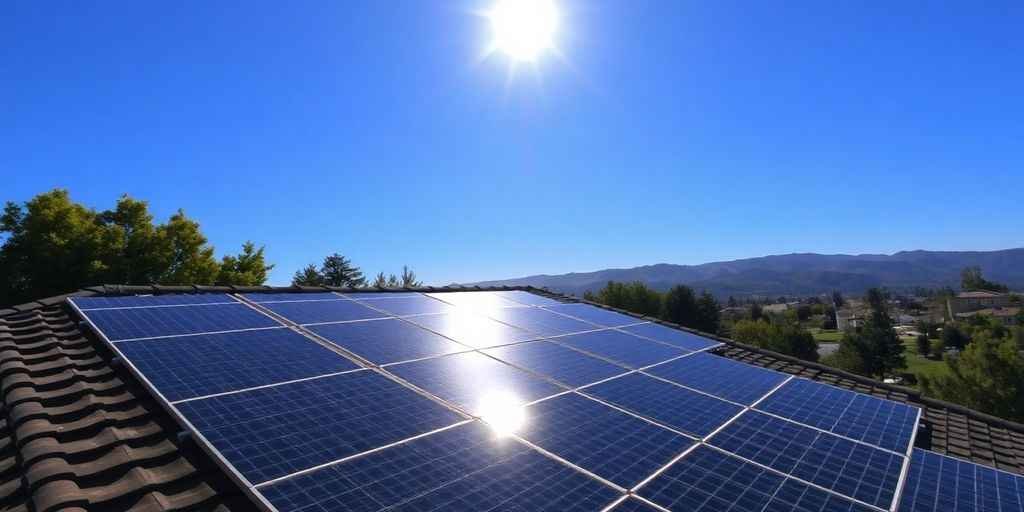
While I’m considering getting solar panels, one of the first things I wonder about is how I’m going to pay for them. And it’s a costly decision, with a couple of main paths: purchasing them outright or leasing them.
They each come with their own sets of pros and cons, and what helps one person may not help another. I have done some investigation into this, and it ultimately comes down to the financial position you are in and what you ultimately want out of your investment in solar.
Upfront Cost vs Monthly Lease
Buying solar panels in California can be a costly initial investment, but it usually results in substantial long-term savings. When you make a purchase, either with cash or a loan, you are on the hook for the entire cost of the system. That’s paying for the panels, the inverter, its installation, and all the bits and pieces.
This may be a barrier for some at the outset. But when you get the solar panel financing in California, the cost of that equipment can be spread out over a few years, similar to a mortgage. This lowers the bar for ownership.
In contrast, renting solar panels or going the Power Purchase Agreement (PPA) route usually involves little or no upfront payment. Via a lease, you pay a fixed monthly fee to use the solar panels, with the leasing firm owning and maintaining the system.
Through a PPA, you purchase the electricity the panels produce at a specific rate, typically cheaper than what your utility company charges. It sounds good to the extent that you don’t have to think about the up-front cost, but there’s a catch.
My experience has been that although the no-upfront-cost concept is awesome, you are essentially renting the electricity-generation equipment, not owning the asset. This may interfere with total financial benefits and control of the system.
Long-Term Savings Comparison
When I take the broader view, making the purchase of solar panels nearly always wins out in savings. Here’s why:
Electricity ownership: If you own the solar system, then you are creating your electricity, and after you’re done paying off the solar system, your electricity is practically free. This can result in huge savings on your energy bills over the life of your panels, which is over 25 years.
Incentives: As an owner, you qualify for all the incentives, including the federal 30% solar tax credit. This credit can substantially offset the net cost of your system and shorten the time it takes to start saving. Leaseholders generally don’t benefit from those advantages since they do not own the system.
Rising home value: A solar system will make your home more valuable. Research has revealed that properties with owned solar panels typically sell for more, and sometimes faster, than comparable homes without solar.
If you go with a lease or PPA, you’ll save only as much as the amount you would have spent on your utility bill above your fixed monthly lease/PPA payment or PPA rate. Although you will start saving money from the first day, you don’t get the full benefit of free electricity after some number of years, and you typically won’t benefit from the tax credits or boosted home value.
Ownership Benefits
For me, the many benefits of solar panel ownership are not only about the financial savings. It’s empowering to have that kind of control and independence.” Here are a few of the most important:
Total control: I can install and tweak our system as an owner. I can source the equipment, track how it is performing, and upgrade or maintain it as I see fit. With a lease, those decisions are up to the leasing company.
Maximized financial returns: I can capture the full set of available tax credits and rebates, which can reduce the cost of your system by over 50 percent. Which translates to a quicker return on investment and larger long-term savings.
Increased property value: The value of my home will directly increase, and the value from solar in California does not trigger an increase in property taxes. This is a huge plus.
Energy independence: I don’t have to depend on the utility company (plus its fees and fluctuations) as much. It gives me a level of assurance that my energy price is predictable.
Sure, leasing may appear to be an easy way to go solar without a lot of the upfront cost, but in my eyes, buying (assuming you can do it with good solar panel installation costs & financing) gives you the biggest long-term advantages, and that’s actual energy independence.
Frequently Asked Questions
Is it worth getting solar panels in California?
Yes, solar panels are generally a good pick in California. While the rules for selling surplus power back to the grid have been altered, the price of electricity continues to rise. That makes solar panels a solid investment over the span of many years.
How long do solar panels take to pay for themselves in California?
In California, homeowners can usually expect 5-11 years for solar panels to pay for themselves. After that, you get free power from your system for the next 20 years, or even longer.
Would solar panels raise my property taxes in California?
Yes, solar panels typically add value to your home. The good news is that California law prevents this rise in home value from causing your property taxes to go up.
Can I install solar panels on my roof by myself?
No, you can’t just slap a solar panel on your roof, unless you’re certified. Installing solar panels is a complicated process that requires specialized skills and safety precautions. Garage-door installations are not for amateurs; a professional should do the job safely and correctly.
Would my HOA stop me from getting solar panels?
Some HOAs (Homeowners Associations) can say no to solar panels. But California has laws that protect your right to install solar panels, and most HOAs can’t prevent you from doing so without a very good reason. You’re wise to consult with your HOA and know their rules.
Are free solar panels available in California?
No, you can not get free solar panels. There are programs and tax credits that can bring down the cost dramatically, but you will always spend some money, whether it is with a chunky upfront payment or in ongoing monthly lease bills.