California’s sunshine is practically begging to be harnessed, and with electricity prices climbing, going solar just makes sense. I have been looking into the numbers for 2026, and while the initial investment for solar panels in California might seem like a lot, the long-term savings and benefits are pretty compelling. Let’s break down what you can expect to pay and why it’s likely a good move for your home.
Key Takeaways
- The average cost for solar panel installation in California in 2026 is around $2.43 per watt, meaning a typical 9.05 kW system could cost about $21,997 before incentives.
- Factors like system size, the type of panels used, and the installer you choose all play a role in the final price you’ll pay.
- While state-specific rebates have decreased, the Federal Solar Investment Tax Credit (ITC) remains a significant incentive, reducing the overall cost.
- Adding a solar battery is becoming more attractive under NEM 3.0, potentially shortening the payback period to around 8 years.
- Despite the upfront cost, solar panels in California are generally a worthwhile investment, with homeowners expected to save significantly over the system’s lifespan, especially as electricity rates continue to rise.
Understanding the Average Solar Panel Cost in California
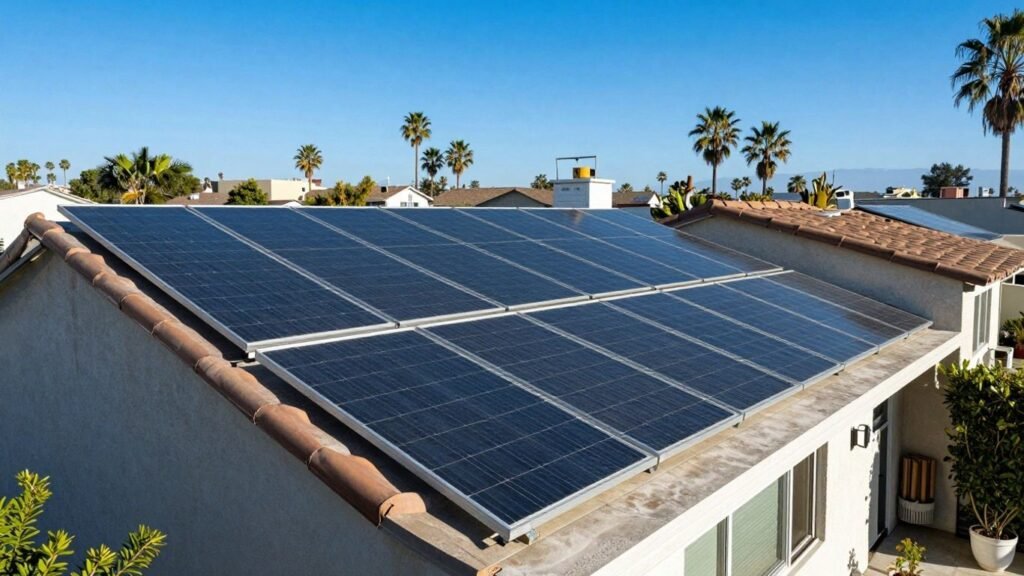
So, you’re thinking about solar panels for your California home in 2026? I’ve been looking into it myself, and the first big question is always about the price. It’s not a simple number, that’s for sure. The average solar panel price California homeowners are seeing right now can really vary.
Factors Influencing Solar Panel Prices
There are a bunch of things that play into the final cost. It’s not just about the panels themselves. I found that the size of the system you need is a major driver. This usually depends on how much electricity your household uses in a year. If you’re a big energy user, you’ll likely need a larger system, which naturally costs more.
The type of panels matters too – some are more efficient but come with a higher price tag. And then there’s the installer; different companies have different pricing structures based on their experience and what they include.
Here’s a quick look at what can affect the price:
- System Size: How much power you need dictates how many panels you’ll install.
- Panel Technology: Higher efficiency panels often cost more upfront.
- Roof Characteristics: The material, pitch, and condition of your roof can impact installation complexity and cost.
- Additional Equipment: Adding battery storage or specific inverter types will increase the total.
- Installer Choice: Labor costs and overhead vary between companies.
It’s important to remember that the average solar system cost CA is just a starting point. Your specific situation will determine your actual price. Getting multiple quotes is key to understanding the range.
Cost Breakdown: Panels, Inverters, Installation, and More
When I broke down the costs, it wasn’t just a single line item. The panels themselves are a big chunk, but there are other components that add up. You’ve got the inverters, which convert the DC power from the panels to AC power your home can use. Then there’s the mounting hardware that attaches everything to your roof.
Installation labor is also a significant part of the expense. Don’t forget about permits and inspections, which are necessary but add to the overall bill. Sometimes there are other miscellaneous costs too, like electrical work or system monitoring.
Here’s a general idea of where the money goes for a typical installation:
| Component | Estimated Cost Range | Percentage of Total Cost |
|---|---|---|
| Solar Panels | $5,000 – $8,000 | 30–40% |
| Inverters | $1,000 – $2,500 | 10–15% |
| Mounting Equipment | $500 – $2,000 | 5–10% |
| Labor / Installation | $3,000 – $7,000 | 20–30% |
| Permits & Inspections | $500 – $1,000 | 3–5% |
| Miscellaneous Costs | $1,500 – $3,000 | 10–15% |
As of early 2026, the 2026 solar panel pricing California homeowners are seeing puts the average cost for a typical system somewhere around $2.43 per watt. For a system around 9 kW, that’s roughly $22,000 before any incentives. It sounds like a lot, but it’s good to see the breakdown so I know what I’m paying for.
California Solar Incentives and Rebates in 2026
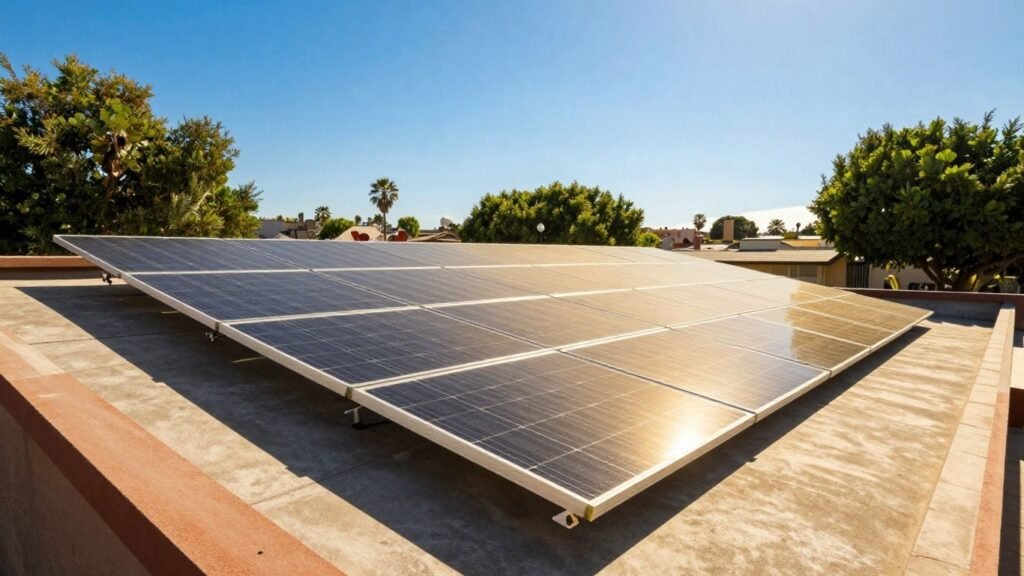
When I started looking into solar panels for my place here in California, I quickly realized that the sticker price isn’t the whole story. There are some pretty sweet deals and programs out there that can really bring down the residential solar system cost California 2026. It’s definitely worth digging into these to see how they affect the overall California solar incentives and pricing.
Federal Solar Investment Tax Credit (ITC)
This is a big one. The federal government offers a tax credit that lets you deduct a good chunk of your solar installation costs right off your federal taxes. For 2026, it’s still at 30% of the total system cost, which includes everything from the panels themselves to the inverters and even battery storage if you decide to add that.
This is a significant saving, so make sure you don’t miss out on it. You’ll need to file IRS Form 5695 when you do your taxes, but all the info you need should come with your installation paperwork.
California State and Local Programs
Beyond the federal credit, California has its own set of incentives that are pretty attractive. I found a few key ones:
- Self-Generation Incentive Program (SGIP): This program is specifically for battery storage systems. It offers rebates based on the amount of energy storage you install, which is becoming more important with the newer net metering rules. It’s a great way to make your solar system even more effective.
- Tech Clean California: This program offers rebates for electrification and energy efficiency upgrades, which can sometimes be bundled with solar projects.
- Local and Utility Company Rebates: Don’t forget to check with your specific city and utility provider. Many offer their own unique rebates or incentives that can add up. For example, some utilities might have specific programs for solar-plus-storage systems.
It’s important to remember that these incentives can change, so it’s always best to check the latest details directly from the program administrators or your solar installer. Taking advantage of these can significantly reduce the upfront cost of going solar.
Here’s a quick look at how some of these might stack up:
| Incentive Type | Potential Benefit |
|---|---|
| Federal Investment Tax Credit (ITC) | 30% of total solar system cost as a tax credit |
| SGIP (Battery Storage) | Rebate based on per kWh of installed storage capacity |
| Local / Utility Rebates | Incentives vary by location, utility provider, and program availability |
| Property Tax Exclusion (California) | Added solar system value is excluded from property tax assessment |
When I was researching, I found that combining these different incentives could potentially lower the overall cost of my solar installation by a noticeable amount, making the investment much more appealing.
The ROI of Solar Panels in California
So, you’re thinking about solar panels for your California home. I’ve been looking into this a lot, and the big question on everyone’s mind is: “Is it worth it?” When I break down the numbers, the return on investment (ROI) for solar panels in California looks pretty solid, especially considering the high electricity prices here. It’s not just about saving the planet; it’s about saving money too.
Calculating Your Potential Savings
When I first looked at the cost of solar energy systems CA, I was a bit overwhelmed. But then I started thinking about the long game. The biggest saving comes from drastically cutting your electricity bills. Many homeowners in California see their bills drop by 70% to 100%. Plus, with the way electricity rates keep climbing, locking in your energy costs with solar now seems like a smart move.
The federal solar tax credit is a huge help, letting me deduct 30% of the installation cost from my federal taxes. That alone makes a big dent in the initial investment. For more details on typical energy savings, you can check out this guide on the average electric bill in California.
Payback Period for Solar Installations
The payback period is how long it takes for the money you save on electricity to equal the initial cost of your system. For a typical 7.2-kW system in California, I’m seeing payback periods averaging around 6 to 9 years. This is actually faster than the national average, which is pretty encouraging. Once you’ve hit that payback point, the electricity generated by your panels is essentially free for the rest of their lifespan, which is usually 25 to 30 years. That’s a lot of free power!
With the new NEM 3.0 rules in California, adding a battery storage system is becoming more attractive. While it increases the upfront cost of going solar in CA, it allows me to use more of my own solar energy instead of selling it back to the grid for less. My research suggests that a solar-plus-storage system might have a payback period of around 8 years, which is still quite good and offers more energy independence.
Here’s a general idea of how different payment methods can affect things:
| Solar Financing Option | Upfront Cost (After Tax Credit) | Payback Period | Estimated 25-Year Savings |
|---|---|---|---|
| Cash Purchase | $13,986 | ~7 Years | $54,829 |
| Solar Loan | Often $0 Down (Varies) | ~10 Years | ~$50,000 |
| Solar Lease | $0 | N/A | ~$6,000 |
When I look at the overall picture, the residential solar energy prices in California, while significant upfront, are offset by substantial long-term savings. The combination of incentives, rising utility rates, and the decreasing cost of solar technology makes the solar panel system investment in California a financially sound decision for many homeowners.
Choosing the Right Solar Installer in California
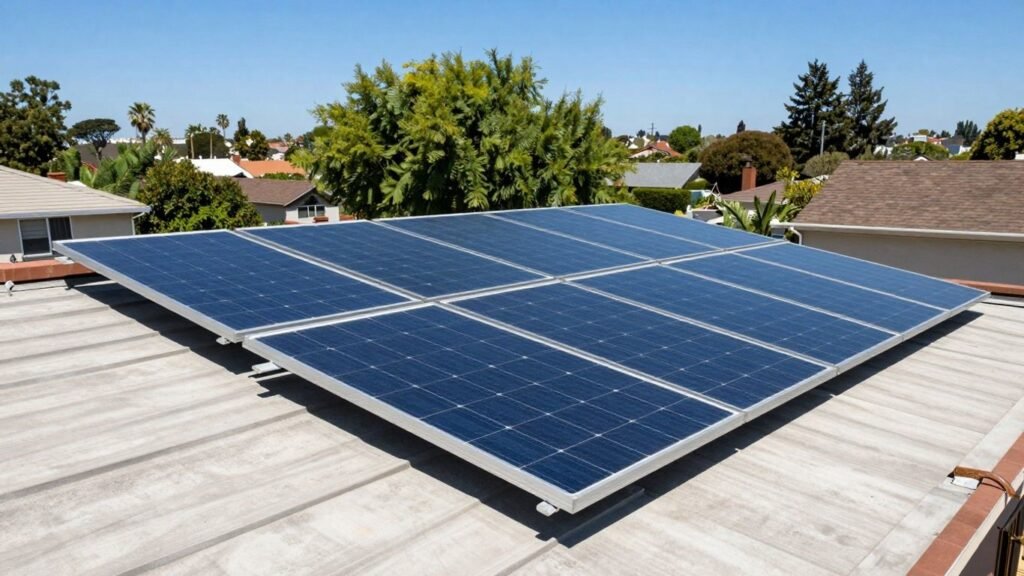
Picking the right company to install your solar panels is a big deal, and honestly, it’s one of the most important steps in the whole process. I mean, you’re trusting them with your roof and your investment, right? California has a ton of solar installers, which is great because it means more options, but it can also feel a bit overwhelming.
Don’t just go with the cheapest quote you get. While price is definitely a factor, it’s not the only thing to look at. You want a company that’s been around for a while, has good reviews from actual customers, and uses quality equipment. I’ve heard stories where people went with a super cheap option and ended up with shoddy work or panels that didn’t perform well. That’s a headache nobody needs.
Here’s what I’d look for when I’m shopping around:
- Experience: How long have they been installing solar in California? A company with at least five years under their belt probably knows the ins and outs of local regulations and common issues.
- Reputation: Check out online reviews (like on Google, Yelp, or even specialized solar sites). See what people are saying about their customer service, the quality of the installation, and if they were upfront about costs.
- Installation Practices: Do they use their own crews, or do they subcontract? Some people prefer companies that handle everything in-house from start to finish.
- Warranties: What kind of warranties do they offer on both the equipment and their workmanship? This is your protection if something goes wrong down the line.
- Product Offerings: Do they work with reputable panel and inverter brands? While you don’t need the absolute highest-efficiency panels given how sunny California is, you still want reliable gear.
I always recommend getting at least three different quotes. This not only helps you compare prices but also gives you a feel for how each company communicates and presents their proposal. You can even use the quotes to negotiate a bit.
It’s easy to get caught up in the excitement of going solar, but taking the time to vet your installer is like double-checking your work before submitting a big project. It saves you potential trouble later on and makes sure you’re getting the best value for your money.
Conclusion: Investing in Solar for Your California Home
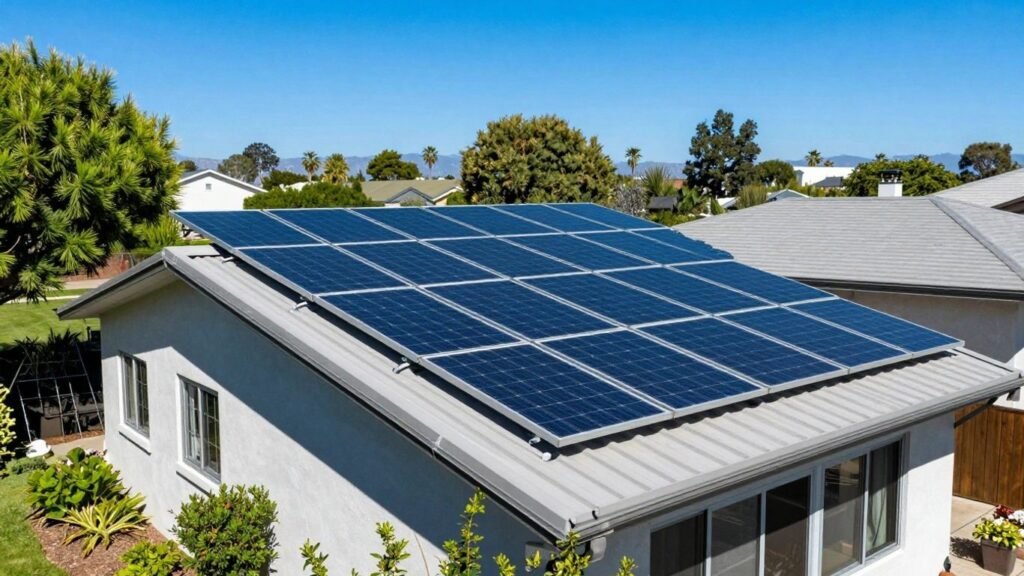
So, after looking at all the numbers and figuring out the costs, incentives, and potential savings, I’m pretty convinced that putting solar panels on my California home is a smart move. It’s not just about doing something good for the planet, though that’s a big part of it for me. It’s also about taking control of my energy bills, which seem to go up every year.
The upfront cost can seem like a lot, but when you factor in the federal tax credit and any local rebates, it really brings the price down. Plus, thinking about how much I’ll save over the next 25 years, it starts to look like a solid investment. The payback period, especially with the current electricity rates in California, seems reasonable, and after that, it’s basically free electricity.
Here’s a quick rundown of what I’m considering:
- Understanding the true cost: It’s not just the panels themselves. I need to remember to budget for inverters, mounting gear, and the installation labor. Those numbers add up.
- Maximizing incentives: I’m definitely going to look into all the state and local programs available. Every bit of help reduces the initial investment.
- Long-term savings: The real win is the money I’ll save on electricity bills year after year. It’s like getting a discount on my power that lasts for decades.
The decision to go solar is a big one, and it’s easy to get lost in all the details. But when I look at the trend of rising electricity prices versus the falling cost of solar technology, it feels like now is the time to act. Waiting might seem like a good idea to catch lower prices, but the cost of electricity will likely outpace any savings from waiting for cheaper panels.
Ultimately, I see solar panels as a way to make my home more valuable, reduce my environmental footprint, and gain some financial predictability. It feels like a responsible choice for my wallet and for the future.
So, What’s the Bottom Line on Solar Costs in California?
Alright, so after digging into all the numbers for California solar panels in 2026, I’ve got a pretty good picture. It’s definitely not a small purchase, I mean, we’re talking thousands of dollars upfront. But when I look at how much electricity bills are going up and how much I could save over the next 25 years, it really starts to make sense.
The incentives are still there, and even with the changes to how excess power is credited, adding a battery seems like a solid move. My takeaway? If you’re a homeowner in California, getting quotes and really looking at the long-term savings is probably a smart move. It feels like a good time to at least explore the option, rather than just watching those utility bills climb higher and higher.
Frequently Asked Questions
What’s the typical price for solar panels in California in 2026?
As of early 2026, you can expect to pay somewhere around $2.43 per watt for solar panels, including installation. For a standard 9.05 kW system, this usually lands between $18,697 and $25,297 before any discounts or credits. It might seem like a lot upfront, but think of it as an investment that pays off over time.
How does the size of my solar system affect the cost?
It’s pretty straightforward: bigger systems cost more. If you need a larger system to power more of your home, it will naturally have more panels and components, which increases the total price. For example, a 5 kW system will cost much less than a 10 kW system.
Are there any government programs or tax breaks that can lower the cost?
Yes, absolutely! The big one is the Federal Solar Investment Tax Credit (ITC), which lets you deduct a percentage of your solar system’s cost from your federal taxes. While California used to have more state-specific programs, the federal credit is a major help right now.
How long does it usually take for solar panels to pay for themselves in California?
Most homeowners in California find that their solar panels pay for themselves within about 8 to 9 years. This payback period can change depending on your energy use, where you live in the state, and whether you decide to add a battery to your system.
Why are solar panels in California sometimes more expensive than in other states?
California does tend to have slightly higher prices than the national average. This is often because of higher labor costs for installers in the state and the strong demand for solar energy solutions here. However, the sunny weather and high electricity rates often make it a worthwhile investment anyway.
Should I wait to buy solar panels, hoping the price will drop more?
While solar panel prices have dropped over the years, waiting might actually cost you more in the long run. Electricity rates in California are going up, so the longer you wait to switch to solar, the more you’ll likely pay for electricity. Getting solar sooner means you start saving money on your bills earlier.