When my neighborhood had a blackout last year, I realized how much I depend on electricity. That’s when I started looking into solar generators for home use. I wanted something that could keep my fridge running, charge my phone, and maybe power a light or two, without dealing with gas or fumes. After spending hours reading reviews, watching videos, and asking around, I figured out there are a ton of options out there.
Some solar generators are tiny and portable, while others are big enough to keep half your house powered during an outage. In this article, I’ll break down what I learned and share my top picks for the best solar generators for home use, plus a simple buying guide if you’re thinking about getting one yourself.
Key Takeaways
- Solar generators for home use are a clean and quiet way to keep your essentials powered during outages.
- There’s a wide range of sizes and prices, so you can find something for basic charging or full home backup.
- Look for features like battery capacity, portability, charging speed, and weather resistance when shopping.
- The best solar generator for you depends on your needs—small ones are great for camping, big ones for home backup.
- My top picks for 2025 include models from Anker, EcoFlow, Bluetti, and OUPES, covering different budgets and uses.
What is a Solar Generator and How Does It Work?
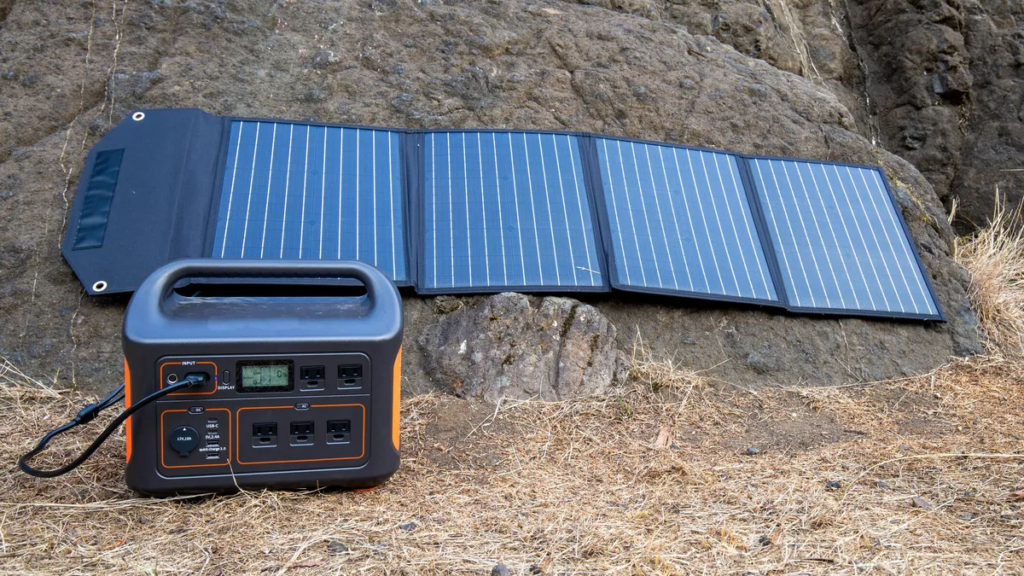
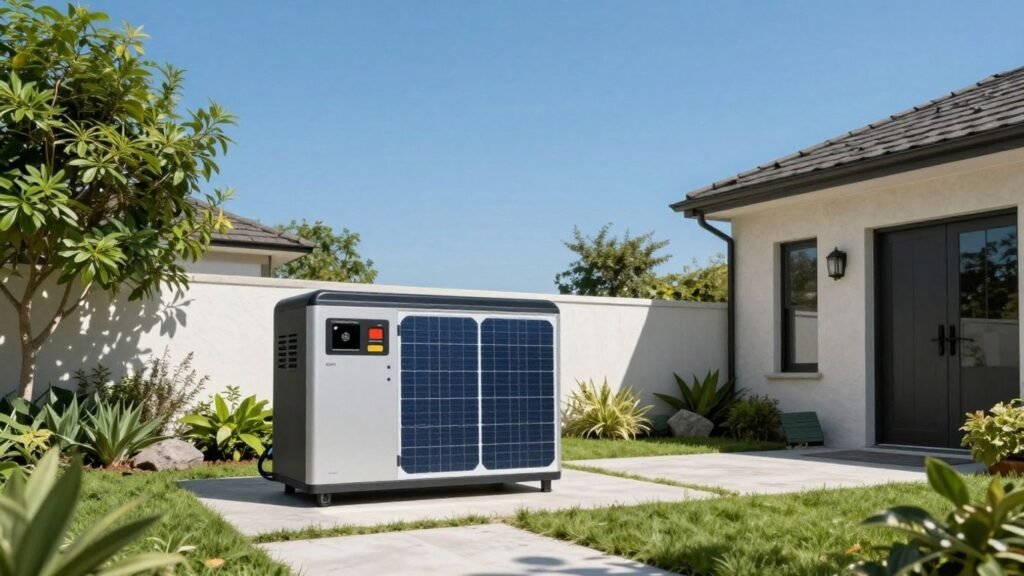
So, you’re interested in solar generators eh? I’ve been doing some checking on it, and frankly, they’re pretty cool. Instead, think of a solar generator not so much as a conventional gas-powered machine but rather an oversized, rechargeable battery pack that can be recharged with sunlight. It’s really a two-part setup: the power station itself, which is essentially just a huge battery, and solar panels that absorb sunlight as Tesla rep ” charge the pack.”
Where sunlight strikes the solar panels, the light is converted to electricity. This electricity is then sent through a cable to the power station, where it’s stored. Then, to get power out of the power station, you simply plug in your devices, using the same sort of wall-outlet connection. It’s fairly simple, but those panels do require time to fill up the battery, and they take even longer when it’s not super sunny out.
Here’s a quick breakdown of how it all comes together:
- Solar Panels: These are the collectors. They soak up sunlight and turn it into usable DC (direct current) electricity.
- Charge Controller (usually built-in): This part manages the flow of electricity from the panels to the battery, making sure it doesn’t get overcharged.
- Battery: This is the heart of the system, storing the energy captured from the sun.
- Inverter (usually built-in): Most of our home devices run on AC (alternating current) power. The inverter takes the DC power stored in the battery and converts it into AC power that your appliances can use.
The thing that distinguishes it from a gas generator, however, is that it doesn’t make power on the spot; instead, it uses energy that’s stored up. In other words, you have to set things up and charge your battery before you need it (in particular if you’re carrying the thing around with you during a power outage or when off-grid). It’s a clean, relatively quiet way to get power, and you can refill it with the sun, which is definitely a check in my book.
Benefits of Using Solar Generators for Your Home
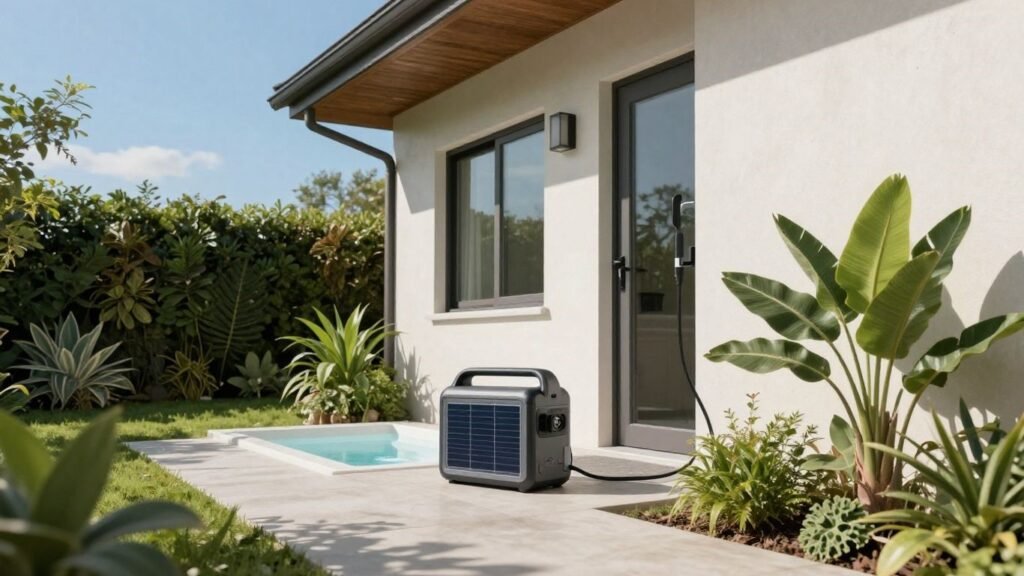
When I first began researching solar generators, I never realized there were this many benefits. It’s not just a trend — it has some real benefits that I can feel in my everyday life. This is how working with portable solar power stations for houses and other off-grid solar solutions for homes truly makes a difference.
Environmental Advantages
- Solar generators do not produce emissions. It matters to me, lying in my room and watching a community around me stress about air quality from old gas generators.
- Panels capture energy directly from the sun, so when the grid goes down, I’m not burning any fossil fuels to power appliances or charge devices.
- Each time I use residential solar backup power, instead of just flipping on something that gobbles gasoline or diesel, my carbon footprint shrinks.
Over time, you may actually make a difference. It’s a simple thing, but it has powerful implications: every watt I store in my battery-powered home solar system is one less that I’m burning up the atmosphere with.
The fact that I know I’m contributing even in a small way to a healthier planet is the piece that makes me feel good about using my solar generator every time.
Cost Savings
- Sunset used to signal the end of free power, but now I’m saving on bills month after month. When you have off-grid solar, every one of those rays of sun hitting your panels all day long gets banked in anticipation of evening, when electricity rates spike.
- No need to refuel, ever. Panels recharge the battery, and I don’t have to keep making repeat trips for gas or propane — and paying growing prices at the pump.
- Repairs and maintenance have been less of a nuisance or expense than with old gas-powered installations.
Here’s a simple breakdown based on typical costs:
| Benefit | Old-Gen Cost/Year | Solar Generator Cost/Year |
|---|---|---|
| Fuel/Refill | $200 – $400 | $0 |
| Maintenance (parts & labor) | $100 – $200 | $30 – $60 |
| Grid Electricity Backup | $100 – $250 | $40 – $70 |
On top of that, check out long-term value and solar efficiency when deciding if solar generators are right for your home.
Energy Independence and Reliability
- And during storms or power outages, I know that the homes with solar will have emergency power. I can keep a refrigerator or medical device running, charge my phone and not have to rely on utility crews.
- Less to fear from being thrown in the dark. My off-grid solar energy solutions lie in wait, silently performing their functions when traditional power lines go down.
- Scaling up is easy — just add extra panels or batteries for more backup and peace of mind.
Some highlights I’ve noticed:
- Peace of mind: I’m covered during power cuts.
- Flexibility: From a small portable system for critical plugs to whole-house backup, there’s always an option.
- Remote readiness: Cabins, RVs, or any spot off the grid become possible new weekend getaways.
All in all, the benefits stretch way beyond just saving a few bucks. Solar generators give me security, flexibility, and the satisfaction of knowing I’m moving my home a little closer to being efficient and self-sustaining.
Key Features to Consider When Buying a Solar Generator
Choosing among all of the available portable solar power stations for emergencies is a lot. To be honest, it actually took me a few attempts before I figured out what to look for when deciding on some emergency backup power with solar capabilities. So here’s my frank, based-on-experience take.
Capacity and Power Output
If you’re trying to figure out which solar generator will help keep the lights on during a blackout, then begin right here. Capacity (measured in watt-hours, or Wh) determines how much you can run — and for how long. Power output (in watts) gives you a sense of what size appliances it can manage at once, meanwhile.
| Generator Size | Output | Capacity | Avg. Weight | Best For |
|---|---|---|---|---|
| Small/Portable | ~300 W | ~300 Wh | 10 lbs | Phones, laptops, lights, and quick outdoor use |
| Midsize/Weekend | ~600 W | ~700 Wh | 20 lbs | Camping, multiple phones/laptops, backup for small tools |
| Large/Home Backup | ~1200 W | ~1000 Wh | 29 lbs | Appliances (fridge, microwave), small RVs |
| Extra-Large Station | ~1800 W+ | 1200 Wh+ | 34 lbs+ | Extended outages, off-grid use, heavy-duty appliances |
Make a list of your must-have devices, check their wattage, and match that with your solar generator’s specs. For a closer look at sizing and what each tier can run, see this chart about choosing the right size solar generator: Choosing the right size solar generator.
- Look at both the maximum watt output AND the battery size in watt-hours
- Don’t forget peak vs. continuous wattage, especially for things like refrigerators
- Always overestimate a bit—it’s better to have extra juice than run out
Portability and Size
The first time I dragged a huge battery up a flight of stairs, I learned that impact quickly: weight matters. Have you ever thought about moving your generator or needing portable solar power stations for backup when you’re away? Size and portability, rather than raw power, are equally important in this regard.
- Notice the weight—with these devices it can be heavy
- Search for handles, casters and other easy-moving features.
- Think about whether it will fit in the spot where you store your luggage, your car, or a closet.
Charging Options and Speed
Nobody wants to wait ages for their portable solar power stations for emergencies to recharge. Multiple charging options mean flexibility, especially when the grid is down.
- Solar input: What’s the max panel wattage you can use for recharging?
- AC and car input: Can you top it off from a wall outlet or car socket?
- Charging time: Some charge up fast, others can take all day
Blockquote:
If you rely on your solar generator for emergency backup, always check that it can recharge fast enough to keep up with your needs—especially in bad weather.
Durability and Weather Resistance
I’ve dropped portable units more than once, and sometimes they get banged up in the back of the car or on a camping trip. Go for sturdy materials and at least basic water- or weather-resistance.
- Look for tough casing, reinforced corners, or rubber bumpers
- Check for weatherproof ports and covers (great for outdoor setups)
- Don’t rely just on the manufacturer’s claims—customer reviews can be super telling
Here’s the gist: prioritizing capacity, portability, fast charging, and real durability means you get the most reliable portable solar power stations for emergencies—and backup confidence when the next big storm rolls through. You’ll thank yourself the next time you’re left in the dark.
Top Solar Generators for Home: Our Top Picks
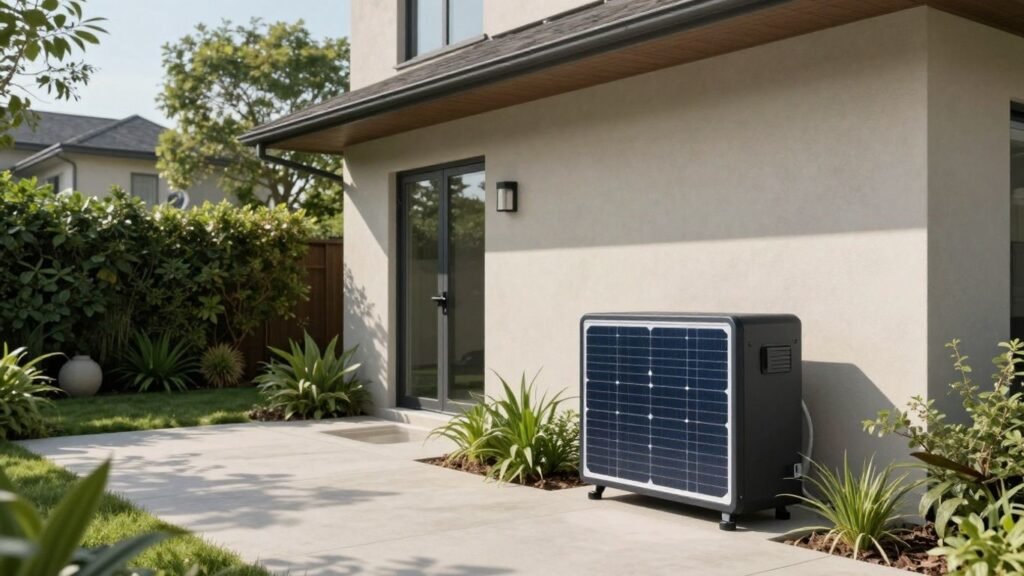
All right, so you want to pick up a solar generator for your pad? There are so many options it can feel like a jungle out there. I’ve spent some time looking at various models, and a few stand out to me that I think you should consider. If you need something small to take camping with you, in case, or a larger set up for more substantial power needs, there’s probably something here for you. Here are some of the best home solar power systems I’ve found.
Best Small Portable Solar Generator: Anker SOLIX C300
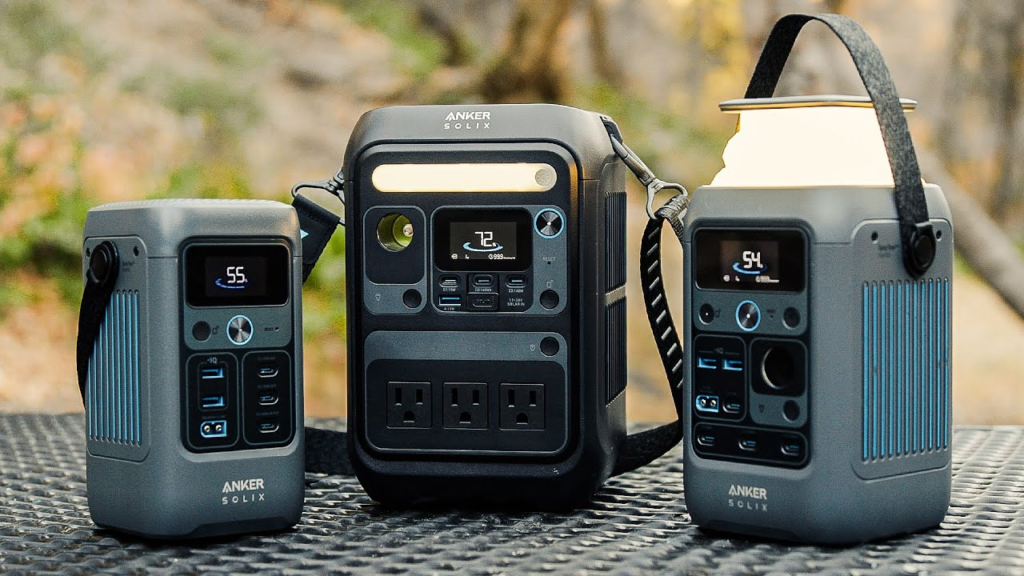
If you want something that’s very portable, ready to go when you are, and also easy to handle, the Anker SOLIX C300 is a great pick. It won’t keep your entire house running, but it’s perfect for keeping crucial gadgets charged during a brief blackout or for powering small appliances when you’re off the grid. Think charging phones and laptops or running a small fan. Read More: It’s pretty easy to use — which is a huge win in my book.
Best Midsize Portable Solar Generator: EcoFlow DELTA 3 Plus
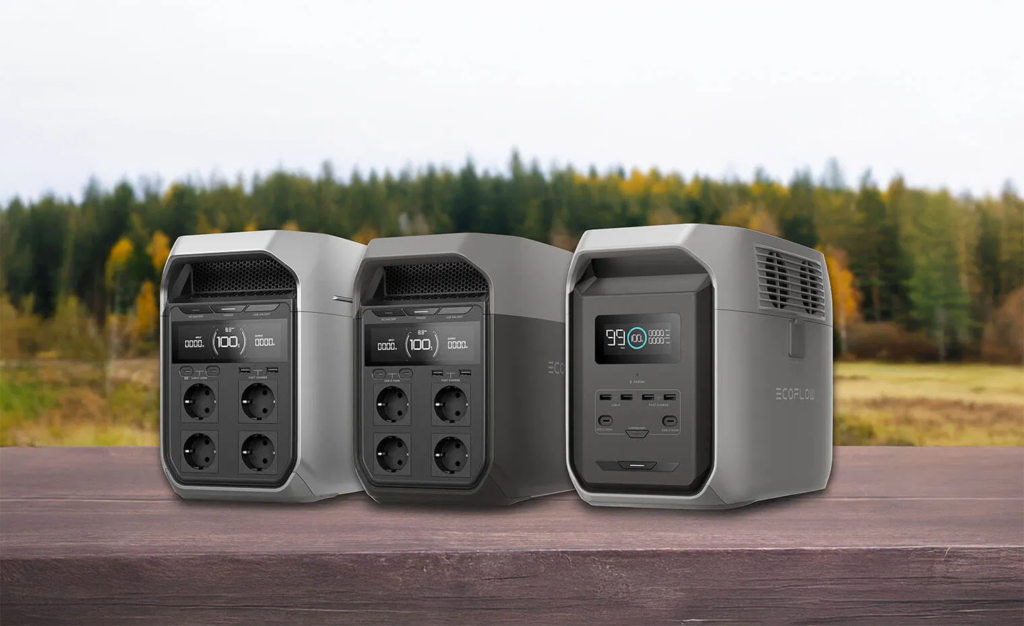
Size up and you get this, the EcoFlow DELTA 3 Plus – a happy place in terms of power and product availability. This one can process heavier duty jobs. I thought it was a nice midway alternative for people that want more power than a smaller model without having to go with an oversized system. It’s a flexible choice to also power more appliances as well, or during longer power outages.
Best Large Portable Solar Generator: EcoFlow DELTA Pro 3
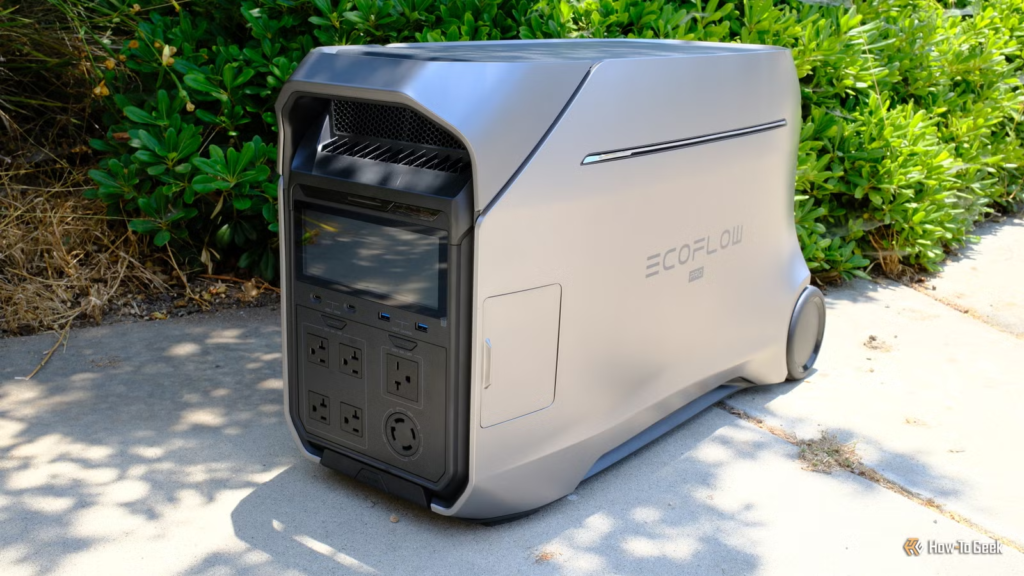
So now, if you’re in the market for a really fat backup power solution, the EcoFlow DELTA Pro 3 is an absolute monster. It is the type of unit that can keep a large proportion of your home operational, even in a prolonged blackout.
It’s definitely on the larger side of things, so it’s more about less casual portability and really about offering a lot of power if and when you need it. It’s one of the sturdier home solar power kits out there in a foldable format.
Best Premium Portable Solar Generator: Bluetti Elite 200 V2
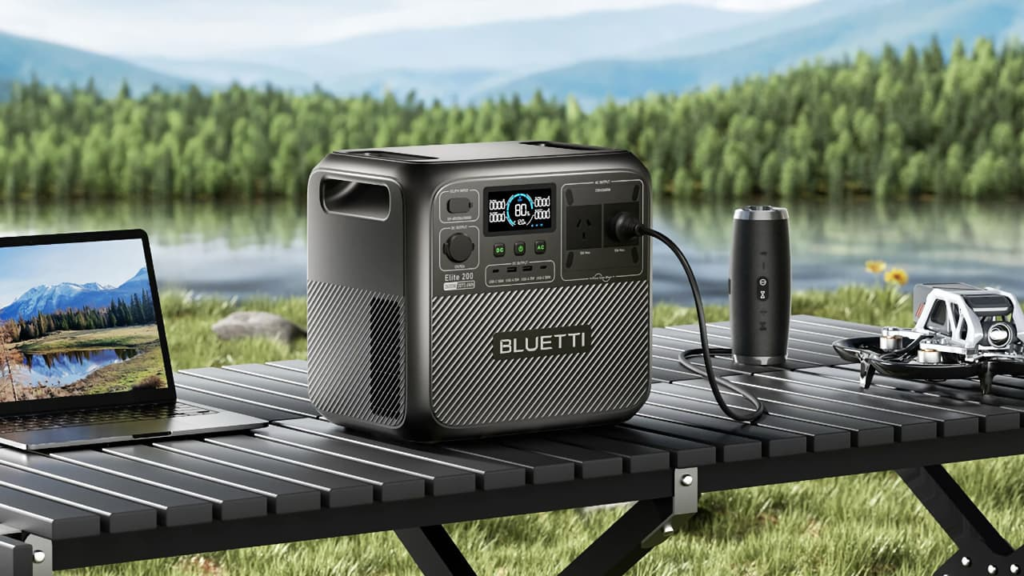
The Bluetti Elite 200 V2 is a higher-end model. It brings a lot more power and features, sometimes with speedier charging or higher-end battery tech. If you can afford to pay a bit more for the highest echelon of performance and reliability, this is one to consider. It is one made for the customer who wants nothing but the best and is willing to pay for it.
Best Affordable Solar Generator: OUPES Mega 1
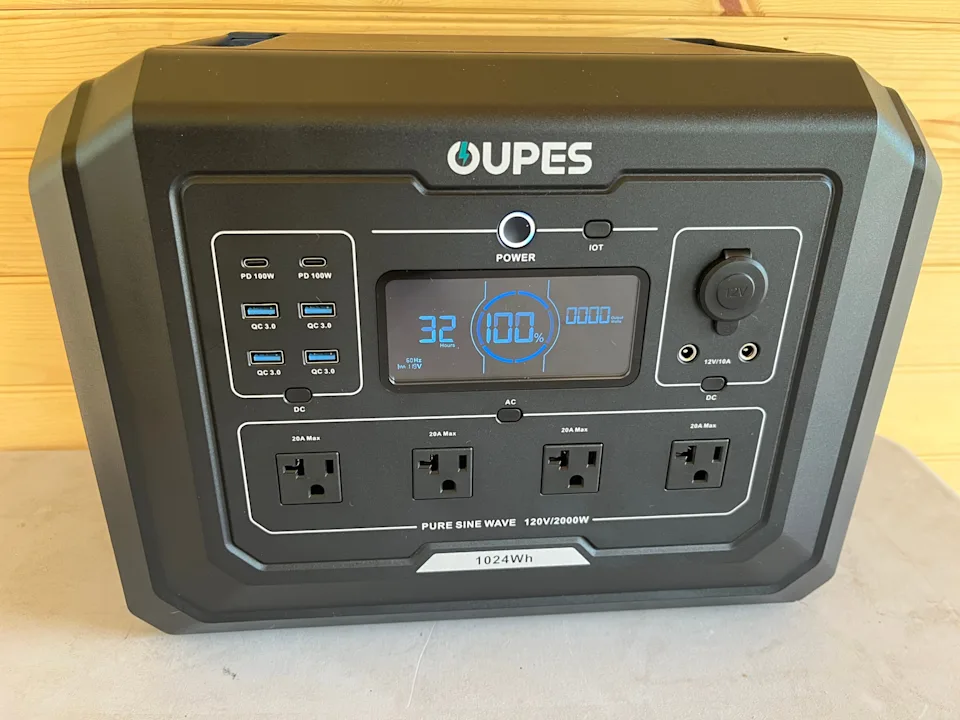
For those with shallower pockets, the OUPES Mega 1 is worth serious consideration. It puts out a nice amount of power for the buck and in fact is one of our picks for the best value residential solar power kit available. You’re getting a lot for your money, especially when you just want some solid backup power without it shattering the budget. It shows you don’t have to spend a ton of money to get a great solar generator.
Here’s a quick look at how some of these stack up:
| Generator Model | Max Continuous Power | Energy Storage | Price (Approx.) |
|---|---|---|---|
| Anker SOLIX C300 | 300 W | 288 Wh | $299 |
| EcoFlow DELTA 3 Plus | 1,800 W | 1,024 Wh | $616 |
| EcoFlow DELTA Pro 3 | 4,000 W | 4,096 Wh | $2,999 |
| Bluetti Elite 200 V2 | 2,600 W | 2,073.6 Wh | $999 |
| OUPES Mega 1 | 1,200 W | 1,024 Wh | $449 |
Remember, ‘solar generator’ is often a catch-all term for a portable power station paired with solar panels. The power station is the battery and inverter part, while the panels are what collect the sun’s energy. You’ll want to consider both components when making your choice.
Wrapping Up Your Solar Generator Search
So there you go, solar generators have certainly come a long way. Whether you need a quick pick-me-up when camping or a serious backup for your home during outages, one is bound to suit. I’ve tested a bunch, and to be honest, the process isn’t as daunting as it may appear at first.
Just consider what you’re going to use it for most, how much power you really need, and what works in your budget. Don’t get too bogged down with all of the tech specs; just concentrate on what will make your life more convenient. I’m quite satisfied with how much of a difference these make and hope this guide helps you pick the right one out for your needs as well!
Frequently Asked Questions
What can I power with a solar generator at home?
I can use a solar generator to charge and run small appliances like phones, laptops, lights, fans, and sometimes even a refrigerator or TV. The bigger the generator, the more things I can power at once.
How long does it take to charge a solar generator using solar panels?
Charging time depends on the size of the generator and the amount of sunlight. On a sunny day, a small generator might take 4 to 8 hours to fully charge, while a larger one could take a whole day or more.
Can I use a solar generator during a power outage?
Yes, I can use a solar generator during a power outage to keep important devices running. It’s a great backup for emergencies, especially if I need to keep my phone charged or the lights on.
Do I need special skills to set up a solar generator?
No special skills are needed. Most solar generators are easy to set up. I just plug the solar panels into the generator and let them charge. The instructions are usually simple to follow.
How long will a solar generator last?
A good solar generator can last several years. The batteries inside usually last between 5 and 10 years, depending on how often I use and charge them.
Is a solar generator safe to use indoors?
Yes, solar generators are safe to use indoors. They don’t make fumes like gas generators, so I can use them inside my house without worrying about air pollution or fire hazards.