Ever wonder if those solar panels on your roof are worth it in the winter months? With the cold, snow, and shorter days, you might think they’re just sitting there doing nothing. But surprise! Solar panels can perform quite well in winter. Let’s dive into how they manage to keep producing energy even when the temperature drops.
Key Takeaways
- Solar panels are more efficient in cold weather, so they can work better even if the days are shorter.
- Snow can help solar panels. It reflects more sunlight onto them, boosting energy production.
- Snow can cover panels and reduce output. But it usually slides off due to the panel’s angle and smooth surface.
- Winter solar energy may be less than in summer. But yearly production is still strong.
- Proper maintenance and smart installation can boost solar output in winter.
Understanding Solar Panel Efficiency in Winter
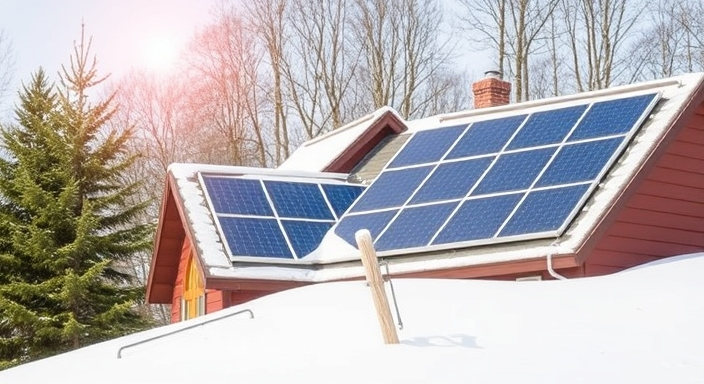
How cold weather affects solar panel performance.
You’d think that the cold of winter would be the enemy of a solar panel, but it’s not. In fact, cold weather can even improve the efficiency of solar panels. That is, solar panels turn sunlight into electricity, not heat. Sunlight hits the photovoltaic cells.
This excites the silicon’s electrons. They begin moving, and they start carrying an electrical current. Standing still, that’s in the cold. When the sun shines on them, they then produce an even larger voltage difference. This leads to better efficiency. But their output can be curtailed by the shorter daylight hours and the potential for snow.
The Impact of Snow on Solar Energy Generation
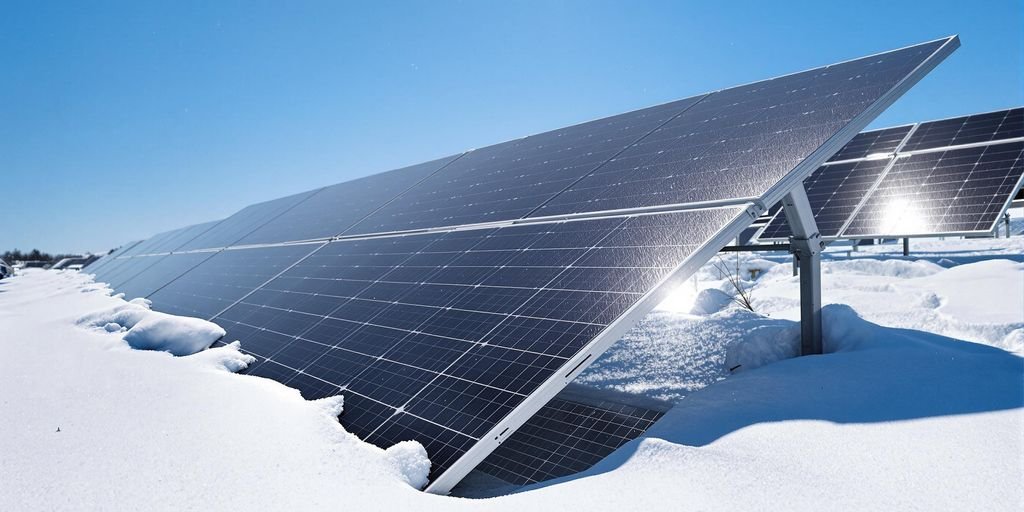
Snow could be a headache for solar panels, but it also has an upside. Snow on your panels is like a mirror. It bounces more sunlight off of them. All of these can give your system a kick in the pants. Of course, if panels are fully covered, they cannot produce electricity.
Fortunately, panels are typically mounted at an angle, which encourages snow to slide down. And the panels soak up sunlight and get a little bit warmer, contributing to snow shedding. It’s also not usually a good idea to physically clear snow from the panels because it can damage them.
Maximizing solar output during shorter days.
In winter, the days are shorter, and the sun is at a lower angle to the ground, both of which can reduce solar energy production. To get the most sunlight, change to angle of your panels twice a year so you can catch the sun’s rays.
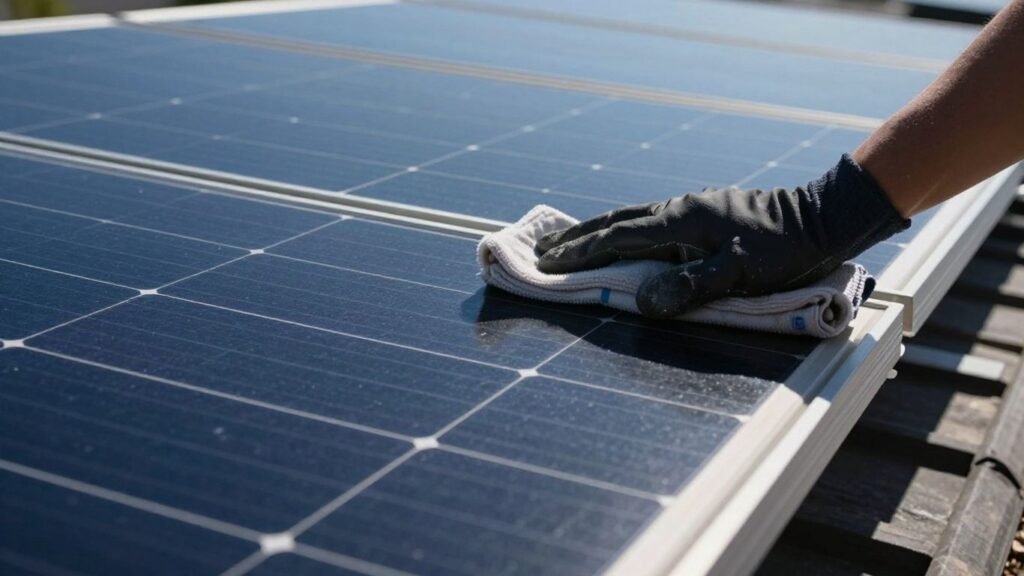
Correct angle adjustment can allow for maximizing the capture of energy in these months. Also, be sure to keep the panels clear of obstructions and clean.
This will maximize efficiency in your system. Another smart option can be a solar battery, which stores excess energy to use during the darker hours. And remember, while the output may be lower in winter, the efficiency of the panels is still good.
The Science Behind Solar Panels in Cold Climates
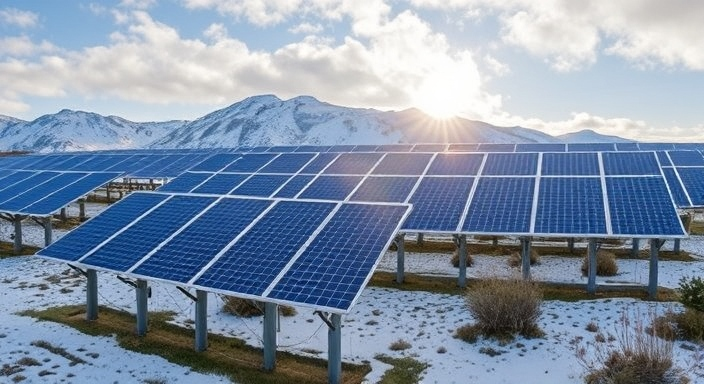
Photovoltaic technology and temperature
You’d think solar panels require heat to function, but the truth is that light does just fine. “Paradoxically, cold temperatures can improve the performance of solar panels. As it gets colder, the electrons in solar cells become more sluggish. When sunlight strikes, it jiggles the electrons loose.
This makes for a more powerful electric current. So, the days in winter may have less light. But the panels convert light to electricity more efficiently. So, as long as it’s not too cold outside and the sun is shining, your panels are toiling away
The Albedo Effect: Snow’s Reflective Benefits
Snow can actually help solar panels. With a layer of snow on the ground, it acts as a giant mirror, bouncing more and more sunlight onto the panels.
It is called the albedo effect. It’s like an extra little hit of sunlight, which can compensate for the shorter days. So even though snow might be a headache, in fact, it can aid your solar panels in producing more power.
Challenges of Snow Accumulation on Panels
Of course, not all snow news is good news. It will tend to build up on the panels, and if it does so heavily enough, it can block sunlight from reaching them. This is where you have to be cautious. Heavy snow can also stress the panels and cause damage.
Think about how to safely remove snow. You don’t want it to scratch or crack the panels. Silicon-based solar panels are hardy, but freezing and thawing can do them in. So it’s probably a good idea to sweep them clear of snow, for efficiency’s sake.
Practical Tips for Maintaining Solar Panels in Winter
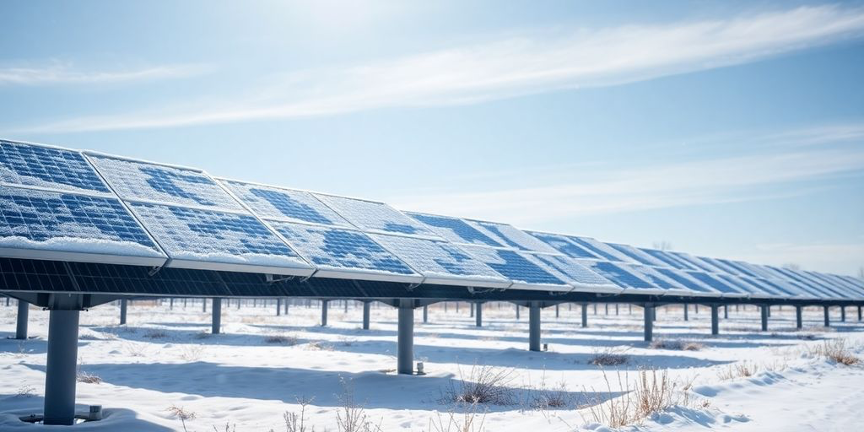
Safe Snow Removal Techniques
Heavy snow can block sunlight and prevent your panels from producing energy. There’s a strong temptation to just yank out the broom and sweep it off, but wait! You can scratch your panels with the wrong tool. All you require is a soft snow brush or a specialized tool, yes, there are such things for cleaning solar panels!
Don’t void any warranties. Always consult with your solar installer to make sure you’re not doing anything that will void your warranties. And, as always, be safe. There’s no point in risking it all to clean them.
How to Stop Icy Damage for Solar Panels
Ice can be tricky. It’s created when snow melts and refreezes, and it can put a great deal of stress on your panels and mounting systems. To avoid this from happening, install your panels at the proper angle. This will cause the snow to slide down.
Maintenance and inspections can prevent problems from escalating. You should also purchase a heating system to keep the panels free of ice if that’s a common issue in your area.
Optimizing Panel Angle for Winter Sunlight
The sun is lower in the sky in winter. So tweaking the angle of your panels can have a big impact. Tilt your panels to maximize the sun exposure. If it can, point the tilt at a steeper angle in winter than in summer. This has not only made energy capture better, but it also discourages snow from sliding off quite as easily. Always adhere to the manufacturer’s recommendations or hire a pro to prevent mishaps.
Solar panels stay busy during the summer, which is also a time of year when there tend to be relatively low levels of rainfall. But if you put in a little bit of effort and learn the right tricks, you can keep them running and lasting even longer. Be proactive. Do make small modifications to account for the seasonal differences
Comparing Solar Energy Production Across Seasons
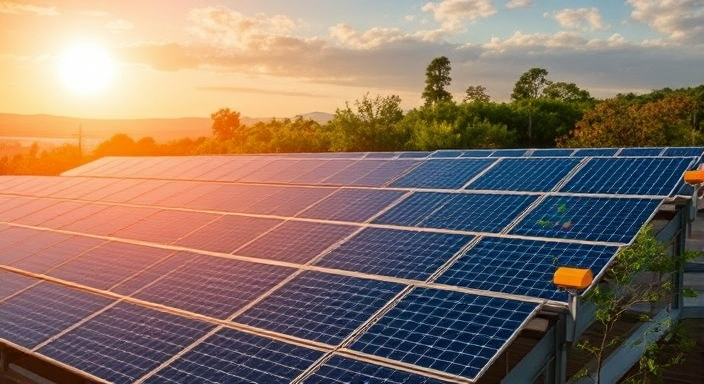
Seasonal Variations in Solar Output
Solar generation can be radically different from season to season. The angle and duration of the sun change throughout the year. This impacts how much energy solar panels can capture. In summer, longer days and a steeper angle of the sun result in more sunlight. This ,in turn, leads to more solar energy. Winter, on the other hand, has reduced daylight and a lower angle of the sun. This can reduce solar output.
| Season | Average Daylight Hours | Typical Solar Output |
| Winter | 8-10 hours | Lower |
| Spring | 10-12 hours | Moderate |
| Summer | 14-16 hours | Higher |
| Fall | 10-12 hours | Moderate |
Balancing Summer Surplus with Winter Needs
One of the interesting aspects of solar energy is how it balances out over the years. In summer, solar panels often produce a surplus of energy. It exceeds a household’s needs.
This excess energy can be stored or fed back into the grid, depending on your setup. In winter, production dips. Households can then use stored energy or grid electricity. This seasonal balancing act keeps solar power a viable energy source year-round.
- Store surplus energy in batteries for later use.
- Feed excess energy back to the grid and earn credits.
- Use grid electricity as a backup during low production periods.
Impact of Cloud Cover and Daylight Hours
Cloud cover and daylight hours are key factors in solar energy production. Solar panels can generate electricity on cloudy days. But, output is lower than on sunny days. In regions with frequent cloud cover, this can be a significant factor. Also, daylight varies with the seasons, as noted earlier. This affects a solar system’s total daily energy production.
Solar panels are designed to maximize efficiency. So, they are a reliable choice for sustainable energy, even in poor conditions. The key is understanding and planning for these natural fluctuations.
In conclusion, solar energy production fluctuates with the seasons. But design and planning can reduce these effects. They can ensure a consistent energy supply year-round. Cold temperatures can boost solar panel performance. So, they work well in winter.
Economic Benefits of Solar Panels in Winter
Cost Savings Despite Reduced Output
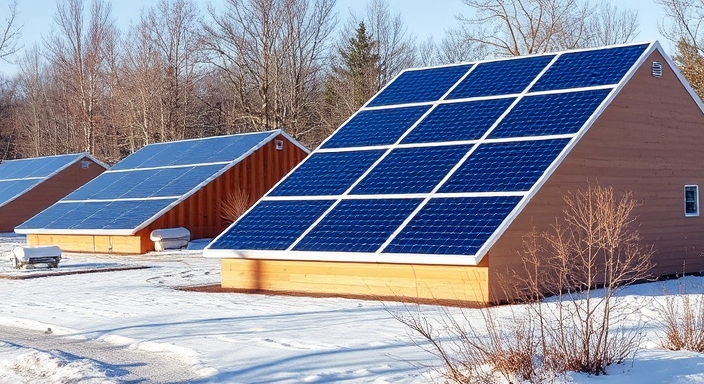
It is true that in the winter , solar panels can generate less energy. But, they still save money. Cooler temperatures can also make solar panels more effective in the winter. They output more power, and they convert a greater percentage of available sunshine into energy, even in snowy places. So, your energy bills can still fall precipitously, even if solar’s contribution is smaller.
Long-Term Investment in Cold Regions
It is often a good choice to buy solar panels even in colder climates. In some cases, the long-term savings on energy costs can more than offset the additional cost of installation. Plus, solar panels are generally able to endure more than 25 years. They can then continue to produce monetary gains long after the initial investment is paid off.
Incentives for Winter Solar Installations
Most states even offer solar rebates and some form of state tax credit. These can be attractive in the winter. These rewards may be in the form of tax credits, rebates, and other financial perks. They help to make solar panels more affordable. Some programs provide incentives for installations in the winter. They urge homeowners to take advantage of the colder months of lower demand.
Putting in solar panels in winter saves on the bill and saves the planet. Homeowners may find that using solar power will save them money and support renewables even in winter.
Real-World Examples of Winter Solar Success
Case Studies from Cold Weather States
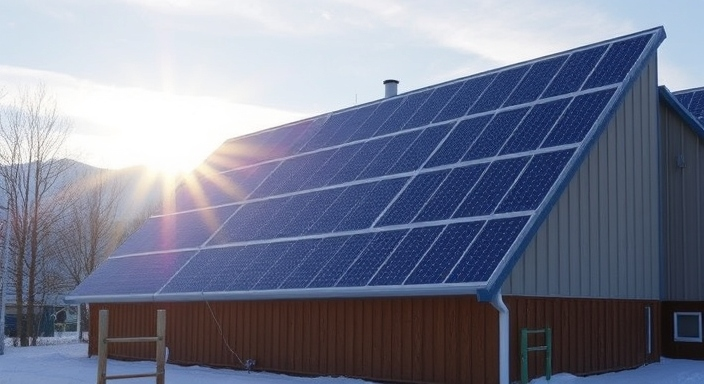
In some of the coldest areas of the U.S., solar panels are downright fine even when the mercury plummets. Consider Massachusetts and New York, for example. Even with their snowy winters, these states have some of the top solar installations.
Today’s solar panels are snow- and ice-resistant. They perform great in extreme winter conditions. If they’re not just getting by, they’re thriving. But even in Alaska, solar panels pitch in to meet energy demands. It’s proof positive that cold climes are no barrier, not with the right setup.
Innovative Solutions for Snowy Climates
In snowy places, ingenuity is in demand to keep solar power producing. The albedo effect is another neat trick. “The angle of 66 degrees optimizes the placement of solar panels, as the sun’s rays are perpendicular to it and reflected by snow towards all sides,” says Rashid.
Some are engineered with steeper angles to let snow slide off more effectively. Others feature heating elements or special coatings to help keep snow at bay. These modifications allow the solar panels to make power even when everything else is buried under snow.
Lessons Learned from Extreme Weather Conditions
We’ve learned a great deal about solar resilience from extreme weather events. In snowy places, the panels are generally laid at steeper angles in winter, so the snow slides off. This minimizes downtime. (Learn more about what you should know before investing in solar, especially if you live where storms are a constant threat.)
In storm-prone regions, it is increasingly common for people to combine solar panels with battery systems. This arrangement preserves power during outages and capitalizes on sunny winter days. It’s evident that with some strategic planning, solar panels may be a more reliable energy source all year long.
Solar panels work no matter what time of year it is. With the proper technology and a bit of ingenuity, they are an intermittent source of clean energy. That’s even in bad weather.
Addressing Common Myths About Winter Solar
Debunking the ‘Solar Doesn’t Work in Winter’ myth
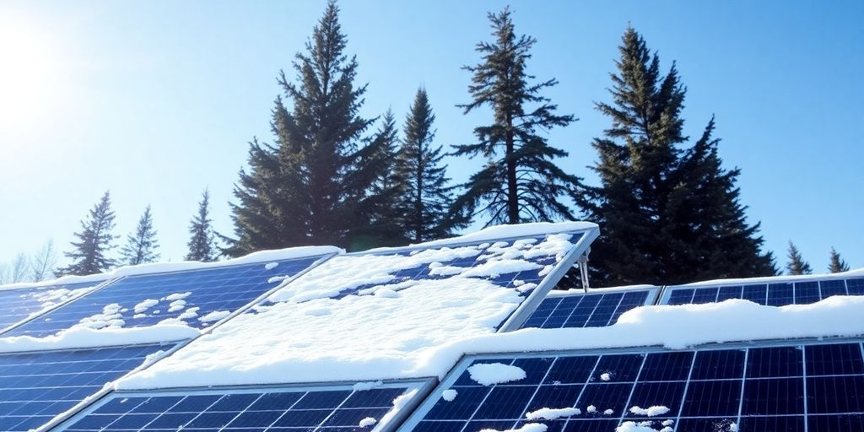
You may have heard people say that solar panels don’t produce much in winter. Well, that’s not quite right. Solar panels work better when it is colder. They function well because the photovoltaic cells “really don’t enjoy it when they get too hot.
So, even though the days are shorter and there’s less sun, the panels can still do a good job. In parts of New England, the solar panels just keep on chugging, despite all that snow.
Understanding Efficiency vs. Output
The key thing to note here is the difference between efficiency and output. Efficiency refers to how effectively the panels convert sunlight into electricity. On the other hand, in winter, panels could work better thanks to the cold. But with a reduction of sunlight, their output may still decrease. Think of it as a car that gets good mileage but doesn’t travel as far because the gas tank is smaller.
Clarifying Misconceptions About Snow and Ice
Snow and ice can be problematic, but not nearly as much as you’d imagine. Snow can help. It bounces more sunlight onto the panels. It’s thanks to the “albedo effect.” But the panels won’t produce power if they are covered in snow, and many simply shut down until it melts or slides off. Here’s a brief list to illustrate how snow impacts solar panels:
- Reflected light: Snow can reflect sunshine onto the panels, actually increasing energy output.
- Weight and harm: Heavy snow can create risks if it presses down on the panels.
- Snow shedding: Because the panels are typically tilted, snow naturally slides off.
Ultimately, solar panels can still be a good investment in the winter. They may not peak in productivity, but they certainly don’t sputter to a stop. Whether you’re in sunny California or snowy Maine, solar panels can provide a dependable source of energy throughout the year.
Conclusion
So, do solar panels work in winter? Absolutely! Shorter days and snow can reduce sunlight on your panels. But the cold weather helps them run more efficiently. Snow can even boost performance by reflecting extra sunlight onto the panels.
Sure, you might see a dip in energy production, but it’s not as big as you might think. Plus, the energy you save in the sunnier months can help balance things out. So, if you’re considering solar, don’t let winter scare you off. It’s a solid investment all year round.
Frequently Asked Questions
Can solar panels work in winter?
Yes, it is possible for solar panels to work effectively in winter. They work better in cold climate. Fewer daylight hours, and occasionally snow on the panels.
How do solar panels perform when they are covered with snow?
If snow covers solar panels, they can’t make electricity. But snow usually slides off easily. The panels are tilted and absorb sunlight, which helps melt the snow.
Should I clear the snow off my solar panels?
It’s not recommended to clear snow off your solar panels. Doing so might damage them, and they are often in hard-to-reach places. Snow usually melts or slides off on its own.
Why are solar panels more efficient in cold weather?
Solar panels work better in cold weather. They convert sunlight to electricity more efficiently when it’s cooler. They don’t need heat, just light, to generate power.
Do solar panels produce less energy in winter?
Yes, solar panels make less energy in winter because the days are shorter and the sun is lower in the sky. However, the yearly production loss is small, so they are still a good investment.
Can solar panels save money during the winter months?
In winter, sunlight is less . But solar panels can save money by cutting electricity bills. Over the long term, they are a smart investment, even in places with cold winters.