I’ve been looking into the latest in solar technology, and one thing that keeps popping up is bifacial solar panels. They sound pretty neat, promising more power from the same space. But, as with most upgrades, they usually cost more upfront.
So, I decided to dig into the Bifacial Solar Panels Cost in 2026 to see if that extra price tag is actually worth it for homeowners and businesses.
Key Takeaways
- Bifacial solar panels capture sunlight from both sides, potentially increasing energy output by 5-30% compared to traditional panels.
- The average cost for bifacial panels is higher, ranging from $0.50 to $0.70 per watt, but this premium may decrease as manufacturing scales.
- The actual energy gains from bifacial panels are highly dependent on installation factors like mounting height, roof color, and surrounding reflective surfaces.
- For residential use, bifacial panels are most beneficial in specific scenarios, such as limited roof space or installations over highly reflective surfaces like white roofs or carports.
- While bifacial panels offer durability advantages with their dual-glass construction, homeowners should carefully weigh the increased upfront cost against the potential long-term energy savings to determine if they are the right choice.
Understanding Bifacial Solar Panels
How Bifacial Panels Work
So I have been researching bifacial solar panels, and it turns out they are very cool. Unlike standard systems explained in the basics of solar panels, these can actually capture sunlight from both sides.
But the secret is in the back. It snags light that reflects off surfaces under it, such as the roof of your house, the ground, or even snow. This additional light capture can be really significant in terms of how much energy they produce, often up to 30% more than standard panels. It’s a smart way to stretch your prep dollar.
This additional light capture can significantly increase production, sometimes up to 30% more than standard panels. That extra performance becomes clearer once you understand what solar energy is and how it works.
Key Differences from Traditional Panels
I mean, when I’m thinking about them in comparison to old-school solar panels, for me the big thing is that dual-sided capability. Conventional panels are made with an opaque backsheet, which essentially means they utilize only the light arriving at their front. Bifacial panels, on the other hand, typically include a transparent backsheet or are glass-on-glass. This allows light to reach the cells on the back.
Bifacial panels often use transparent backing or glass-on-glass construction, allowing light to reach rear cells. If you’re comparing technologies like monocrystalline solar panels or exploring polycrystalline vs monocrystalline, bifacial adds another layer of performance consideration.
Here’s a quick rundown:
- Front-Side Capture: Both types capture direct sunlight from the front.
- Back-Side Capture: Only bifacial panels capture reflected and diffused light from the rear.
- Construction: Traditional panels have a solid backsheet; bifacial panels often use glass or transparent materials on the back.
- Energy Yield: Bifacial panels generally offer a higher energy yield, especially in the right conditions.
And because bifacial panels can absorb light from both sides, or in diffuse conditions, continue to function well during lower quality periods, such as when it is cloudy, or there is some snow cover. That’s a key selling point for the efficiency improvements.
This discrepancy is also why the roi of bifacial solar panels appears so attractive, particularly in comparison to the increased financial savings one could enjoy over time thanks to higher energy production capabilities from the use of an improved bezelless dual-sided solar technology. Not just the panel itself that is important, but how it’s interacting with its environment is what makes a maximum roi bifacial solar installs.
Bifacial Solar Panel Cost Breakdown for 2026
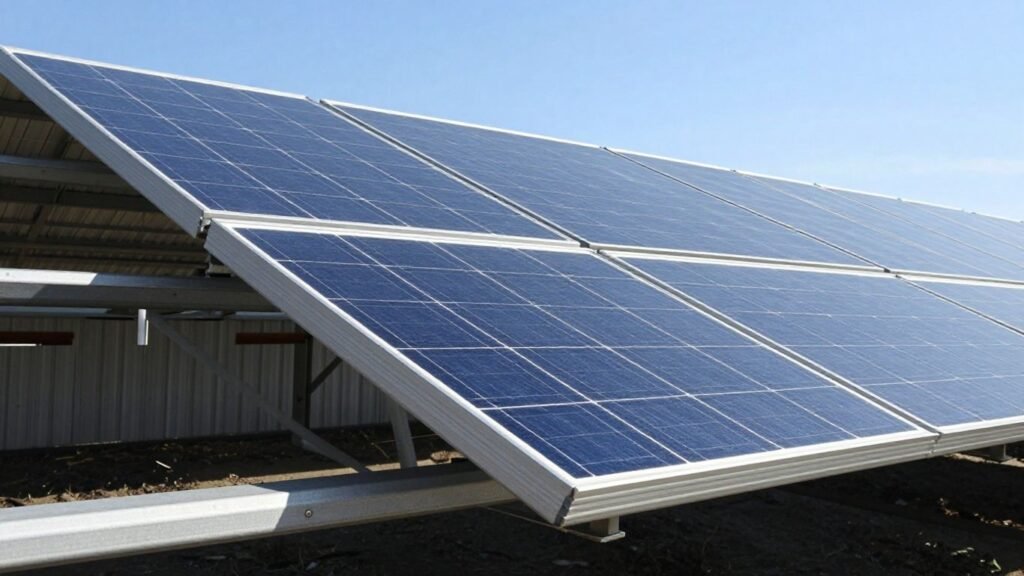
Before jumping into bifacial, I always compare them to standard pricing using solar panel cost by state and overall averages from solar panel cost.
Manufacturing and Material Costs
In 2026, the price gap between bifacial and monofacial modules is shrinking, but there’s still a premium.
- Bifacial solar panels typically use extra glass or advanced transparent materials, which bump up costs compared to monofacial options.
- The rear-side cells and specialized encapsulation add about $0.05–$0.10 per watt versus a basic front-only panel.
- Future bifacial solar prices are expected to fall as automation and scale improve, but they won’t completely match monofacial modules…at least not yet.
| Panel Type | Average Module Price (Per Watt) | Typical System Price (6kW) |
|---|---|---|
| Monofacial | $0.25 – $0.30 | $9,000 – $10,000 |
| Bifacial (Rooftop) | $0.30 – $0.40 | $10,200 – $11,800 |
| Bifacial (Carport) | $0.32 – $0.45 | $12,000 – $13,400 |
Installation and Labor Considerations
Installing bifacial panels does not work exactly the same way as installing standard ones. Here’s what I’ve seen:
- The numbers are mounting. Bifacial panels work best on structures, such as carports or white flat roofs, that typically cost more to build or retrofit.
- Installers may pass on a slight premium due to the extra handling and care in placement. (The back side is important to performance.)
- (Balance of system costs, racking for mounting panels, wiring, labor, can add 5–10% to a basic rooftop job.)
In some cases, pairing bifacial systems with structures like solar carports maximizes rear-side gain.
Projected Price Trends for 2026
- Most analysts (and I) expect prices to fall slowly but certainly, say maybe 5–8% more versus in 2025 compared to the above due to better future cost of bifacial solar technology.
- Large and mid-sized systems (think carports, schools, and commercial roofs) create gentle downward pressure on manufacturing prices because the demand is so immense.
- But for a home install? Anticipate a 10–20% premium for bifacial over monofacial solar cost, though the spread is as thin as it’s ever been.
For homeowners, the cost comparison between bifacial vs standard panels in 2026 starts to make sense primarily on sites where there is a true production edge, such as white roofs or carports come to mind. There are other metrics than raw price per watt, of course (energy yield over time and incentives still tell some of the ROI story).
I always compare those upfront costs to the extra energy I was promised. Running the numbers is a great way to figure out if the present added expense (bifacial solar) is offset by future gains. It’s a bifacial solar panel ROI 2026. If you’re considering a bifacial vs standard solar panel cost comparison, take a look at your site, your roof and local financial incentives. That’s where the future cost of bifacial solar is really determined.
Factors Influencing Bifacial Solar Panel Prices
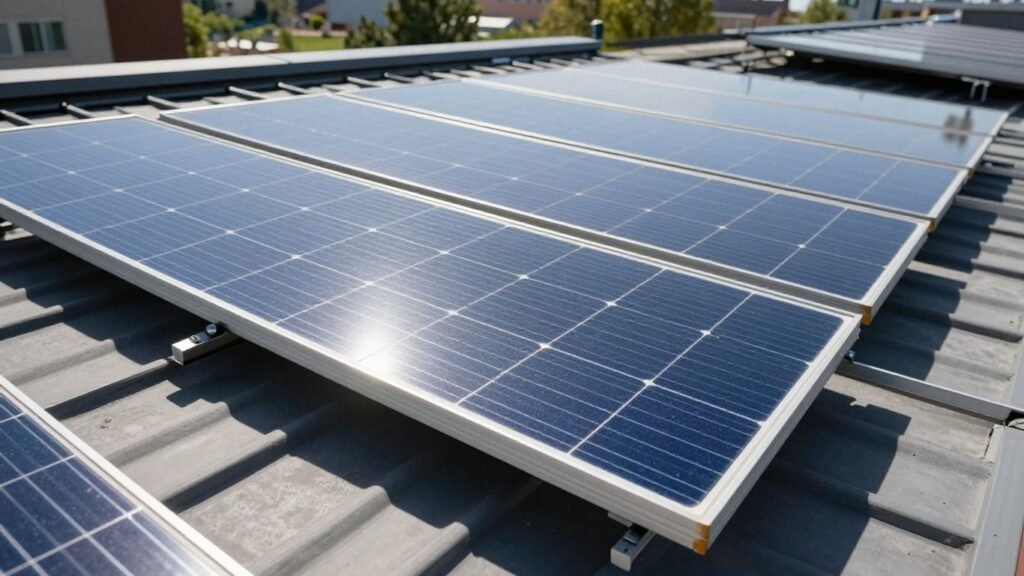
When I began researching bifacial solar panels for my own home, I assumed their price tag would simply come down to better technology. As it happens, way more complicated. There are a few big things that truly send the bifacial solar panel price trends cost upwards or downwards, especially in 2026.
Panel Efficiency and Technology
Efficiency: That’s the big one for me. Bifacial panels catch sunlight from both sides, and are therefore more productive in theory to begin with. But the panel’s actual efficiency varies considerably depending on how fancy the solar cells are and what materials they’re made of. Here’s what I discovered is most important:
- Cell Technology: Bifacial cells. There are newer, even more efficient bifacial cells that fetch a premium. These can increase output by 5-30% over base products.
- Rear-Side Gain If you can direct a ton of reflected sunlight onto the back of your panels, you’ll get bigger results, and pay higher panel pricing.
- Production Setting: Well-designed layouts in large solar farms capture vastly more energy than panels jammed close to a dark roof. And that potential gets translated into cost estimates.
| Factor | Impact on Price | Impact on Output |
|---|---|---|
| High-Efficiency Cells | High | High |
| Advanced Glass / Transparent Back | Medium | Medium |
| Rear-Side Reflectivity | Medium–High | High |
It’s important to remember that the best efficiency on paper doesn’t always mean the best solar value for my roof, installation setting is everything.
Brand and Manufacturer Reputation
This one surprised me, too. The larger brands, those that come with a long warranty and good support, are more expensive. But when it comes to the costs of a bifacial solar panel, the adage “you get what you pay for” often applies:
- Good systems also come with warranties of 25 to 30 years and established customer service from well-known, proven brands.
- Small or new manufacturers may sell for less, but there’s more at risk in reliability and being able to get help if things go sideways.
- Reputation is not only a matter of price, but also of consistent output, lower maintenance costs, and peace of mind.
Companies with a good track record are more likely to sell other products that work as advertised, which feeds right back into the equation of how satisfied I’ll be in a decade or two. The notion of looking at trusted makers with good warranties and solid efficiency ratings is what I’d do, even if there’s an additional upfront cost for going with them.
Summary: What Really Affects Bifacial Cost
- Real-world panel efficiency, and whether or not it’s two-sided beneficial.
- Materials and other tech inside the modules
- Brand name I go with, for rep and support
- Bigger installs get more price-sensitive; home projects also have to consider that they don’t possess the same type of roof
The sum of all these parts makes for a complex set of bifacial solar panel price trends, and it doesn’t just boil down to the cost on the sticker, performance, reliability, and where I actually plan to put them matter.
Are Bifacial Solar Panels Worth the Extra Price?
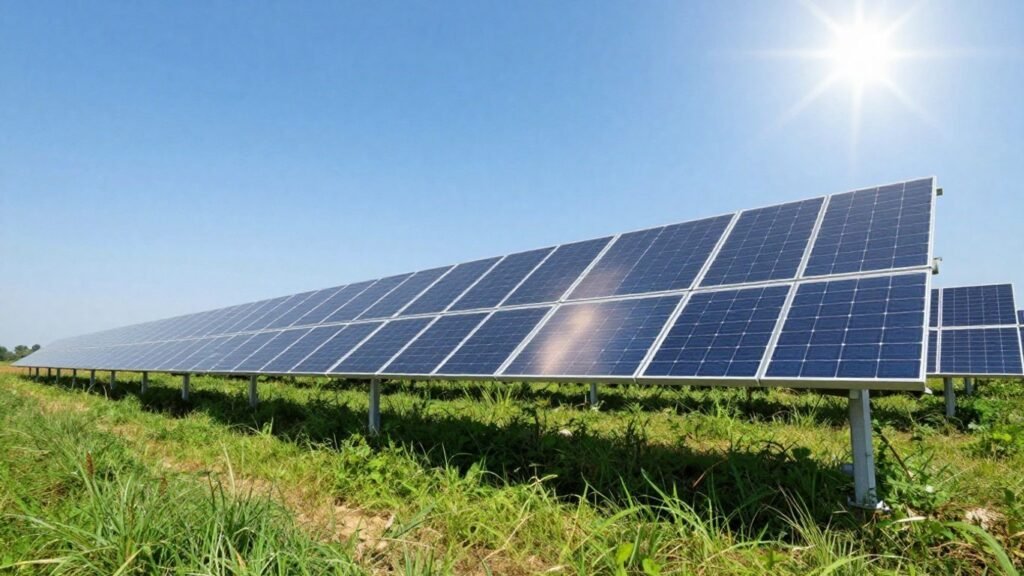
When I see bifacial solar panels, the question that comes first to my mind is whether or not that higher cost truly ends up paying for itself in the long run. It ultimately comes down to how much extra power these panels can bring in over more traditional options. Because they can soak up sunlight from both their front and back sides, bifacial panels can generate 5% to 30% more electricity than traditional ones. That extra output can add up, particularly in areas where electricity rates are high, or space is constrained and every bit of energy matters.
Here’s a quick rundown to help make sense of the trade-off:
| Criteria | Bifacial Panels | Traditional Panels |
| Cost per watt (2026) | $0.50 – $0.70 | ~$0.35 – $0.55 |
| Potential additional output | Up to 30% more | Baseline |
| Typical payback period | 5 – 10 years | 4 – 8 years |
| Durability | Higher; glass-on-glass | Standard |
A few things I always weigh before deciding if bifacial is worth it:
- Site is important: Reflective surfaces like white gravel, sand, or even snow can help their performance.
- Installation could be more awkward and will cost more in some areas and for some roof shapes.
- You’re shelling out more money in the beginning, but over time you may recoup your initial investment by enjoying a higher yield.
The semitransparent panels, which absorb light through both sides, hence the name “bifacial”,make a lot of sense if you’ve got the space and light they need, and then you plan to be planted in one spot for five or 10 years. For most commercial spaces, or homes, really, with sunny, open yards, I feel the investment is worth making and enduring. The real plus, however, is their high performance (higher conversion efficiency up to 30%) – that’s a feat that would be difficult to replicate with traditional panels.
Bifacial panels also tend to last longer due to dual-glass construction, which ties into how long do solar panels last.
Maximizing Your Investment in Bifacial Solar
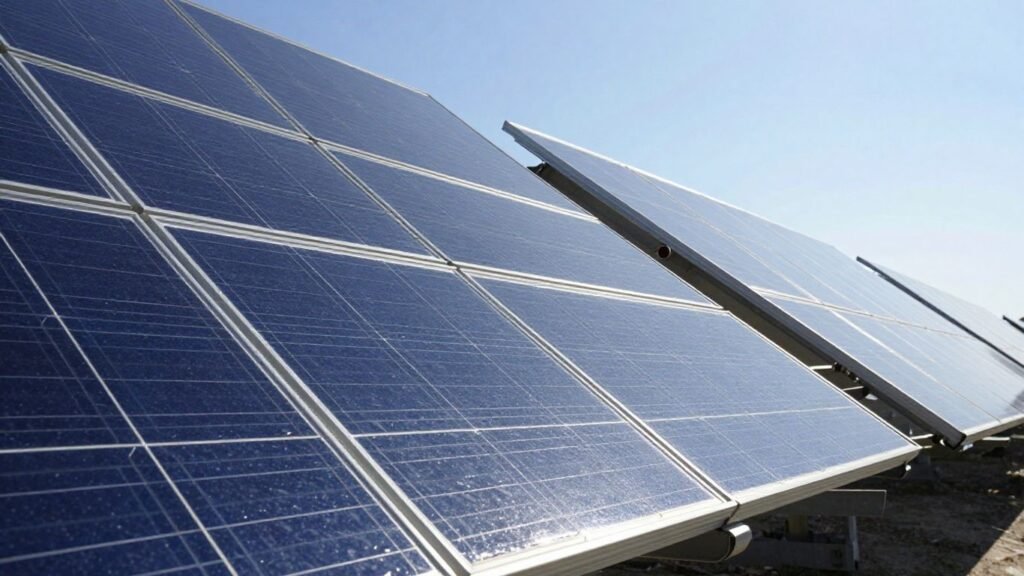
So, you’re making the move to bifacial solar panels – good decision! Now, how do I ensure I get the very best out of this investment in bifacial solar energy? It’s not just a matter of slapping them on the roof and leaving.”
First, consider what lies beneath those panels. If you have a dark roof or ground cover, you’re losing out on a big piece of potential energy. Even on rooftops, lighter-colored materials can yield surprising gains. If you are conducting a ground mount, perhaps gravel or even specialized reflective sheeting.” It’s just about bouncing back up that extra light to the back of the panel. You want to maximize that rear-side gain.
Here are a few things I’m keeping in mind:
- Mounting Height and Angle: Do not be too close to the wall. Leaving a few inches, or even a foot or more if your sculpture will be ground-mounted, allows more light to hit the back of your piece and can assist with shedding snow in winter. The angle also counts when capturing direct sunlight but with bifacial, there’s a little more room for error.
- Obstructions: Look for anything that could create a shadow on the back of the panels. This can be stuff like vents, chimneys, or even the racking system if it’s not carefully installed. On occasion, a slightly different racking arrangement will make all the difference.
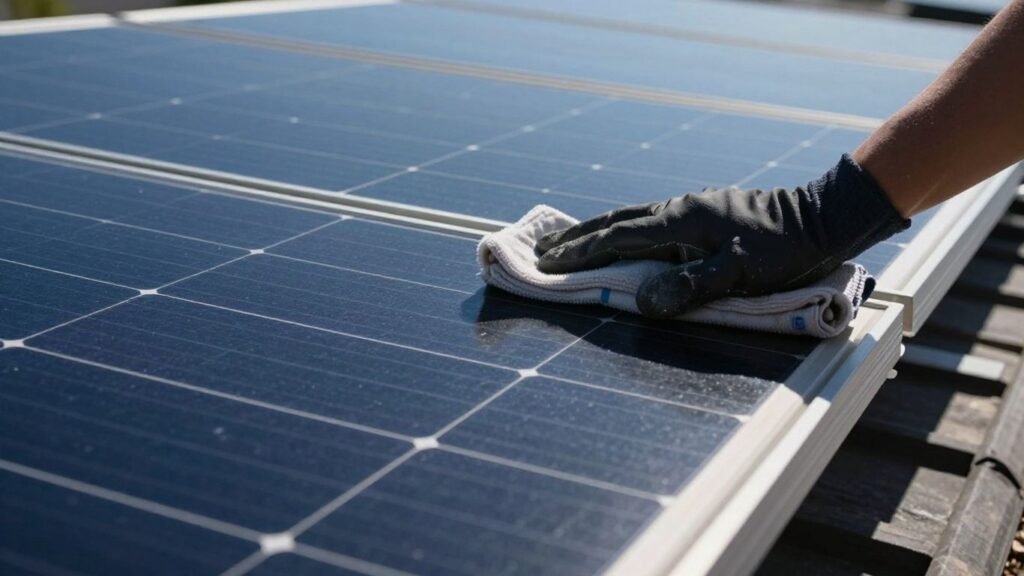
- Cleaning: Like all solar panels, keeping them clean is crucial. Output will be affected by dirt and grime on the front, but don’t forget the back! If you have a heavy layer of dust or pollen, a gentle rinse may be beneficial.
When I see the economic value of bifacial solar, it’s easy to see that upfront cost is just one part of the equation. The real win is in the extra energy produced over the life of that system. It is optimizing on all factors to see that the higher initial investment in bifacial solar panels gets a great return.
For those of us envisioning a solar-powered house, it’s a little more complicated than a single ginormous field of solar panels. But I feel pretty well-equipped to do better by focusing on these details and making sure a major bifacial solar panel investment is a strong one for many years to come.
So, Are Bifacial Panels Worth It in 2026?
After examining all this, I learned that whether bifacial solar panels are a good bet isn’t exactly a yes or no. I’d love them if I had a big yard, in particular a light-colored or flat roof and/or carport.” The excess energy it can generate, anywhere from a little bit to significantly more, might actually be worth that higher upfront cost over time. But for a standard, dark-colored pitched roof, I’m not sure.
The gains on both fronts may not be enough to justify the added cost over adding a few more regular panels. It really depends on your individual circumstances, your roof, how much you’re willing to spend, and what’s around the house. I would certainly want to run the numbers for my own home before I made a final decision.
Frequently Asked Questions
How much more energy can bifacial solar panels produce compared to regular ones?
I’ve found that bifacial panels can generate quite a bit more power, sometimes between 5% and 30% more than regular panels. This happens because they can catch sunlight from both their front and back sides, using light that bounces off surfaces below them.
Are bifacial solar panels more expensive than traditional ones?
Yes, I’ve seen that bifacial panels usually cost a little more upfront. The price difference can be around 10-20% more per panel. However, the extra energy they produce might make up for this extra cost over time.
When do bifacial solar panels make the most sense for me to use?
I think bifacial panels are a great idea if I have a lot of space, especially if the ground underneath them is bright and reflective, like snow or a light-colored roof. They also work well on carports or elevated structures where there’s plenty of room for light to bounce around.
Can I install bifacial solar panels on my house roof?
You definitely can put bifacial panels on your roof! But, I’ve learned that the extra energy you get might be less if your roof is dark or if the panels are mounted very close to it. Using a light-colored roof coating can really help boost their performance.
How do I make sure my bifacial solar panels work their best?
To get the most out of them, I need to make sure nothing is blocking the back of the panels. It’s also good to leave some space between them and the ground, and use light-colored materials underneath if possible. This helps capture as much light as I can.
Are bifacial panels more durable than regular solar panels?
I’ve noticed that many bifacial panels are built with two layers of glass instead of a plastic backsheet. This double-glass design makes them tougher and more resistant to weather and damage, which often means they come with longer warranties.