A Complete Guide On How to Clean Solar Panels
Maintaining solar panel efficiency ensures a consistent energy supply for your home. However, these systems can be affected by a build-up of snow, dust, and other debris. Frequent cleaning should be a key part of any solar panel maintenance routine. Whether you’re the owner of a solar panel system or are considering making the investment, we’ll explain how solar panel cleaning works. Read on to discover how to maintain a reliable renewable energy system. Why is Solar Panel Cleaning Necessary? How do solar powered systems work for your home? PV cells capture the sunlight and generate direct current (DC) electricity. The DC is then turned into a 230V alternating current (AC)and exported to your home. Blocked-panel PV cells, though, can’t soak up this sunlight and will deliver less power. Common blockages include: By sweeping this debris aside, solar panels keep working up to their highest potential. Avoiding staining or corrosion increases the lifespan of the solar system with regular cleaning. This also makes the solar panel warranty enforceable. When Should I Clean Solar Panels? Most solar panels start to accumulate filth and grime after 6 months. But a number of things can influence how often you should clean your home. For optimal solar panel cleaning, here are a few environmental factors to consider: Geographic Location The wettest states in the US are Louisiana, Mississippi, Alabama and Florida. Rain naturally cleans solar panels. By comparison, those who live in drier states may find themselves having to clean their solar panels more frequently of dust and debris. Location of the Panels Solar panels are installed on the rooftops/carports/canopies without any blocking of sunlight. But if you have a yard that is adjacent or nearby your home, leaves and pollen, as well as twigs from trees and other vegetation, can start to accumulate on top of them. And for residents near construction or industrial sites, the rain may not be sufficient to wash dust away. Lowpitch roofs take frequent cleaning as well. How to Clean Solar Panels Our Schedule of Solar Panel Cleaning is user-friendly. But there are a few safety points you’ll want to keep in mind as you get started. Hari recommends a sturdy ladder to anybody with a rooftop system. Make sure you have someone on the ground holding it in place as well. The easiest way to do this is to wear rubber-soled, non-slip shoes, which will help you to grip, as well as important safety equipment such as a harness. Make sure to consult the manufacturer’s instructions before cleaning solar panels: Not all brands are created equal and some need a bit more care than others. (If you’re unsure about safely performing the following manual cleaning, invest in professional cleanup services.): 1. Collect All Tools and Cleaning Materials Before you begin to climb onto your roof, make sure all of the materials and tools that you will use for solar panel cleaning are nearby. This should include: The ladder is anchored and held firmly at the bottom, making sure that it’s nice and close to the roof, and also checking to make sure the rungs are not wet or slick. 2. Get Rid of Loose Debris Turn the solar panels off to roof height before climb. Afterward, spray the panels with the garden hose with a sprayer attachment to remove dirt, dust, or leaves. Avoid hot or high-pressure water, as it can crack solar panels. 3. Use a Cleaning Solution Combine eight parts water, one part vinegar, and a bit of non-abrasive soap. Or you can use a mild store-bought window cleaner. Do not use harsh cleaning products or abrasive scouring pads. Those corrosive chemicals can also be lethal to wildlife in the area. Use the handheld sprayer to clean your solar panels, starting with just one small section of a panel—apply product at a thin layer. This gives the solution a few minutes to break down any grime, without letting it dry. Then clean this one up with a soft brush or extension pole and squeegee if you’re a little short to reach there. Repeat this process to wash solar panels throughout the array. 4. Rinse the Solar Panels Finally, rinse off the solar panels using the garden hose. Use the squeegee to remove any excess water. Wipe additional water droplets with a using a lint-free, soft cloth to prevent scratches. Once dry, you can then turn the solar panels back on. Switch to Solar Power Today with Living With Solar Whether you’re interested in installing solar panels or are hoping to boost the efficiency of your existing system, trust Living With Solar to make the transition to efficient solar energy simple. At Living With Solar, we’re committed to helping you maximize your lifetime savings, providing better control over your monthly budgets, and increasing equity in your home with reliable residential solar panel installation. Our experts can connect you with leading solar installation companies, helping you to navigate the decision quickly and with ease. Call us or contact the team online for more information on solar panel maintenance and installation.
Types of solar panels: Explained
So, I’ve been doing some research on solar panels as of late, and man, it’s a lot to take in! There is more to it than slapping some panels on your roof and calling it a day. There are different kinds, and the right options can make a big difference for your home and your wallet. I am, why not share what I’ve learned? This article is all about breaking down the various kinds of solar panels so that you can better figure out which might be right for you. Let’s get into it! Key Takeaways What are Solar Panels O.K., so what is a solar panel, then? When I first began to research this, I remember coming across a picture of it and being really confused. In a nutshell, solar panels are one of the most straightforward technologies for turning sunlight into electricity. You would probably just call them solar panels. Think of them as a chance to acquire on the home front moisture that the free sun can turn into something beneficial. They contain many solar cells, which are those things that use materials to convert sunlight into electric current. When you stop and consider, it’s really cool. You can even mix and match solar with other energy sources in what’s called a hybrid solar system. Check out the basics of solar panels and how they generate electricity. How do Solar Panels work All right, so I bet you’re wondering: How do solar panels do what they do? It’s not magic, although it sort of feels like it when you watch your electric bill decrease. It’s all about something called the photovoltaic effect. The solar panel itself consists of several photovoltaic (PV) cells. Those cells are tiny silicon sandwiches, and when sunlight hits them, it knocks electrons loose. The electrons zip through an electric circuit, creating electricity. This electricity begins in the form of direct current (DC), like that produced by a battery. But the vast majority of homes are wired with AC. So you also need an inverter to convert the DC electricity that solar panels generate into the alternating current that powers lights, appliances, and everything else. Any electricity you have left over can even be given back to the grid, and sometimes you get paid for it! It’s a neat system, and solar energy can save the planet. Learn how to maximize your solar system’s output in how to maximize the efficiency of your home’s solar system. Types of Solar Panels Explained All right, so let’s look at the different types of solar panels. There’s not just one-size-fits-all; actually, there are a few different types of solar panel technology, each with its pros and cons. I’ll deconstruct the most prominent ones so you have a sense of what’s what. For an in-depth comparison, check out solar thermal vs. solar PV. Monocrystalline Solar Panels It is the most commonly perceived heavyweight maker as it should be. Monocrystalline: One pure crystal of silicon makes up monocrystalline panels. This means they will have a consistent appearance, usually a deep black. Due to its single-crystal structure, silicon tends to be better at converting sunlight to electricity. So you can ultimately get a lot of power from a small amount of space, which is useful if you’ve got a tiny roof! The downside? They are usually more expensive than other varieties. Polycrystalline Solar Panels Polycrystalline panels are formed by melting together multiple fragments of silicon. This is a less expensive manufacturing process, so these panels are also less expensive. You can usually identify them because they appear slightly blue and speckled. Solar Panel Choices: Unsure which solar panels are right for your home? Explore our detailed guide on polycrystalline vs. monocrystalline solar panels to compare efficiency, cost, and performance. Though less efficient than monocrystalline panels, that lower efficiency is less of a big deal because of their cost difference, making polycrystalline an increasingly attractive option for many homeowners. You’re trying to balance cost versus efficiency and deciding between monocrystalline and polycrystalline solar panels. Thin-Film Solar Panels Thin-film panels are another animal. They do not involve silicon wafers but various materials (such as amorphous silicon, cadmium telluride, and copper indium gallium selenide) that are sprayed or poured onto a surface. Picture printing solar cells on a flexible material. They are far lighter and more flexible than silicon panels, and can even be made semi-transparent. One downside to this type of thin-film solar cell is that they tend to be less efficient and break down more quickly than crystalline silicon panels, but they can also be less expensive to produce and are capable of being used in applications where flexibility or low weight is a concern. They are also more tolerant of heat. When it comes to comparing solar panel materials, thin-film solar has a different list of pros and cons. Curious about how panel materials affect your home? Learn more about is your home suitable for solar panels? Key Factor to Consider While Going Green So you’re thinking about going green — and let’s face it: who isn’t — by adding solar panels to your home? That’s awesome! But before you rush into it, there are a few things I think you should think about. Although yes, the planet thing too!), It’s also a matter of making a smart investment for your home and your wallet. Number one, you should consider how much energy you need. How much energy do you use? Look at your past bills to get a sense of what you can use. This will help you determine what size system is right for you. Don’t take a chance – order the right size! Too little, and you won’t save very much. Too much, and you’re blowing good money on gear you don’t need. Check out how to calculate your home’s solar energy needs for help with the math. Next, consider the environmental perks. Solar panels are seriously good, but the manufacturing has an impact. Seek companies that are candid about their sustainability efforts. Also, consider the life span of the panels
Solar Thermal vs Solar PV: What’s the Real Difference?
As the world shifts towards renewable energy, solar power stands out as a leading option. Among the various solar technologies, solar thermal and solar photovoltaic (PV) systems are two prominent choices. While they both harness energy from the sun, they operate differently and serve different purposes. This article breaks down the differences between solar thermal and solar PV to help you decide which might be the best fit for your needs. Key Takeaways Introduction to Solar Energy Technologies I’ve been following the solar energy scene for a while now, and it’s amazing how much things have changed. We’re not just talking about those old-school solar panels anymore. There are so many different ways to grab energy from the sun, and it’s becoming a bigger part of our lives. Solar energy is radiant energy emitted by the sun. Think about it: from heating our homes to powering entire cities, the sun’s energy is becoming more accessible and affordable. It’s a really exciting time to see how these technologies are evolving and how they’re helping us move towards a more sustainable future. I’m going to break down two of the main ways we use solar energy: solar thermal and solar photovoltaic (PV). Both are cool, but they work in totally different ways. Understanding the basics is key if you’re thinking about concerns about climate change or just want to know more about where our energy comes from. Solar energy is becoming more and more important as we look for ways to reduce our dependence on fossil fuels. It’s not just about being green; it’s also about creating a more secure and stable energy supply for the future. Here’s a quick rundown of why solar energy is such a big deal: And here’s a little table to show how much solar capacity has grown over the years: Year Solar Capacity (GW) 2010 15 2020 714 2024 >1,000 It’s pretty clear that solar is here to stay, and I’m excited to solar PV and solar thermal technologies in more detail. What is Solar Thermal Energy? Solar thermal energy is all about using the sun’s energy to create heat. Instead of making electricity directly, like solar PV, it heats up a fluid that we can then use for various purposes. It’s a pretty neat way to harness the sun’s power, and it’s been around for a while. I think it’s a technology that’s often overlooked, but it has some serious potential. How Solar Thermal Systems Work So, how does this whole solar thermal thing actually work? Well, it starts with collectors. These collectors are designed to absorb sunlight and transfer that energy into a fluid, usually water or a special heat-transfer fluid. The heated fluid can then be used directly for things like heating water or air, or it can be stored for later use. There are different types of collectors, each suited for different temperature ranges and applications. For example, molten salt thermal energy storage can be used to store heat for later use. Applications of Solar Thermal Energy Solar thermal energy has a bunch of different uses, which is pretty cool. Here are a few examples: Solar thermal systems are an efficient and environmentally friendly method for residential or commercial heating. They reduce the user’s dependency on fossil fuels and lower greenhouse gas emissions. What is Solar Photovoltaic (PV) Energy? Okay, so let’s talk about solar photovoltaic (PV) energy. I think it’s pretty cool how we can grab sunlight and turn it directly into electricity. It’s not magic, but it sure feels like it sometimes. Basically, solar PV is a system that uses solar panels to convert sunlight into electricity. These panels are made up of photovoltaic cells, which are also called solar cells. These cells use something called the photovoltaic effect to turn light into electricity. How Solar PV Systems Work So, how does this whole thing work? Well, photovoltaic panels are made of semiconductor materials, usually silicon. When sunlight hits the panel, the semiconductor absorbs energy from the photons in the light. This energy knocks electrons loose from their atoms, creating a flow of electrons. This flow is what we call an electric current. The current is direct current (DC), so we use an inverter to change it into alternating current (AC), which is what most of our appliances use. It’s a pretty neat process, if you ask me. Solar PV systems are pretty straightforward. Sunlight hits the panel, electrons get excited, and electricity is produced. The inverter then makes sure that electricity is usable in your home. It’s a clean and efficient way to generate power. Applications of Solar PV Energy Solar PV energy has a ton of uses. Here are a few: Key Differences Between Solar Thermal and Solar PV Efficiency Comparison When it comes to efficiency, solar PV and solar thermal operate in different ways, making a direct comparison a bit tricky. Solar PV’s efficiency is measured by how well it converts sunlight directly into electricity, and this is improving all the time. Solar thermal, on the other hand, focuses on capturing heat, and its efficiency depends on how well it can transfer that heat for use. I’ve found that PV systems are generally more versatile because electricity can be used for almost anything, while thermal systems are more specialized for heating applications. It’s worth noting that solar thermal systems can be less efficient in winter due to weaker sunlight. Cost Analysis of Solar Thermal vs Solar PV Cost is a big factor for most people considering solar energy. Here’s a quick rundown: From my research, I’ve learned that the cost-effectiveness of each system depends heavily on the specific application and location. For example, if you primarily need hot water, a well-designed solar thermal system might be more cost-effective. However, if you need electricity, PV is the clear winner. Ultimately, it’s about what you need the energy for. Environmental Impact of Solar Technologies It’s easy to think of solar energy as purely green, but like any technology,
What is Solar Energy and How Does it Works
Solar energy is a powerful and renewable resource that harnesses sunlight to generate electricity and heat. This energy source is becoming increasingly popular as people look for cleaner alternatives to fossil fuels. In this article, we’ll break down what solar energy is, its history, how it works, and the different types of solar energy systems available today. We’ll also explore the benefits of going solar and what the future holds for this sustainable energy source. Key Takeaways What Is Solar Energy? So, what exactly is solar energy? Well, in simple terms, it’s energy that comes from the sun. This energy is harnessed in a few different ways to provide heat, electricity, and even power for cooking. It’s a pretty big deal because it’s a renewable resource, meaning we’re not going to run out of it anytime soon (like, for another five billion years or so). Solar energy can be used in a variety of ways. For example: Solar energy is a clean and sustainable alternative to fossil fuels. It reduces our reliance on non-renewable resources and helps to lower our carbon footprint. Plus, it’s becoming more affordable and accessible all the time, making it a viable option for more and more people. There are two main types of solar energy technologies: Solar energy is practical in areas with high amounts of sunlight and low cloud cover. Homes and businesses that install solar panels can even produce excess electricity and sell it back to the power grid, which can reduce or even eliminate power bills. When Was Solar Power Discovered? It’s interesting to think about how long we’ve known about solar power. It wasn’t some recent invention; the basic science goes way back. The story starts with some pretty cool discoveries that laid the groundwork for everything we use today. The real breakthrough came in 1839 when Alexandre-Edmond Becquerel, a French physicist, discovered the photovoltaic effect. Basically, he found out that you could generate electricity by exposing certain materials to light. He was just 19 years old when he made this discovery! Becquerel’s experiment involved silver-chloride in an acidic solution. When he shined light on it, platinum electrodes attached to the solution generated an electric current. This was the first time someone had observed electricity being produced directly from sunlight, and it’s the foundation of how solar panels work today. It’s amazing to think that a teenager’s experiment from almost two centuries ago is still relevant today. Becquerel’s discovery wasn’t immediately put to practical use, but it opened the door for future scientists and engineers to develop the solar technologies we rely on now. While Becquerel’s discovery was a major step, it took many years for the technology to develop into something useful. It wasn’t until the 20th century that solar cells became efficient enough to be practical. Still, his work is the starting point for understanding how we harness solar energy today. Here’s a quick timeline: Is Solar Energy Renewable? So, is solar energy renewable? Absolutely! Solar energy is considered a renewable energy source because it comes from the sun, which is pretty much an endless supply of energy. Unlike fossil fuels, which take millions of years to form and are finite, the sun will keep shining for billions of years. That’s a long time! Think about it this way: Switching to renewable energy sources like solar is a big step towards a more sustainable future. It means less pollution, less environmental damage, and a more secure energy supply for everyone. One of the coolest things about solar is that it’s clean. Once the solar panels are up and running, they don’t produce greenhouse gases or other pollutants. This is a huge contrast to burning fossil fuels, which release all sorts of nasty stuff into the atmosphere. Plus, homes and businesses that install solar panels can even sell excess electricity back to the electric provider, reducing or even eliminating power bills. How Does Solar Energy Work? Solar energy is captured and converted into usable forms through various methods. These methods generally fall into two categories: active and passive. Active solar technologies use electrical or mechanical devices to convert solar energy, while passive technologies leverage the local climate to heat or cool structures without external devices. How Do Solar Panels Work? Solar panels, also known as photovoltaic (PV) modules, are the most common way to harness solar energy. They’re made up of numerous solar cells, which convert sunlight directly into electricity. Each cell contains a semiconductor material, usually silicon. When sunlight strikes the cell, it knocks electrons loose from the silicon atoms. These electrons are then forced to flow in one direction, creating an electric current. Metal contacts on the top and bottom of the cell collect this current, which can then be used to power electrical devices or sent to the grid. This process is called the photovoltaic effect. How Do Solar Panels Generate Electricity? The process of generating electricity with solar panels involves several key steps: Solar panels are pretty amazing when you think about it. They quietly sit on your roof, soaking up the sun and turning it into electricity with no moving parts. It’s a clean, reliable way to generate power, and it’s becoming more and more affordable all the time. How Does a Solar Panel System Work? A complete solar panel system involves more than just the panels themselves. It includes several other components that work together to convert sunlight into usable electricity. Here’s a breakdown of how a typical system works: What Does a Solar Inverter Do? The solar inverter is a critical component of any solar panel system. Its primary function is to convert the direct current (DC) electricity generated by the solar panels into alternating current (AC) electricity. AC electricity is the standard form of electricity used in most homes and businesses. Without an inverter, the electricity generated by solar panels would not be compatible with most appliances and electrical devices. Inverters also perform other important functions, such as monitoring the system’s
How to Calculate the ROI on Solar Panels for Your Business
When considering the implementation of solar panels for your business, understanding the return on investment is crucial. By evaluating costs, potential savings, and incentives, you can make a well-informed decision. However, the key lies not only in the initial calculations but also in uncovering the broader implications of such an investment. By exploring the long-term benefits and strategic advantages that solar panels can offer, you will be able to grasp the full picture. Stay tuned for a deeper insight into maximizing the ROI potential of solar panels for your business. Key Takeaways 🔋 Discover Energy Independence – Find Out More → Importance of ROI Calculation Calculating the return on investment (ROI) for solar panels is crucial for making informed financial decisions about renewable energy. Understanding the ROI helps you determine the financial benefits and feasibility of investing in solar panels for your home or business. By analyzing the ROI, you can assess how long it will take to recoup your initial investment through energy savings and potential incentives. Knowing the ROI also allows you to compare the financial returns of investing in solar panels versus other forms of renewable energy or traditional energy sources. This comparison helps you prioritize your investment options based on the potential long-term savings and benefits. Moreover, calculating the ROI on solar panels provides insight into the environmental impact of your investment. By determining the amount of clean energy generated and carbon emissions reduced over the system’s lifetime, you can evaluate the sustainability benefits alongside the financial gains. In essence, understanding the ROI of solar panels empowers you to make informed decisions that align with your financial goals, environmental values, and long-term energy needs. Assessing Solar Panel Costs Understanding the financial aspects of solar panel installation involves carefully analyzing the costs associated with the system. When assessing solar panel costs for your business, it’s essential to consider factors such as equipment expenses, installation fees, maintenance costs, and potential incentives or rebates available in your area. To help you better grasp the breakdown of solar panel costs, below is a table outlining the typical expenses involved in a solar panel system installation: Cost Category Description Estimated Cost Range Equipment Solar panels, inverters, mounting hardware, wiring, etc. $10,000 – $30,000 Installation Labor costs for system design, permits, and installation $2,000 – $5,000 Maintenance Regular upkeep, repairs, and monitoring services $100 – $500/year Incentives/Rebates Potential tax credits, rebates, or other financial incentives Varies Total Sum of all costs involved in acquiring and maintaining the system $12,100 – $35,500 Estimating Energy Savings To gauge the potential impact of solar panels on your energy expenses, estimating energy savings is crucial. Start by analyzing your current energy usage and costs. Consider factors like peak electricity rates, average monthly consumption, and any seasonal variations. With this data, you can project how much electricity your solar panels will generate based on your location’s sunlight exposure and system size. Typically, solar panels can offset a significant portion of your electricity bill, especially during peak sun hours. By estimating your energy savings accurately, you can determine the payback period for your solar panel investment. Keep in mind that energy prices tend to fluctuate, so it’s essential to factor in potential future savings as well. Understanding your energy consumption patterns and how solar panels can reduce your reliance on the grid will give you a clearer picture of the financial benefits of investing in solar energy for your business. Understanding Tax Incentives Tax incentives play a crucial role in making solar panel installations more financially attractive for businesses and homeowners. These incentives can significantly reduce the initial investment cost and shorten the payback period for solar projects. One of the most common tax incentives is the Investment Tax Credit (ITC), which allows businesses to deduct a percentage of the solar system’s cost from their federal taxes. Additionally, some states offer their own tax credits or exemptions for solar energy systems. When considering the financial benefits of solar panels, it’s essential to factor in these tax incentives to get a more accurate picture of the return on investment. Here is a simple breakdown of some common tax incentives available for solar installations: Tax Incentive Description Investment Tax Credit (ITC) Allows businesses to deduct a percentage of the solar system’s cost from federal taxes. State Tax Credits Some states offer tax credits or exemptions for solar energy systems. Accelerated Depreciation Businesses can depreciate the value of the solar system over a shorter period for tax purposes. Property Tax Exemptions Certain states provide exemptions on property taxes for solar installations. Factoring in Rebates When considering the financial impact of solar panels, incorporating rebates into your calculations can further enhance the return on investment. Rebates are incentives offered by governments, utility companies, or other organizations to help offset the upfront costs of installing solar panels. These rebates can significantly reduce the initial investment required, making solar energy more affordable for businesses. When factoring in rebates, be sure to research what options are available in your area. Some rebates may be based on the size of your solar system, while others may depend on the type of equipment you choose. Additionally, rebate programs can change over time, so it’s essential to stay informed about the current offerings. By taking advantage of rebates, you can lower the overall cost of your solar panel installation and shorten the payback period. This, in turn, will increase your return on investment and make transitioning to solar power even more financially advantageous for your business. Evaluating Financing Options Considering different financing options is crucial when planning to invest in solar panels. Here are four key options to evaluate: Calculating Payback Period To assess the financial viability of investing in solar panels, you need to calculate the payback period. The payback period represents the time it takes for the savings generated by the solar panels to equal the initial investment cost. To calculate this, divide the total cost of the solar panel system by the annual savings
What Are The Recommended Thermostat Settings For Summer And Winter?
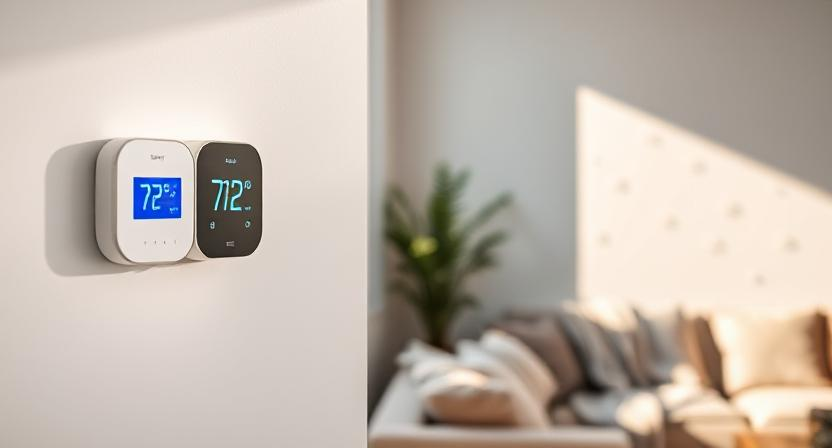
I’ve found that for winter, it’s best to set your thermostat to 68°F while you’re home and lower it to about 63-65°F at night. In summer, aim for 78°F when you’re home, and raise it to around 85°F when you’re away for longer periods. These settings help balance comfort with energy savings. If you’re curious about optimizing your home environment further, there’s plenty more beneficial information to explore. Find out how solar energy can benefit your household.🔗 Learn More Recommended Thermostat Settings for Winter When I think about winter thermostat settings, I recommend keeping it at 68°F while you’re home and awake to strike a balance between comfort and energy savings. This thermostat setting not only keeps you comfortable but also promotes energy efficiency. If you lower the temperature to 63-65°F during sleep, you can save money on heating costs. Each degree you reduce can save you about 3% or more on your expenses. When you’re away for extended periods, setting the thermostat to 55°F can maximize savings. Additionally, reducing the temperature by 7-10°F for 8 hours can lead to up to 10% savings on heating bills annually. These adjustments can make a real difference in your winter energy costs. Recommended Thermostat Settings for Summer To keep your home comfortable and energy-efficient during the summer, I recommend setting your thermostat to 78°F while you’re home. When you’re away for more than four hours, consider raising the thermostat to 85-88°F to save energy and reduce cooling costs. Remember, setting your thermostat colder than 78°F won’t cool your home faster, and it can lead to unnecessary expenses. Maintaining a consistent thermostat setting not only enhances comfort but also prevents strain on your HVAC system, improving overall energy efficiency. Thermostat Setting Purpose 78°F Comfort at home 85-88°F Save energy when away < 78°F Unnecessary expenses Consistent setting Prevent HVAC strain 82°F ideal sleep comfort Ideal Temperature for Sleeping When it comes to getting a good night’s sleep, I’ve found that the temperature in my bedroom plays a huge role. In winter, I aim for around 65°F, while in summer, I adjust to about 78°F to stay comfortable. These small changes not only improve my sleep quality but can also help save on energy costs. Optimal Sleep Temperature Range Finding the right temperature for sleeping can make a significant difference in how well I rest at night. The ideal temperature range is between 60-67°F, which promotes comfort and better sleep quality. Here’s what I’ve learned about best sleep temperatures: Seasonal Sleep Temperature Adjustments Adjusting your sleep environment according to the seasons can make a big difference in your overall comfort and rest. For winter, I aim for an ideal sleep temperature of around 65°F, which really helps with sleep quality. In summer, I raise it to about 78°F to maintain a cool atmosphere without sacrificing energy efficiency. During spring and fall, I stick to the same temperatures—65°F when it’s cool and 78°F when it warms up. By adjusting my thermostat settings before bed, I also enjoy energy savings by reducing HVAC operation during the night. These seasonal adjustments not only enhance my comfort but also support a better night’s sleep, making it easier to wake up refreshed. Effects on Sleep Quality Although many factors influence sleep quality, the temperature of your bedroom plays an essential role in how well you rest. I’ve found that sticking to the ideal temperature for sleeping—between 60-67°F—can greatly improve my sleep. Here’s why it matters: Best Temperature for Houseplants When it comes to caring for houseplants, the right temperature can make all the difference. I’ve found that the ideal thermostat temperature for most houseplants is between 60-75°F. This range promotes healthy growth and keeps them thriving. It’s essential to set the temperature for your thermostat to avoid extremes—never let it drop below 50°F or rise above 85°F, as this can stress your plants. Consistency is key; fluctuations can harm their health. Additionally, pairing the right homes temperature with adequate humidity levels is important. If you want to be energy efficient, consider how adjusting your thermostat can also lower your energy bills while keeping your plants happy and healthy! Optimal Temperature for Pets Many pet owners might not realize how essential the right thermostat settings are for their furry friends’ comfort and health. Keeping the temperature just right can greatly impact their well-being. Here are some key points to contemplate: Comfortable Room Temperature for Infants When it comes to keeping infants comfortable, I find that maintaining a room temperature between 65°F and 74°F is essential for their safety and health. It’s important to monitor the environment to prevent overheating, which can be a risk factor for SIDS. Plus, dressing them in light layers can help regulate their body temperature effectively. Ideal Temperature Range Ensuring your infant is comfortable means keeping the room at an ideal temperature range, which is typically between 65-74°F. This range is vital for their well-being, especially since infants are sensitive to temperature fluctuations. Here are some key points to take into account: Safety and Health Considerations While it’s easy to overlook the importance of room temperature, maintaining a safe and comfortable environment for your infant is fundamental for their health. The recommended thermostat settings for infants fall between 65°F and 74°F, which is essential for preventing overheating—a known risk factor for Sudden Infant Death Syndrome (SIDS). When adjusting your thermostat, keep in mind that infants can’t regulate their body temperature as effectively as adults. To guarantee a safe temperature for sleeping, dress them in light layers and avoid heavy blankets. Regularly checking the temperature helps you stay comfortable while managing heating and cooling costs, ultimately saving on energy costs. Keeping your infant’s room within this range is crucial for their well-being. Monitoring Room Conditions After establishing a safe temperature range for your infant, monitoring the room conditions becomes essential for their ongoing comfort. The ideal room temperature should be between 65-74°F, as fluctuations can disrupt their sleep patterns. I always make it a point to: Keeping these factors in mind helps create a comfortable environment for my little one, ensuring they sleep soundly and safely. Importance of Thermostat Placement The placement of your thermostat is crucial for maintaining a comfortable home environment. For accurate readings and efficient temperature settings, I recommend installing your thermostat on an interior wall, away from direct sunlight and air vents. This helps avoid the influence of external heat
Solar Energy & You: How Is Solar Energy Used In Our Everyday Lives?
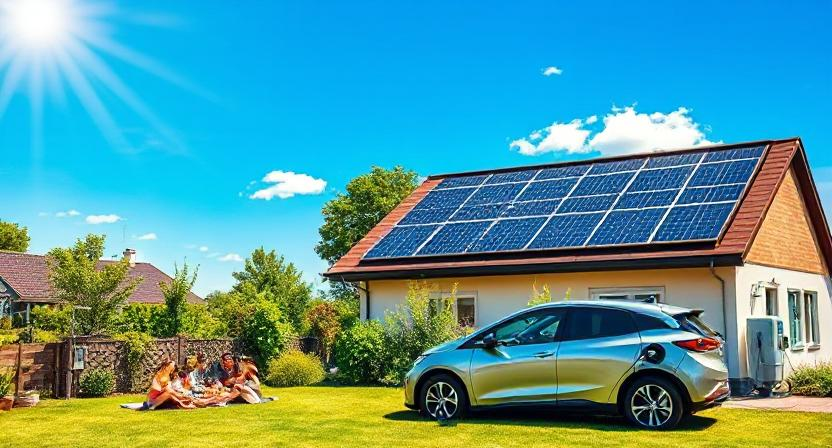
Solar energy is a game changer in my everyday life. I use it to power my home, cut down on electricity bills, and enjoy efficient water heating. Solar lights brighten my garden, while portable solar chargers keep my devices powered. I love cooking with solar ovens, and natural heating systems make my living spaces comfortable year-round. With solar-powered vehicles on the rise, there’s even more to explore about how solar is enhancing our lives. Explore how solar power can reduce operational costs for your business.🔗 Discover More Powering Your Home With Solar Electricity When I decided to explore solar electricity for my home, I was amazed at how much it could lower my reliance on traditional energy sources. Installing solar panels allowed me to harness solar energy, considerably reducing my electricity bills. As more homeowners adopt solar power, it accounted for 2.8% of the total electricity generation in the U.S. by 2021. The beauty of solar panels is that they not only generate power for my home but also produce excess electricity, which I can send back to the grid. Thanks to net metering, I earn credits on my utility bills for that surplus energy. With declining installation costs and minimal maintenance, solar electricity has become a convenient and affordable energy solution for my home. Efficient Water Heating Solutions When I think about efficient water heating solutions, I’m impressed by both active and passive solar systems. Active systems use pumps to guarantee you get hot water on demand, while passive systems are simpler and rely on natural processes. Plus, if you have a pool, solar heating can make a huge difference in keeping your water warm without breaking the bank. Active System Advantages Active solar water heating systems offer a remarkable solution for efficiently heating water in our homes. These systems utilize mechanical pumps to circulate fluids between solar collectors and storage tanks, ensuring effective heating for domestic use. They provide immediate warmth or store heated water, perfect for showering and laundry. Feature Benefits Applications Higher Efficiency Lowers electricity bills Residential hot water Reduces Reliance on Gas Supports environmental sustainability Multi-purpose use Versatile Systems Suitable for various climates Year-round hot water Passive System Benefits While active solar water heating systems provide many advantages, passive solar water heating offers a compelling alternative for those looking for efficient and cost-effective solutions. I find passive systems to be particularly appealing for several reasons: In my experience, passive solar water heating systems are a practical choice for anyone wanting an efficient and eco-friendly option. Solar Pool Heating Imagine lounging by a warm, inviting pool on a cool evening, knowing that your swim is powered by the sun. Solar pool heating systems efficiently circulate water through solar collectors, heating it before returning it to the pool. This setup not only extends my swimming season but also helps to reduce reliance on traditional gas or electric heaters. With installation costs typically ranging from $2,500 to $4,000, I find the payback periods between 1 to 7 years quite appealing. Plus, I can enjoy lower energy bills while embracing a sustainable lifestyle. Those solar vacuum tubes are particularly impressive for heating hot tub water, ensuring I stay comfortable, no matter the weather! Enhancing Outdoor Spaces With Solar Lighting Enhancing outdoor spaces with solar lighting not only beautifies your environment but also promotes sustainability. I love how solar lighting systems harness sunlight during the day to power outdoor lights at night. Here are four ways solar lighting can enhance your outdoor areas: With solar lighting, I can create a beautiful and sustainable outdoor space that fits my lifestyle. Portable Solar Charging for Devices When I head outdoors for an adventure, having a portable solar charger with me makes all the difference. These lightweight and compact devices harness solar energy to charge my smartphone, tablet, or laptop, eliminating the need for traditional outlets. Many portable solar chargers come with built-in batteries, storing energy for later use, so I can charge devices even when the sun isn’t shining. They’re perfect for camping, hiking, or any outdoor activities. Plus, using them is a sustainable alternative that helps reduce reliance on fossil fuels and promotes eco-friendly practices. Here’s a quick comparison of some popular models: Model Charge Time (hrs) Built-in Battery (mAh) SolarGo 10W 3 10,000 EcoCharge 15W 4 20,000 SunPower 20W 2.5 15,000 GreenTech 25W 3.5 25,000 Innovative Solar Cooking Methods I’ve been fascinated by the different types of solar ovens, like parabolic and box cookers, that can turn sunlight into a reliable cooking source. Not only do they offer a way to prepare meals without traditional fuels, but they also come with great benefits for the environment and our wallets. Plus, they’re perfect for outdoor adventures, making cooking with just sunlight a fun and eco-friendly option. Types of Solar Ovens While many people may think of traditional cooking methods, solar ovens offer innovative alternatives that harness the sun’s energy for preparing meals. I’ve explored several types of solar ovens, each with unique benefits: Benefits of Solar Cooking Although many people may not realize it, solar cooking offers a multitude of benefits that extend beyond just saving on fuel costs. By utilizing solar ovens, I can harness renewable energy from the sun, which not only helps me save money but also promotes energy independence. The various cooking methods, like baking and boiling, allow me to prepare a wide range of meals while being environmentally friendly. Since solar cooking eliminates the need for conventional fuels, it greatly reduces carbon emissions and lessens our environmental impact. Additionally, it encourages sustainability by decreasing reliance on firewood, helping to prevent deforestation. Overall, embracing solar cooking is a practical choice for both my wallet and the planet. Outdoor Cooking Solutions There’s something truly exciting about outdoor cooking with innovative solar methods. Using solar ovens, like parabolic, box, and panel cookers, I’ve discovered eco-friendly ways to prepare meals without conventional fuels. These solar cooking devices can reach high temperatures, making them versatile for baking, boiling, or steaming on sunny days. Plus, they help reduce deforestation by lowering the demand for firewood. Here are some outdoor cooking solutions I’ve tried: Embracing solar energy truly enhances my outdoor cooking experiences! Natural Heating and Cooling Systems Natural heating and cooling systems offer innovative ways to harness solar energy, making our homes more comfortable
Solar Energy & You: How Is Solar Energy Used In Our Everyday Lives?
Solar energy transforms our daily routines, powering homes and devices, but how can it further enhance your lifestyle? Discover the possibilities within!
How to Calculate Your Home’s Solar Energy Needs
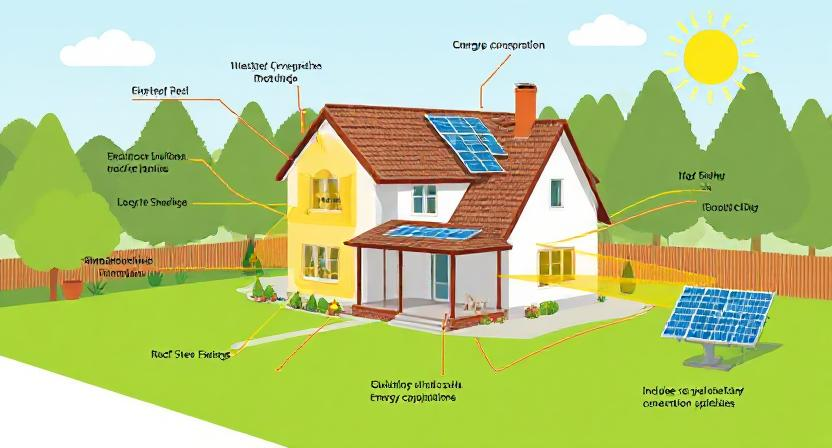
When considering how to calculate your home’s solar energy needs, understanding your current energy consumption is pivotal. By analyzing your utility bills, you can pinpoint your average daily electricity usage and make informed decisions about solar panel sizing. However, this is just the starting point. To ensure an accurate assessment tailored to your specific requirements, there are additional factors to consider. From peak sun hours to system efficiency, each element plays a crucial role in determining the optimal solar energy solution for your home. Learn About Costs and FinancingUnderstand the investment and financing options for solar energy.🔗 Get Details Key Takeaways Assess Your Energy Consumption When assessing your energy consumption for calculating solar energy needs, the first step is to gather all your utility bills from the past year. Take a look at the total kilowatt-hours (kWh) used each month. This data will provide you with a clear picture of your average energy usage throughout the year. Next, identify any significant changes in your energy consumption patterns. Did you install new appliances, change your heating or cooling systems, or implement energy-saving practices? These factors can impact the amount of solar energy your system will need to produce. Additionally, consider any future changes you might make that could affect your energy usage. Understanding your current energy consumption is crucial for accurately determining the size and capacity of the solar energy system that will best suit your needs. Determine Your Peak Sun Hours To accurately determine your solar energy needs, it’s essential to understand the concept of peak sun hours. Peak sun hours refer to the number of hours in a day when the sun produces enough sunlight for solar panels to operate at their maximum efficiency. This is crucial for calculating how much solar energy your home can generate and how many solar panels you need. Peak sun hours vary depending on factors like your location, the season, and any shading that may affect your solar panels. Areas closer to the equator typically have more peak sun hours compared to regions further away. By determining the average peak sun hours for your location, you can estimate the amount of energy your solar panels will produce each day. Knowing your peak sun hours is vital for sizing your solar energy system correctly. It ensures that you install a system that can generate enough electricity to meet your home’s energy demands efficiently. Calculate Your Daily Energy Usage Determining your daily energy usage is a crucial step in accurately sizing your solar energy system for your home. To calculate your daily energy needs, start by examining your utility bills to understand your average daily consumption in kilowatt-hours (kWh). Take note of seasonal variations in energy usage as well. Additionally, consider any major appliances or devices you plan to power using solar energy and estimate their daily energy consumption. It’s important to factor in any future changes in your energy usage, such as adding new appliances or electric vehicles. By understanding your daily energy needs, you can determine the size of the solar energy system required to meet your household’s electricity demands. This information will help you choose the appropriate solar panel capacity and battery storage, ensuring that your system can generate enough energy to power your home efficiently. Taking the time to accurately calculate your daily energy usage will set you on the right path towards a successful solar energy installation. Consider Energy Efficiency Measures Considering energy efficiency measures is essential when planning for your solar energy system. By improving your home’s energy efficiency, you can reduce the overall energy consumption and size requirements of your solar panel system. This not only saves you money on the initial installation but also on your long-term energy bills. Simple changes like upgrading to energy-efficient appliances, improving insulation, and sealing drafts can make a significant impact on your energy usage. To illustrate the potential impact of energy efficiency measures, consider the table below: Energy Efficiency Measure Estimated Energy Savings (%) Cost ($) LED Lighting Upgrade 75 500 Smart Thermostat Install 15 250 Insulation Improvement 20 1000 Energy Star Appliances 30 2000 Window Upgrades 10 1500 These measures not only reduce your energy consumption but also contribute to a more sustainable and environmentally friendly lifestyle. Factor in System Losses Improving your home’s energy efficiency is just the beginning of optimizing your solar energy system. When calculating your home’s solar energy needs, it’s crucial to factor in system losses. System losses refer to the energy that’s lost as your solar power travels from the panels to your appliances due to various inefficiencies in the system. Several factors contribute to system losses, including shading from nearby buildings or trees, dust accumulation on the solar panels, voltage drops in the wiring, and inverter inefficiencies. These losses can significantly impact the overall performance of your solar energy system, reducing the amount of usable energy that reaches your home. To account for system losses accurately, it’s essential to work with a solar energy professional who can conduct a detailed assessment of your property and design a system that minimizes these losses. Size Your Solar Panel Array To properly size your solar panel array, you need to calculate the total energy consumption of your home and determine how much of that energy can be offset by solar power. Here are some key points to consider: Account for Seasonal Variations Now that you have sized your solar panel array to meet your energy needs, it’s important to factor in seasonal variations when planning for optimal energy production. Seasonal changes can significantly impact the amount of sunlight your solar panels receive, affecting their efficiency and overall energy output. To account for these variations, it’s crucial to understand how the angle of the sun and daylight hours change throughout the year in your specific location. Consider the following factors when calculating your home’s solar energy needs across different seasons: Season Sunlight Hours Sun Angle Summer Long High Fall Moderate Moderate Winter Short Low Spring Increasing Increasing
Solar Panel Dimensions & Sizing System
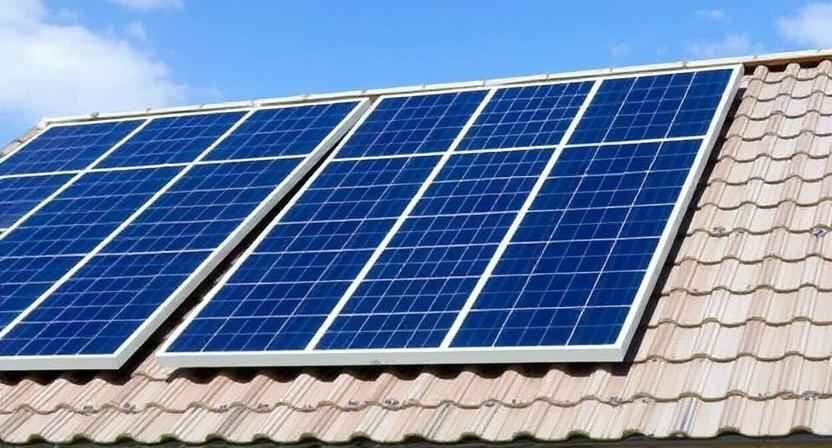
When thinking about solar panel sizes, it is important to know the common types. Most panels come in standard sizes like 60-cell (3.25 ft x 5.5 ft) and 72-cell (3.25 ft x 6.42 ft), impacting energy production. Larger panels generally produce more wattage, which is important for meeting energy needs. I urged you to consider space availability, efficiency loss, and weight. This will help make the installation successful. Keep exploring to uncover helpful insights on optimizing your system. Understanding solar panel sizes and dimensions When I began exploring solar panels, I saw that size changes can greatly affect efficiency. The size of standard and custom panels is key. It affects how well they fit on my roof and how well they meet my energy needs. Knowing these factors helps me choose the best solar system. Panel Size Variations Solar panels come in different sizes. Each size meets unique energy needs and fits various installation spaces. The most common panel sizes are 60-cell and 72-cell models. These are usually used for homes and businesses. A 60-cell solar panel is about 3.25 feet by 5.5 feet. The 72-cell panel is almost a foot taller, measuring 3.25 feet by 6.42 feet. The 96-cell panel measures 41.5 inches by 62.6 inches. It has an 8 x 12 grid, which can make roof fitting tricky. Knowing solar panel sizes is key. It helps you figure out how much roof space you need. This ensures that your system can meet your energy needs. Dimensions impact efficiency. Knowing how dimensions affect efficiency is key for anyone thinking about a solar panel system. The size of solar panels directly affects their energy production capabilities. For instance, larger panels, like the 72-cell option, typically generate more wattage than smaller 60-cell panels. This increase in output is essential for meeting energy demands effectively. Also, the size of the panels affects how easy they are to install. Bigger panels usually need more people to set up, which can change your project timeline. When I evaluate my available roof space, the size of the panels to guarantee they fit adequately. Choosing the right solar panel size lets me generate more energy and extends my system’s life. Standard vs. Custom Sizes When I looked at solar panel options, I noticed that standard sizes are easier to find and install than custom ones. Here’s why I prefer standard solar panel sizes: Custom sizes offer flexibility. However, they can complicate installation and often cost more. Common Types of Solar Panels and Their Dimensions When it comes to solar panels, I’ve found that the type you choose can really impact both performance and installation. Monocrystalline, polycrystalline, and thin-film panels all have unique traits and sizes. These features meet various needs. Let’s explore these common types and what their sizes mean for your solar setup. Monocrystalline Panel Features Monocrystalline solar panels shine in renewable energy. They offer great efficiency and a stylish design. I’ve found that these panels offer several key features: These features make monocrystalline solar panels an excellent choice for many installations. Polycrystalline Panel Characteristics Polycrystalline solar panels are a practical option. They are often chosen over monocrystalline panels for many installations. These panels typically come in standard sizes, like the 60-cell (39″x66″) and 72-cell (39″x77″). They usually work less efficiently. However, they generate 250 to 350 watts. This makes them good for both residential and commercial solar systems. Their manufacturing process is less energy-intensive, leading to lower costs. However, you’ll need to account for their larger footprint when sizing your solar system. TypeDimensions60-cell39 inches x 66 inches72-cell39 inches x 77 inchesPower Output250-350 wattsEfficiencyLower than monocrystalline Thin-Film Panel Overview Thin-film solar panels offer a new way to capture solar energy. They are lightweight and flexible, making them unique. While they typically offer lower efficiency rates of about 10% to 12%, they excel in certain conditions. Here are some key aspects of thin-film panels I’ve found useful: Knowing these traits helps you see how thin-film panels can work in your solar energy plan. Factors Influencing Solar Panel Output Several key factors affect solar panel output and can greatly influence energy production. Solar panels’ design, size, and PV technology affect how much energy they can produce. Available roof space is key. It decides how many panels can fit and impacts total energy production. Also, solar irradiance changes by location. This affects the hours of sunlight for generating electricity. Local climate conditions, like temperature and humidity, can also affect panel efficiency. I always look at monthly and yearly energy needs. This helps me figure out how much solar power we need and how many panels to use. Understanding these factors helps to optimize my solar system for maximum energy output. Step-by-Step Guide to Sizing Your Solar System Knowing what affects solar panel output helps you size your solar system correctly. Here’s a straightforward guide to help you: Calculating Your Daily Energy Consumption Calculating your daily energy use is key to finding the best solar panel system for you. To start, gather your electric bills from the past year and total the kilowatt-hours (kWh) used. Divide that total by 12 for your average monthly usage, and then by 30 for your daily kWh consumption. It’s helpful to add a 25% cushion for efficiency losses. Here’s a simple table to visualize this: CalculationValueDescriptionTotal Annual Usage (kWh)10,800 (example)Total kWh from billsAverage Monthly Usage (kWh)900Total / 12Daily kWh Usage30Monthly / 30 This method ensures you can accurately measure your energy use for the right solar system. Estimating Peak Sun Hours for Your Location To size your solar panel system well, you need to know the peak sun hours for your area. This knowledge is key. It affects how much energy your panels can produce. Here’s how to estimate those peak sunlight hours: Accounting for System Losses and Efficiency Sizing a solar panel system may seem simple if you only consider energy needs. It’s important to consider system losses and efficiency for the best performance. Solar panels usually lose about 0.8% of