The Evolution of Solar Technology: Past, Present, and Future
As you explore the evolution of solar technology, you’ll find a fascinating journey from ancient methods to cutting-edge innovations. The progression from simple solar heating techniques to sophisticated photovoltaic systems has revolutionised how we harness sunlight for energy. But what lies ahead in the realm of solar technology? The possibilities for further advancements seem endless, with ongoing research and development paving the way for a future where solar power could play an even more prominent role in our quest for sustainable energy solutions. Key Takeaways Origins of Solar Technology From ancient civilisations to modern innovations, the origins of solar technology trace back through centuries of human ingenuity and curiosity. T The fascination with harnessing the power of the sun dates back to as early as the 7th century B.C., when magnifying glasses were used to concentrate sunlight and start fires. 🔆 Solar Myth Debunked Solar panels don’t only work in sunny states! Even regions with frequent clouds can benefit from solar energy. Learn more in our article: Solar Energy Myths Debunked. Fast forward to the 3rd century B.C., and the Greeks and Romans were utilising mirrors to light torches for religious ceremonies. The concept of solar power continued to evolve, with the first solar collector invented in 1767 by Swiss scientist Horace-Bénédict de Saussure. This insulated box, known as the “hot box,” could reach temperatures of 230 degrees Fahrenheit by trapping solar heat. As time progressed, so did solar technology. In the 19th century, French physicist Edmond Becquerel discovered the photovoltaic effect, laying the foundation for modern solar panels. Early Innovations and Applications Early innovations in solar technology paved the way for practical applications that showcased the potential of harnessing the sun’s energy. One significant development was the invention of solar water heaters in the late 19th century, which utilised sunlight to heat water for domestic use. This marked a crucial step towards utilising solar energy for everyday needs. Additionally, in the 1950s, the first solar cells were created, converting sunlight into electricity through the photovoltaic effect. These early solar cells were primarily used in space exploration, powering satellites and spacecraft. During the 1970s energy crisis, solar technology gained momentum as a viable alternative to traditional energy sources. Solar panels began to appear on rooftops and in remote locations where traditional power sources were impractical. These early applications demonstrated the versatility and reliability of solar energy. As research continued, advancements in solar technology led to improved efficiency and affordability, setting the stage for the modern solar revolution that continues to evolve today. Modern Solar Technologies In recent years, advancements in solar technology have propelled the industry forward at a rapid pace. Modern solar technologies have made significant strides in efficiency and accessibility. One of the key developments is the improvement in photovoltaic (PV) cell efficiency, allowing for better conversion of sunlight into electricity. These advances have led to sleeker and more powerful solar panels that can generate more energy in less space. Moreover, the integration of smart technology and monitoring systems has revolutionized the way we interact with solar energy. Homeowners can now track their energy production in real-time, optimize consumption patterns, and even sell excess energy back to the grid. In addition, energy storage solutions like lithium-ion batteries have become more affordable and efficient, enabling households to store excess energy for use during peak hours or when sunlight isn’t available. Advancements in Efficiency and Affordability Solar technology has seen remarkable progress in recent years, particularly in enhancing efficiency and driving down costs. These advancements have made solar energy more accessible and attractive to a wider audience. Here are three key developments contributing to the increased efficiency and affordability of solar technology: Emerging Trends and Technologies Pioneering innovative technologies are reshaping the landscape of renewable energy, propelling the solar industry towards new horizons. One emerging trend is the integration of solar power with energy storage solutions, such as advanced batteries. This development allows for better utilisation of solar energy by storing excess power for later use, even when the sun isn’t shining. 🔆 Solar Tip for Businesses Small businesses can save money and boost sustainability by investing in solar energy. Discover how it can benefit your business in our article: Why Small Businesses Should Invest in Solar Energy. Additionally, the rise of smart solar technologies, like microinverters and power optimisers, is enhancing system performance by maximising energy production at the individual solar panel level. Another significant advancement is the increased adoption of bifacial solar panels, which can capture sunlight from both the front and back sides, boosting overall efficiency. Moreover, the use of perovskite solar cells shows promise for higher efficiency rates and lower production costs. These cells can be integrated into various surfaces, expanding the possibilities for solar energy generation. The Future of Solar Energy The horizon of solar energy is brimming with exciting possibilities as technological advancements continue to drive the industry forward. As you look ahead to the future of solar energy, here are three key trends to keep an eye on: Increased Efficiency: Innovations in solar panel design and materials are enhancing efficiency levels, allowing for more energy production from the same amount of sunlight. This increased efficiency not only improves the overall performance of solar systems but also makes them more cost-effective for consumers. Energy Storage Solutions: The development of better energy storage technologies, such as advanced batteries and grid-scale storage systems, is poised to revolutionise the solar energy sector. These solutions will enable solar power to be available even when the sun isn’t shining, ensuring a more reliable and stable energy supply. Smart Integration and Digitalisation: The integration of smart technologies and digital solutions into solar energy systems is paving the way for improved monitoring, control, and optimization of solar installations. This trend towards smart integration enhances system performance, increases flexibility, and ultimately makes solar energy more accessible and user-friendly. Frequently Asked Questions Can Solar Technology Work in Areas With Limited Sunlight? Yes, solar technology can work in areas with limited sunlight. While
Is Solar Energy Renewable or Non-Renewable?
So, here’s the deal with solar energy—everyone’s talking about it, but is it really renewable? When we say something’s renewable, we mean it can keep going without running out. Like, the sun isn’t going anywhere anytime soon, right? Solar energy grabs the sun’s rays and turns them into electricity. It’s a pretty neat trick, and it’s why solar is considered renewable. But there’s more to the story, like how we make those solar panels and what happens when they wear out. Let’s dive into all that and see why solar energy is a big deal in the renewable world. Key Takeaways Want to know more about solar energy? we are just a click away. “Schedule a Free Consultation” Understanding Solar Energy: Renewable or Non-Renewable Defining Renewable Energy Renewable energy comes from sources that naturally replenish themselves over time. Think of it like a never-ending supply. The sun, wind, and water are classic examples. They don’t run out, at least not within any timeline that concerns us. These sources are sustainable and can be used repeatedly without depleting the Earth’s resources. Characteristics of Non-Renewable Energy Non-renewable energy, on the other hand, is like that one chocolate bar you have hidden away. Once it’s gone, it’s gone. These are resources that exist in finite amounts on Earth. Fossil fuels like coal, oil, and natural gas fall into this category. They take millions of years to form and are used up much faster than they can be naturally replenished. Solar Energy’s Place in the Renewable Spectrum Now, where does solar energy fit in? Well, solar energy is captured from the sun’s rays, which makes it a renewable resource. The sun is a massive, ongoing nuclear reaction that will continue for billions of years. As long as it shines, we can harness its energy. Solar energy doesn’t get used up in the process of generating electricity, which is a key feature of renewable resources. Solar energy is among the cleanest and most sustainable sources of power available today. It doesn’t emit greenhouse gases during electricity generation, making it an eco-friendly option for reducing carbon footprints. How Solar Energy Works as a Renewable Source Photovoltaic Effect Explained Solar energy starts with the sun’s rays, and the magic happens through the photovoltaic effect. This is where sunlight hits solar panels, made mostly of silicon, and knocks electrons loose. These free electrons flow to create electricity. It’s like a tiny electron dance party happening on your roof. The panels are set up to capture as much sunlight as possible, turning it into direct current (DC) electricity. Solar Panels and Electricity Generation Once the sunlight is converted to DC electricity, it needs to be changed to alternating current (AC) for everyday use. This is where the inverter comes in, switching DC to AC so it can power your home. Solar panels can be installed on rooftops or in open areas as solar farms. They don’t just sit there looking pretty; they’re busy generating power, reducing the need for fossil fuels. Storing Solar Energy for Future Use You might wonder, “What happens when the sun goes down?” Solar energy can be stored in batteries for later use. These batteries save the excess energy produced during sunny days, so you can use it at night or on cloudy days. It’s like having a backup plan for when the sun decides to take a break. This storage capability makes solar energy even more reliable and is a game-changer for energy independence. Environmental Impact of Solar Energy Reducing Carbon Footprint with Solar Solar energy is a game-changer when it comes to reducing our carbon footprint. Unlike fossil fuels, solar power generates electricity without emitting carbon dioxide. This means a significant reduction in greenhouse gases. For every kilowatt-hour produced, solar energy emits only around 40 grams of CO2, compared to over 1,000 grams for coal. That’s a big deal for the planet. Solar Energy and Greenhouse Gas Emissions Solar panels are pretty impressive in the fight against greenhouse gases. They produce clean energy by harnessing the sun’s rays, which means no air pollutants or greenhouse gases are released during operation. While the production of solar panels does have some emissions, these are offset over time. Once installed, solar panels can generate carbon-free electricity for 25 years or more. Sustainability of Solar Panel Production The sustainability of solar panel production is an ongoing concern. Manufacturing involves mining materials like silicon and metals, which have environmental impacts. However, the industry is making strides towards greener production methods. Recycling programs are also emerging, with more than 80% of a typical solar panel being recyclable. It’s a step towards making solar energy even more eco-friendly. Solar energy offers a clean, renewable source of power that significantly reduces our reliance on fossil fuels. As technology advances, solar is becoming more efficient and sustainable, paving the way for a greener future. The environmental benefits are clear, making solar a key player in the transition to renewable energy. Comparing Solar Energy to Other Renewable Sources Solar vs. Wind Energy When it comes to renewable energy, solar and wind are often at the forefront of the conversation. Solar energy is harnessed from the sun’s rays, while wind energy is generated by converting the kinetic energy of wind into electricity using turbines. One of the key differences lies in their availability; solar power is more predictable and consistent during daylight hours, whereas wind energy can be more intermittent and unpredictable. However, both technologies have seen significant advancements, reducing costs and improving efficiency. In terms of environmental impact, both solar and wind offer substantial benefits over fossil fuels, but they come with their own unique challenges, such as land use and wildlife disruption for wind farms. The Role of Solar in a Renewable Energy Mix In the quest for a sustainable energy future, a mix of different renewable sources is essential. Solar energy plays a crucial role in this mix due to its scalability and decreasing costs. It can be effectively combined
Do solar panels increase your Home’s value?
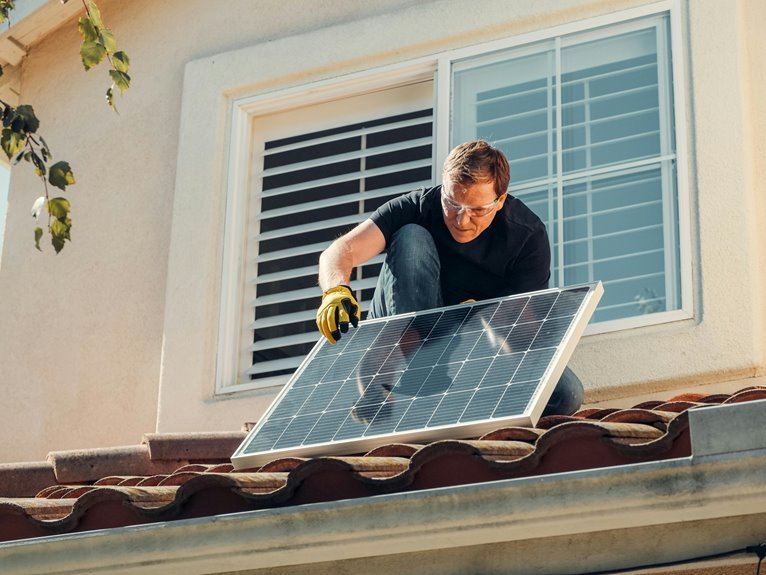
Thinking about adding solar panels to your home? It’s not just about cutting down those electric bills. Many folks are curious if these panels boost the value of their house. Let’s dig into how solar panels can impact your home’s worth and what you should consider before making the switch. Key Takeaways Discover Your Solar Savings by visiting our website “Livingwithsolar“ Understanding the Impact of Solar Panels on Home Value How Solar Panels Affect Property Prices Solar panels aren’t just about saving on electricity bills; they actually boost your home’s market value. In 2025, homes with solar installations are selling for about 6.8% more than those without. This means, if your home is valued at $400,000, adding solar could increase its worth by over $27,000. That’s a pretty solid return on investment. But, there’s a catch. The exact increase can vary based on where you live, your local electricity rates, and even the condition of your solar system. So, while solar panels can definitely add value, it’s not a one-size-fits-all situation. The Role of Energy Savings in Home Valuation Energy savings play a huge role in boosting home value. Buyers love the idea of reduced energy bills, and who wouldn’t? When you install solar panels, you’re essentially offering potential buyers lower monthly expenses. This makes your home more attractive, especially in areas with high electricity costs. Some studies even suggest that for every dollar saved on annual energy bills, your home’s value could increase by $20. So, if your solar setup saves you $500 a year, that’s potentially a $10,000 increase in home value. It’s a win-win! Comparing Solar to Other Home Improvements When it comes to home improvements, solar panels are often compared to things like kitchen remodels or bathroom upgrades. But here’s the kicker: while a new kitchen might be appealing, it doesn’t offer the same ongoing financial benefits as solar. Solar panels provide continuous savings on energy bills, which can be a major selling point. Plus, unlike other renovations, solar panels contribute to a cleaner environment. So, when weighing your options, consider that solar not only enhances your home’s value but also provides sustainable benefits that buyers are increasingly looking for. Installing solar panels can enhance your home’s resale value by lowering energy bills and improving energy accessibility. Learn more about how solar panels can impact your home’s market value. Factors Influencing the Value Addition of Solar Panels Location and Regional Market Trends The impact of solar panels on home value can vary greatly depending on where you live. In areas with high electricity rates and a strong emphasis on sustainability, like New York City, solar panels are often seen as a valuable addition. Homeowners in these regions might see a higher return on their solar investment compared to those in areas with lower energy costs. Regional market trends also play a role. In some markets, the demand for energy-efficient homes is on the rise, which can boost the value of solar-equipped properties. System Size and Efficiency The size and efficiency of your solar system are crucial factors in determining how much value it adds to your home. Larger systems that generate more electricity can lead to greater savings on utility bills, making them more attractive to potential buyers. Additionally, newer systems with high-efficiency panels are likely to be more appealing, as they promise better performance and longevity. Ownership vs. Leasing of Solar Systems Owning your solar system outright can significantly enhance your home’s value. When you own the system, the new homeowner can benefit from the energy savings without any additional costs. On the other hand, leased systems can complicate the selling process. Potential buyers might be wary of taking over a lease agreement, which could deter them from purchasing your home. So, if you’re planning to sell, owning your solar panels is generally a better option. Keep in mind, installing solar panels can significantly enhance a home’s value, with the increase influenced by factors such as location, electricity rates, and system size. Approximately 46% of homeowners recognize this benefit. Learn more. Financial Benefits Beyond Increased Home Value Monthly Savings on Electricity Bills One of the most immediate perks of having solar panels is the monthly savings on your electricity bill. Depending on your location, you might save anywhere from $100 to $250 each month. Over a year, that’s nearly $3,000 that stays in your pocket. This extra cash can be used for other home improvements or investments. Imagine finally getting those granite countertops or putting some money into the stock market. Tax Incentives and Rebates Solar panels come with a host of tax incentives and rebates that can make the initial investment more affordable. Programs like the Federal Solar Tax Credit can significantly lower the cost of installation. Some states offer additional tax breaks or rebates, helping to offset the upfront cost even more. These financial perks not only reduce the payback period but also enhance the overall return on investment. Long-term Investment Returns Solar panels aren’t just a way to save on electricity; they’re a long-term investment. Over time, as energy prices rise, your savings will increase, making the initial cost more than worth it. Most homeowners find that solar panels pay for themselves within a few years, and after that, it’s pure savings. Plus, if you decide to sell your home, having solar panels can increase your property’s value by up to 4.1%, according to recent studies. This makes solar not just a smart environmental choice, but a financially savvy one too. Investing in solar panels is like planting a money tree on your roof. It might take a little time to grow, but once it does, the harvest is plentiful and sweet. Market Perception and Buyer Preferences Demand for Energy-efficient Homes Energy-efficient homes are becoming a hot ticket in the real estate market. Many buyers are actively seeking homes that offer lower utility costs and a smaller carbon footprint. Solar panels are a major draw because they promise both. As more people become eco-conscious, the demand for
How long do solar panels last
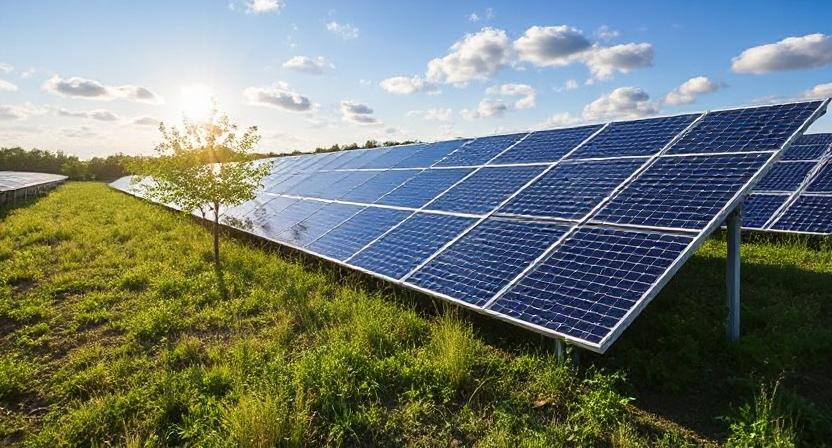
How long do solar panels last? This question is almost in everyone’s life these days. Well, you’re not alone. Lots of folks are curious about this because, let’s face it, solar panels aren’t cheap, and you want them to last, right? They say solar panels can last anywhere from 25 to 30 years. But there’s a bit more to it. Different factors can affect how long they’ll keep working efficiently. Let’s break it down and see what you can do to make the most of your solar investment. Key Takeaways If you want to know more about solar panels. Visit our site Understanding the Lifespan of Solar Panels Factors Influencing Solar Panel Longevity Solar panels are durable, but their life span is affected by all sorts of factors. Quality of materials is a huge one. Quality materials mean panels can withstand extreme weather, such as hail or strong winds. Then there’s the environment. In sunny, moderate areas, panels live longer than they do in extreme ones. Maintenance matters too. Frequent cleaning and checkups can keep small problems from developing into large problems. Typical Lifespan Expectations The majority of solar panels can last anywhere from 25-30 years. But let me tell you, they don’t just stop working from there. They just produce less electricity. A panel could be chugging along at 80% efficiency after a quarter century. Even some contemporary monocrystalline solar panels extend their life to 30-40 years. It’s not just because of age, however. It’s more about how much energy they can still produce. Comparing Different Solar Panel Brands Not all solar panels are created equal. Different brands offer different longevity and performance. Here’s a quick comparison of some popular ones: Brand Warranty (Years) Degradation Rate Maxeon 40 0.25% REC Group 25 0.25% Panasonic 25 0.25% Silfab Solar 30 0.30% Q CELLS 30 0.50% The decision on a brand is usually a trade-off between cost and expected performance/duty life. Some people might choose a more expensive panel with a better warranty, while others may put greater stock on upfront savings. Solar panels are a long-term commitment, and knowing their lifecycle can help you manage long-range planning for energy consumption. If you’re seeking to save on energy bills or just becoming more eco-friendly and conscious about your resources, understanding what is going on the roof with those solar panels is hugely important. Degradation Rates and Their Impact on Solar Panel Performance What is Solar Panel Degradation? Solar panel degradation is the reduction in a solar panel’s electricity production capability or quality over time. This isn’t a matter of panels breaking down suddenly, but of gradually losing efficiency at a slow trickle. This happens to every solar panel, but the rate varies. Barometric pressure, quality of the materials used, and manufacturing can also influence. Degradation is an inherent part of how solar panels age, and understanding it can contribute to planning for long-term energy needs.” Average Degradation Rates The standard panel degrades at an average rate of 0.5%-0.8%/year, which is very low over the span of a decade or two–approximately 13% to 15% over a quarter century, and in any given year appears to be none for all intents and purposes. This means that after 20 years a panel might run at about 90% of its original capacity. The panels that are generally regarded as the best of the best degrade on an even cheaper curve, in some cases eroding at rates as little as 0.3% a year. Here’s a quick and dirty snapshot of the impact of different rates of decline on performance: Year 0.3% Rate 0.5% Rate 0.8% Rate 1 99.7% 99.5% 99.2% 10 97.0% 95.1% 92.0% 20 94.1% 90.5% 84.3% 25 92.5% 88.0% 82.0% How Degradation Affects Energy Output As solar panels age, they don’t produce as much energy. That’s not to say they stop working completely; they simply generate less electricity. For homeowners, that could translate to modestly higher electricity bills as the panels age, particularly if they were sized precisely for very specific energy needs. To guard against that, some people go with panels that have a lower rate of degradation or buy a little extra capacity up front. Although solar panels degrade over time, they still generate power for several decades. When degradation is accounted for, it can be planned in a way that the energy demand will be fulfilled and by surprise. Maximizing the Lifespan of Your Solar Panels Importance of Regular Maintenance To keep them running at their best for as long as possible, you must do regular maintenance. It is important to clean your panels often, especially if you live in an area with dirt and debris. In some places, that might entail brushing off snow; in others, it may be rinsing away dust and grime. In addition to cleaning, you should examine your panels for signs of damage, such as cracks or loose connections. Routine inspections can nip small problems in the bud before they turn into a major headache, which could save you costly service calls. Choosing the Right Installer The installer you select can have a major impact on how long your solar panels will last. Choose a well-known company with a long history of experience and good installations. A good installer will not just get your panels set up correctly, but will also give you an idea on how to maintain your system. They should provide a strong labor warranty, and remain available to you for any follow-up service. Monitoring Solar Panel Performance Keeping an eye on your solar panel performance. Another way to extend the life of solar panels is just by knowing how they are doing. Monitoring systems can prompt you to declines in performance that could point to an issue. This might just be that the switch has been turned off, or could be something more involved, like an electrical fault. Do not hesitate if you receive alerts that can help avoid trouble. Maintaining your solar panels’ status of being shipshape has to do with more than just prolonging their life; it’s about getting the most out of your investment. It does not take much maintenance and monitoring to keep your solar system operating at peak efficiency for many years. For more
Solar Energy Myths Debunked: What You Need to Know
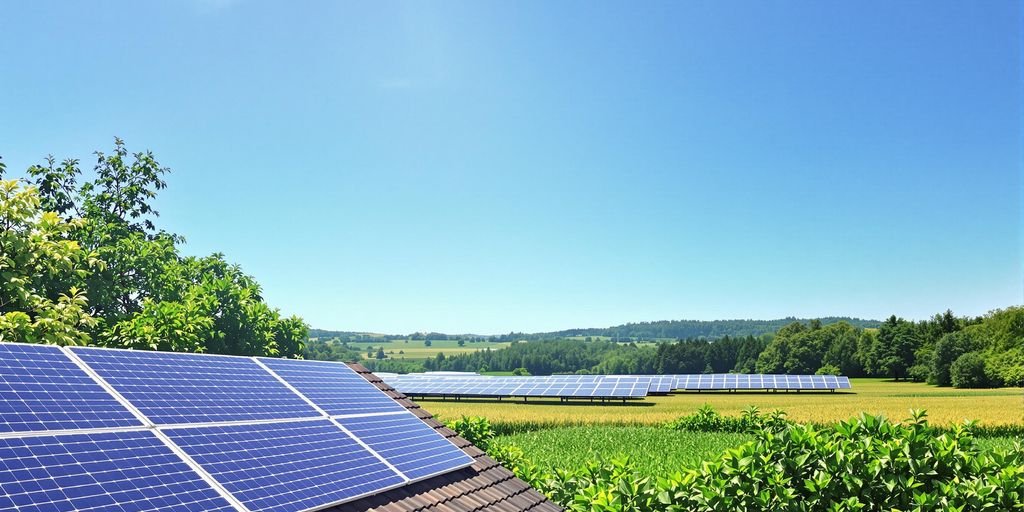
When it comes to solar energy, separating fact from fiction is crucial. You might be surprised to learn that common misconceptions about solar power could be holding you back from exploring its benefits fully. By debunking these myths, you can gain a clearer understanding of how solar energy can work for you. So, before dismissing the idea altogether, consider the valuable insights that could reshape your perspective on this sustainable and cost-effective energy source. Key Takeaways Cost of Solar Panels Thinking about installing solar panels but worried about the cost? You might be surprised to learn that the initial investment in solar panels can be offset by significant long-term savings. Many state and federal incentives, along with the decreasing cost of solar technology, make solar panels more affordable than ever. Plus, with the ability to sell excess energy back to the grid through net metering programs, you can further reduce your electricity bills. Additionally, some solar companies offer financing options that require little to no money down, making it easier to go solar without a large upfront payment. Solar Energy Efficiency When considering solar energy efficiency, it’s essential to understand how effectively solar panels convert sunlight into usable electricity. This efficiency impacts the overall performance and cost-effectiveness of a solar energy system. To help you grasp the importance of solar energy efficiency, consider the following: Understanding these aspects can guide you in making informed decisions about incorporating solar energy into your lifestyle. Solar Power Reliability Solar power reliability is a critical factor to consider when transitioning to renewable energy sources. One common misconception is that solar power is unreliable due to its dependence on sunlight. However, advancements in technology have significantly improved the reliability of solar energy systems. Solar panels can still generate electricity on cloudy days or during winter months when there’s less sunlight. Additionally, many solar installations are connected to the grid, allowing for seamless integration with traditional power sources. This ensures a continuous power supply even when solar energy production fluctuates. Practicality of Solar Installation Considering the practicality of installing solar panels on your property, it’s essential to evaluate various factors to determine the feasibility and benefits of transitioning to solar energy. When making this decision, keep in mind: Evaluate these factors to make an informed decision that not only benefits your wallet but also contributes to a sustainable future. Environmental Impact of Solar Energy Installing solar panels can have a significant positive impact on the environment. Solar energy is a clean and renewable source of power that produces no greenhouse gas emissions during operation. By harnessing energy from the sun, solar panels help reduce reliance on fossil fuels, which are major contributors to air pollution and climate change. Additionally, solar energy systems require minimal water for maintenance compared to traditional power plants, conserving this valuable resource. The production of solar panels does have some environmental impact, primarily from manufacturing processes, but advancements are being made to minimize these effects. Frequently Asked Questions Can Solar Panels Work in Cold Climates? Yes, solar panels can work in cold climates. While they may be less efficient in extremely cold temperatures, they still generate electricity. Snow can affect output, but panels are designed to be durable. Do Solar Panels Require a Lot of Maintenance? Solar panels do not require a lot of maintenance. Regular cleaning and occasional inspection are usually sufficient. They are designed to be durable and reliable, making them a low-maintenance option for sustainable energy production. Are There Any Health Risks Associated With Solar Energy? There are no significant health risks associated with solar energy. When installed properly, solar panels are safe and pose minimal risks. Just ensure proper installation and maintenance to maximize safety and efficiency. Will Solar Panels Increase My Property Value? Having solar panels on your property will increase its value. They are seen as desirable and eco-friendly, which can attract buyers. Plus, the potential savings on energy bills make solar panels a smart investment for your home. Can Solar Panels Store Energy for Use at Night? Yes, solar panels can store energy for use at night with the help of batteries. This allows you to have access to energy even when the sun isn’t shining, providing you with a reliable power source. Conclusion So, now that you know the truth about solar energy, don’t let misconceptions hold you back. With affordable costs, reliable efficiency, and positive environmental impact, solar power is a smart choice for your energy needs. Take advantage of state and federal incentives to make the switch to solar and contribute to a sustainable future. Embrace the power of the sun and make a difference today!
The Environmental Impact of Solar Energy: Why It Matters
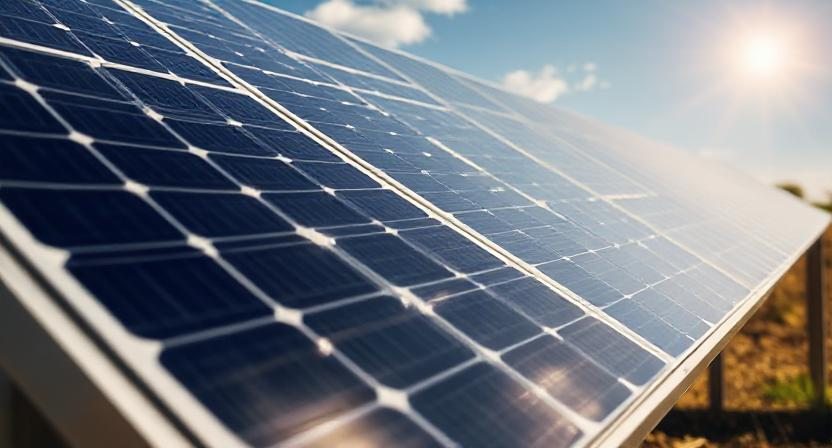
When it comes to solar energy, the environmental impact is a crucial aspect that demands attention. While the idea of clean, renewable energy is appealing, the processes involved in harnessing solar power have implications that stretch beyond just reducing carbon emissions. From the extraction of raw materials to the disposal of decommissioned panels, each step in the lifecycle of solar energy systems has ripple effects on the environment. Understanding these complexities is key to making informed decisions about our energy future. Key Takeaways Solar Energy Production Processes When it comes to the production processes of solar energy, efficiency is key. Solar energy is harnessed through photovoltaic cells that convert sunlight into electricity. These cells are typically made from silicon, a material known for its effectiveness in capturing solar energy. The production of solar panels involves the assembly of these cells into modules, which are then installed in arrays to generate power. It’s crucial to optimize each step of this process to maximize energy output while minimizing waste. By streamlining manufacturing techniques and increasing the lifespan of solar panels, the efficiency of solar energy production can be greatly enhanced. Embracing advancements in technology and sustainable practices is essential to ensuring the continued growth of solar energy as a clean and renewable power source. Land Use and Habitat Disruption To consider the environmental impact of solar energy, one must examine the consequences of land use and habitat disruption. Solar farms require large areas of land for installation, leading to habitat loss and fragmentation. This can disrupt local ecosystems, displacing wildlife and altering natural habitats. The clearing of land for solar projects can also result in soil erosion, loss of biodiversity, and disruption of water flow patterns. It’s essential to carefully plan the location of solar installations to minimize these negative impacts. Implementing measures such as utilizing degraded or non-prime agricultural land, incorporating native vegetation into solar sites, and conducting thorough environmental assessments can help mitigate the effects of land use and habitat disruption caused by solar energy development. Water Usage and Pollution Solar energy production involves the usage of water for various processes, including cleaning solar panels and cooling equipment. While solar power generation is generally less water-intensive than other forms of energy production, water usage can still be a concern in water-scarce regions. Additionally, the chemicals and materials used in the manufacturing of solar panels can pose risks of water pollution if not properly managed. For instance, the production of photovoltaic cells involves the use of toxic chemicals like sulfuric acid and various heavy metals. Proper disposal of these materials and monitoring of water quality are crucial to mitigate potential pollution risks associated with solar energy. Being mindful of water usage and pollution in solar energy production is essential for minimizing its environmental impact. Lifecycle Analysis of Solar Panels A comprehensive lifecycle analysis of solar panels examines the environmental impacts associated with their entire lifespan, from raw material extraction to manufacturing, installation, operation, and eventual disposal. The extraction of raw materials like silicon and metals can result in habitat destruction and water pollution. Manufacturing processes often involve energy-intensive activities that contribute to greenhouse gas emissions. During operation, solar panels produce clean energy, reducing reliance on fossil fuels and mitigating air pollution. However, at the end of their lifespan, improper disposal can lead to electronic waste issues, releasing toxic substances into the environment. Understanding these lifecycle stages is crucial for developing sustainable practices and minimizing the environmental footprint of solar energy technologies. Mitigation Strategies for Environmental Impact Considering the environmental impacts highlighted in the lifecycle analysis of solar panels, implementing effective mitigation strategies is imperative. To address the resource depletion and emissions associated with solar panel production, opting for manufacturers with robust sustainability practices can make a significant difference. Utilizing recycled materials in panel production and improving energy efficiency in manufacturing processes are key steps. Minimizing transport emissions by sourcing materials locally and investing in renewable energy for manufacturing facilities can further reduce impacts. End-of-life management is crucial too; ensuring proper recycling and disposal of panels can prevent environmental harm. Frequently Asked Questions How Do Solar Panels Perform in Extreme Weather Conditions? In extreme weather conditions, solar panels generally perform well, but may be affected. High winds can damage panels, hail can cause dents, and extreme heat can reduce efficiency. Regular maintenance can help mitigate potential issues. Can Solar Energy Be Harnessed Efficiently in Urban Areas? You can harness solar energy efficiently in urban areas by maximizing rooftop installations, using solar canopies in parking lots, and integrating photovoltaic systems into building facades. This approach optimizes space and increases renewable energy production. What Happens to Old Solar Panels at the End of Their Lifespan? When old solar panels reach the end of their lifespan, they can be recycled to recover valuable materials. This process reduces waste and allows for the reuse of components, contributing to a more sustainable approach to solar energy production. Are There Any Health Risks Associated With Solar Energy Production? Yes, there are potential health risks associated with solar energy production. Exposure to chemicals during manufacturing and installation, as well as electrical hazards, can pose risks. However, proper safety measures can mitigate these concerns. How Does Solar Energy Impact Local Economies and Communities? Solar energy positively impacts local economies and communities by creating jobs, boosting economic growth, and reducing energy costs. It also promotes energy independence, attracts investments, and fosters sustainable development, benefiting both individuals and communities alike. Conclusion In conclusion, understanding and addressing the environmental impact of solar energy is crucial for a sustainable future. By implementing mitigation strategies and sustainable practices throughout the production, installation, and end-of-life stages of solar panels, we can minimize ecological harm and maximize the benefits of clean energy. It’s up to all of us to prioritize environmental responsibility in the transition to renewable energy sources.
Top Benefits of Switching to Solar Energy
When it comes to considering the advantages of transitioning to solar energy, the potential benefits go beyond just saving on your utility bills. By making this switch, you open the door to a range of advantages that can positively impact both your finances and the environment. From reducing your carbon footprint to gaining energy independence, the benefits of solar power are multi-faceted and far-reaching. So, why not explore how embracing solar energy could transform your lifestyle and contribute to a more sustainable future? Key Takeaways Lower Electricity Bills Lowering your electricity bills is one of the most compelling reasons to switch to solar energy. By harnessing the power of the sun, you can significantly reduce your monthly utility costs. Solar panels convert sunlight into electricity, allowing you to generate your own power and rely less on traditional energy sources. With solar energy, you can produce electricity during peak daylight hours, offsetting your reliance on the grid and potentially even selling excess energy back to your utility company. Over time, the savings on your electricity bills can offset the initial investment in solar panels, making it a financially savvy choice for homeowners looking to decrease their monthly expenses and increase their energy independence. Environmental Impact Switching to solar energy brings a positive environmental impact that can significantly reduce your carbon footprint. By harnessing the power of the sun, you can lower greenhouse gas emissions, combat climate change, and contribute to a cleaner, healthier planet. Solar energy generates electricity without releasing harmful pollutants into the atmosphere, unlike traditional fossil fuels. This means less air and water pollution, preserving ecosystems, and protecting wildlife habitats. Additionally, solar panels require minimal water for maintenance compared to other energy sources, helping conserve this precious resource. Embracing solar power not only benefits you financially but also plays a vital role in safeguarding the environment for future generations. Make the switch to solar today and be a part of the solution to environmental challenges. Energy Independence Embracing solar energy fosters a sense of self-reliance and energy independence. By harnessing the power of the sun, you take control of your energy future and reduce reliance on traditional energy sources. Here are some key benefits of achieving energy independence through solar energy: Return on Investment When considering the transition to solar energy, one of the most compelling factors to ponder is the return on investment. Investing in solar panels can lead to significant long-term savings on your energy bills. Over time, the money saved on electricity costs can outweigh the initial investment in solar panels. Additionally, solar panels can increase the value of your property, providing a solid return if you decide to sell your home in the future. With the decreasing costs of solar technology and the availability of financing options, the return on investment for solar energy is becoming more attractive than ever. Tax Incentives If you’re looking to maximize the benefits of transitioning to solar energy, exploring the various tax incentives available to you can significantly impact your bottom line. Here are some key tax incentives to consider: Frequently Asked Questions How Long Does a Solar Panel System Typically Last? Solar panel systems typically last around 25-30 years. With proper maintenance and care, you can maximize their lifespan. Regular inspections and cleaning can help ensure that your system continues to generate clean, renewable energy efficiently. Are There Any Maintenance Costs Associated With Solar Panels? Yes, there are some maintenance costs associated with solar panels. You should plan for occasional expenses like inverter replacements or panel cleaning. Regular upkeep ensures optimal performance and longevity for your solar energy system. Can Solar Panels Work During Cloudy or Rainy Days? Yes, solar panels can still generate electricity during cloudy or rainy days. While their efficiency may decrease, they can still produce power. It’s important to consider your location and the specific weather conditions when estimating solar panel performance. What Happens if My Energy Needs Exceed the Solar Production? If your energy needs exceed solar production, you can rely on grid electricity or add battery storage. This ensures continuous power supply. Consider energy-efficient practices to minimize excess usage. Evaluate your needs for optimal solar system sizing. Do Solar Panels Increase the Value of My Property? Solar panels can significantly boost your property value. They are considered desirable features that can attract potential buyers. By investing in solar energy, you not only save on electricity costs but also enhance the appeal and worth of your home. Conclusion So, why wait? Make the switch to solar energy today and start enjoying the benefits of lower electricity bills, a reduced environmental impact, increased energy independence, a great return on investment, and valuable tax incentives. It’s a win-win situation for your wallet and the planet. Don’t hesitate to take this eco-friendly and financially savvy leap towards a brighter future.
Understanding Solar Power vs. Traditional Energy Sources
When considering the transition towards sustainable energy sources, it’s crucial to grasp the nuances between solar power and traditional energy methods. The benefits and drawbacks of each play a pivotal role in shaping our energy landscape. By unraveling the complexities of solar power versus conventional energy sources, you’ll gain a deeper understanding of the implications for our environment and economy. Key Takeaways Solar Power Basics When it comes to understanding solar power basics, one key concept to grasp is how sunlight is converted into electricity. Solar panels, made up of photovoltaic cells, capture sunlight and convert it into direct current (DC) electricity through a process called the photovoltaic effect. These cells are typically made of silicon, a semiconductor material that releases electrons when exposed to sunlight. The flow of these electrons creates an electrical current, which can then be converted into alternating current (AC) electricity using an inverter. This AC electricity can power homes, businesses, and even entire communities, providing a sustainable and renewable energy source that helps reduce reliance on fossil fuels. Traditional Energy Sources Overview Exploring traditional energy sources reveals a diverse mix of non-renewable options like coal, oil, and natural gas that have long powered our modern world. Coal, once a dominant energy source, is known for its abundance and relatively low cost. Oil, crucial for transportation and heating, remains a cornerstone of the global energy mix. Natural gas, cleaner than coal and oil, is increasingly popular for electricity generation. Nuclear energy, generated from uranium, provides a steady power supply with minimal greenhouse gas emissions. Hydropower, harnessed from flowing water, is another significant traditional energy source. These sources have been vital for meeting energy demands, but concerns about sustainability and environmental impact drive the search for cleaner alternatives. Environmental Impact Comparison Moving from a focus on traditional energy sources to an examination of their environmental impact sheds light on the implications of our energy choices. Traditional energy sources such as coal and oil release harmful greenhouse gases into the atmosphere, contributing to climate change and air pollution. In contrast, solar power generates electricity without producing any emissions or pollutants during operation. The production of solar panels does have some environmental impact, primarily in the form of energy consumption and potential chemical waste. However, over the lifetime of a solar system, the environmental benefits far outweigh these initial costs. By choosing solar power over traditional energy sources, you can significantly reduce your carbon footprint and contribute to a cleaner, healthier planet for future generations. Cost Analysis: Solar vs. Traditional Comparing the cost of solar power to traditional energy sources is essential for making informed decisions about energy consumption. Initially, the upfront cost of installing solar panels can be higher, but over time, solar energy proves to be more cost-effective. With advancements in technology, the price of solar panels has significantly decreased, making them more accessible. Moreover, solar energy systems have lower maintenance costs compared to traditional energy sources like coal or natural gas. When considering the long-term benefits and savings on electricity bills, solar power emerges as a more economical choice. It’s crucial to analyze not just the initial investment but also the overall expenses over the system’s lifespan to determine the most cost-effective energy option for your needs. Efficiency and Reliability Factors Analyzing the efficiency and reliability factors of solar power and traditional energy sources is crucial in determining the most suitable energy option for your needs. When comparing these factors, consider the following: Future Outlook and Trends Considering the advancements in technology and the shifting global energy landscape, it’s evident that both solar power and traditional energy sources are experiencing changes that will shape the future of energy production. Solar power is projected to continue its growth trajectory, driven by declining costs of solar panels and batteries, as well as increased efficiency in energy storage solutions. On the other hand, traditional energy sources are also adapting by integrating more renewable energy into their portfolios and exploring cleaner technologies like carbon capture and storage. The future outlook suggests a more diversified energy mix, with solar power playing a significant role in meeting the world’s energy demands while traditional sources evolve to become more sustainable and environmentally friendly. Frequently Asked Questions Can Solar Panels Work in Extreme Weather Conditions? Yes, solar panels can work in extreme weather conditions. They are designed to withstand various elements like snow, hail, and high winds. However, excessive heat can slightly decrease their efficiency, but they still produce power. How Are Traditional Energy Sources Impacting Indigenous Communities? Traditional energy sources are negatively impacting indigenous communities by causing environmental degradation, health issues, and cultural disruptions. You can advocate for sustainable alternatives, support local initiatives, and amplify indigenous voices to address these impacts effectively. Are There Any Health Risks Associated With Solar Power? You should know that while solar power is generally safe, improper installation or maintenance can pose risks like electrical hazards. Regular maintenance and hiring qualified professionals can help ensure your solar system operates safely. What Happens to Solar Panels at the End of Their Lifespan? When solar panels reach the end of their lifespan, they can be recycled to recover materials. This process reduces waste and allows for the reuse of valuable resources. It’s important to properly dispose of them for environmental sustainability. How Do Traditional Energy Sources Contribute to Geopolitical Conflicts? Traditional energy sources, like oil and gas, often lead to geopolitical conflicts due to competition over resources. They can create tensions between nations, impacting global stability. Consider diversifying energy options to reduce reliance on these sources and promote peace. Conclusion In conclusion, choosing solar power over traditional energy sources is a smart and sustainable decision for the future. With zero emissions, decreasing costs, and long-term savings, solar energy offers a cleaner and more efficient alternative. By considering the environmental impact, cost analysis, efficiency, and reliability factors, it’s clear that solar power is a key player in shaping a more sustainable energy landscape. So why wait? Make the switch to
Why Solar Energy Is the Future of Renewable Energy
With its increasing efficiency and cost-effectiveness, solar energy has emerged as a frontrunner in the realm of renewable energy. The potential of harnessing the sun’s limitless power offers a promising solution to pressing environmental concerns and energy needs. But why is solar energy considered the future of renewable energy? The answer lies in its transformative impact on sustainability and the way we power our world. Key Takeaways Solar Energy: A Sustainable Solution When it comes to sustainable energy options, solar energy stands out as a reliable and eco-friendly solution. By harnessing the power of the sun, you can reduce your carbon footprint and contribute to a cleaner environment. Solar panels convert sunlight into electricity, providing a renewable source of energy for your home or business. The beauty of solar energy lies in its simplicity – no moving parts, no noise pollution, just clean energy generation. With advancements in technology, solar energy systems have become more efficient and affordable, making it a practical choice for many. Embracing solar power not only benefits the planet but also offers independence from traditional energy sources. Make the switch to solar energy today and pave the way for a greener tomorrow. Economic Benefits of Solar Power Considering the economic benefits of solar power, it’s clear that investing in solar energy can lead to substantial cost savings over time. Initially, there are installation costs, but government incentives and decreasing solar panel prices make it more affordable. Over the long term, solar power can significantly reduce or even eliminate electricity bills. By generating your electricity, you can protect yourself from rising utility costs. Moreover, excess energy can be sold back to the grid through net metering programs, providing additional savings. Additionally, solar panels increase property value, offering a return on investment if you decide to sell your home. In essence, the economic advantages of solar power make it a wise financial choice for the future. Solar Energy’s Global Accessibility Accessible to people across the globe, solar energy is a renewable resource that holds immense potential for addressing the world’s energy needs. Four reasons why solar energy is globally accessible are: These factors make solar energy a viable and inclusive option for meeting energy demands worldwide. Advancements in Solar Technology Solar technology has seen remarkable advancements in recent years, transforming the way we harness energy from the sun. Improvements in solar panels have led to increased efficiency and reduced costs, making solar energy more accessible than ever before. Innovations like thin-film solar cells, bifacial panels, and solar shingles are revolutionizing the industry by offering more flexible and aesthetically pleasing options for solar installations. Energy storage solutions, such as lithium-ion batteries, have also advanced, allowing for better utilization of solar power even when the sun isn’t shining. Moreover, smart technologies like solar trackers and monitoring systems optimize energy production, maximizing the benefits of solar energy for both residential and commercial applications. Environmental Impact of Solar Energy With the advancements in solar technology enabling more efficient energy harnessing, it’s time to shift our focus towards the environmental impact of solar energy. Frequently Asked Questions How Does Solar Energy Impact Property Value? Solar energy positively impacts property value by reducing energy costs, increasing self-sufficiency, and appealing to eco-conscious buyers. Installing solar panels can raise your home’s value and attract potential buyers looking for sustainable features. Can Solar Panels Work During Cloudy Days? Yes, solar panels can still work on cloudy days. While they may not be as efficient as on sunny days, they can still generate electricity. Cloud cover reduces sunlight intensity but doesn’t completely hinder solar panel functionality. Are There Any Health Risks Associated With Solar Energy? Yes, there are minimal health risks associated with solar energy. Exposure to ultraviolet rays during installation or maintenance can pose a risk. However, following safety protocols, such as wearing protective gear, can greatly reduce any potential health hazards. What Happens to Solar Panels at the End of Their Lifespan? When solar panels reach the end of their lifespan, they are typically recycled. Companies collect and dismantle them, separating the materials for reuse. This sustainable practice ensures that old panels don’t end up in landfills, benefiting the environment. How Do Solar Panels Perform in Extreme Weather Conditions? In extreme weather conditions, solar panels can still generate electricity but may be less efficient. Hail and heavy snow can damage panels. High temperatures can reduce efficiency. Regular maintenance can help panels endure and perform better. Conclusion In conclusion, solar energy is undeniably the future of renewable energy. Its economic benefits, global accessibility, technological advancements, and positive environmental impact make it a sustainable and attractive option for meeting energy demands. With the continued development of solar technology and energy storage solutions, the potential for a greener and more sustainable future is within reach. Embrace solar power as the key to a cleaner and more efficient energy landscape.
How to Set Up a Solar Panel System: Step-by-Step Guide
To set up a solar panel system, I first calculate my power load by listing all devices and their wattage. Next, I choose the right solar panel array and type based on my energy needs. I choose a portable power station that fits my needs. Then, I buy balance system parts like a charge controller and inverter. After mounting the solar panels, I connect them to the battery. If you’re curious about the finer details, there’s more to explore. Calculate Your Power Load Calculating your power load is an essential first step in setting up your solar panel system. First, I list all my devices and appliances. I check their wattage and estimate how long I use each one each day. By multiplying the wattage by the hours of use, I can calculate the total energy needed in watt-hours. The average American household uses about 10,632 kWh each year. This is about 886 kWh per month. It can help as a useful guideline. Once I know my energy requirements, I can determine how many solar panels I need. To plan for solar panel installation, I use this formula: Number of panels = Total annual kWh / Production ratio / Panel wattage. This helps ensure the panels will meet my energy needs. Choose Your Solar Panel Array Choosing the right solar panel array is key to boosting energy production and efficiency. I started by figuring out my total energy use. I used the average American household’s 886 kWh per month as a guide. To find out how many panels I needed, I took my yearly energy needs. Then, I divided that by the production ratio and the wattage of the panels, which is 400W. I looked at three main types: I need to make sure the panels I pick fit well with my other system parts, like the inverter and charge controller. I checked the local sunlight and shading. This helped me find the best spot for my solar panel array. Select the solar panel type. When it comes to choosing the right solar panel type, I’ve found there are three main options to evaluate: monocrystalline, polycrystalline, and thin-film panels. Monocrystalline panels are very efficient, typically ranging from 15% to 22%. This makes them perfect for small spaces. Polycrystalline panels are more affordable but have lower efficiency ratings, typically around 13-16%. Thin-film panels are light and easy to move. However, their efficiency varies from 7% to 18%. When choosing solar panels, think about the production ratio. It shows how much energy you can generate from sunlight. Consider your installation needs and space. This will help you pick the best solar panel type for your situation. This choice will greatly impact your system’s performance. Select the Portable Power Station. After you’ve chosen the right solar panel type, the next step is finding a portable power station that fits your energy needs. I always suggest checking the battery type. Lithium-ion batteries usually last longer and work better than lead-acid ones. Check that the power station’s capacity meets your energy needs. Look at the watt-hour rating of your devices. Overloading could cause problems. Choose a portable power station with various output options. Look for AC, USB, and DC ports for more versatility. Check that your solar panels are compatible. This will help ensure efficient charging. Also, think about weight and portability. Lighter models are easier to carry for outdoor trips or emergencies. Buy the Balance System. Buying the balance of system (BOS) components is a key step in setting up your solar panel system. The BOS has all you need except for the solar panels. It includes the charge controller, inverter, wiring, and mounting structures. Start with a good charge controller. It controls the voltage and current from the panels. This helps prevent overcharging the battery. Don’t forget the inverter. It changes the direct current (DC) from the panels into alternating current (AC) for your appliances. You’ll also need reliable wiring, like MC4 connectors, for secure connections. Finally, select the right mounting options. You can choose from ground mounts, roof mounts, or pole mounts. This way, you’ll maximize sun exposure and keep everything structurally sound. This way, you’ll have a complete and efficient solar setup. Gather the necessary tools and components. With the balance of system components secured, it’s time to gather the necessary tools and components for your solar panel setup. Start by making a checklist. Include solar panels, a charge controller, an inverter, batteries, and wiring materials. Make sure to select the type of solar panels that best fit your needs, like monocrystalline for efficiency or polycrystalline for cost-effectiveness. Pick a charge controller that fits your solar panel and battery specs. MPPT options can give you better efficiency. Don’t forget the tools! You’ll need screwdrivers, wrenches, wire cutters, and safety gear. It’s vital to ensure all components work well together. This is especially true for the inverter’s power rating and your calculated load. Let’s get ready for installation! Mount the solar panels. Mounting the solar panels is an essential step in your solar panel system setup. First, check that the mounting structure is stable. This could be your roof or the ground. It needs to handle different weather conditions. I point solar panels south in the Northern Hemisphere. In the Southern Hemisphere, I point them north. This way, they get the most sunlight. Set the tilt angle between 18 and 36 degrees. This will help you capture more energy all year. Use high-quality mounting brackets and hardware. This secures the panels well. It helps them withstand wind and other stresses. I double-check my installation to ensure it meets local building codes and regulations. This keeps everything safe and legal. Connect the solar panels to the battery. Now that we’ve mounted the solar panels, it’s time to connect them to the battery. I’ll share key wiring setups and tips for matching battery voltages. This will help ensure everything runs smoothly. Plus, I’ll highlight the safety precautions you need to take during this