5 Everyday Inverter Problems & How to Solve Them.
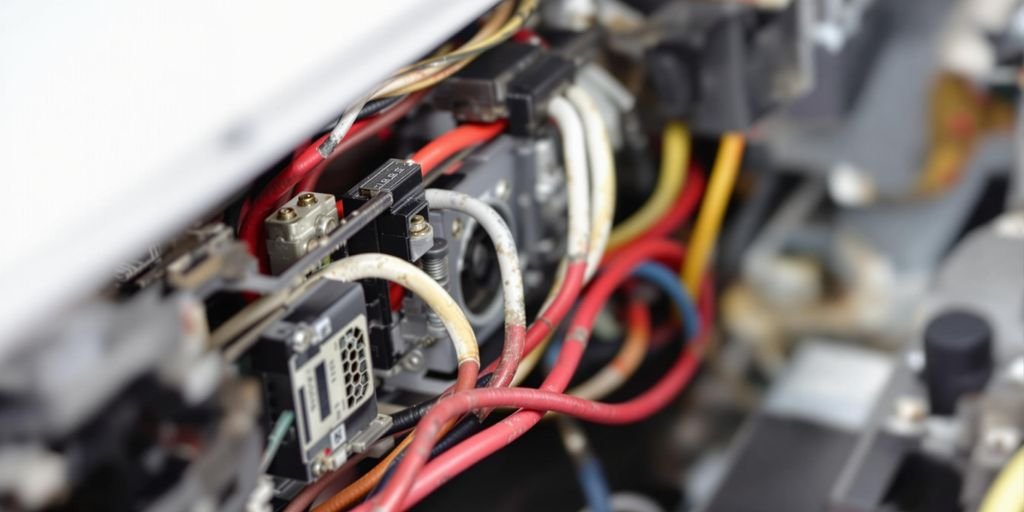
The hidden heroes of our homes are inverters. They transform DC power into AC to keep things running. However, they occasionally experience a few glitches, just like any other device. If you don’t know what’s happening, these issues can be annoying. They might be due to voltage problems or blank screens. The good news? The majority of these problems have simple solutions. Let’s examine five typical inverter issues and how to address them directly. 1. The inverter screen is blank. Even though your inverter is configured, the screen seems completely blank. This is rather typical and typically resolvable. Let’s investigate some potential causes of this and find solutions. Examine the DC switch first: You can save a great deal of trouble by taking a moment to check these easy things. Usually, it’s something minor, yet it has a huge impact. If you find problems after your inspections, it may be time to call a pro. However, a little do-it-yourself troubleshooting can typically solve the problem. 2. Overdirect Current Injection Inverter Failure One problem with inverters is failure caused by excessive DC injection. This issue arises when the inverter’s DC detection circuit samples the AC output. It removes the AC component, then compares the DC component to a set value. The inverter signals an error if this value, typically set at 0.5% of the rated current, is exceeded. What is causing this hiccup, then? This kind of failure may result from an abrupt increase in DC input power. It’s similar to when you’re driving and your car skids out of control after you hit a patch of ice. Try these actions to address this: Despite our best efforts, technical problems occasionally necessitate starting over with new tools. It reminds us that, though useful, technology is not perfect. Installing a voltage stabilizer can help protect your inverter. It will ensure steady solar generation if you have frequent voltage issues. 3. Failure of the Bus Voltage Balance The bus voltage balance failure is a subtle problem with inverters. It could surprise you. When half of the BUS+ and BUS- voltages deviate significantly from their halfway voltage, this issue arises. The inverter may indicate a failure as a result of this imbalance, stopping its operation. So, what are your options? Here is a simple checklist to assist you in addressing this problem: The simplest answers might occasionally be the most successful. Many inverter problems may be avoided with early inspections and routine maintenance, which will keep your system operating efficiently. Keep an eye on the inverter’s display in case you run into a “DC Bus Unbalance” issue. Normal operation of the inverter should resume if the voltage levels are balanced. This advice will guarantee that your inverter is operating at its best and save you a great deal of trouble. Study up on DC bus unbalance. 4. An excessively high bus voltage There can be a lot of problems when the bus voltage in an inverter system rises over average. The main issue is that high voltage might damage the inverters or shut them down. Let’s examine how this occurs and what you can do to prevent it. Typical Reasons Solution Tips for Troubleshooting In certain situations, the inverter may have a 13.5A restriction. When solar panels surpass this limit, the inverter will sound a warning and cut the string to avoid harm. To avoid trouble, always ensure your setup meets these requirements. 5. Grid Loss Inverter Failure It can be rather annoying when your inverter abruptly cuts off from the grid. There are remedies; however, this problem typically comes down to a few common causes. Typical Reasons Solution 1. Wait It Out: Often, the best option in a power outage is to wait for the electricity to return. 2. Verify Connections: Check every connection from the grid to the inverter’s AC output. Verify that no breakers are tripped or unsecured wires are present. 3. Modify Voltage Protection Settings: If overvoltage or undervoltage protection is causing problems, you may need to change the settings or seek professional advice to ensure they are suitable for your grid conditions. The biggest headaches can occasionally be caused by the slightest problems. However, with patience and some troubleshooting, you can often get your inverter back online. Final Thoughts Well, people, there you have it. Although inverters might be a little challenging, most problems can be resolved with a little perseverance and basic troubleshooting. Knowing what to check for can save you trouble. It could be a battery that won’t charge or a display that won’t light up. Keep in mind that maintaining your inverter on a regular basis is essential. And don’t be afraid to bring in a professional if everything else fails. It’s better to be safe than sorry, after all. Keep your stress levels down and your power flowing! Commonly Asked Questions Why does nothing appear on the screen of my inverter? First, make sure the DC switch is turned on if the screen of your inverter is blank. If so, there may be a loose connection or a malfunctioning inverter that requires repair. If my inverter is injecting too much direct current, what should I do? This could be the result of an abrupt change in the DC input. Try shutting off the AC/DC switch to restart your inverter. You may need to replace the inverter or update the firmware if the issue persists. How can I resolve my inverter’s bus voltage balance issue? Check that the DC connector is grounded. Also, look for loose wiring in all AC connections. It may be necessary to replace or reconnect any loose internal wiring. How can I resolve an excessively high bus voltage, and what causes it? This can be brought on by an excessive DC input voltage. Verify how many parts are connected in series and, if needed, cut them down. Think about purchasing a new inverter if the issue continues. My inverter says there is a grid loss failure; why is that? This may
Solar Energy: Benefits and Drawbacks
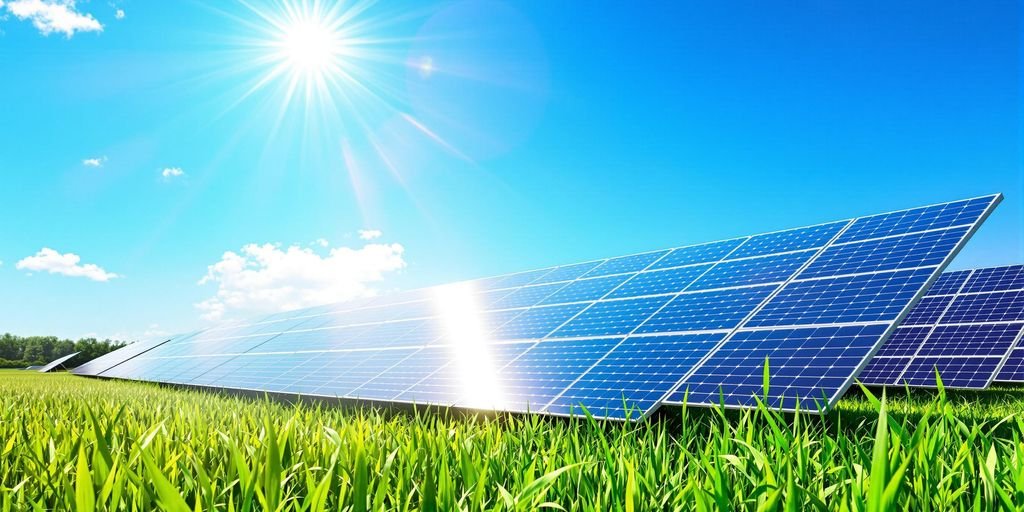
Contemplating getting solar energy? You are not the only one. Given the increased costs of energy and heightened concern regarding environmental issues, people are increasingly asking this question: Is spending money on solar energy beneficial? I will explain the advantages and disadvantages of solar energy in detail. This will involve the reality of how solar panels operate, as well as the savings and expenses that one could reasonably expect. Additionally, we will discuss issues ranging from cloudy days to upfront costs, as well as some of the new innovations in solar technology. Moreover, we will analyze how solar energy compares to other clean sources of energy. This guide is designed to provide you with all the information you could need regarding solar energy, whether you are a homeowner wanting to lower your electric bills, a curious observer interested in renewable energy, or a primary consumer trying to offset their expenses. Solar Energy 101: The Fundamentals of Solar Power How Solar Panels Work The heart of the solar system is whether photovoltaic (PV) panels or Solar Panels. They produce electricity by catching sunlight and turning it into power. This takes place because of the photovoltaic effect, in which sunlight strikes the solar cells in panels, generating an electric field across layers of silicon. This electric field makes electricity flow, creating power. It’s interesting to see how a crude concept can fuel our homes and gadgets. Types of Solar Energy Systems There are different kinds of solar power systems that are available, which have been developed to cater to different energy needs. The most common are: Grid-tied systems: These are plugged into an existing electricity grid so power can be pulled from the grid to your home and excess power pushed to the grid. Off-grid systems: Ideal for remote locations, these systems are not connected to the utility grid and are typically powered by a battery bank. Hybrid systems: Mixed systems, combining some grid-tied and off-grid elements, that retain energy in batteries and have access to the public grid as well. The Inverter Role in Solar Power Inverters are essential components of solar power systems and work to convert the direct current (DC) generated by solar panels into alternating current (AC), the power form used in most homes. The electricity produced by the panels is useless for household appliances without inverters. There are several types of inverters, such as string inverters, microinverters, and power optimizers, with varied benefits according to the system design. Having an idea of what solar power is allows for a better appreciation of the technology that turns sunlight into electricity. It really is incredible to think that with just a few panels and some clever engineering, we can draw upon an almost infinite energy source. Advantages of Solar Energy Environmental Benefits of Solar Power The first thing that comes to mind when I think about solar energy is what solar does for our planet. Solar energy is a form of clean energy and does not release any greenhouse gases into the atmosphere. That also means it doesn’t add to air pollution, which is a huge win for our health and the health of the planet. By transitioning to solar power, we can dramatically reduce these harmful emissions and improve health worldwide. And solar power doesn’t need water to turn it into electricity, unlike some other power sources; that is another green bonus. Savings and Financial Incentives One of the hippest things about solar is saving coin. Adding solar panels might lower your electricity bills, and in some towns, you could be paid for creating your extra power. In some states, you can sell your solar renewable energy certificates (SRECs) for extra cash. Over time, these savings will accumulate, which will make solar one of the soundest financial choices that you will ever make. Oh, and we can’t forget about the financial incentives and tax credits that are out there, helping to defray the startup costs of putting in a solar system. Energy Independence and Security There is an independence that comes with solar energy. You don’t depend as much on the grid, so you’re less susceptible to blackouts or price swings in energy. Solar panels can be installed just about anywhere, enabling people and nations to generate power on their own. This enhances energy security and minimizes the dependence on fossil fuel imports. It’s almost like having a mini power plant sitting in your home, offering the peace of mind that comes from knowing you’re doing something to help shape a more sustainable future. Going solar is not just about the cost savings or the ability to be good stewards of our planet, but also taking control of our energy needs and making a positive change in our world. Challenges and Limitations of Solar Energy High Initial Costs and Investment Let’s get serious for a moment, having solar panels installed has a big upfront price tag. It’s buying a new car or putting a down payment on a house. You’re talking about a big wad of cash. This upfront capital investment is likely the number one barrier most people who are looking to go solar face. Of course, there are release options and some incentives, but if you are buying, you need to be in it for several years to get the financial payback. It’s not something you do in haste without some very careful financial planning. Intermittency and Weather Dependence Solar power is nice and all, but it gets cloudy sometimes. If you are from a part of the country where the weather is fickle, you know what I am talking about. Cloud cover, rain, or even a little too much shade from the trees can interfere with how much energy you get. And at night? Forget about it. This is where energy storage comes in, but again, storage too can be expensive. We are talking here about batteries that can store energy to keep the lights on when the sun is not shining. So, because solar is
Do Solar Panels Work in Winter?
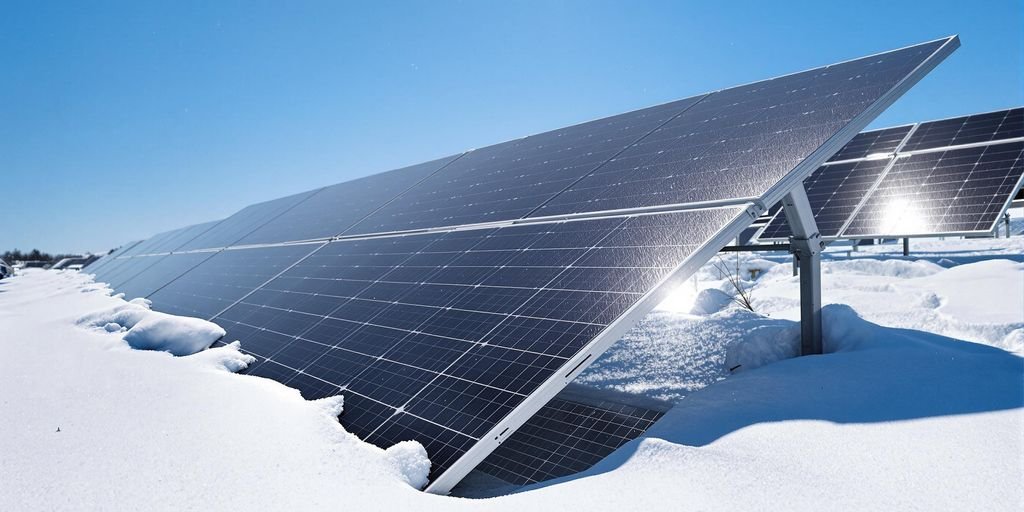
Ever wonder if those solar panels on your roof are worth it in the winter months? With the cold, snow, and shorter days, you might think they’re just sitting there doing nothing. But surprise! Solar panels can perform quite well in winter. Let’s dive into how they manage to keep producing energy even when the temperature drops. Key Takeaways Understanding Solar Panel Efficiency in Winter How cold weather affects solar panel performance. You’d think that the cold of winter would be the enemy of a solar panel, but it’s not. In fact, cold weather can even improve the efficiency of solar panels. That is, solar panels turn sunlight into electricity, not heat. Sunlight hits the photovoltaic cells. This excites the silicon’s electrons. They begin moving, and they start carrying an electrical current. Standing still, that’s in the cold. When the sun shines on them, they then produce an even larger voltage difference. This leads to better efficiency. But their output can be curtailed by the shorter daylight hours and the potential for snow. The Impact of Snow on Solar Energy Generation Snow could be a headache for solar panels, but it also has an upside. Snow on your panels is like a mirror. It bounces more sunlight off of them. All of these can give your system a kick in the pants. Of course, if panels are fully covered, they cannot produce electricity. Fortunately, panels are typically mounted at an angle, which encourages snow to slide down. And the panels soak up sunlight and get a little bit warmer, contributing to snow shedding. It’s also not usually a good idea to physically clear snow from the panels because it can damage them. Maximizing solar output during shorter days. In winter, the days are shorter, and the sun is at a lower angle to the ground, both of which can reduce solar energy production. To get the most sunlight, change to angle of your panels twice a year so you can catch the sun’s rays. Correct angle adjustment can allow for maximizing the capture of energy in these months. Also, be sure to keep the panels clear of obstructions and clean. This will maximize efficiency in your system. Another smart option can be a solar battery, which stores excess energy to use during the darker hours. And remember, while the output may be lower in winter, the efficiency of the panels is still good. The Science Behind Solar Panels in Cold Climates Photovoltaic technology and temperature You’d think solar panels require heat to function, but the truth is that light does just fine. “Paradoxically, cold temperatures can improve the performance of solar panels. As it gets colder, the electrons in solar cells become more sluggish. When sunlight strikes, it jiggles the electrons loose. This makes for a more powerful electric current. So, the days in winter may have less light. But the panels convert light to electricity more efficiently. So, as long as it’s not too cold outside and the sun is shining, your panels are toiling away The Albedo Effect: Snow’s Reflective Benefits Snow can actually help solar panels. With a layer of snow on the ground, it acts as a giant mirror, bouncing more and more sunlight onto the panels. It is called the albedo effect. It’s like an extra little hit of sunlight, which can compensate for the shorter days. So even though snow might be a headache, in fact, it can aid your solar panels in producing more power. Challenges of Snow Accumulation on Panels Of course, not all snow news is good news. It will tend to build up on the panels, and if it does so heavily enough, it can block sunlight from reaching them. This is where you have to be cautious. Heavy snow can also stress the panels and cause damage. Think about how to safely remove snow. You don’t want it to scratch or crack the panels. Silicon-based solar panels are hardy, but freezing and thawing can do them in. So it’s probably a good idea to sweep them clear of snow, for efficiency’s sake. Practical Tips for Maintaining Solar Panels in Winter Safe Snow Removal Techniques Heavy snow can block sunlight and prevent your panels from producing energy. There’s a strong temptation to just yank out the broom and sweep it off, but wait! You can scratch your panels with the wrong tool. All you require is a soft snow brush or a specialized tool, yes, there are such things for cleaning solar panels! Don’t void any warranties. Always consult with your solar installer to make sure you’re not doing anything that will void your warranties. And, as always, be safe. There’s no point in risking it all to clean them. How to Stop Icy Damage for Solar Panels Ice can be tricky. It’s created when snow melts and refreezes, and it can put a great deal of stress on your panels and mounting systems. To avoid this from happening, install your panels at the proper angle. This will cause the snow to slide down. Maintenance and inspections can prevent problems from escalating. You should also purchase a heating system to keep the panels free of ice if that’s a common issue in your area. Optimizing Panel Angle for Winter Sunlight The sun is lower in the sky in winter. So tweaking the angle of your panels can have a big impact. Tilt your panels to maximize the sun exposure. If it can, point the tilt at a steeper angle in winter than in summer. This has not only made energy capture better, but it also discourages snow from sliding off quite as easily. Always adhere to the manufacturer’s recommendations or hire a pro to prevent mishaps. Solar panels stay busy during the summer, which is also a time of year when there tend to be relatively low levels of rainfall. But if you put in a little bit of effort and learn the right tricks, you can keep them running and lasting even longer. Be proactive. Do make small modifications to account for the seasonal differences Comparing Solar Energy Production Across Seasons Seasonal Variations in Solar Output Solar generation can be radically different from season to season. The angle and duration of the sun change throughout the year. This impacts how much energy solar panels can capture. In summer, longer days and a steeper angle of the sun