What Is Net Metering & How Does It Save You Money
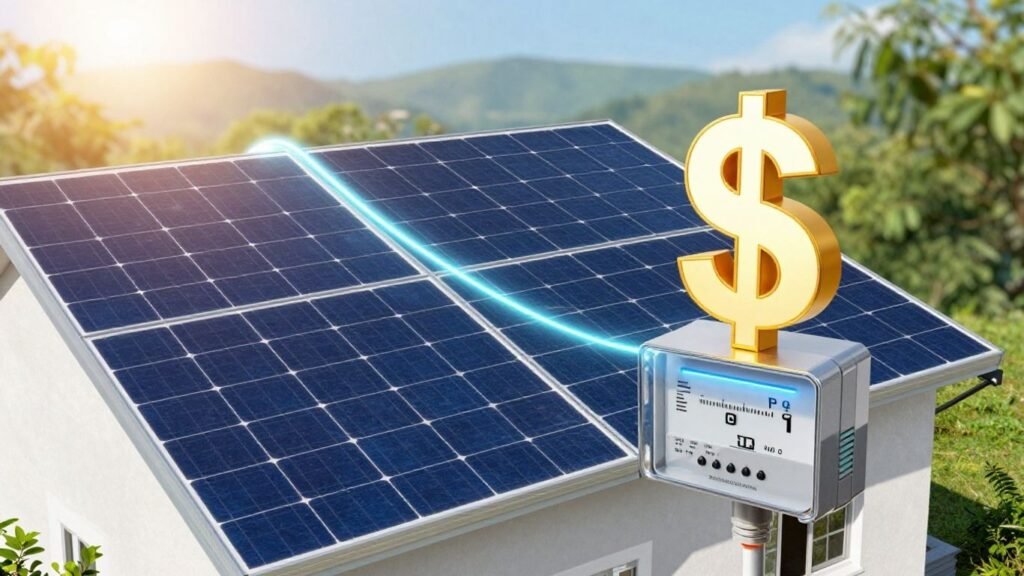
I’ve been looking into ways to cut down on my electricity bills, and I stumbled upon something called Net Metering. It sounds pretty interesting, especially if you have things like solar panels. Basically, it’s a system that lets you get credit for the extra electricity your system makes and sends back to the power grid. It seems like a smart way to save money and also help out with renewable energy. Let’s break down what it is and how it can work for you. Key Takeaways Understanding the Basics of Net Metering So, you’re considering solar panels or maybe you already have them? That’s great! But, if the sun was shining brightly and you weren’t at home all day, have you ever asked yourself what happens to the excess electricity your panels are producing? This is where net metering gets involved, and actually, it’s a very clever concept that can do wonders for your electricity bill. This is where net metering gets involved. If you are still learning what solar energy is and how it works, net metering is simply the billing side of that process. How Does Net Metering Work? To put it in the simplest of terms, net metering is a kind of billing agreement between you and your electric company. And the power that your solar panels generate in excess of what you use at any given time, whether it’s used a moment later, an hour later, or even months later, doesn’t just vanish. It doesn’t, sending back its surplus to the grid for other people to use. Even though your electric meter is typically just counting how much power you’re pulling from the grid, it can be made to run backward (or at least track in both directions) because of all that energy dispatch. Your electric meter, instead of only tracking what you pull from the grid, measures energy going both ways. That is why understanding what is a solar inverter is important, since the inverter helps convert solar energy into usable electricity before it reaches your home or the grid. Here’s a quick rundown of how it generally plays out: One caveat: The precise rules governing how credits for net metering are calculated and applied can vary by location, where exactly you live, and which specific utility serves your home. Some municipalities have programs where they offer credits at the full retail rate, and others might provide a different rate for your exported energy. Be sure to verify with your local supplier for the exact details. Key Components of a Net Metering System To make net metering happen, there are a few key things you need: A Renewable Energy Source: Most homeowners use solar panels. If you are unsure about panel types, check out types of solar panels or compare polycrystalline vs monocrystalline solar panels. By Bi-Directional Meter: A special meter your utility company installs. Whereas a standard meter simply records electricity coming into your home from the grid, a bi-directional meter keeps track of consumption in one direction and what you send back in the other. This is how they very accurately monitor your energy exchange. You can learn more from your utility provider about how net metering works. A Net Metering Agreement: You must sign an agreement with the utility. Here, you’ll agree to the book of business for net metering and its terms, such as how you’ll receive credit for extra energy generation and any other special requirements that apply to your situation. The Financial Benefits of Net Metering When I started investigating solar panels, I mostly had the environment in mind. But then I started hearing about net metering, and it really changed my perspective overall. As it happens, going solar isn’t just good for the planet; it’s really good for my wallet as well. Net metering is a billing policy that allows me to get credit for the excess electricity produced by my solar panels. If you are wondering whether it is truly worth it, you might want to read is solar energy worth it for your home. Reducing Your Electricity Bills This is most likely the most visible advantage. Before I got solar, my electricity bill was something that stressed me during the scorching heat of summer. But now, with net metering, any electricity my panels produce that I don’t use feeds back into the grid. The power company then gives me credit for that energy. They’re buying back the power I don’t want. This decreases my monthly savings on my electric bill, directly. Occasionally, on extremely sunny periods, my bill can be super low, which is a very big relief. This directly reduces my monthly bill. In some cases, especially in high-sun states like those covered in solar panel cost by state, the savings can be substantial. Earning Credits for Excess Energy I’m not just trying to lower my balance; I want to get something out of this, too. When my solar system generates more power than I’m drawing at any given time, that extra energy goes back to the grid. With the excess energy I send out, my utility meter effectively spins backward. Those credits roll over, so I can cash them in for power when I use more, such as when my panels don’t produce much electricity, like at night or on cloudy days. Understanding how solar panels affect your monthly bill makes it easier to see how net metering enhances long-term savings. Some have a feature that would seem to allow me to roll these credits month-to-month, which is good, because I shouldn’t lose out on the value of the kilowatt-hours I’m producing. This implementation makes the concept of producing solar energy all the more attractive. Potential for Increased Home Value I also hear that homes with solar panel systems, particularly those tied into net metering, are more appealing to buyers. It’s not just in the panels per se themselves, but you are buying a home with a system which can potentially reduce or even eliminate electricity costs. This can be a huge selling point. I’ve no plans to move for a long while, but it’s great to think my investment can, in theory, add
What Are The Recommended Thermostat Settings For Summer And Winter?

I’ve found that for winter, it’s best to set your thermostat to 68°F while you’re home and lower it to about 63-65°F at night. In summer, aim for 78°F when you’re home, and raise it to around 85°F when you’re away for longer periods. These settings help balance comfort with energy savings. If you’re curious about optimizing your home environment further, there’s plenty more beneficial information to explore. Find out how solar energy can benefit your household.🔗 Learn More Recommended Thermostat Settings for Winter When I think about winter thermostat settings, I recommend keeping it at 68°F while you’re home and awake to strike a balance between comfort and energy savings. This thermostat setting not only keeps you comfortable but also promotes energy efficiency. If you lower the temperature to 63-65°F during sleep, you can save money on heating costs. Each degree you reduce can save you about 3% or more on your expenses. When you’re away for extended periods, setting the thermostat to 55°F can maximize savings. Additionally, reducing the temperature by 7-10°F for 8 hours can lead to up to 10% savings on heating bills annually. These adjustments can make a real difference in your winter energy costs. Recommended Thermostat Settings for Summer To keep your home comfortable and energy-efficient during the summer, I recommend setting your thermostat to 78°F while you’re home. When you’re away for more than four hours, consider raising the thermostat to 85-88°F to save energy and reduce cooling costs. Remember, setting your thermostat colder than 78°F won’t cool your home faster, and it can lead to unnecessary expenses. Maintaining a consistent thermostat setting not only enhances comfort but also prevents strain on your HVAC system, improving overall energy efficiency. Thermostat Setting Purpose 78°F Comfort at home 85-88°F Save energy when away < 78°F Unnecessary expenses Consistent setting Prevent HVAC strain 82°F ideal sleep comfort Ideal Temperature for Sleeping When it comes to getting a good night’s sleep, I’ve found that the temperature in my bedroom plays a huge role. In winter, I aim for around 65°F, while in summer, I adjust to about 78°F to stay comfortable. These small changes not only improve my sleep quality but can also help save on energy costs. Optimal Sleep Temperature Range Finding the right temperature for sleeping can make a significant difference in how well I rest at night. The ideal temperature range is between 60-67°F, which promotes comfort and better sleep quality. Here’s what I’ve learned about best sleep temperatures: Seasonal Sleep Temperature Adjustments Adjusting your sleep environment according to the seasons can make a big difference in your overall comfort and rest. For winter, I aim for an ideal sleep temperature of around 65°F, which really helps with sleep quality. In summer, I raise it to about 78°F to maintain a cool atmosphere without sacrificing energy efficiency. During spring and fall, I stick to the same temperatures—65°F when it’s cool and 78°F when it warms up. By adjusting my thermostat settings before bed, I also enjoy energy savings by reducing HVAC operation during the night. These seasonal adjustments not only enhance my comfort but also support a better night’s sleep, making it easier to wake up refreshed. Effects on Sleep Quality Although many factors influence sleep quality, the temperature of your bedroom plays an essential role in how well you rest. I’ve found that sticking to the ideal temperature for sleeping—between 60-67°F—can greatly improve my sleep. Here’s why it matters: Best Temperature for Houseplants When it comes to caring for houseplants, the right temperature can make all the difference. I’ve found that the ideal thermostat temperature for most houseplants is between 60-75°F. This range promotes healthy growth and keeps them thriving. It’s essential to set the temperature for your thermostat to avoid extremes—never let it drop below 50°F or rise above 85°F, as this can stress your plants. Consistency is key; fluctuations can harm their health. Additionally, pairing the right homes temperature with adequate humidity levels is important. If you want to be energy efficient, consider how adjusting your thermostat can also lower your energy bills while keeping your plants happy and healthy! Optimal Temperature for Pets Many pet owners might not realize how essential the right thermostat settings are for their furry friends’ comfort and health. Keeping the temperature just right can greatly impact their well-being. Here are some key points to contemplate: Comfortable Room Temperature for Infants When it comes to keeping infants comfortable, I find that maintaining a room temperature between 65°F and 74°F is essential for their safety and health. It’s important to monitor the environment to prevent overheating, which can be a risk factor for SIDS. Plus, dressing them in light layers can help regulate their body temperature effectively. Ideal Temperature Range Ensuring your infant is comfortable means keeping the room at an ideal temperature range, which is typically between 65-74°F. This range is vital for their well-being, especially since infants are sensitive to temperature fluctuations. Here are some key points to take into account: Safety and Health Considerations While it’s easy to overlook the importance of room temperature, maintaining a safe and comfortable environment for your infant is fundamental for their health. The recommended thermostat settings for infants fall between 65°F and 74°F, which is essential for preventing overheating—a known risk factor for Sudden Infant Death Syndrome (SIDS). When adjusting your thermostat, keep in mind that infants can’t regulate their body temperature as effectively as adults. To guarantee a safe temperature for sleeping, dress them in light layers and avoid heavy blankets. Regularly checking the temperature helps you stay comfortable while managing heating and cooling costs, ultimately saving on energy costs. Keeping your infant’s room within this range is crucial for their well-being. Monitoring Room Conditions After establishing a safe temperature range for your infant, monitoring the room conditions becomes essential for their ongoing comfort. The ideal room temperature should be between 65-74°F, as fluctuations can disrupt their sleep patterns. I always make it a point to: Keeping these factors in mind helps create a comfortable environment for my little one, ensuring they sleep soundly and safely. Importance of Thermostat Placement The placement of your thermostat is crucial for maintaining a comfortable home environment. For accurate readings and efficient temperature settings, I recommend installing your thermostat on an interior wall, away from direct sunlight and air vents. This helps avoid the influence of external heat
Understanding Solar Panel Financing and Payment Options
Understanding financing and payment options is crucial for investing in solar panels. Solar leases and loan options can feel overwhelming at first. Before committing, it’s important to understand solar panel financing. This helps you make the best choice for your energy needs and financial goals. Key Takeaways Types of Solar Panel Financing When considering solar panel financing, you have various options to choose from. One common option is a solar lease, where you pay a fixed monthly amount to use the solar panel system but do not own it. You can also choose a power purchase agreement (PPA). With this option, you pay a set rate for the electricity the system generates. If you prefer to own the system, you can opt for a solar loan. A solar loan helps you buy the system. You can usually take advantage of incentives or tax credits too. Also, some lenders provide loans just for solar panels. These loans meet the special needs of buyers. If you want to lower upfront costs, consider solar financing options. One option is the Property Assessed Clean Energy (PACE) program. This lets you pay for the system through property tax assessments. Knowing your solar panel financing options helps you choose what fits your goals and needs best. Solar Loan Options You can explore solar loan options. Many financial solutions can help you own a solar panel system. Solar loans are a popular choice for those looking to finance their solar energy system. With a solar loan, you can borrow the funds needed to purchase the solar panels outright. This allows you to own the system and benefit from the energy savings and incentives that come with it. There are two main types of solar loans: secured and unsecured. Secured loans need collateral, like your home. This can lead to lower interest rates. Unsecured loans don’t need collateral. However, they often have higher interest rates. Compare loan terms, interest rates, and repayment options from various lenders. This helps you find the best fit for your finances. When you consider a solar loan, also factor in the potential savings on your electricity bills. Also, check for any available incentives or tax credits. This lets you see how cost-effective it is to finance your solar panel system with a loan. Solar Lease Agreements If you don’t want to take a loan for your solar panel system, consider a solar lease instead. A solar lease lets you install solar panels on your property. You don’t need to pay for the equipment upfront. Instead, you pay a fixed monthly amount to the solar company that owns the system. This is a great choice for people who want solar energy but don’t want to pay upfront. A key benefit of a solar lease is that the solar company handles maintenance and repairs. This means you won’t have to worry about additional costs if something goes wrong with the panels. Some lease agreements let you buy the system at the end of the lease. This gives you a chance to own the panels. It’s important to review the lease agreement carefully. Look out for escalator clauses. They can raise your monthly payments over time. Compare the total costs of leasing and buying. This will help you find the option that makes the most financial sense for you. Power Purchase Agreements (PPAs) Considering a different way to finance your solar panel system? Power Purchase Agreements (PPAs) offer an alternative option worth exploring. A PPA means a third-party provider puts in and looks after the solar panels on your property. You agree to buy the electricity the system produces at a set rate. This rate is usually lower than what you pay your utility company. A key benefit of a PPA is that you avoid paying the upfront costs for buying and installing solar panels. You only pay for the electricity generated. This can lead to quick savings on your utility bills. Also, the third-party provider owns the system. So, they handle maintenance and repairs. This means you don’t have to worry about it. PPAs can be a great option for homeowners who want to go solar without the initial investment. It’s important to review the agreement terms. This will help make sure they fit your energy needs and financial goals. Solar Rebates and Incentives Many state and local governments offer incentives. Utility companies do too. These programs help homeowners switch to solar energy. Rebates offer cash rewards. They usually depend on your solar system’s size or its expected energy output. Incentives can include Renewable Energy Credits (RECs) or performance-based rewards. These rewards pay you for the energy your system generates. Federal Tax Credits for Solar Federal Tax Credits for Solar can reduce the initial cost of installing a solar energy system on your property. These credits are a great way to make solar power more affordable for homeowners like you. Here’s why you should take advantage of them: Financing Through Home Equity You can lower the financial barriers to installing solar panels in different ways. One option is to finance through home equity. By leveraging the equity in your home, you can secure a loan specifically for solar panel installation. This option lets you pay for solar panels over time. This makes them easier to afford at first. Home equity financing usually has lower interest rates than personal loans or credit cards. This can save you money over time. Additionally, the interest on these loans may be tax-deductible, providing further financial benefits. Before choosing home equity financing, check your home’s equity. Also, review your current mortgage terms and the new loan terms. Ensure you understand the repayment schedule, interest rates, and any associated fees. Solar Panel Financing for Businesses Considering solar panel financing for your business? Here are some key points to keep in mind: These financing options make solar energy a smart choice for businesses. They help reduce operating costs and lessen environmental impact. Community Solar Programs Looking to harness the benefits of
How Solar Energy Can Help You Save on Your Energy Bills
With the rising costs of traditional energy sources, you may be seeking ways to reduce your monthly expenses. Have you ever considered how solar energy could provide a solution to your escalating energy bills? By harnessing the power of the sun, you can take control of your electricity production and potentially save a substantial amount over time. But how exactly does this process work, and what are the key factors to consider when making the switch to solar energy? Key Takeaways Visit our website and “Learn How Solar Saves You Money” Benefits of Solar Energy When considering the benefits of solar energy, one can’t overlook its significant impact on reducing monthly energy costs. By harnessing the power of the sun, you can generate your electricity, leading to substantial savings on your utility bills. Solar panels are a one-time investment that can provide long-term financial benefits. Additionally, many governments offer incentives and rebates for installing solar panels, further lowering the initial costs. Beyond cost savings, solar energy is environmentally friendly and sustainable. Unlike traditional energy sources that rely on fossil fuels, solar power produces clean electricity without harmful emissions. Reduced Electricity Costs Consider how solar energy can directly impact your monthly expenses through significantly reduced electricity costs. By harnessing the power of the sun, you can generate your own electricity and rely less on the grid, leading to lower energy bills. Solar panels convert sunlight into usable electricity, allowing you to power your home with clean, renewable energy. This means less electricity needs to be drawn from your utility provider, resulting in decreased monthly costs. Additionally, excess energy generated by your solar system can be stored or sold back to the grid through net metering programs, providing you with potential credits on your electricity bill. Over time, the savings from reduced electricity costs can offset the initial investment in solar panels, leading to long-term financial benefits. Embracing solar energy not only helps you save money but also contributes to a more sustainable future by reducing your carbon footprint. Government Incentives and Rebates Government incentives and rebates play a crucial role in making solar energy more accessible and cost-effective for homeowners. Here’s how these incentives can help you save money and make the switch to solar power more affordable: Net Metering Savings To maximize your savings and make the most out of your solar energy system, understanding how net metering works is essential. Net metering is a billing arrangement that allows you to receive credits for any excess electricity your solar panels generate and send back to the grid. During times when your solar panels produce more electricity than your home consumes, the excess energy is sent back to the grid, spinning your meter backward. This results in credits that can offset your future electricity bills when your panels aren’t producing enough energy, such as at night. Increased Home Value As you harness the benefits of net metering and watch your energy bills decrease, another advantage of investing in solar energy emerges: increased home value. Having solar panels installed on your property can significantly boost its market worth. Here’s how: Energy Independence Achieving energy independence through solar power is a goal many homeowners aspire to. By harnessing the power of the sun, you can reduce your reliance on traditional energy sources and take control of your energy consumption. Solar panels allow you to generate your electricity, enabling you to become less dependent on the grid and more self-sufficient. Benefits of Energy Independence Description Lower Electricity Bills Solar energy can significantly reduce your monthly costs. Environmental Impact Using solar power decreases your carbon footprint. Energy Security Less vulnerability to energy price fluctuations. Increased Resilience During power outages, you can still have electricity. Sustainable Living Contributing to a greener future for generations to come. Long-Term Cost Savings By investing in solar energy, you can secure long-term cost savings on your energy bills. Here are four key ways solar energy helps you save in the long run: Frequently Asked Questions How Does Shading Impact Solar Panel Efficiency? Shading significantly reduces solar panel efficiency. When shaded, panels receive less sunlight, generating less electricity. It’s crucial to ensure panels have maximum exposure to sunlight throughout the day to optimize their performance. What Maintenance Is Required for Solar Panels? To keep solar panels efficient, you should regularly clean them, check for debris or shading issues, and monitor for any damage. Maintenance may involve simple tasks like washing and inspecting panels to ensure optimal performance. Can Solar Panels Work During a Power Outage? Yes, solar panels can work during a power outage if you have a battery backup system in place. This setup allows you to store excess energy generated by the panels, ensuring continuous power supply. Do Solar Panels Increase Homeowner Insurance Rates? Yes, solar panels can impact homeowner insurance rates. While some insurers may increase rates due to the added value of solar panels, others may offer discounts for eco-friendly upgrades, ultimately benefiting you financially. Are There Any Restrictions on Solar Panel Installation in My Area? You should check local regulations before installing solar panels. Some areas have restrictions on placement and appearance. Ensuring compliance with these rules can prevent costly fines and delays in the installation process. Conclusion In conclusion, going solar can help you save money on your energy bills by reducing your reliance on the grid, taking advantage of government incentives, and increasing your home’s value. With the ability to generate your own electricity and potentially sell excess energy back to the grid, you can achieve energy independence and long-term cost savings. Make the switch to solar today and start enjoying the financial benefits while promoting a sustainable lifestyle.
Do solar panels increase your Home’s value?
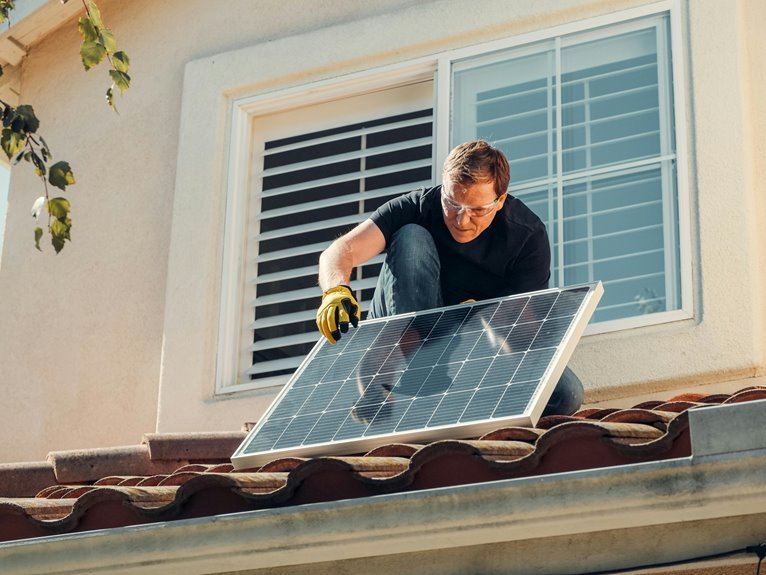
Thinking about adding solar panels to your home? It’s not just about cutting down those electric bills. Many folks are curious if these panels boost the value of their house. Let’s dig into how solar panels can impact your home’s worth and what you should consider before making the switch. Key Takeaways Discover Your Solar Savings by visiting our website “Livingwithsolar“ Understanding the Impact of Solar Panels on Home Value How Solar Panels Affect Property Prices Solar panels aren’t just about saving on electricity bills; they actually boost your home’s market value. In 2025, homes with solar installations are selling for about 6.8% more than those without. This means, if your home is valued at $400,000, adding solar could increase its worth by over $27,000. That’s a pretty solid return on investment. But, there’s a catch. The exact increase can vary based on where you live, your local electricity rates, and even the condition of your solar system. So, while solar panels can definitely add value, it’s not a one-size-fits-all situation. The Role of Energy Savings in Home Valuation Energy savings play a huge role in boosting home value. Buyers love the idea of reduced energy bills, and who wouldn’t? When you install solar panels, you’re essentially offering potential buyers lower monthly expenses. This makes your home more attractive, especially in areas with high electricity costs. Some studies even suggest that for every dollar saved on annual energy bills, your home’s value could increase by $20. So, if your solar setup saves you $500 a year, that’s potentially a $10,000 increase in home value. It’s a win-win! Comparing Solar to Other Home Improvements When it comes to home improvements, solar panels are often compared to things like kitchen remodels or bathroom upgrades. But here’s the kicker: while a new kitchen might be appealing, it doesn’t offer the same ongoing financial benefits as solar. Solar panels provide continuous savings on energy bills, which can be a major selling point. Plus, unlike other renovations, solar panels contribute to a cleaner environment. So, when weighing your options, consider that solar not only enhances your home’s value but also provides sustainable benefits that buyers are increasingly looking for. Installing solar panels can enhance your home’s resale value by lowering energy bills and improving energy accessibility. Learn more about how solar panels can impact your home’s market value. Factors Influencing the Value Addition of Solar Panels Location and Regional Market Trends The impact of solar panels on home value can vary greatly depending on where you live. In areas with high electricity rates and a strong emphasis on sustainability, like New York City, solar panels are often seen as a valuable addition. Homeowners in these regions might see a higher return on their solar investment compared to those in areas with lower energy costs. Regional market trends also play a role. In some markets, the demand for energy-efficient homes is on the rise, which can boost the value of solar-equipped properties. System Size and Efficiency The size and efficiency of your solar system are crucial factors in determining how much value it adds to your home. Larger systems that generate more electricity can lead to greater savings on utility bills, making them more attractive to potential buyers. Additionally, newer systems with high-efficiency panels are likely to be more appealing, as they promise better performance and longevity. Ownership vs. Leasing of Solar Systems Owning your solar system outright can significantly enhance your home’s value. When you own the system, the new homeowner can benefit from the energy savings without any additional costs. On the other hand, leased systems can complicate the selling process. Potential buyers might be wary of taking over a lease agreement, which could deter them from purchasing your home. So, if you’re planning to sell, owning your solar panels is generally a better option. Keep in mind, installing solar panels can significantly enhance a home’s value, with the increase influenced by factors such as location, electricity rates, and system size. Approximately 46% of homeowners recognize this benefit. Learn more. Financial Benefits Beyond Increased Home Value Monthly Savings on Electricity Bills One of the most immediate perks of having solar panels is the monthly savings on your electricity bill. Depending on your location, you might save anywhere from $100 to $250 each month. Over a year, that’s nearly $3,000 that stays in your pocket. This extra cash can be used for other home improvements or investments. Imagine finally getting those granite countertops or putting some money into the stock market. Tax Incentives and Rebates Solar panels come with a host of tax incentives and rebates that can make the initial investment more affordable. Programs like the Federal Solar Tax Credit can significantly lower the cost of installation. Some states offer additional tax breaks or rebates, helping to offset the upfront cost even more. These financial perks not only reduce the payback period but also enhance the overall return on investment. Long-term Investment Returns Solar panels aren’t just a way to save on electricity; they’re a long-term investment. Over time, as energy prices rise, your savings will increase, making the initial cost more than worth it. Most homeowners find that solar panels pay for themselves within a few years, and after that, it’s pure savings. Plus, if you decide to sell your home, having solar panels can increase your property’s value by up to 4.1%, according to recent studies. This makes solar not just a smart environmental choice, but a financially savvy one too. Investing in solar panels is like planting a money tree on your roof. It might take a little time to grow, but once it does, the harvest is plentiful and sweet. Market Perception and Buyer Preferences Demand for Energy-efficient Homes Energy-efficient homes are becoming a hot ticket in the real estate market. Many buyers are actively seeking homes that offer lower utility costs and a smaller carbon footprint. Solar panels are a major draw because they promise both. As more people become eco-conscious, the demand for
Solar Panel Costs by State
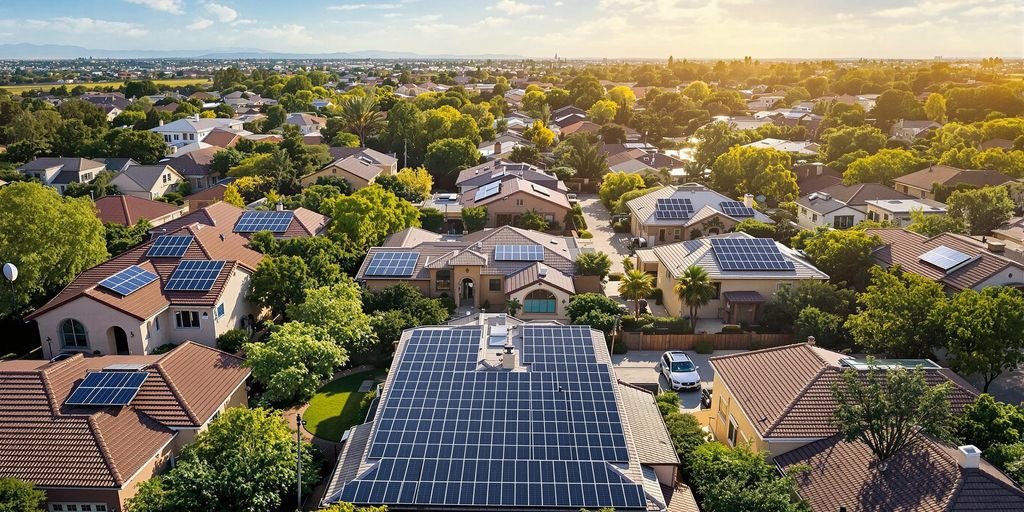
Hi, I’m Sophia Green. I write and advocate for solar energy. I’m passionate about making solar power easy and accessible. Thinking about solar panels? Costs vary a lot based on your location in the U.S. Some states provide great incentives, which make solar more affordable. But in other states, installation costs are higher. Factors like local policies, electricity rates, and sunlight availability all play a role. This guide shows solar panel costs by state. I’ll explain why prices vary and where to find the best deals. Let’s dive in and see how your state compares! Key Takeaways Understanding Solar Panel Costs Across the USA Factors Influencing Solar Panel Prices Solar panel prices can vary based on several key factors. The type of solar panels you choose plays a significant role. High-efficiency panels, though pricier, might be worth the investment if you have limited roof space. Then there’s the size of the system. Larger systems cost more upfront but can save more over time. Installation costs differ too, depending on the company and the complexity of your roof. Let’s not forget about additional equipment like batteries, which can add to the overall cost. Regional Variations in Solar Costs Solar costs aren’t uniform across the country. States with more sunshine, like Arizona, often have lower costs per watt due to higher demand and more competition among installers. On the other hand, states with less solar adoption might see higher costs. Local electricity prices also impact how cost-effective solar panels are. For instance, in areas where electricity is expensive, solar panels can offer significant savings, making them more appealing despite higher initial costs. Impact of Federal and State Incentives Incentives can greatly affect the cost of solar panels. The federal solar tax credit is a major one, reducing the cost by 26% for systems installed before 2023. Many states offer additional incentives, like rebates or tax credits, which can lower costs further. These incentives can make solar panels a financially smart choice, even in states where installation costs are high. Over time, these savings can really add up, making solar energy not just an eco-friendly option, but a budget-friendly one too. Comparing Solar Panel Costs in Different States High-Cost States for Solar Panels Some states in the U.S. have notably higher solar panel costs, and understanding why can be crucial if you’re planning to install solar. Hawaii, for instance, often tops the list due to its remote location and high shipping costs for materials. Similarly, states like Alaska face logistical challenges that drive up prices. On the mainland, states such as Massachusetts and New York also see higher costs, partly due to higher demand and local regulations. These states often have higher installation costs as well, which can add to the overall expense. In high-cost states, investing in solar panels might seem daunting, but the long-term savings and environmental benefits can outweigh the initial expenditure. Affordable States for Solar Installation On the flip side, some states offer more affordable options for solar installations. Florida and Texas are known for their competitive pricing, thanks to abundant sunshine and favorable state policies. In these states, the cost per watt can be significantly lower, making solar a more accessible option for homeowners. Additionally, states like Nevada and Arizona benefit from large-scale solar farms that help reduce costs for individual installations. State-by-State Cost Analysis Here’s a quick look at the average solar system costs across different states: These figures highlight the variations in solar panel costs, influenced by factors like state incentives, local labor costs, and the availability of solar resources. Choosing the right state for your solar installation can significantly impact your overall investment and savings. When considering solar, it’s essential to weigh these costs against your potential savings on energy bills and the environmental impact of reducing reliance on fossil fuels. The Role of Incentives in Solar Panel Costs Federal Tax Credits and Their Impact The federal solar tax credit, known as the Investment Tax Credit (ITC), is a game-changer for homeowners looking to install solar panels. It offers a credit worth 30% of the total installation cost on your federal tax bill. This isn’t just a minor perk—it’s a significant reduction in the overall cost of going solar. For example, if your solar setup costs $30,000, you could receive a tax credit of $9,000. This federal incentive is crucial for making solar energy more accessible and affordable. State-Specific Solar Incentives Beyond the federal level, many states have their own incentives to encourage solar adoption. These can include rebates, tax credits, and even performance-based incentives. States like New York, through programs like NY-Sun Program, offer upfront rebates and tax credits that can drastically reduce the initial costs. Some states also provide net metering, allowing homeowners to earn credits for excess energy their panels produce. How Incentives Lower Overall Costs Incentives play a vital role in reducing the upfront and long-term costs of solar installations. They can be the deciding factor for many homeowners contemplating the switch to solar. Here’s how they help: In many cases, these incentives make solar panels a feasible option for families who might otherwise find the initial investment too steep. By lowering barriers to entry, incentives not only promote clean energy but also help in achieving broader environmental goals. Analyzing the Cost-Effectiveness of Solar Panels Calculating Long-Term Savings Switching to solar panels can lead to substantial savings on your electricity bill over time. On average, homeowners might save between $31,000 and $100,000 over 25 years. This isn’t just about cutting costs but making a smart investment in your home’s energy future. The amount you save largely depends on your local electricity rates and the cost of your solar panel system. To figure out your break-even point, or solar payback period, divide the final cost of your solar system (after incentives) by your annual savings. Return on Investment for Solar Panels The return on investment (ROI) for solar panels can be significant. Typically, it takes about 7 years to break even
The Benefits Of Installing Solar Panels
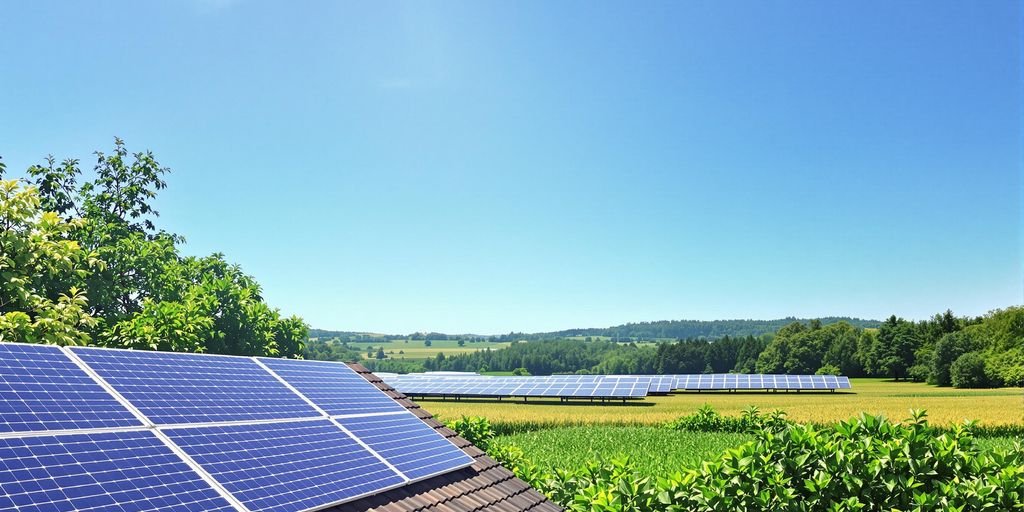
Thinking about solar panels? They’re popping up everywhere these days. Not just because they’re eco-friendly, but they can also save you some cash. Imagine reducing your electric bill and maybe even getting some tax breaks. Plus, they’re pretty low maintenance. Sounds good, right? Let’s dive into what makes solar panels a smart choice for many homeowners. Key Takeaways Environmental Advantages of Solar Panels Reduction in Carbon Footprint Switching to solar panels is one of the most effective ways to cut down on our carbon footprint. By harnessing the power of the sun, we can significantly reduce our reliance on fossil fuels, which are notorious for releasing harmful carbon emissions into the atmosphere. Solar energy is a clean, renewable resource that doesn’t produce greenhouse gases during operation. This means that every kilowatt-hour of solar-generated electricity you use is a step towards a healthier planet. Plus, as more people adopt solar, the cumulative effect can lead to a substantial decrease in overall carbon emissions, helping to combat climate change. Conservation of Water Resources Traditional power generation methods, like coal and natural gas plants, consume vast amounts of water for cooling and other processes. In contrast, solar panels require minimal water to generate electricity. This is a huge advantage, especially in regions where water is scarce. By opting for solar energy, we not only save water but also protect aquatic ecosystems from thermal pollution and other harmful effects of water-intensive energy production. Floating solar panels, which are deployed over water bodies, can even reduce evaporation, conserving water further. Promotion of Energy Independence Solar panels empower us to produce our own electricity, reducing the need to import energy from other regions or countries. This not only enhances national energy security but also decreases the environmental impact associated with transporting fuels over long distances. The ability to generate electricity locally means fewer emissions from transportation and a more stable energy supply. In the long run, widespread solar adoption can lead to a more resilient and self-sufficient energy infrastructure, less vulnerable to geopolitical tensions and supply disruptions. Financial Benefits of Solar Panel Installation Reduction in Electricity Bills Ever opened your electricity bill and thought, “Wow, that’s a bit steep this month”? Well, installing solar panels can help with that. By generating your own electricity, you can significantly cut down on what you pay to the utility company. Imagine slashing your monthly bill by half or even more. It’s not just a dream for some folks; it’s their reality. Depending on where you live and how much sun you get, the savings can be pretty substantial. Eligibility for Tax Credits and Subsidies Now, let’s talk about tax credits and subsidies. When you decide to go solar, Uncle Sam might give you a pat on the back in the form of tax credits. Right now, there’s a federal tax credit that lets you claim 30% of your installation costs. Some states even throw in extra incentives, making it even more tempting. These perks can make a big difference in the overall cost. Increase in Property Value Here’s another cool thing: solar panels can actually boost your home’s value. If you ever decide to sell, potential buyers might be willing to pay more for a house that’s already set up with solar. It’s like having a modern kitchen or a fancy bathroom—it’s an upgrade. And with energy costs always on the rise, a solar-equipped home is a smart investment. Technological Advancements in Solar Energy Efficiency Improvements in Photovoltaic Cells I’ve always been fascinated by how much solar panels have evolved over the years. One of the most exciting advancements is in the efficiency of photovoltaic cells. These cells, which convert sunlight into electricity, have become more efficient, meaning they can generate more power from the same amount of sunlight. It’s like getting more juice out of the same orange. This leap in efficiency is a game-changer for homeowners like me who are looking to maximize energy output while minimizing roof space. Integration with Smart Home Systems Nowadays, solar panels aren’t just standalone units. They’re becoming an integral part of smart home systems. Imagine controlling your solar energy production and consumption right from your smartphone. It’s not just about generating power anymore; it’s about using it smartly. I can adjust my energy usage based on real-time data, which is pretty cool. Plus, integrating solar with smart systems helps in optimizing energy use, leading to even more savings. Development of Solar Battery Storage Solar energy storage has come a long way too. With advancements in battery technology, storing solar power for later use is becoming more feasible and affordable. This means I can store excess energy produced during sunny days and use it when the sun isn’t shining. It’s like having a backup generator without the noise and fumes. Lithium-ion batteries are particularly noteworthy for their efficiency and longevity, ensuring that I can rely on solar power even during cloudy days or at night. Solar technology is not just about harnessing the sun’s energy; it’s about integrating it seamlessly into our lives. As these technologies continue to evolve, they promise a future where solar power is not only efficient but also incredibly user-friendly. Impact of Solar Panels on Home Value Increased Resale Value When I first thought about solar panels, I was mostly worried about the cost. But then I learned that homes with solar panels can actually fetch a higher resale price. Buyers are often willing to pay more for a home with solar panels because they see the long-term savings on electricity bills. Some reports even suggest that solar panels can add up to $15,000 to a home’s value. That’s a pretty big deal if you’re thinking about selling your house in the future. Attraction for Eco-Conscious Buyers Let’s face it, more people are becoming eco-conscious these days. This means that homes with solar panels are more attractive to a growing segment of buyers who are looking to reduce their carbon footprint. In a way, having solar panels
What to Do Before Installing Solar Panels: A Step-by-Step Guide
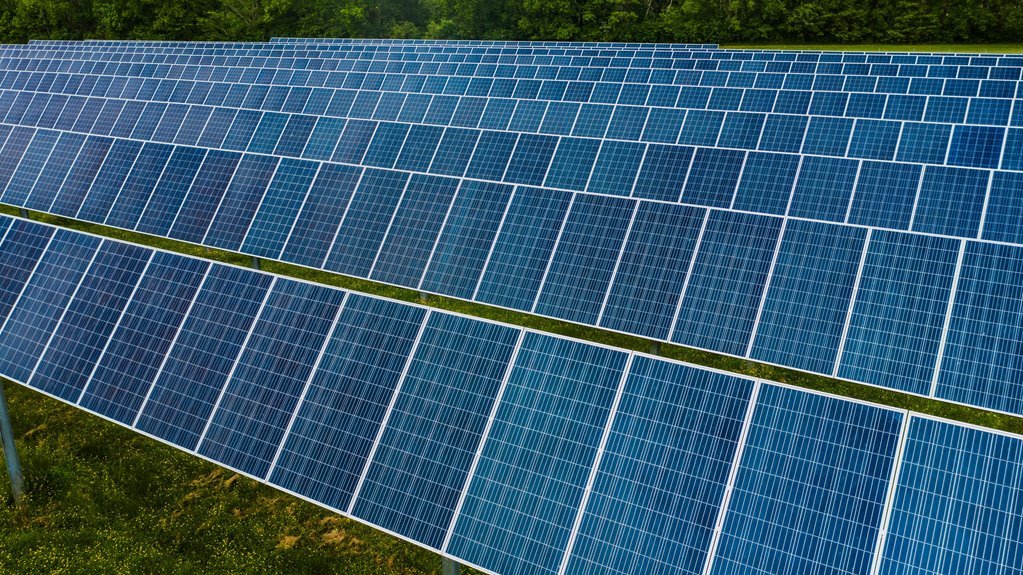
Learn essential steps to take before installing solar panels, ensuring you’re prepared for a successful transition to renewable energy. What comes next?