How to Set Up a Solar Panel System: Step-by-Step Guide
To set up a solar panel system, I first calculate my power load by listing all devices and their wattage. Next, I choose the right solar panel array and type based on my energy needs. I choose a portable power station that fits my needs. Then, I buy balance system parts like a charge controller and inverter. After mounting the solar panels, I connect them to the battery. If you’re curious about the finer details, there’s more to explore. Calculate Your Power Load Calculating your power load is an essential first step in setting up your solar panel system. First, I list all my devices and appliances. I check their wattage and estimate how long I use each one each day. By multiplying the wattage by the hours of use, I can calculate the total energy needed in watt-hours. The average American household uses about 10,632 kWh each year. This is about 886 kWh per month. It can help as a useful guideline. Once I know my energy requirements, I can determine how many solar panels I need. To plan for solar panel installation, I use this formula: Number of panels = Total annual kWh / Production ratio / Panel wattage. This helps ensure the panels will meet my energy needs. Choose Your Solar Panel Array Choosing the right solar panel array is key to boosting energy production and efficiency. I started by figuring out my total energy use. I used the average American household’s 886 kWh per month as a guide. To find out how many panels I needed, I took my yearly energy needs. Then, I divided that by the production ratio and the wattage of the panels, which is 400W. I looked at three main types: I need to make sure the panels I pick fit well with my other system parts, like the inverter and charge controller. I checked the local sunlight and shading. This helped me find the best spot for my solar panel array. Select the solar panel type. When it comes to choosing the right solar panel type, I’ve found there are three main options to evaluate: monocrystalline, polycrystalline, and thin-film panels. Monocrystalline panels are very efficient, typically ranging from 15% to 22%. This makes them perfect for small spaces. Polycrystalline panels are more affordable but have lower efficiency ratings, typically around 13-16%. Thin-film panels are light and easy to move. However, their efficiency varies from 7% to 18%. When choosing solar panels, think about the production ratio. It shows how much energy you can generate from sunlight. Consider your installation needs and space. This will help you pick the best solar panel type for your situation. This choice will greatly impact your system’s performance. Select the Portable Power Station. After you’ve chosen the right solar panel type, the next step is finding a portable power station that fits your energy needs. I always suggest checking the battery type. Lithium-ion batteries usually last longer and work better than lead-acid ones. Check that the power station’s capacity meets your energy needs. Look at the watt-hour rating of your devices. Overloading could cause problems. Choose a portable power station with various output options. Look for AC, USB, and DC ports for more versatility. Check that your solar panels are compatible. This will help ensure efficient charging. Also, think about weight and portability. Lighter models are easier to carry for outdoor trips or emergencies. Buy the Balance System. Buying the balance of system (BOS) components is a key step in setting up your solar panel system. The BOS has all you need except for the solar panels. It includes the charge controller, inverter, wiring, and mounting structures. Start with a good charge controller. It controls the voltage and current from the panels. This helps prevent overcharging the battery. Don’t forget the inverter. It changes the direct current (DC) from the panels into alternating current (AC) for your appliances. You’ll also need reliable wiring, like MC4 connectors, for secure connections. Finally, select the right mounting options. You can choose from ground mounts, roof mounts, or pole mounts. This way, you’ll maximize sun exposure and keep everything structurally sound. This way, you’ll have a complete and efficient solar setup. Gather the necessary tools and components. With the balance of system components secured, it’s time to gather the necessary tools and components for your solar panel setup. Start by making a checklist. Include solar panels, a charge controller, an inverter, batteries, and wiring materials. Make sure to select the type of solar panels that best fit your needs, like monocrystalline for efficiency or polycrystalline for cost-effectiveness. Pick a charge controller that fits your solar panel and battery specs. MPPT options can give you better efficiency. Don’t forget the tools! You’ll need screwdrivers, wrenches, wire cutters, and safety gear. It’s vital to ensure all components work well together. This is especially true for the inverter’s power rating and your calculated load. Let’s get ready for installation! Mount the solar panels. Mounting the solar panels is an essential step in your solar panel system setup. First, check that the mounting structure is stable. This could be your roof or the ground. It needs to handle different weather conditions. I point solar panels south in the Northern Hemisphere. In the Southern Hemisphere, I point them north. This way, they get the most sunlight. Set the tilt angle between 18 and 36 degrees. This will help you capture more energy all year. Use high-quality mounting brackets and hardware. This secures the panels well. It helps them withstand wind and other stresses. I double-check my installation to ensure it meets local building codes and regulations. This keeps everything safe and legal. Connect the solar panels to the battery. Now that we’ve mounted the solar panels, it’s time to connect them to the battery. I’ll share key wiring setups and tips for matching battery voltages. This will help ensure everything runs smoothly. Plus, I’ll highlight the safety precautions you need to take during this
What to Do Before Installing Solar Panels: A Step-by-Step Guide
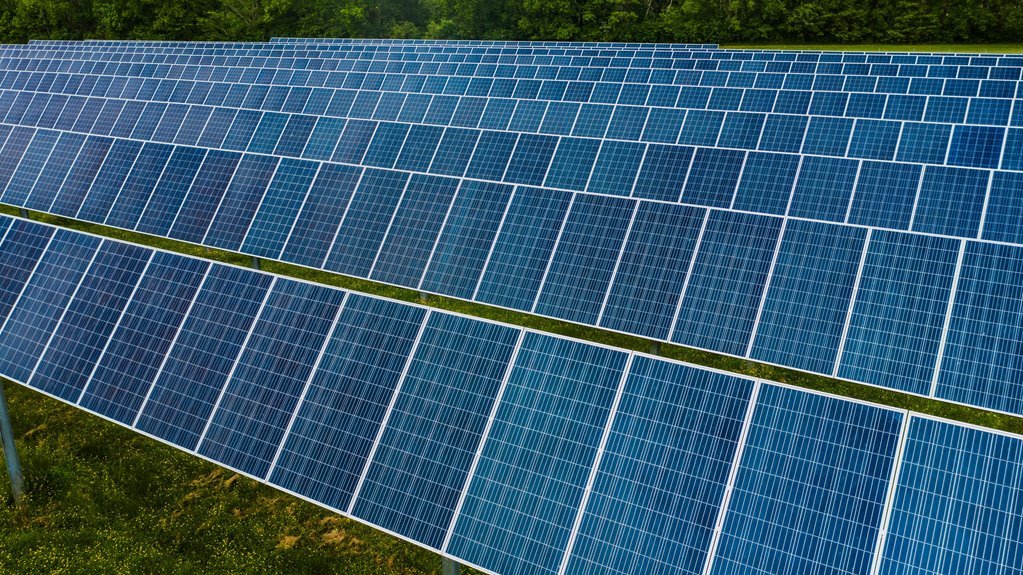
Learn essential steps to take before installing solar panels, ensuring you’re prepared for a successful transition to renewable energy. What comes next?
Do Solar Panels Work in Winter?
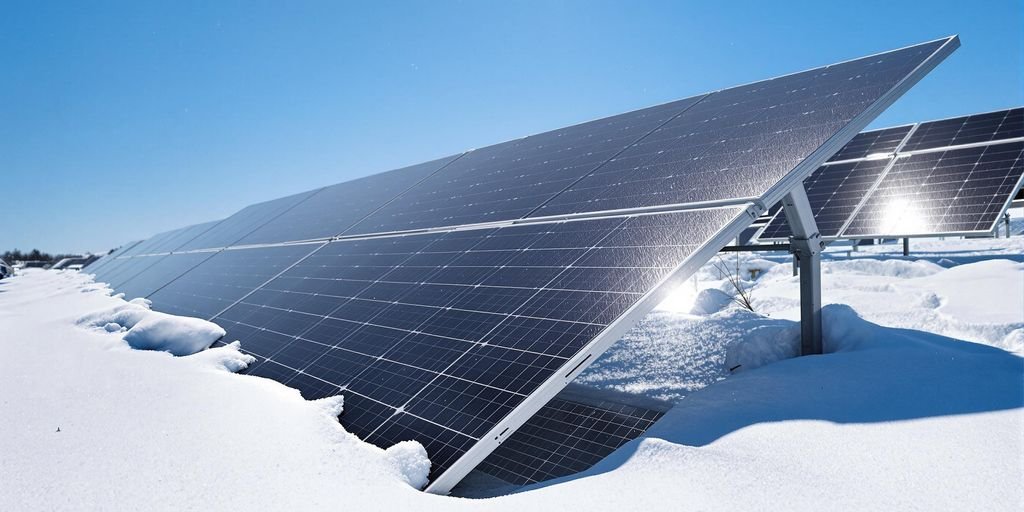
Ever wonder if those solar panels on your roof are worth it in the winter months? With the cold, snow, and shorter days, you might think they’re just sitting there doing nothing. But surprise! Solar panels can perform quite well in winter. Let’s dive into how they manage to keep producing energy even when the temperature drops. Key Takeaways Understanding Solar Panel Efficiency in Winter How cold weather affects solar panel performance. You’d think that the cold of winter would be the enemy of a solar panel, but it’s not. In fact, cold weather can even improve the efficiency of solar panels. That is, solar panels turn sunlight into electricity, not heat. Sunlight hits the photovoltaic cells. This excites the silicon’s electrons. They begin moving, and they start carrying an electrical current. Standing still, that’s in the cold. When the sun shines on them, they then produce an even larger voltage difference. This leads to better efficiency. But their output can be curtailed by the shorter daylight hours and the potential for snow. The Impact of Snow on Solar Energy Generation Snow could be a headache for solar panels, but it also has an upside. Snow on your panels is like a mirror. It bounces more sunlight off of them. All of these can give your system a kick in the pants. Of course, if panels are fully covered, they cannot produce electricity. Fortunately, panels are typically mounted at an angle, which encourages snow to slide down. And the panels soak up sunlight and get a little bit warmer, contributing to snow shedding. It’s also not usually a good idea to physically clear snow from the panels because it can damage them. Maximizing solar output during shorter days. In winter, the days are shorter, and the sun is at a lower angle to the ground, both of which can reduce solar energy production. To get the most sunlight, change to angle of your panels twice a year so you can catch the sun’s rays. Correct angle adjustment can allow for maximizing the capture of energy in these months. Also, be sure to keep the panels clear of obstructions and clean. This will maximize efficiency in your system. Another smart option can be a solar battery, which stores excess energy to use during the darker hours. And remember, while the output may be lower in winter, the efficiency of the panels is still good. The Science Behind Solar Panels in Cold Climates Photovoltaic technology and temperature You’d think solar panels require heat to function, but the truth is that light does just fine. “Paradoxically, cold temperatures can improve the performance of solar panels. As it gets colder, the electrons in solar cells become more sluggish. When sunlight strikes, it jiggles the electrons loose. This makes for a more powerful electric current. So, the days in winter may have less light. But the panels convert light to electricity more efficiently. So, as long as it’s not too cold outside and the sun is shining, your panels are toiling away The Albedo Effect: Snow’s Reflective Benefits Snow can actually help solar panels. With a layer of snow on the ground, it acts as a giant mirror, bouncing more and more sunlight onto the panels. It is called the albedo effect. It’s like an extra little hit of sunlight, which can compensate for the shorter days. So even though snow might be a headache, in fact, it can aid your solar panels in producing more power. Challenges of Snow Accumulation on Panels Of course, not all snow news is good news. It will tend to build up on the panels, and if it does so heavily enough, it can block sunlight from reaching them. This is where you have to be cautious. Heavy snow can also stress the panels and cause damage. Think about how to safely remove snow. You don’t want it to scratch or crack the panels. Silicon-based solar panels are hardy, but freezing and thawing can do them in. So it’s probably a good idea to sweep them clear of snow, for efficiency’s sake. Practical Tips for Maintaining Solar Panels in Winter Safe Snow Removal Techniques Heavy snow can block sunlight and prevent your panels from producing energy. There’s a strong temptation to just yank out the broom and sweep it off, but wait! You can scratch your panels with the wrong tool. All you require is a soft snow brush or a specialized tool, yes, there are such things for cleaning solar panels! Don’t void any warranties. Always consult with your solar installer to make sure you’re not doing anything that will void your warranties. And, as always, be safe. There’s no point in risking it all to clean them. How to Stop Icy Damage for Solar Panels Ice can be tricky. It’s created when snow melts and refreezes, and it can put a great deal of stress on your panels and mounting systems. To avoid this from happening, install your panels at the proper angle. This will cause the snow to slide down. Maintenance and inspections can prevent problems from escalating. You should also purchase a heating system to keep the panels free of ice if that’s a common issue in your area. Optimizing Panel Angle for Winter Sunlight The sun is lower in the sky in winter. So tweaking the angle of your panels can have a big impact. Tilt your panels to maximize the sun exposure. If it can, point the tilt at a steeper angle in winter than in summer. This has not only made energy capture better, but it also discourages snow from sliding off quite as easily. Always adhere to the manufacturer’s recommendations or hire a pro to prevent mishaps. Solar panels stay busy during the summer, which is also a time of year when there tend to be relatively low levels of rainfall. But if you put in a little bit of effort and learn the right tricks, you can keep them running and lasting even longer. Be proactive. Do make small modifications to account for the seasonal differences Comparing Solar Energy Production Across Seasons Seasonal Variations in Solar Output Solar generation can be radically different from season to season. The angle and duration of the sun change throughout the year. This impacts how much energy solar panels can capture. In summer, longer days and a steeper angle of the sun