How to Calculate Your Home’s Solar Energy Needs
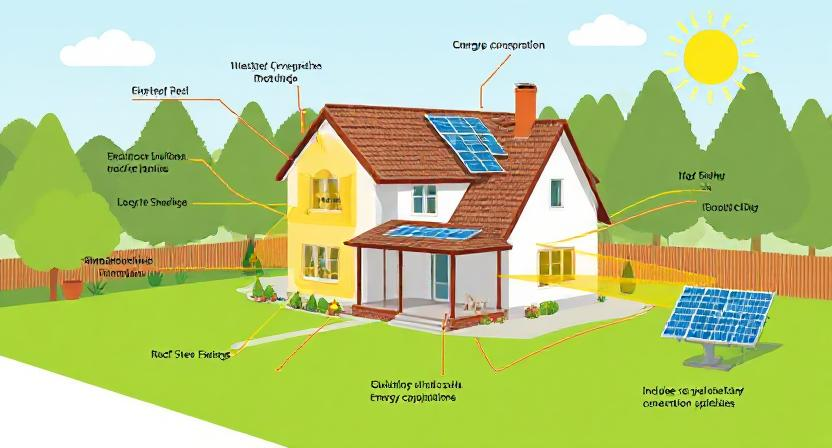
When considering how to calculate your home’s solar energy needs, understanding your current energy consumption is pivotal. By analyzing your utility bills, you can pinpoint your average daily electricity usage and make informed decisions about solar panel sizing. However, this is just the starting point. To ensure an accurate assessment tailored to your specific requirements, there are additional factors to consider. From peak sun hours to system efficiency, each element plays a crucial role in determining the optimal solar energy solution for your home. Learn About Costs and FinancingUnderstand the investment and financing options for solar energy.🔗 Get Details Key Takeaways Assess Your Energy Consumption When assessing your energy consumption for calculating solar energy needs, the first step is to gather all your utility bills from the past year. Take a look at the total kilowatt-hours (kWh) used each month. This data will provide you with a clear picture of your average energy usage throughout the year. Next, identify any significant changes in your energy consumption patterns. Did you install new appliances, change your heating or cooling systems, or implement energy-saving practices? These factors can impact the amount of solar energy your system will need to produce. Additionally, consider any future changes you might make that could affect your energy usage. Understanding your current energy consumption is crucial for accurately determining the size and capacity of the solar energy system that will best suit your needs. Determine Your Peak Sun Hours To accurately determine your solar energy needs, it’s essential to understand the concept of peak sun hours. Peak sun hours refer to the number of hours in a day when the sun produces enough sunlight for solar panels to operate at their maximum efficiency. This is crucial for calculating how much solar energy your home can generate and how many solar panels you need. Peak sun hours vary depending on factors like your location, the season, and any shading that may affect your solar panels. Areas closer to the equator typically have more peak sun hours compared to regions further away. By determining the average peak sun hours for your location, you can estimate the amount of energy your solar panels will produce each day. Knowing your peak sun hours is vital for sizing your solar energy system correctly. It ensures that you install a system that can generate enough electricity to meet your home’s energy demands efficiently. Calculate Your Daily Energy Usage Determining your daily energy usage is a crucial step in accurately sizing your solar energy system for your home. To calculate your daily energy needs, start by examining your utility bills to understand your average daily consumption in kilowatt-hours (kWh). Take note of seasonal variations in energy usage as well. Additionally, consider any major appliances or devices you plan to power using solar energy and estimate their daily energy consumption. It’s important to factor in any future changes in your energy usage, such as adding new appliances or electric vehicles. By understanding your daily energy needs, you can determine the size of the solar energy system required to meet your household’s electricity demands. This information will help you choose the appropriate solar panel capacity and battery storage, ensuring that your system can generate enough energy to power your home efficiently. Taking the time to accurately calculate your daily energy usage will set you on the right path towards a successful solar energy installation. Consider Energy Efficiency Measures Considering energy efficiency measures is essential when planning for your solar energy system. By improving your home’s energy efficiency, you can reduce the overall energy consumption and size requirements of your solar panel system. This not only saves you money on the initial installation but also on your long-term energy bills. Simple changes like upgrading to energy-efficient appliances, improving insulation, and sealing drafts can make a significant impact on your energy usage. To illustrate the potential impact of energy efficiency measures, consider the table below: Energy Efficiency Measure Estimated Energy Savings (%) Cost ($) LED Lighting Upgrade 75 500 Smart Thermostat Install 15 250 Insulation Improvement 20 1000 Energy Star Appliances 30 2000 Window Upgrades 10 1500 These measures not only reduce your energy consumption but also contribute to a more sustainable and environmentally friendly lifestyle. Factor in System Losses Improving your home’s energy efficiency is just the beginning of optimizing your solar energy system. When calculating your home’s solar energy needs, it’s crucial to factor in system losses. System losses refer to the energy that’s lost as your solar power travels from the panels to your appliances due to various inefficiencies in the system. Several factors contribute to system losses, including shading from nearby buildings or trees, dust accumulation on the solar panels, voltage drops in the wiring, and inverter inefficiencies. These losses can significantly impact the overall performance of your solar energy system, reducing the amount of usable energy that reaches your home. To account for system losses accurately, it’s essential to work with a solar energy professional who can conduct a detailed assessment of your property and design a system that minimizes these losses. Size Your Solar Panel Array To properly size your solar panel array, you need to calculate the total energy consumption of your home and determine how much of that energy can be offset by solar power. Here are some key points to consider: Account for Seasonal Variations Now that you have sized your solar panel array to meet your energy needs, it’s important to factor in seasonal variations when planning for optimal energy production. Seasonal changes can significantly impact the amount of sunlight your solar panels receive, affecting their efficiency and overall energy output. To account for these variations, it’s crucial to understand how the angle of the sun and daylight hours change throughout the year in your specific location. Consider the following factors when calculating your home’s solar energy needs across different seasons: Season Sunlight Hours Sun Angle Summer Long High Fall Moderate Moderate Winter Short Low Spring Increasing Increasing
Solar Panel Cleaning and Maintenance: Tips for Homeowners
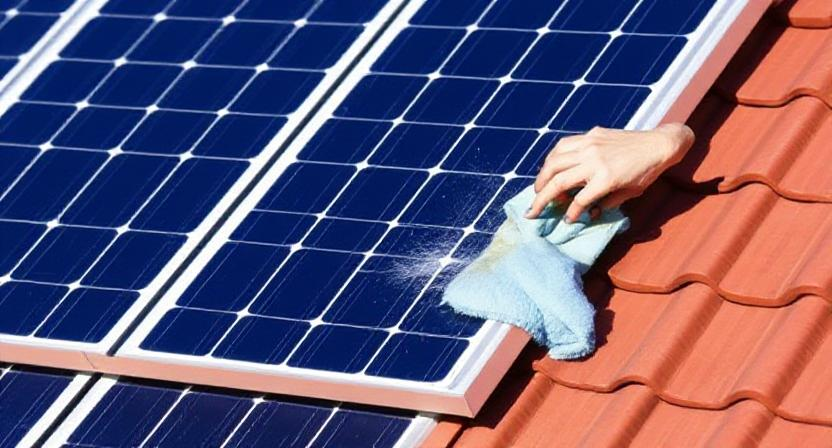
To maintain optimal performance from your solar panels, you need to ensure they are clean and well-maintained. But, did you know that overlooking simple cleaning tasks could potentially diminish your energy output? By implementing a few straightforward maintenance strategies, you can safeguard your investment and harness the full power of the sun. Let’s explore some key tips that will help you keep your solar panels in top shape and maximize their efficiency. Key Takeaways Importance of Clean Solar Panels Ensuring your solar panels are clean is crucial for optimal energy production. Dirty panels can significantly reduce the efficiency of your system, leading to decreased energy output. Dust, dirt, bird droppings, and other debris can block sunlight from reaching the photovoltaic cells, hindering the conversion of sunlight into electricity. Regular cleaning not only maintains the aesthetic appeal of your solar panels but also ensures they’re operating at their peak performance. By keeping your solar panels clean, you can maximize their energy production potential, ultimately saving you money on your electricity bills. Clean panels absorb more sunlight, converting it into usable electricity efficiently. Additionally, proper maintenance can prolong the lifespan of your solar panels, protecting your investment in renewable energy. To get the most out of your solar panel system, make sure to schedule regular cleanings and inspections. By taking care of your solar panels, you can enjoy the full benefits of clean, sustainable energy for years to come. Choosing the Right Cleaning Supplies To maintain the efficiency and longevity of your solar panel system, selecting the appropriate cleaning supplies is essential. When choosing the right cleaning supplies for your solar panels, consider the following: Proper Cleaning Technique For effective maintenance of your solar panel system, utilizing the proper cleaning technique is crucial. Begin by rinsing your panels with water to remove loose dirt and debris. Next, mix a mild detergent with water and apply it to the panels using a soft sponge or cloth. Gently scrub the surface to remove any stubborn dirt or grime. Avoid using abrasive materials or harsh chemicals that could damage the panels. Once cleaned, rinse the panels thoroughly with clean water to ensure all soap residue is removed. For stubborn stains or bird droppings, consider using a specialized solar panel cleaner approved by the manufacturer. Remember to clean your panels early in the morning or late in the evening to prevent water spots from forming due to quick evaporation in direct sunlight. Regular cleaning, at least a few times a year, will help maintain the efficiency of your solar panels and prolong their lifespan. By following these simple cleaning techniques, you can ensure your solar panel system continues to generate optimal energy for your home. Scheduling Regular Inspections To maintain the optimal performance and longevity of your solar panel system, it’s important to schedule regular inspections. Regular inspections help identify any issues early on, ensuring your system continues to operate efficiently. Here are some key reasons why scheduling regular inspections is crucial: Monitoring Energy Production Regularly monitoring the energy production of your solar panel system is essential for ensuring optimal performance and maximizing the benefits of your investment. By keeping track of how much energy your panels are generating, you can identify any issues early on and address them promptly. Most solar panel systems come with monitoring software that allows you to access real-time data on energy production. Make it a habit to check this software regularly to ensure everything is functioning as it should. Monitoring energy production also helps you track the overall health of your system over time. By analyzing trends in energy generation, you can spot any significant drops in performance that may indicate a need for maintenance or cleaning. Additionally, monitoring can help you assess the impact of external factors like weather changes on your system’s efficiency. By staying proactive and vigilant in monitoring your solar panel system’s energy production, you can ensure that it continues to operate at its best and provide you with optimal savings in the long run. Dealing With Tough Stains When faced with tough stains on your solar panels, addressing them promptly is crucial to maintaining their efficiency and performance. Here are some tips to help you effectively deal with stubborn stains: Handling Snow and Debris Addressing tough stains on your solar panels is just one aspect of maintaining their efficiency. When it comes to handling snow and debris, it’s important to keep your panels clear for optimal performance. Snow can significantly reduce the amount of sunlight reaching your panels, affecting their ability to generate electricity. If you live in an area prone to snowfall, consider investing in a solar panel snow rake to safely remove snow without damaging the panels. Debris such as leaves, branches, and bird droppings can also obstruct sunlight and impact your solar panel efficiency. Regularly check for any debris buildup and gently clean it off using a soft brush or a garden hose. Make sure to avoid using abrasive materials that could scratch the panels. During the fall season, trim any overhanging branches that may drop leaves onto your panels. Checking for Damage To ensure the optimal performance and longevity of your solar panels, it’s crucial to regularly check for any signs of damage. Here are three key areas to focus on when inspecting your solar panels: Check the frame, glass, and wiring for any visible signs of wear and tear. A sudden drop in energy production could indicate that there’s a problem with your panels that needs to be addressed. After severe weather events, make sure to inspect your panels for any new signs of damage. Regularly checking for damage and addressing any issues promptly can help ensure that your solar panels continue to operate efficiently and effectively. Hiring Professional Cleaning Services Consider hiring professional cleaning services to maintain the cleanliness and efficiency of your solar panels. Professional cleaners have the expertise and tools to ensure your solar panels are cleaned effectively and safely. Here are some benefits of hiring
How to Maximize the Efficiency of Your Home’s Solar System
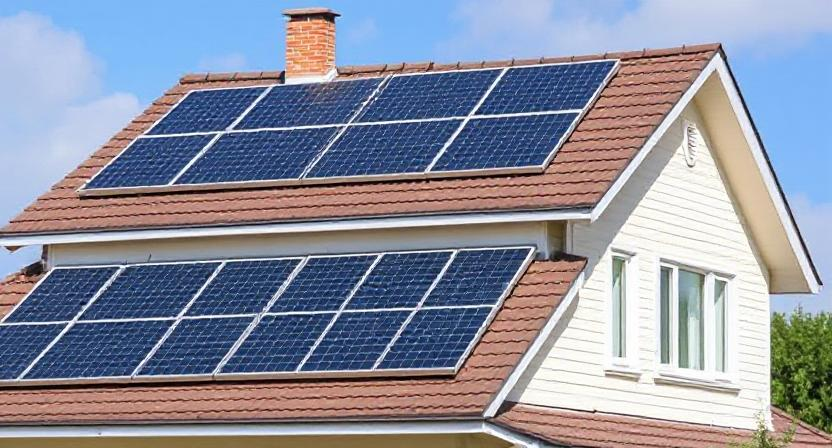
To maximize the efficiency of your home’s solar system, ensuring optimal placement and regular maintenance are key factors. But have you ever considered how smart energy consumption practices and efficient storage solutions could further enhance your system’s performance? By implementing these strategies, you can not only increase energy savings but also contribute to a more sustainable and eco-friendly lifestyle. So, are you ready to explore these advanced techniques that could take your solar system to the next level? Key Takeaways Solar Panel Placement Optimization To maximize the efficiency of your home solar system, strategic placement of solar panels is crucial. When deciding where to install your panels, consider factors like the amount of sunlight your roof receives throughout the day and the presence of any shading from nearby trees or structures. Ideally, your panels should face south to capture the most sunlight. If south-facing placement isn’t possible, east or west-facing panels can still generate significant energy. Additionally, the angle of your roof plays a role in optimizing solar panel performance. For most locations, a tilt angle equal to the latitude of your home is a good starting point. However, adjusting the tilt slightly based on your specific location and energy needs can further enhance efficiency. Regularly cleaning your solar panels to remove dust and debris will also help maximize their effectiveness. Efficient Energy Storage Solutions Efficient energy storage solutions are essential for maximizing the benefits of your home solar system. By storing excess energy generated during the day, you can ensure a stable and reliable power supply even when the sun isn’t shining. One popular option is to invest in a solar battery system. These batteries store energy for later use, allowing you to power your home during peak evening hours or in case of a power outage. Another efficient solution is the use of smart energy management systems. These systems intelligently distribute energy from your solar panels, battery storage, and the grid to optimize efficiency and cost savings. By combining these storage solutions with your solar panels, you can reduce your reliance on the grid and take full advantage of your renewable energy source. Regular Maintenance and Cleaning For your home solar system to continue operating at its peak efficiency, regular maintenance and cleaning are key factors to consider. By ensuring that your solar panels are free from debris, dust, and dirt, you can maximize their energy production. Regularly inspecting the panels for any damage or shading issues caused by nearby trees or structures is crucial. Cleaning the panels with a soft brush, soap, and water helps maintain their performance. In addition to cleaning the panels, it’s important to check the system’s connections and wiring for any signs of wear or damage. Loose connections can lead to energy loss and inefficiencies. Monitoring the system’s performance through the inverter or a monitoring app can help you identify any issues promptly. Setting up a regular maintenance schedule, such as cleaning the panels every few months and conducting a yearly inspection by a professional, can help prolong the lifespan of your solar system and ensure it continues to generate clean energy efficiently. Smart Energy Consumption Practices Consider adopting smart energy consumption practices to complement the efficiency of your home solar system. By being mindful of how you use energy in your household, you can further optimize the benefits of your solar panels. Here are some practical tips to help you make the most of your solar system: Smart Energy Consumption Practices Benefits Utilize energy-efficient appliances Reduces overall energy consumption Implement smart thermostats Regulates heating and cooling efficiently Schedule high-energy tasks during peak sun hours Directly use solar energy for demanding activities Ensuring that your home operates efficiently in tandem with your solar system can lead to significant cost savings and a reduced carbon footprint. Make it a habit to monitor your energy usage and adjust your consumption patterns accordingly. By integrating these practices into your daily routine, you can maximize the efficiency and effectiveness of your home’s solar energy system. Monitoring and Performance Tracking To effectively monitor and track the performance of your home solar system, you need reliable tools and methods. Installing a solar monitoring system allows you to keep a close eye on how much energy your system is producing and how efficiently it’s operating. These tools provide real-time data on energy production, consumption patterns, and potential issues, helping you optimize performance and catch any problems early on. Regularly checking your system’s performance metrics is crucial for ensuring it operates at its best. By monitoring the data, you can adjust your energy usage habits or identify any maintenance needs promptly. Some monitoring systems even offer alerts for unusual activity or drops in performance, allowing you to address issues promptly and maximize your energy savings. In addition to monitoring tools, performance tracking involves keeping a record of your system’s energy production over time. By analyzing trends and patterns, you can make informed decisions on adjustments or upgrades to enhance your solar system’s efficiency and overall performance. Monitoring and tracking go hand in hand in maximizing the benefits of your home solar system. Frequently Asked Questions Can Solar Panels Generate Electricity During Cloudy Days? Yes, solar panels can generate electricity during cloudy days. Although their efficiency may decrease in overcast conditions, they can still produce power. Consider installing a battery storage system to store excess energy for use when sunlight is limited. What Is the Average Lifespan of Energy Storage Batteries? On average, energy storage batteries last about 5 to 15 years, depending on usage and maintenance. It’s crucial to monitor performance and schedule regular check-ups to ensure optimal lifespan and efficiency. How Often Should I Clean My Solar Panels? You should clean your solar panels at least twice a year to maintain optimal efficiency. Dust, dirt, and debris can decrease performance. Use a soft brush, mild soap, and water. Regular cleaning ensures maximum energy production from your solar system. Are There Specific Appliances to Avoid for Better Energy Consumption? To
Do solar panels increase your Home’s value?
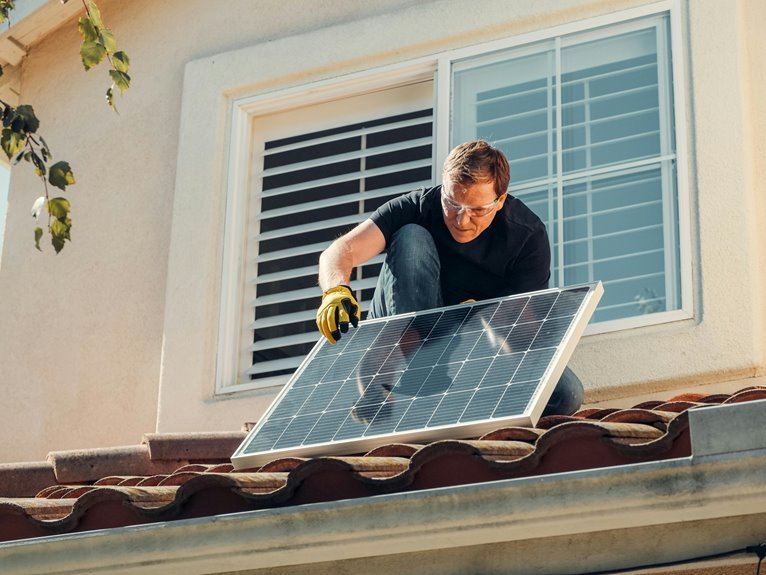
Thinking about adding solar panels to your home? It’s not just about cutting down those electric bills. Many folks are curious if these panels boost the value of their house. Let’s dig into how solar panels can impact your home’s worth and what you should consider before making the switch. Key Takeaways Discover Your Solar Savings by visiting our website “Livingwithsolar“ Understanding the Impact of Solar Panels on Home Value How Solar Panels Affect Property Prices Solar panels aren’t just about saving on electricity bills; they actually boost your home’s market value. In 2025, homes with solar installations are selling for about 6.8% more than those without. This means, if your home is valued at $400,000, adding solar could increase its worth by over $27,000. That’s a pretty solid return on investment. But, there’s a catch. The exact increase can vary based on where you live, your local electricity rates, and even the condition of your solar system. So, while solar panels can definitely add value, it’s not a one-size-fits-all situation. The Role of Energy Savings in Home Valuation Energy savings play a huge role in boosting home value. Buyers love the idea of reduced energy bills, and who wouldn’t? When you install solar panels, you’re essentially offering potential buyers lower monthly expenses. This makes your home more attractive, especially in areas with high electricity costs. Some studies even suggest that for every dollar saved on annual energy bills, your home’s value could increase by $20. So, if your solar setup saves you $500 a year, that’s potentially a $10,000 increase in home value. It’s a win-win! Comparing Solar to Other Home Improvements When it comes to home improvements, solar panels are often compared to things like kitchen remodels or bathroom upgrades. But here’s the kicker: while a new kitchen might be appealing, it doesn’t offer the same ongoing financial benefits as solar. Solar panels provide continuous savings on energy bills, which can be a major selling point. Plus, unlike other renovations, solar panels contribute to a cleaner environment. So, when weighing your options, consider that solar not only enhances your home’s value but also provides sustainable benefits that buyers are increasingly looking for. Installing solar panels can enhance your home’s resale value by lowering energy bills and improving energy accessibility. Learn more about how solar panels can impact your home’s market value. Factors Influencing the Value Addition of Solar Panels Location and Regional Market Trends The impact of solar panels on home value can vary greatly depending on where you live. In areas with high electricity rates and a strong emphasis on sustainability, like New York City, solar panels are often seen as a valuable addition. Homeowners in these regions might see a higher return on their solar investment compared to those in areas with lower energy costs. Regional market trends also play a role. In some markets, the demand for energy-efficient homes is on the rise, which can boost the value of solar-equipped properties. System Size and Efficiency The size and efficiency of your solar system are crucial factors in determining how much value it adds to your home. Larger systems that generate more electricity can lead to greater savings on utility bills, making them more attractive to potential buyers. Additionally, newer systems with high-efficiency panels are likely to be more appealing, as they promise better performance and longevity. Ownership vs. Leasing of Solar Systems Owning your solar system outright can significantly enhance your home’s value. When you own the system, the new homeowner can benefit from the energy savings without any additional costs. On the other hand, leased systems can complicate the selling process. Potential buyers might be wary of taking over a lease agreement, which could deter them from purchasing your home. So, if you’re planning to sell, owning your solar panels is generally a better option. Keep in mind, installing solar panels can significantly enhance a home’s value, with the increase influenced by factors such as location, electricity rates, and system size. Approximately 46% of homeowners recognize this benefit. Learn more. Financial Benefits Beyond Increased Home Value Monthly Savings on Electricity Bills One of the most immediate perks of having solar panels is the monthly savings on your electricity bill. Depending on your location, you might save anywhere from $100 to $250 each month. Over a year, that’s nearly $3,000 that stays in your pocket. This extra cash can be used for other home improvements or investments. Imagine finally getting those granite countertops or putting some money into the stock market. Tax Incentives and Rebates Solar panels come with a host of tax incentives and rebates that can make the initial investment more affordable. Programs like the Federal Solar Tax Credit can significantly lower the cost of installation. Some states offer additional tax breaks or rebates, helping to offset the upfront cost even more. These financial perks not only reduce the payback period but also enhance the overall return on investment. Long-term Investment Returns Solar panels aren’t just a way to save on electricity; they’re a long-term investment. Over time, as energy prices rise, your savings will increase, making the initial cost more than worth it. Most homeowners find that solar panels pay for themselves within a few years, and after that, it’s pure savings. Plus, if you decide to sell your home, having solar panels can increase your property’s value by up to 4.1%, according to recent studies. This makes solar not just a smart environmental choice, but a financially savvy one too. Investing in solar panels is like planting a money tree on your roof. It might take a little time to grow, but once it does, the harvest is plentiful and sweet. Market Perception and Buyer Preferences Demand for Energy-efficient Homes Energy-efficient homes are becoming a hot ticket in the real estate market. Many buyers are actively seeking homes that offer lower utility costs and a smaller carbon footprint. Solar panels are a major draw because they promise both. As more people become eco-conscious, the demand for
How to Set Up a Solar Panel System: Step-by-Step Guide
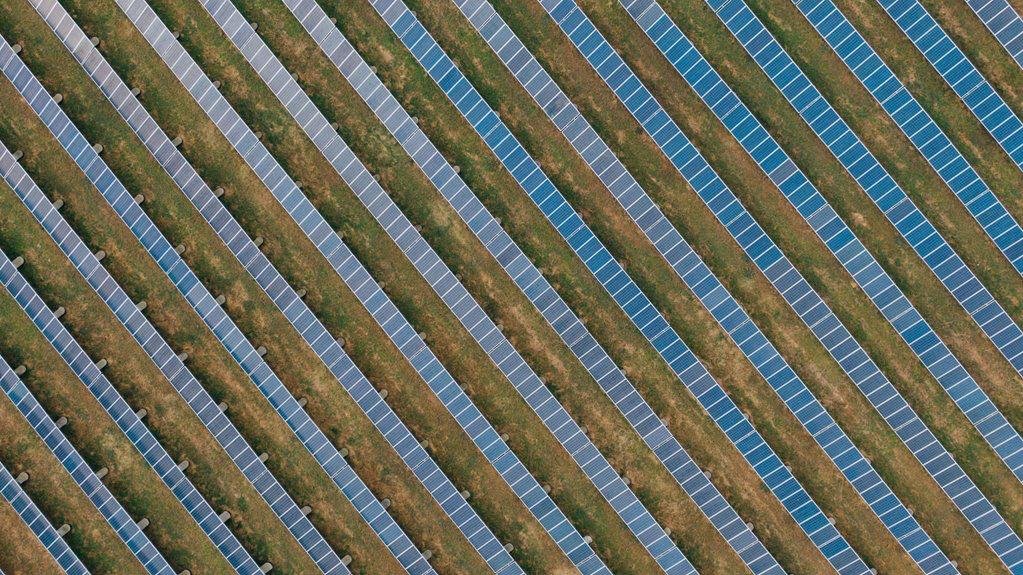
To set up a solar panel system, I first calculate my power load by listing all devices and their wattage. Next, I choose the right solar panel array and type based on my energy needs. I choose a portable power station that fits my needs. Then, I buy balance system parts like a charge controller and inverter. After mounting the solar panels, I connect them to the battery. If you’re curious about the finer details, there’s more to explore. Calculate Your Power Load Calculating your power load is an essential first step in setting up your solar panel system. First, I list all my devices and appliances. I check their wattage and estimate how long I use each one each day. By multiplying the wattage by the hours of use, I can calculate the total energy needed in watt-hours. The average American household uses about 10,632 kWh each year. This is about 886 kWh per month. It can help as a useful guideline. Once I know my energy requirements, I can determine how many solar panels I need. To plan for solar panel installation, I use this formula: Number of panels = Total annual kWh / Production ratio / Panel wattage. This helps ensure the panels will meet my energy needs. Choose Your Solar Panel Array Choosing the right solar panel array is key to boosting energy production and efficiency. I started by figuring out my total energy use. I used the average American household’s 886 kWh per month as a guide. To find out how many panels I needed, I took my yearly energy needs. Then, I divided that by the production ratio and the wattage of the panels, which is 400W. I looked at three main types: I need to make sure the panels I pick fit well with my other system parts, like the inverter and charge controller. I checked the local sunlight and shading. This helped me find the best spot for my solar panel array. Select the solar panel type. When it comes to choosing the right solar panel type, I’ve found there are three main options to evaluate: monocrystalline, polycrystalline, and thin-film panels. Monocrystalline panels are very efficient, typically ranging from 15% to 22%. This makes them perfect for small spaces. Polycrystalline panels are more affordable but have lower efficiency ratings, typically around 13-16%. Thin-film panels are light and easy to move. However, their efficiency varies from 7% to 18%. When choosing solar panels, think about the production ratio. It shows how much energy you can generate from sunlight. Consider your installation needs and space. This will help you pick the best solar panel type for your situation. This choice will greatly impact your system’s performance. Select the Portable Power Station. After you’ve chosen the right solar panel type, the next step is finding a portable power station that fits your energy needs. I always suggest checking the battery type. Lithium-ion batteries usually last longer and work better than lead-acid ones. Check that the power station’s capacity meets your energy needs. Look at the watt-hour rating of your devices. Overloading could cause problems. Choose a portable power station with various output options. Look for AC, USB, and DC ports for more versatility. Check that your solar panels are compatible. This will help ensure efficient charging. Also, think about weight and portability. Lighter models are easier to carry for outdoor trips or emergencies. Buy the Balance System. Buying the balance of system (BOS) components is a key step in setting up your solar panel system. The BOS has all you need except for the solar panels. It includes the charge controller, inverter, wiring, and mounting structures. Start with a good charge controller. It controls the voltage and current from the panels. This helps prevent overcharging the battery. Don’t forget the inverter. It changes the direct current (DC) from the panels into alternating current (AC) for your appliances. You’ll also need reliable wiring, like MC4 connectors, for secure connections. Finally, select the right mounting options. You can choose from ground mounts, roof mounts, or pole mounts. This way, you’ll maximize sun exposure and keep everything structurally sound. This way, you’ll have a complete and efficient solar setup. Gather the necessary tools and components. With the balance of system components secured, it’s time to gather the necessary tools and components for your solar panel setup. Start by making a checklist. Include solar panels, a charge controller, an inverter, batteries, and wiring materials. Make sure to select the type of solar panels that best fit your needs, like monocrystalline for efficiency or polycrystalline for cost-effectiveness. Pick a charge controller that fits your solar panel and battery specs. MPPT options can give you better efficiency. Don’t forget the tools! You’ll need screwdrivers, wrenches, wire cutters, and safety gear. It’s vital to ensure all components work well together. This is especially true for the inverter’s power rating and your calculated load. Let’s get ready for installation! Mount the solar panels. Mounting the solar panels is an essential step in your solar panel system setup. First, check that the mounting structure is stable. This could be your roof or the ground. It needs to handle different weather conditions. I point solar panels south in the Northern Hemisphere. In the Southern Hemisphere, I point them north. This way, they get the most sunlight. Set the tilt angle between 18 and 36 degrees. This will help you capture more energy all year. Use high-quality mounting brackets and hardware. This secures the panels well. It helps them withstand wind and other stresses. I double-check my installation to ensure it meets local building codes and regulations. This keeps everything safe and legal. Connect the solar panels to the battery. Now that we’ve mounted the solar panels, it’s time to connect them to the battery. I’ll share key wiring setups and tips for matching battery voltages. This will help ensure everything runs smoothly. Plus, I’ll highlight the safety precautions you need to take during this
The Best Solar Companies for Homeowners in 2025

Discover the top solar companies for homeowners in 2025 and find out which ones offer unbeatable warranties and customer service that could change your energy game.
What to Do Before Installing Solar Panels: A Step-by-Step Guide
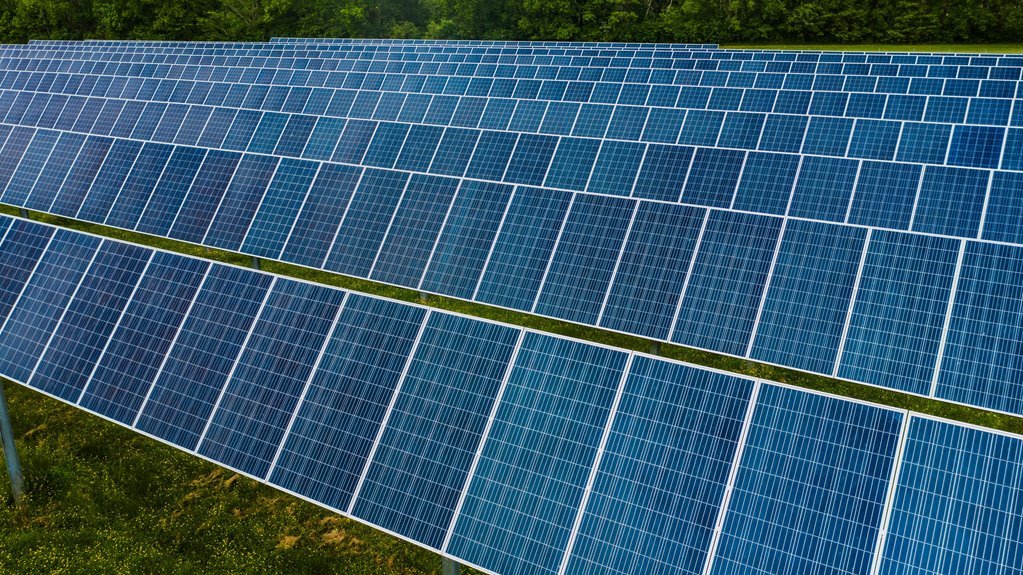
Learn essential steps to take before installing solar panels, ensuring you’re prepared for a successful transition to renewable energy. What comes next?
How Solar Power Works at Night: The Role of Solar Batteries
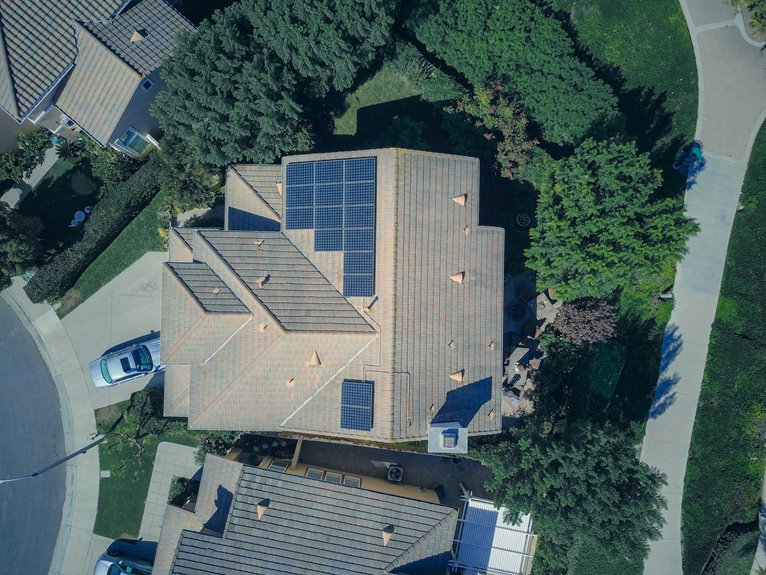
Discover how solar batteries transform daytime energy into nighttime power, unlocking the secrets of sustainable energy solutions that could change your life.
Understanding Solar Panel Warranties and Lifespan

Properly understanding solar panel warranties and lifespan is essential for protecting your investment; discover key insights that could save you thousands.
Is Your Home Suitable for Solar Panels? What to Consider Before Installation
Just before you dive into solar panel installation, discover crucial factors that could determine your home’s suitability and save you from costly mistakes.