Solar Energy & You: How Is Solar Energy Used In Our Everyday Lives?
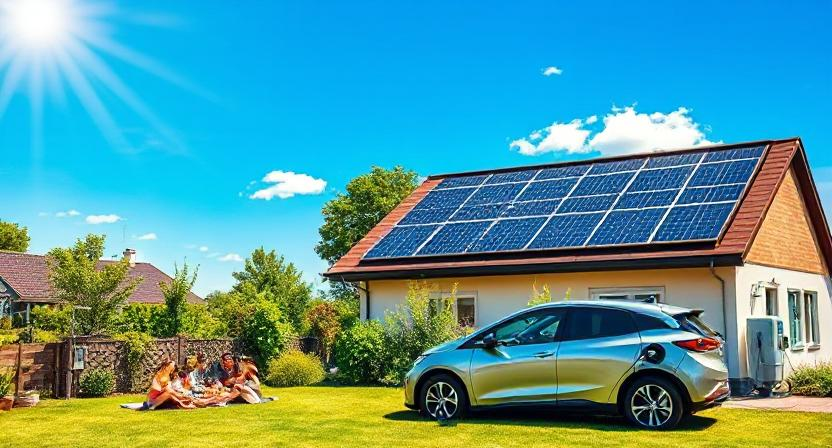
Solar energy is a game changer in my everyday life. I use it to power my home, cut down on electricity bills, and enjoy efficient water heating. Solar lights brighten my garden, while portable solar chargers keep my devices powered. I love cooking with solar ovens, and natural heating systems make my living spaces comfortable year-round. With solar-powered vehicles on the rise, there’s even more to explore about how solar is enhancing our lives. Explore how solar power can reduce operational costs for your business.🔗 Discover More Powering Your Home With Solar Electricity When I decided to explore solar electricity for my home, I was amazed at how much it could lower my reliance on traditional energy sources. Installing solar panels allowed me to harness solar energy, considerably reducing my electricity bills. As more homeowners adopt solar power, it accounted for 2.8% of the total electricity generation in the U.S. by 2021. The beauty of solar panels is that they not only generate power for my home but also produce excess electricity, which I can send back to the grid. Thanks to net metering, I earn credits on my utility bills for that surplus energy. With declining installation costs and minimal maintenance, solar electricity has become a convenient and affordable energy solution for my home. Efficient Water Heating Solutions When I think about efficient water heating solutions, I’m impressed by both active and passive solar systems. Active systems use pumps to guarantee you get hot water on demand, while passive systems are simpler and rely on natural processes. Plus, if you have a pool, solar heating can make a huge difference in keeping your water warm without breaking the bank. Active System Advantages Active solar water heating systems offer a remarkable solution for efficiently heating water in our homes. These systems utilize mechanical pumps to circulate fluids between solar collectors and storage tanks, ensuring effective heating for domestic use. They provide immediate warmth or store heated water, perfect for showering and laundry. Feature Benefits Applications Higher Efficiency Lowers electricity bills Residential hot water Reduces Reliance on Gas Supports environmental sustainability Multi-purpose use Versatile Systems Suitable for various climates Year-round hot water Passive System Benefits While active solar water heating systems provide many advantages, passive solar water heating offers a compelling alternative for those looking for efficient and cost-effective solutions. I find passive systems to be particularly appealing for several reasons: In my experience, passive solar water heating systems are a practical choice for anyone wanting an efficient and eco-friendly option. Solar Pool Heating Imagine lounging by a warm, inviting pool on a cool evening, knowing that your swim is powered by the sun. Solar pool heating systems efficiently circulate water through solar collectors, heating it before returning it to the pool. This setup not only extends my swimming season but also helps to reduce reliance on traditional gas or electric heaters. With installation costs typically ranging from $2,500 to $4,000, I find the payback periods between 1 to 7 years quite appealing. Plus, I can enjoy lower energy bills while embracing a sustainable lifestyle. Those solar vacuum tubes are particularly impressive for heating hot tub water, ensuring I stay comfortable, no matter the weather! Enhancing Outdoor Spaces With Solar Lighting Enhancing outdoor spaces with solar lighting not only beautifies your environment but also promotes sustainability. I love how solar lighting systems harness sunlight during the day to power outdoor lights at night. Here are four ways solar lighting can enhance your outdoor areas: With solar lighting, I can create a beautiful and sustainable outdoor space that fits my lifestyle. Portable Solar Charging for Devices When I head outdoors for an adventure, having a portable solar charger with me makes all the difference. These lightweight and compact devices harness solar energy to charge my smartphone, tablet, or laptop, eliminating the need for traditional outlets. Many portable solar chargers come with built-in batteries, storing energy for later use, so I can charge devices even when the sun isn’t shining. They’re perfect for camping, hiking, or any outdoor activities. Plus, using them is a sustainable alternative that helps reduce reliance on fossil fuels and promotes eco-friendly practices. Here’s a quick comparison of some popular models: Model Charge Time (hrs) Built-in Battery (mAh) SolarGo 10W 3 10,000 EcoCharge 15W 4 20,000 SunPower 20W 2.5 15,000 GreenTech 25W 3.5 25,000 Innovative Solar Cooking Methods I’ve been fascinated by the different types of solar ovens, like parabolic and box cookers, that can turn sunlight into a reliable cooking source. Not only do they offer a way to prepare meals without traditional fuels, but they also come with great benefits for the environment and our wallets. Plus, they’re perfect for outdoor adventures, making cooking with just sunlight a fun and eco-friendly option. Types of Solar Ovens While many people may think of traditional cooking methods, solar ovens offer innovative alternatives that harness the sun’s energy for preparing meals. I’ve explored several types of solar ovens, each with unique benefits: Benefits of Solar Cooking Although many people may not realize it, solar cooking offers a multitude of benefits that extend beyond just saving on fuel costs. By utilizing solar ovens, I can harness renewable energy from the sun, which not only helps me save money but also promotes energy independence. The various cooking methods, like baking and boiling, allow me to prepare a wide range of meals while being environmentally friendly. Since solar cooking eliminates the need for conventional fuels, it greatly reduces carbon emissions and lessens our environmental impact. Additionally, it encourages sustainability by decreasing reliance on firewood, helping to prevent deforestation. Overall, embracing solar cooking is a practical choice for both my wallet and the planet. Outdoor Cooking Solutions There’s something truly exciting about outdoor cooking with innovative solar methods. Using solar ovens, like parabolic, box, and panel cookers, I’ve discovered eco-friendly ways to prepare meals without conventional fuels. These solar cooking devices can reach high temperatures, making them versatile for baking, boiling, or steaming on sunny days. Plus, they help reduce deforestation by lowering the demand for firewood. Here are some outdoor cooking solutions I’ve tried: Embracing solar energy truly enhances my outdoor cooking experiences! Natural Heating and Cooling Systems Natural heating and cooling systems offer innovative ways to harness solar energy, making our homes more comfortable
How Solar Energy Can Reduce Your Carbon Footprint
Switching to solar energy offers a practical solution for lowering your carbon footprint. Imagine a world where your daily energy consumption leaves a minimal impact on the environment. By adopting solar power, you can take a significant step towards achieving this goal. But how exactly does solar energy achieve this reduction, and what are the implications for a greener future? Let’s explore the science behind this transformative energy source and its potential to reshape our environmental impact. Read Our Latest Blog PostsStay updated with the newest trends and tips in solar energy.🔗 Visit Blog Key Takeaways Benefits of Solar Energy When considering the benefits of solar energy, it’s essential to acknowledge its remarkable impact on reducing carbon emissions. By harnessing the power of the sun, you can significantly decrease your carbon footprint. Solar energy systems generate electricity without producing harmful greenhouse gases, unlike traditional fossil fuels. This means that utilizing solar power helps combat climate change by reducing the amount of carbon dioxide and other pollutants released into the atmosphere. Additionally, solar energy is a renewable resource, meaning it will never run out, unlike finite fossil fuels. Choosing solar energy for your home or business not only helps the environment but also saves you money in the long run by decreasing your reliance on expensive and polluting energy sources. Embracing solar power is a proactive step towards a cleaner, more sustainable future for both you and the planet. Carbon Footprint Reduction Considering your carbon footprint is crucial in today’s world where environmental sustainability is a top priority. By switching to solar energy, you can significantly reduce your carbon footprint and help combat climate change. T raditional energy sources like coal and natural gas emit large amounts of carbon dioxide into the atmosphere, contributing to global warming. In contrast, solar energy produces no greenhouse gas emissions during operation, making it a cleaner and more sustainable choice for the planet. Emotion Impact Guilt Reduce emissions, save the planet Hope A better future for generations to come Empowerment Take control of your environmental impact Optimism Positive change through sustainable choices Cost Savings With Solar To understand the financial benefits of solar energy, it’s essential to recognize the significant cost savings it can bring to your household or business. By harnessing solar power, you can substantially reduce your electricity bills. The initial investment in solar panels may seem daunting, but over time, you’ll see a remarkable decrease in your monthly utility expenses. Additionally, many governments offer incentives, such as tax credits or rebates, to encourage the adoption of solar energy, further offsetting the upfront costs. Furthermore, with net metering, excess energy generated by your solar panels can be sold back to the grid, providing you with additional savings or credits on your electricity bill. This means not only lower monthly expenses but also potential earnings from your solar energy system. Over the long term, the savings generated by solar energy can outweigh the initial installation costs, making it a financially sound decision for both your wallet and the environment. Environmental Impact of Solar As you explore the benefits of solar energy, it becomes evident that its impact extends beyond just cost savings. The environmental advantages of solar power are significant. By harnessing energy from the sun, solar panels produce electricity without emitting harmful greenhouse gases or pollutants, unlike traditional fossil fuel-based power sources. This reduction in greenhouse gas emissions contributes to combating climate change and improving air quality. Environmental Impact Description Benefit Reduced Carbon Footprint Solar energy generates electricity without emitting carbon dioxide, a major greenhouse gas. Helps combat climate change. Improved Air Quality Solar power production does not release harmful pollutants that contribute to smog and respiratory problems. Enhances overall air quality. Conservation of Resources Solar energy is renewable and abundant, reducing the reliance on finite fossil fuel resources. Promotes sustainability and resource conservation. Embracing solar energy not only leads to economic savings but also plays a crucial role in preserving the environment for future generations. Solar Energy for Sustainability When you choose to adopt solar energy solutions, you aren’t just investing in a sustainable future but actively contributing to a cleaner and greener environment. Solar energy is a key player in promoting sustainability by harnessing the power of the sun to generate electricity without producing harmful emissions. By utilizing solar panels on rooftops or in solar farms, you can reduce your reliance on fossil fuels, which are finite resources that contribute to climate change. One of the most significant benefits of solar energy for sustainability is its renewable nature. Unlike traditional energy sources like coal or natural gas, solar power is an abundant and inexhaustible resource. This means that by going solar, you’re supporting a long-term energy solution that minimizes environmental impact and helps combat global warming. Furthermore, solar energy systems have a minimal carbon footprint compared to conventional energy sources. Conclusion By making the switch to solar energy, you can significantly reduce your carbon footprint and help protect the environment for future generations. Not only will you save money on electricity bills, but you’ll also contribute to a more sustainable and cleaner energy future. So why wait? Start benefiting from the many advantages of solar power today and make a positive impact on the planet. Frequently Asked Questions Can Solar Panels Work During Cloudy Days? Yes, solar panels can still work on cloudy days. Although they may produce less energy compared to sunny days, they can still generate power. The panels are designed to capture diffused light and convert it into electricity. What Happens to Excess Solar Energy Produced? When excess solar energy is generated, it can be stored in batteries, sold back to the grid, or diverted for heating water. Maximize your solar investment by utilizing smart systems that manage surplus power efficiently. Do Solar Panels Require a Lot of Maintenance? Solar panels don’t require a lot of maintenance. Regular cleaning and occasional inspections are all that’s needed. With proper care, they can continue generating clean energy efficiently for
How Solar Panels Increase the Value of Your Home
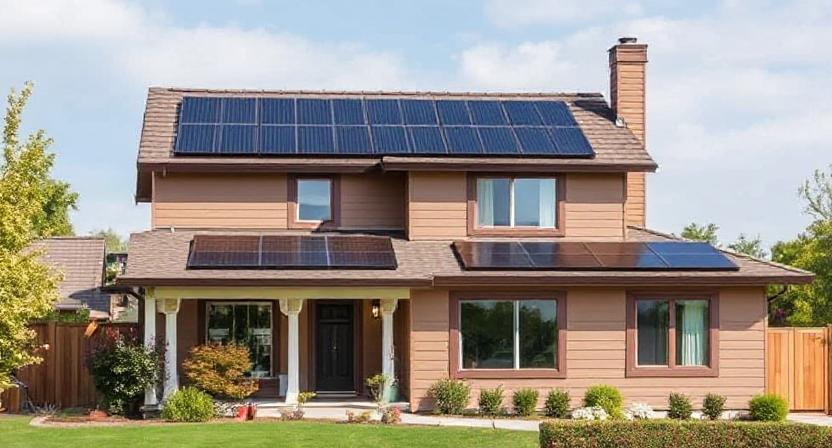
Installing solar panels on your home is a strategic decision that can have a significant impact on its overall value. Not only do solar panels offer financial benefits, but they also enhance your property’s appeal in a competitive real estate market. The advantages extend beyond just cost savings, providing a glimpse into a future where sustainable living is not only desirable but also financially rewarding. As you explore the various ways solar panels can increase the value of your home, you’ll uncover a compelling narrative that goes beyond the surface benefits. Key Takeaways Visit our website “livingwithsolar” for more info about saving money. Enhancing Property Marketability By installing solar panels on your home, you can significantly enhance its marketability. Potential buyers are increasingly attracted to homes with sustainable features like solar panels due to their long-term cost-saving benefits and environmental impact. When your property has solar panels, it stands out in the market as a forward-thinking and eco-friendly choice. Homes with solar panels often sell faster and at a higher price than those without, making it a wise investment for increasing your home’s value. In today’s environmentally conscious world, having solar panels can give your home a competitive edge and appeal to a broader range of buyers looking for energy-efficient options. Additionally, showcasing the reduced energy bills and potential tax incentives that come with solar panels can further entice buyers who are looking for ways to save money in the long run. Boosting Energy Efficiency To boost your home’s energy efficiency, consider the installation of solar panels. Solar panels harness the power of the sun to generate electricity, reducing your reliance on traditional energy sources. By generating your own clean energy, you can lower your utility bills and decrease your carbon footprint. Solar panels offer a sustainable and environmentally friendly solution to powering your home. In addition to saving money on your energy bills, solar panels can also increase the overall energy efficiency of your home. They provide a renewable energy source that can be used to power your appliances, lighting, and heating or cooling systems. This can lead to a more energy-efficient household, reducing wasted energy and making your home more eco-friendly. With solar panels installed, you can take advantage of tax incentives and rebates offered for renewable energy systems, further enhancing the financial benefits of going solar. Not only will you be saving money in the long run, but you’ll also be contributing to a greener planet by reducing your carbon emissions. Increasing Home Resale Value Considering the installation of solar panels not only boosts your home’s energy efficiency but also has the potential to significantly increase your home’s resale value. When it comes time to sell your home, having solar panels already installed can be a major selling point for potential buyers. Homes with solar panels are often perceived as more valuable because they offer long-term cost savings on energy bills, making them attractive to a wide range of buyers. Research indicates that homes with solar panels tend to sell for more than those without. A study by the U.S. Department of Energy found that buyers are willing to pay a premium for homes with solar panels, with the average premium ranging from $10,000 to $20,000. This means that the initial investment in solar panels not only pays off through energy savings while you live in the home but also translates into a higher resale value when you decide to sell. Attracting Eco-Conscious Buyers When aiming to attract eco-conscious buyers to your home, showcasing the presence of solar panels can act as a powerful incentive. Eco-conscious individuals often prioritize sustainability and energy efficiency when looking for a new home. By having solar panels installed, you are not only reducing your carbon footprint but also demonstrating a commitment to renewable energy sources. This can greatly appeal to buyers who share the same environmental values. To further highlight the benefits of solar panels for eco-conscious buyers, consider the following table: Benefits for Eco-Conscious Buyers Description 1. Sustainability Solar panels reduce reliance on fossil fuels and help combat climate change. 2. Energy Efficiency Solar energy is a renewable and clean source of power, minimizing environmental impact. 3. Cost Savings Lower energy bills and potential government incentives make solar panels financially attractive. 4. Increased Home Value Properties with solar panels are perceived as more valuable due to long-term energy savings. 5. Environmental Impact Solar panels contribute to a greener future and support a healthier planet. Providing Long-Term Cost Savings With solar panels, homeowners can realize substantial long-term cost savings. By harnessing the power of the sun, you can significantly reduce your monthly electricity bills while also decreasing your reliance on traditional energy sources. Here are three key ways solar panels provide long-term cost savings: Qualifying for Tax Incentives To potentially reduce the upfront cost of installing solar panels, you may qualify for various tax incentives from federal, state, and local governments. These incentives are designed to encourage homeowners to invest in renewable energy sources like solar power. The Federal Investment Tax Credit (ITC) is one of the most significant incentives, allowing you to deduct a percentage of the cost of installing a solar energy system from your federal taxes. Additionally, some states offer their own tax credits, rebates, or exemptions for solar panel installations. Local governments may provide property tax exemptions or incentives as well. To qualify for these tax incentives, you typically need to meet certain criteria, such as using approved solar equipment and having the system installed by a licensed professional. The exact requirements can vary depending on your location, so it’s essential to research the specific incentives available in your area. Taking advantage of these tax incentives can make solar panel installation more affordable and provide long-term financial benefits through energy savings and increased home value. Switch to Solar Today – Explore Now Conclusion In conclusion, installing solar panels on your home not only enhances its marketability and attracts eco-conscious buyers but also provides long-term cost savings
How Solar Energy Can Help You Save on Your Energy Bills
With the rising costs of traditional energy sources, you may be seeking ways to reduce your monthly expenses. Have you ever considered how solar energy could provide a solution to your escalating energy bills? By harnessing the power of the sun, you can take control of your electricity production and potentially save a substantial amount over time. But how exactly does this process work, and what are the key factors to consider when making the switch to solar energy? Key Takeaways Visit our website and “Learn How Solar Saves You Money” Benefits of Solar Energy When considering the benefits of solar energy, one can’t overlook its significant impact on reducing monthly energy costs. By harnessing the power of the sun, you can generate your electricity, leading to substantial savings on your utility bills. Solar panels are a one-time investment that can provide long-term financial benefits. Additionally, many governments offer incentives and rebates for installing solar panels, further lowering the initial costs. Beyond cost savings, solar energy is environmentally friendly and sustainable. Unlike traditional energy sources that rely on fossil fuels, solar power produces clean electricity without harmful emissions. Reduced Electricity Costs Consider how solar energy can directly impact your monthly expenses through significantly reduced electricity costs. By harnessing the power of the sun, you can generate your own electricity and rely less on the grid, leading to lower energy bills. Solar panels convert sunlight into usable electricity, allowing you to power your home with clean, renewable energy. This means less electricity needs to be drawn from your utility provider, resulting in decreased monthly costs. Additionally, excess energy generated by your solar system can be stored or sold back to the grid through net metering programs, providing you with potential credits on your electricity bill. Over time, the savings from reduced electricity costs can offset the initial investment in solar panels, leading to long-term financial benefits. Embracing solar energy not only helps you save money but also contributes to a more sustainable future by reducing your carbon footprint. Government Incentives and Rebates Government incentives and rebates play a crucial role in making solar energy more accessible and cost-effective for homeowners. Here’s how these incentives can help you save money and make the switch to solar power more affordable: Net Metering Savings To maximize your savings and make the most out of your solar energy system, understanding how net metering works is essential. Net metering is a billing arrangement that allows you to receive credits for any excess electricity your solar panels generate and send back to the grid. During times when your solar panels produce more electricity than your home consumes, the excess energy is sent back to the grid, spinning your meter backward. This results in credits that can offset your future electricity bills when your panels aren’t producing enough energy, such as at night. Increased Home Value As you harness the benefits of net metering and watch your energy bills decrease, another advantage of investing in solar energy emerges: increased home value. Having solar panels installed on your property can significantly boost its market worth. Here’s how: Energy Independence Achieving energy independence through solar power is a goal many homeowners aspire to. By harnessing the power of the sun, you can reduce your reliance on traditional energy sources and take control of your energy consumption. Solar panels allow you to generate your electricity, enabling you to become less dependent on the grid and more self-sufficient. Benefits of Energy Independence Description Lower Electricity Bills Solar energy can significantly reduce your monthly costs. Environmental Impact Using solar power decreases your carbon footprint. Energy Security Less vulnerability to energy price fluctuations. Increased Resilience During power outages, you can still have electricity. Sustainable Living Contributing to a greener future for generations to come. Long-Term Cost Savings By investing in solar energy, you can secure long-term cost savings on your energy bills. Here are four key ways solar energy helps you save in the long run: Frequently Asked Questions How Does Shading Impact Solar Panel Efficiency? Shading significantly reduces solar panel efficiency. When shaded, panels receive less sunlight, generating less electricity. It’s crucial to ensure panels have maximum exposure to sunlight throughout the day to optimize their performance. What Maintenance Is Required for Solar Panels? To keep solar panels efficient, you should regularly clean them, check for debris or shading issues, and monitor for any damage. Maintenance may involve simple tasks like washing and inspecting panels to ensure optimal performance. Can Solar Panels Work During a Power Outage? Yes, solar panels can work during a power outage if you have a battery backup system in place. This setup allows you to store excess energy generated by the panels, ensuring continuous power supply. Do Solar Panels Increase Homeowner Insurance Rates? Yes, solar panels can impact homeowner insurance rates. While some insurers may increase rates due to the added value of solar panels, others may offer discounts for eco-friendly upgrades, ultimately benefiting you financially. Are There Any Restrictions on Solar Panel Installation in My Area? You should check local regulations before installing solar panels. Some areas have restrictions on placement and appearance. Ensuring compliance with these rules can prevent costly fines and delays in the installation process. Conclusion In conclusion, going solar can help you save money on your energy bills by reducing your reliance on the grid, taking advantage of government incentives, and increasing your home’s value. With the ability to generate your own electricity and potentially sell excess energy back to the grid, you can achieve energy independence and long-term cost savings. Make the switch to solar today and start enjoying the financial benefits while promoting a sustainable lifestyle.
Top Benefits of Switching to Solar Energy
When it comes to considering the advantages of transitioning to solar energy, the potential benefits go beyond just saving on your utility bills. By making this switch, you open the door to a range of advantages that can positively impact both your finances and the environment. From reducing your carbon footprint to gaining energy independence, the benefits of solar power are multi-faceted and far-reaching. So, why not explore how embracing solar energy could transform your lifestyle and contribute to a more sustainable future? Key Takeaways Lower Electricity Bills Lowering your electricity bills is one of the most compelling reasons to switch to solar energy. By harnessing the power of the sun, you can significantly reduce your monthly utility costs. Solar panels convert sunlight into electricity, allowing you to generate your own power and rely less on traditional energy sources. With solar energy, you can produce electricity during peak daylight hours, offsetting your reliance on the grid and potentially even selling excess energy back to your utility company. Over time, the savings on your electricity bills can offset the initial investment in solar panels, making it a financially savvy choice for homeowners looking to decrease their monthly expenses and increase their energy independence. Environmental Impact Switching to solar energy brings a positive environmental impact that can significantly reduce your carbon footprint. By harnessing the power of the sun, you can lower greenhouse gas emissions, combat climate change, and contribute to a cleaner, healthier planet. Solar energy generates electricity without releasing harmful pollutants into the atmosphere, unlike traditional fossil fuels. This means less air and water pollution, preserving ecosystems, and protecting wildlife habitats. Additionally, solar panels require minimal water for maintenance compared to other energy sources, helping conserve this precious resource. Embracing solar power not only benefits you financially but also plays a vital role in safeguarding the environment for future generations. Make the switch to solar today and be a part of the solution to environmental challenges. Energy Independence Embracing solar energy fosters a sense of self-reliance and energy independence. By harnessing the power of the sun, you take control of your energy future and reduce reliance on traditional energy sources. Here are some key benefits of achieving energy independence through solar energy: Return on Investment When considering the transition to solar energy, one of the most compelling factors to ponder is the return on investment. Investing in solar panels can lead to significant long-term savings on your energy bills. Over time, the money saved on electricity costs can outweigh the initial investment in solar panels. Additionally, solar panels can increase the value of your property, providing a solid return if you decide to sell your home in the future. With the decreasing costs of solar technology and the availability of financing options, the return on investment for solar energy is becoming more attractive than ever. Tax Incentives If you’re looking to maximize the benefits of transitioning to solar energy, exploring the various tax incentives available to you can significantly impact your bottom line. Here are some key tax incentives to consider: Frequently Asked Questions How Long Does a Solar Panel System Typically Last? Solar panel systems typically last around 25-30 years. With proper maintenance and care, you can maximize their lifespan. Regular inspections and cleaning can help ensure that your system continues to generate clean, renewable energy efficiently. Are There Any Maintenance Costs Associated With Solar Panels? Yes, there are some maintenance costs associated with solar panels. You should plan for occasional expenses like inverter replacements or panel cleaning. Regular upkeep ensures optimal performance and longevity for your solar energy system. Can Solar Panels Work During Cloudy or Rainy Days? Yes, solar panels can still generate electricity during cloudy or rainy days. While their efficiency may decrease, they can still produce power. It’s important to consider your location and the specific weather conditions when estimating solar panel performance. What Happens if My Energy Needs Exceed the Solar Production? If your energy needs exceed solar production, you can rely on grid electricity or add battery storage. This ensures continuous power supply. Consider energy-efficient practices to minimize excess usage. Evaluate your needs for optimal solar system sizing. Do Solar Panels Increase the Value of My Property? Solar panels can significantly boost your property value. They are considered desirable features that can attract potential buyers. By investing in solar energy, you not only save on electricity costs but also enhance the appeal and worth of your home. Conclusion So, why wait? Make the switch to solar energy today and start enjoying the benefits of lower electricity bills, a reduced environmental impact, increased energy independence, a great return on investment, and valuable tax incentives. It’s a win-win situation for your wallet and the planet. Don’t hesitate to take this eco-friendly and financially savvy leap towards a brighter future.
How to Set Up a Solar Panel System: Step-by-Step Guide
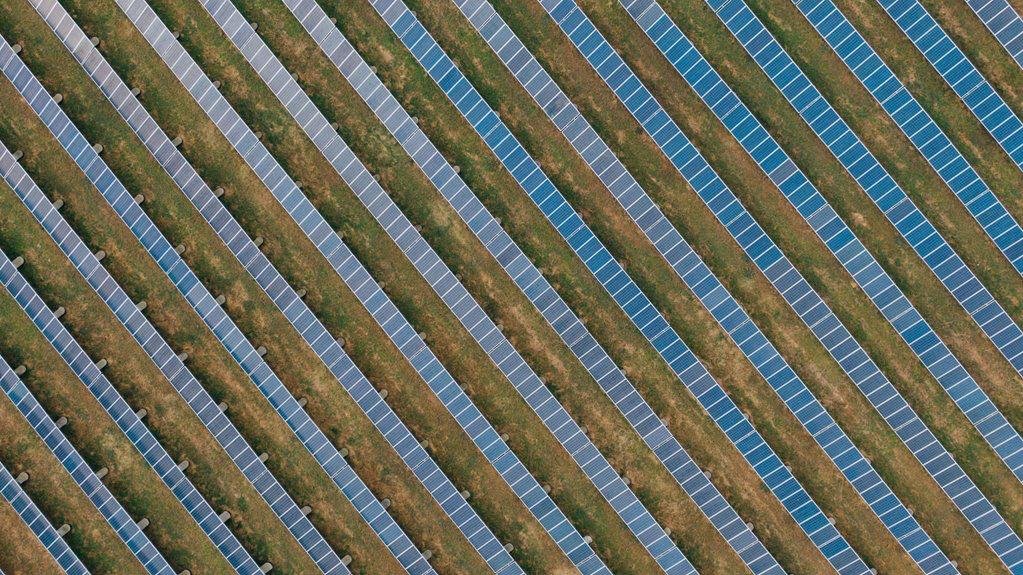
To set up a solar panel system, I first calculate my power load by listing all devices and their wattage. Next, I choose the right solar panel array and type based on my energy needs. I choose a portable power station that fits my needs. Then, I buy balance system parts like a charge controller and inverter. After mounting the solar panels, I connect them to the battery. If you’re curious about the finer details, there’s more to explore. Calculate Your Power Load Calculating your power load is an essential first step in setting up your solar panel system. First, I list all my devices and appliances. I check their wattage and estimate how long I use each one each day. By multiplying the wattage by the hours of use, I can calculate the total energy needed in watt-hours. The average American household uses about 10,632 kWh each year. This is about 886 kWh per month. It can help as a useful guideline. Once I know my energy requirements, I can determine how many solar panels I need. To plan for solar panel installation, I use this formula: Number of panels = Total annual kWh / Production ratio / Panel wattage. This helps ensure the panels will meet my energy needs. Choose Your Solar Panel Array Choosing the right solar panel array is key to boosting energy production and efficiency. I started by figuring out my total energy use. I used the average American household’s 886 kWh per month as a guide. To find out how many panels I needed, I took my yearly energy needs. Then, I divided that by the production ratio and the wattage of the panels, which is 400W. I looked at three main types: I need to make sure the panels I pick fit well with my other system parts, like the inverter and charge controller. I checked the local sunlight and shading. This helped me find the best spot for my solar panel array. Select the solar panel type. When it comes to choosing the right solar panel type, I’ve found there are three main options to evaluate: monocrystalline, polycrystalline, and thin-film panels. Monocrystalline panels are very efficient, typically ranging from 15% to 22%. This makes them perfect for small spaces. Polycrystalline panels are more affordable but have lower efficiency ratings, typically around 13-16%. Thin-film panels are light and easy to move. However, their efficiency varies from 7% to 18%. When choosing solar panels, think about the production ratio. It shows how much energy you can generate from sunlight. Consider your installation needs and space. This will help you pick the best solar panel type for your situation. This choice will greatly impact your system’s performance. Select the Portable Power Station. After you’ve chosen the right solar panel type, the next step is finding a portable power station that fits your energy needs. I always suggest checking the battery type. Lithium-ion batteries usually last longer and work better than lead-acid ones. Check that the power station’s capacity meets your energy needs. Look at the watt-hour rating of your devices. Overloading could cause problems. Choose a portable power station with various output options. Look for AC, USB, and DC ports for more versatility. Check that your solar panels are compatible. This will help ensure efficient charging. Also, think about weight and portability. Lighter models are easier to carry for outdoor trips or emergencies. Buy the Balance System. Buying the balance of system (BOS) components is a key step in setting up your solar panel system. The BOS has all you need except for the solar panels. It includes the charge controller, inverter, wiring, and mounting structures. Start with a good charge controller. It controls the voltage and current from the panels. This helps prevent overcharging the battery. Don’t forget the inverter. It changes the direct current (DC) from the panels into alternating current (AC) for your appliances. You’ll also need reliable wiring, like MC4 connectors, for secure connections. Finally, select the right mounting options. You can choose from ground mounts, roof mounts, or pole mounts. This way, you’ll maximize sun exposure and keep everything structurally sound. This way, you’ll have a complete and efficient solar setup. Gather the necessary tools and components. With the balance of system components secured, it’s time to gather the necessary tools and components for your solar panel setup. Start by making a checklist. Include solar panels, a charge controller, an inverter, batteries, and wiring materials. Make sure to select the type of solar panels that best fit your needs, like monocrystalline for efficiency or polycrystalline for cost-effectiveness. Pick a charge controller that fits your solar panel and battery specs. MPPT options can give you better efficiency. Don’t forget the tools! You’ll need screwdrivers, wrenches, wire cutters, and safety gear. It’s vital to ensure all components work well together. This is especially true for the inverter’s power rating and your calculated load. Let’s get ready for installation! Mount the solar panels. Mounting the solar panels is an essential step in your solar panel system setup. First, check that the mounting structure is stable. This could be your roof or the ground. It needs to handle different weather conditions. I point solar panels south in the Northern Hemisphere. In the Southern Hemisphere, I point them north. This way, they get the most sunlight. Set the tilt angle between 18 and 36 degrees. This will help you capture more energy all year. Use high-quality mounting brackets and hardware. This secures the panels well. It helps them withstand wind and other stresses. I double-check my installation to ensure it meets local building codes and regulations. This keeps everything safe and legal. Connect the solar panels to the battery. Now that we’ve mounted the solar panels, it’s time to connect them to the battery. I’ll share key wiring setups and tips for matching battery voltages. This will help ensure everything runs smoothly. Plus, I’ll highlight the safety precautions you need to take during this
How Solar Power Works: A Simple Explanation
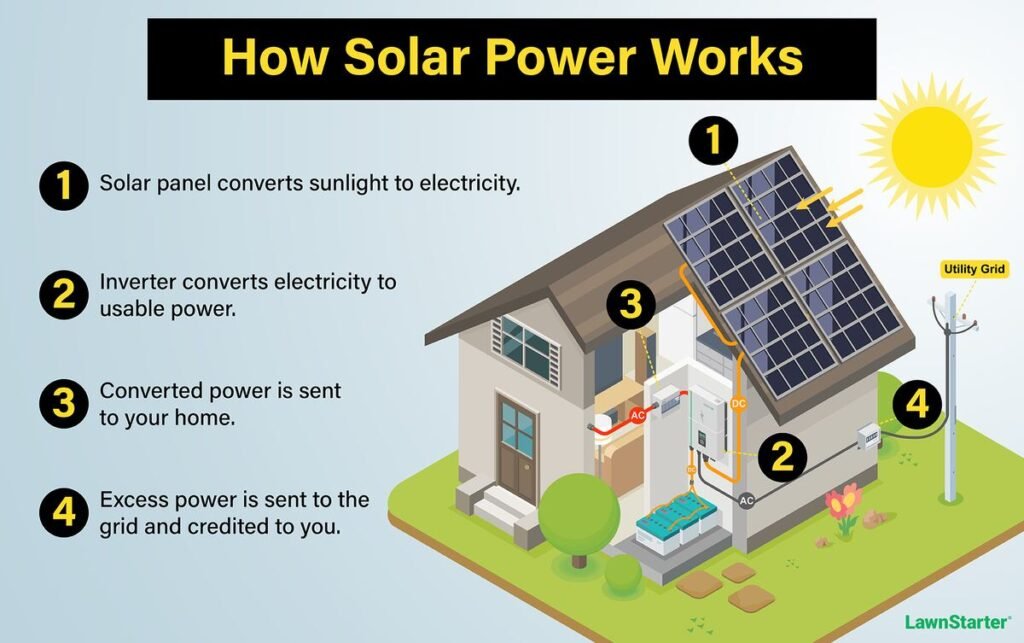
Ever glanced up at those shiny panels on rooftops and wondered what they’re all about? Solar power is more than just a buzzword—it’s a way to turn sunlight into electricity. At its core, solar power is about capturing the sun’s energy and converting it into something we can use in our homes and businesses. This guide will break down the basics, from how solar panels work to the different types of solar technology out there. Key Takeaways Understanding Solar Energy The Basics of Solar Energy Solar energy is all about harnessing the sunlight to make electricity. This energy source is not just abundant; it’s clean and renewable. The sun provides more energy in a single hour than the entire world consumes in a year. Imagine that! We capture this sunlight using photovoltaic cells in solar panels, which convert it into electricity. This process reduces our reliance on fossil fuels and cuts down on greenhouse gas emissions. Plus, solar power offers long-term savings on energy bills, which is a big win for both homeowners and businesses. How Photons Create Energy At the heart of solar energy is a tiny particle called a photon. These photons are created in the sun’s core through nuclear fusion. When they reach Earth, they hit the solar panels and set off a chain reaction. The energy from the photons frees up electrons in the panel’s semiconductor material, creating an electric current. This is the start of how solar panels turn sunlight into usable electricity for our homes and gadgets. The Role of Nuclear Fusion Nuclear fusion is the sun’s powerhouse. It’s a process where hydrogen atoms smash together under intense pressure and heat to form helium. This reaction releases a massive amount of energy, primarily in the form of photons. Every second, the sun converts over 500 million tons of hydrogen into helium, sending a constant stream of energy our way. This energy is what we capture and convert into electricity using solar technology. It’s a fascinating process that powers not just our planet, but potentially our future as well. The Photovoltaic Effect Discovery and History Back in 1839, a young French physicist named Edmond Becquerel stumbled upon something fascinating. He noticed that when he exposed certain materials to light, they generated a small electric current. This discovery, now known as the photovoltaic effect, laid the groundwork for solar technology. Fast forward to 1954, and we see the first practical solar cell emerge from Bell Labs, thanks to the efforts of Daryl Chapin, Calvin Fuller, and Gerald Pearson. They crafted a silicon-based cell that could actually power everyday devices. It’s wild to think that what started as a curious observation has evolved into a technology that powers satellites and even spacecraft today. How Solar Cells Work So, let’s get into the nitty-gritty of how solar cells actually work. At the heart of a solar cell is a material called silicon, which is a semiconductor. When sunlight hits the solar cell, photons (tiny packets of light) knock electrons loose from their atoms. This is where the magic happens: the movement of these electrons generates an electric current. Here’s a quick rundown of the process: This current is direct current (DC), which isn’t what we use in our homes. That’s where inverters come in, converting DC to alternating current (AC), making it usable for our appliances. Materials Used in Solar Cells Silicon isn’t the only game in town when it comes to solar cells, but it’s by far the most common. It’s abundant and works well for converting sunlight into electricity. However, there are other materials like cadmium telluride and copper indium gallium selenide, which are used in thin-film solar cells. These materials offer flexibility and can be applied in a variety of settings. But silicon remains the superstar, thanks to its efficiency and availability. The photovoltaic effect is a remarkable process where light, or other forms of radiant energy, hits two different materials in close contact, creating an electrical voltage. It’s the phenomenon that makes solar power possible, transforming sunlight into electricity we can use every day. Learn more about the photovoltaic effect. Components of a Solar Panel Solar Cells and Their Types When we break down a solar panel, the first thing to look at is the solar cells. These little guys are the heart of the operation. They absorb sunlight and turn it into electricity. Monocrystalline and polycrystalline are the two main types of silicon solar cells. Monocrystalline cells are made from a single crystal of silicon, which makes them more efficient because electrons have more room to move. Polycrystalline cells, on the other hand, are made from fragments of silicon crystals melted together. They’re usually less efficient but also less expensive. The Importance of Inverters Once the solar cells do their job, the electricity they produce is in direct current (DC) form. But our homes run on alternating current (AC). That’s where inverters come in. They convert DC into AC so you can use the power in your house. Inverters are crucial because without them, the electricity generated by solar panels would be pretty much useless for home appliances. Protective Layers and Casings Solar panels aren’t just about the cells and inverters. They’ve got layers that protect them from the elements. There’s a glass casing on top that shields the cells from rain, snow, and hail. Underneath, there’s usually an insulation layer and a back sheet to keep things dry and prevent heat loss. An anti-reflective coating is also applied to the glass to make sure the cells get as much sunlight as possible. It’s like putting on sunglasses, but for the solar cells, to help them work better. Solar panels are like a sandwich, with layers that protect and enhance the cells inside, ensuring they can efficiently capture sunlight and convert it into electricity. Types of Solar Technology When it comes to harnessing the sun’s energy, there are several types of solar technology, each with its unique approach and application. Let’s dive
What to Do Before Installing Solar Panels: A Step-by-Step Guide
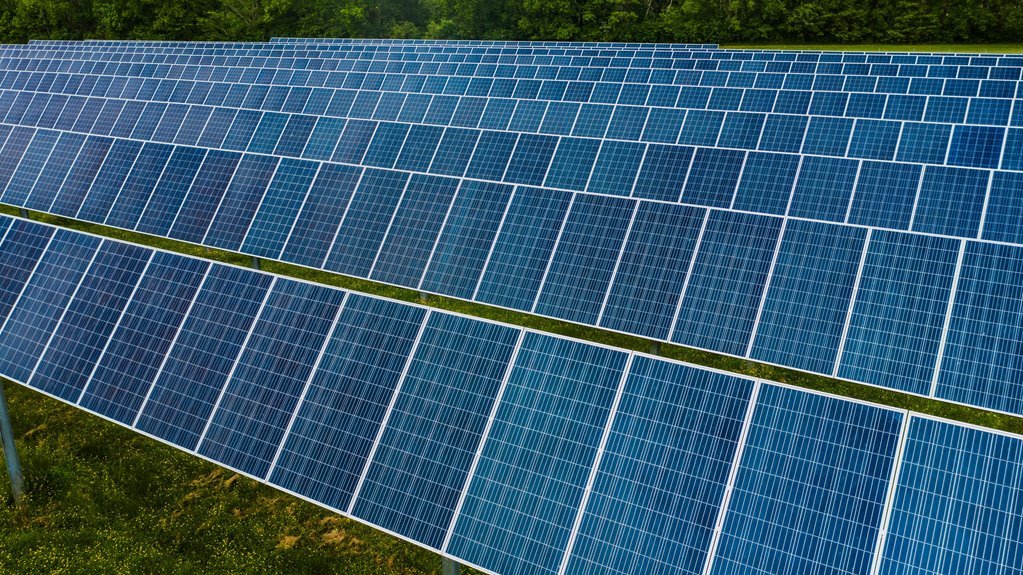
Learn essential steps to take before installing solar panels, ensuring you’re prepared for a successful transition to renewable energy. What comes next?
How Solar Power Works at Night: The Role of Solar Batteries
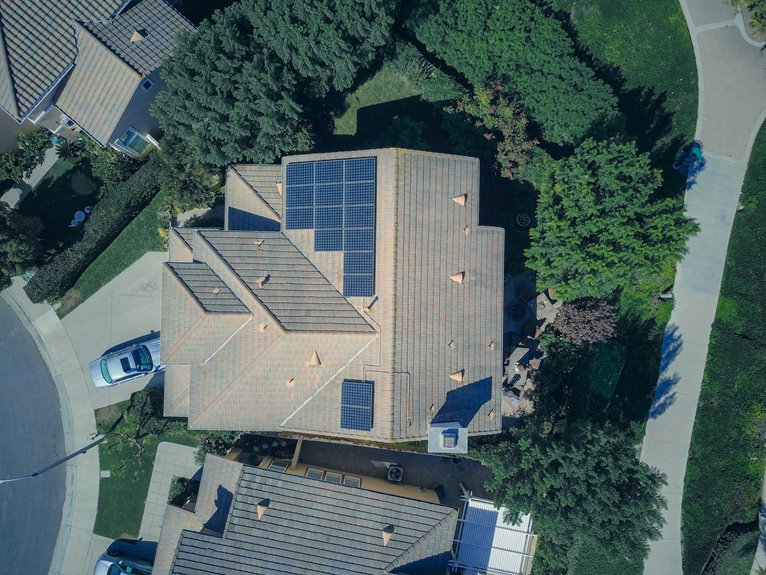
Discover how solar batteries transform daytime energy into nighttime power, unlocking the secrets of sustainable energy solutions that could change your life.
Understanding Solar Panel Warranties and Lifespan

Properly understanding solar panel warranties and lifespan is essential for protecting your investment; discover key insights that could save you thousands.