How to Choose the Right Solar Panels for Your Home

Optimize your home’s energy with the perfect solar panels by exploring key factors—discover the crucial elements that make all the difference.
5 Everyday Inverter Problems & How to Solve Them.
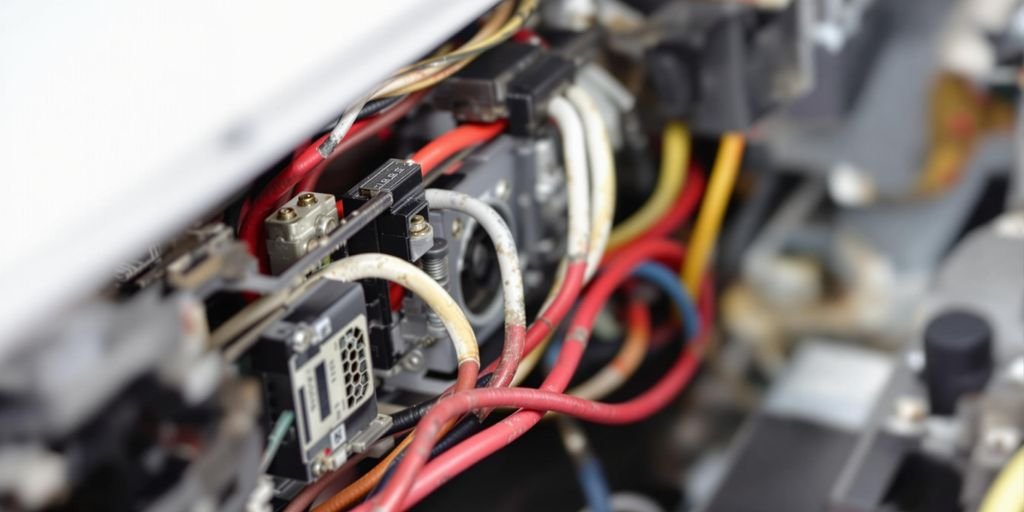
The hidden heroes of our homes are inverters. They transform DC power into AC to keep things running. However, they occasionally experience a few glitches, just like any other device. If you don’t know what’s happening, these issues can be annoying. They might be due to voltage problems or blank screens. The good news? The majority of these problems have simple solutions. Let’s examine five typical inverter issues and how to address them directly. 1. The inverter screen is blank. Even though your inverter is configured, the screen seems completely blank. This is rather typical and typically resolvable. Let’s investigate some potential causes of this and find solutions. Examine the DC switch first: You can save a great deal of trouble by taking a moment to check these easy things. Usually, it’s something minor, yet it has a huge impact. If you find problems after your inspections, it may be time to call a pro. However, a little do-it-yourself troubleshooting can typically solve the problem. 2. Overdirect Current Injection Inverter Failure One problem with inverters is failure caused by excessive DC injection. This issue arises when the inverter’s DC detection circuit samples the AC output. It removes the AC component, then compares the DC component to a set value. The inverter signals an error if this value, typically set at 0.5% of the rated current, is exceeded. What is causing this hiccup, then? This kind of failure may result from an abrupt increase in DC input power. It’s similar to when you’re driving and your car skids out of control after you hit a patch of ice. Try these actions to address this: Despite our best efforts, technical problems occasionally necessitate starting over with new tools. It reminds us that, though useful, technology is not perfect. Installing a voltage stabilizer can help protect your inverter. It will ensure steady solar generation if you have frequent voltage issues. 3. Failure of the Bus Voltage Balance The bus voltage balance failure is a subtle problem with inverters. It could surprise you. When half of the BUS+ and BUS- voltages deviate significantly from their halfway voltage, this issue arises. The inverter may indicate a failure as a result of this imbalance, stopping its operation. So, what are your options? Here is a simple checklist to assist you in addressing this problem: The simplest answers might occasionally be the most successful. Many inverter problems may be avoided with early inspections and routine maintenance, which will keep your system operating efficiently. Keep an eye on the inverter’s display in case you run into a “DC Bus Unbalance” issue. Normal operation of the inverter should resume if the voltage levels are balanced. This advice will guarantee that your inverter is operating at its best and save you a great deal of trouble. Study up on DC bus unbalance. 4. An excessively high bus voltage There can be a lot of problems when the bus voltage in an inverter system rises over average. The main issue is that high voltage might damage the inverters or shut them down. Let’s examine how this occurs and what you can do to prevent it. Typical Reasons Solution Tips for Troubleshooting In certain situations, the inverter may have a 13.5A restriction. When solar panels surpass this limit, the inverter will sound a warning and cut the string to avoid harm. To avoid trouble, always ensure your setup meets these requirements. 5. Grid Loss Inverter Failure It can be rather annoying when your inverter abruptly cuts off from the grid. There are remedies; however, this problem typically comes down to a few common causes. Typical Reasons Solution 1. Wait It Out: Often, the best option in a power outage is to wait for the electricity to return. 2. Verify Connections: Check every connection from the grid to the inverter’s AC output. Verify that no breakers are tripped or unsecured wires are present. 3. Modify Voltage Protection Settings: If overvoltage or undervoltage protection is causing problems, you may need to change the settings or seek professional advice to ensure they are suitable for your grid conditions. The biggest headaches can occasionally be caused by the slightest problems. However, with patience and some troubleshooting, you can often get your inverter back online. Final Thoughts Well, people, there you have it. Although inverters might be a little challenging, most problems can be resolved with a little perseverance and basic troubleshooting. Knowing what to check for can save you trouble. It could be a battery that won’t charge or a display that won’t light up. Keep in mind that maintaining your inverter on a regular basis is essential. And don’t be afraid to bring in a professional if everything else fails. It’s better to be safe than sorry, after all. Keep your stress levels down and your power flowing! Commonly Asked Questions Why does nothing appear on the screen of my inverter? First, make sure the DC switch is turned on if the screen of your inverter is blank. If so, there may be a loose connection or a malfunctioning inverter that requires repair. If my inverter is injecting too much direct current, what should I do? This could be the result of an abrupt change in the DC input. Try shutting off the AC/DC switch to restart your inverter. You may need to replace the inverter or update the firmware if the issue persists. How can I resolve my inverter’s bus voltage balance issue? Check that the DC connector is grounded. Also, look for loose wiring in all AC connections. It may be necessary to replace or reconnect any loose internal wiring. How can I resolve an excessively high bus voltage, and what causes it? This can be brought on by an excessive DC input voltage. Verify how many parts are connected in series and, if needed, cut them down. Think about purchasing a new inverter if the issue continues. My inverter says there is a grid loss failure; why is that? This may