One question you may have is how long it takes to install solar panels on your home. So, just how long does this all take?
Things like the size of the installation, how complicated the system is, and even where you are can affect an installation.
So, how long will it take? Let’s discuss and go into the various things that go into getting solar panels up on your roof and running.
Key Takeaways
- Installation typically takes 1-2 days.
- Scheduling is based on company’s availability.
- Factors: system size, roof complexity.
- Inspection post-installation ensures compliance.
- Activation connects the system to the grid.
Site Survey and Briefing
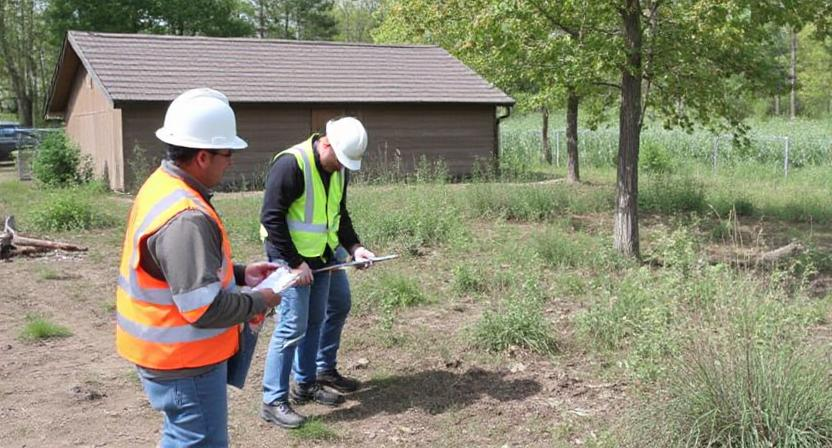
A site visit is completed at the time of your free solar estimate in order to assess how your home or business will perform as a solar project.
They will consider things like the orientation of your roof, shade from nearby trees or buildings, and space available for the panels.
This analysis is very important to make a decision on the practicability and best location of solar panels for the best efficiency.
The technician will check your existing electrical configuration to ensure that it can work together with the solar panels.
They’ll examine your electrical panel and wiring to see if there are any upgrades or modifications that will be necessary for a seamless integration.
Also on this visit, the installer will take a look at your energy usage and goals in order to customize the solar panel system based on your power needs.
They will share information about the installation process, potential costs, and available incentives or rebates to enable you to make an informed decision about whether to go with solar.
Design of the Solar Panel System
While designing the solar panel for your home, they concentrate on providing a tailored solution that helps you achieve maximum energy conversion and use.
This involves a delicate balance that is based on calculating how much energy you use, how many square feet you have to install solar panels in, and how much sun you receive.
A solar panel system will need to be designed just for you, incorporating the positioning of your roof, trees, other obstructions, and your local weather.
In the planning stage, solar installers use sophisticated software to design a solar plan that places your solar panels in the best sunlight position during the day.
This project will also take into account the electrical components required to easily hook it into your existing power system.
Efficiency is crucial when it comes to designing a solar panel system because it determines how much energy your system will produce.
Allowance and Utility Connection
Next steps to installing your solar panel system. In order to proceed with the installation of your solar panel system, you must get the proper permits and connect with your local utility.
Permitting your appearance on the installation day, activating your system. You confirm you are satisfied with the installation, and we will receive your final state rebate payment (if applicable). Installation Permits.
This is an important step, as it allows your solar panel system to adhere to all building codes and other regulations of local government!
You will generally need to apply with your local building department, and they will review your plans to make sure they meet all applicable regulations.
This can take anywhere from a few days to a couple of weeks, depending on where you are and how complicated your project is.
Further, utility interconnection is necessary because it allows your solar panels to send power back to the grid. The final step for the interconnection process will involve your solar installer coordinating with your utility company.
Install Reverse Meter. The way this works is they install a reverse meter, which reads how much power you are generating and feeds back to the grid.
The duration of the procedure is unpredictable but usually lasts a few weeks to some months.
After you do these, you are going to get a step closer to reaping the benefits of solar power.
Solar Panel Installation Procedures
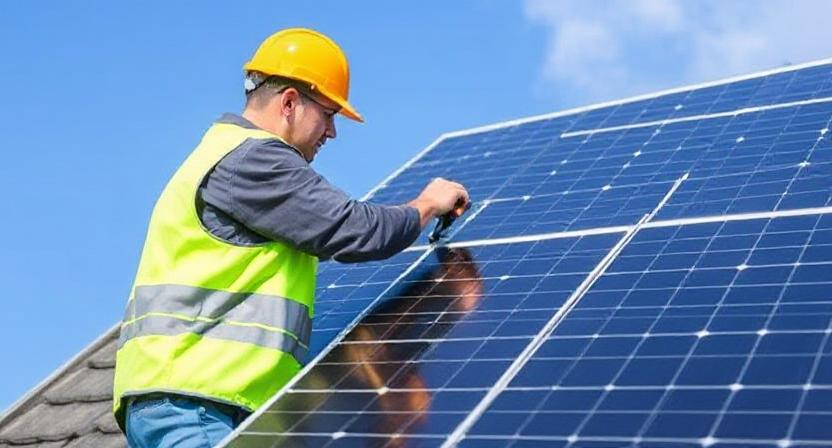
After you have planned for your solar panels to be installed, your solar provider will arrange for the installation date at your home.
Day of installation: a group of solar professionals arrives at your home with everything they need to get started.
They will begin by determining the most optimal places for the solar panels on your roof or property to receive the most sunlight.
The installers will then carefully install the racking system, which will hold the solar panels securely in place.
After the racking is sited, the solar panels will be fixed on the racks. The system will then be connected to wiring and inverters that allow the solar panels to transmit electricity into an output we can use to light our homes, cool our food, and watch TV.
Once the physical installation is done, your installers will clean up the job site and walk you through how to track your solar system’s energy production.
This usually only takes a day or so, depending on the size of the solar panel system you are having put in.
Inspection and Approval
After the installation of the solar panel is complete, the final life cycle inspection of the system usually follows to ensure it is compliant with the necessary standards, rules, and regulations.
Check off the inspection and approval process before flipping the switch on your solar panel system. An installer will also evaluate numerous elements of your installation during the inspection to ensure safety and compliance.
The system may then go on to the approved status after the system has been inspected and passes inspection. This commissioning is the acceptance that your solar panel system is now capable of functioning properly according to all standards.
System Activation and Monitoring
After passing inspection and obtaining approval, you then need to go ahead and switch on your solar panel system and start to monitor its performance.
Activation means hooking up your system to the grid and ensuring it begins to generate clean energy for your home.
This is usually a pretty fast process, and your solar panel installation company will often handle this for you.
It’s after it’s turned on that monitoring is key. Most solar panel systems include monitoring software that enables you to monitor how much real-time electricity is produced.
Monitoring to make sure your server and applications are running at their best, and to minimize downtime. You can also measure your server’s performance with this open-source solution, so you can identify problems early!
With the ability to monitor at any time, you are able to see your savings and environmental impact increase. By monitoring your system’s performance, you can make smarter decisions about your energy usage, thus further enhancing your savings over time.
Conclusion
So there you have it: a solar panel installation usually only takes between one and two days to have it completed, from your first consultation until your installation is up and running. With an experienced installation crew and good planning, you can begin the process of reaping the rewards of clean energy right away. Contact a reliable solar firm now to begin making moves toward a greener export future.
Frequently Asked Questions
Do Solar Panels Work When the Power Is Out?
Solar panels can operate during a power outage if they are paired with a battery storage system. This arrangement enables you to bank the extra power you create during the day to use when the grid goes down.
What Is The Average Life Of A Solar Panel?
Solar panels usually will not need to be replaced for 25-30 years. Lifespan may also be influenced by factors such as weather, maintenance, and quality. 5.– Constant control and maintenance can prolong their life. You may want to seek professional help for assessment and guidance.
Do You Need to Maintain Solar Panels?
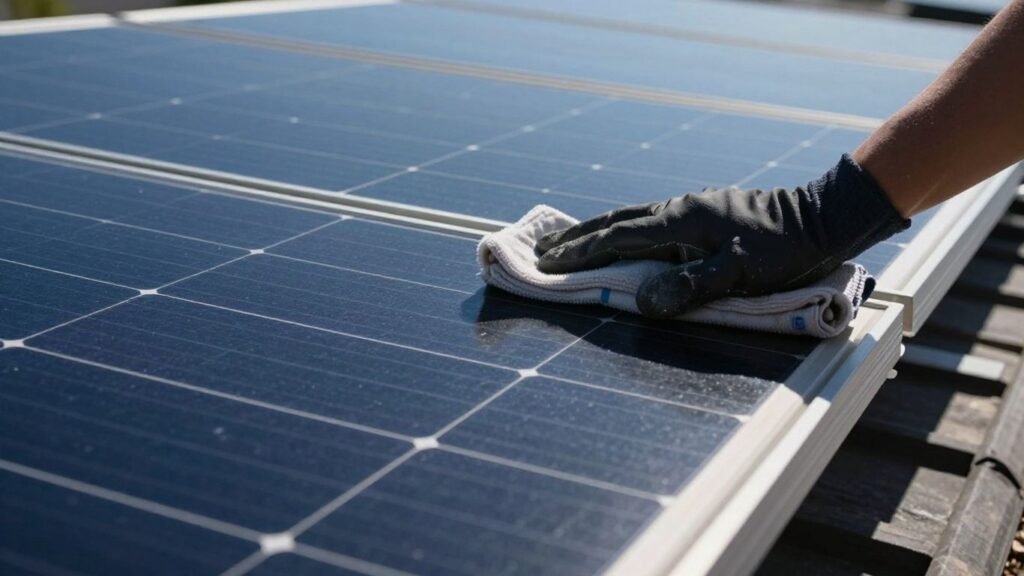
Solar panels need very little maintenance, but they do need some. You need to keep the panels clean, ensure there is no shading problem, and monitor the system for any kind of damage. You can prolong the life of a solar panel by maintaining it.
Are There Tax Incentives for Installing Solar Panels?
Install solar panels and you can get a tax break. Incentives are available where offered by location and for the installation of a new product of one or more of the following types: equipment purchased/installed, allowing for an incentive. Search for any incentives offered in your area to help you save even more.
Will Solar Panels Add Value to My Home?
Solar can add value to your home. In addition to cutting energy bills, they smarten up the vibe, satisfying the growing demand from eco-conscious buyers. They are the kind of improvement that is a smart investment and can pay dividends in both savings and appreciation of the property.