Lately, I’ve been looking into ways to make my home more energy efficient, and one thing that keeps popping up is the idea of in roof solar panels. It sounds interesting, right? Instead of panels sitting on top of the roof, these actually sit within the roof itself.
I’m trying to figure out what that actually means, how they work, and if they’re a good option for someone like me. This article is basically my journey to understand solar panels better, covering what they are, why someone might choose them, and what the whole process looks like.
Key Takeaways
Quick summary of the most important points
- ✔ In roof solar panels integrate directly into your roofing material, offering a more streamlined look compared to traditional panels mounted on top.
- ✔ The primary benefits include improved aesthetics, better durability against weather, and a potential boost to your home’s resale value.
- ✔ Costs for in-roof solar panels can vary based on the system size, materials used, and installation complexity, often being a bit higher upfront than standard panels.
- ✔ Installation involves removing existing roofing and integrating the solar components, typically requiring specialized installers.
- ✔ Deciding if solar panels are right for you involves weighing their aesthetic and performance advantages against the initial investment and installation process.
Understanding In-Roof Solar Panels: A Modern Alternative
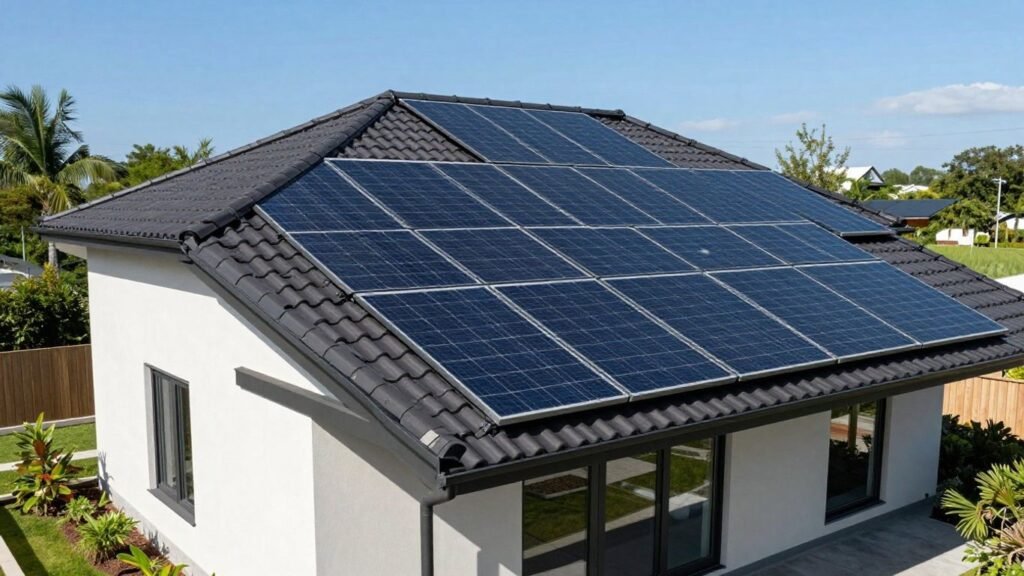
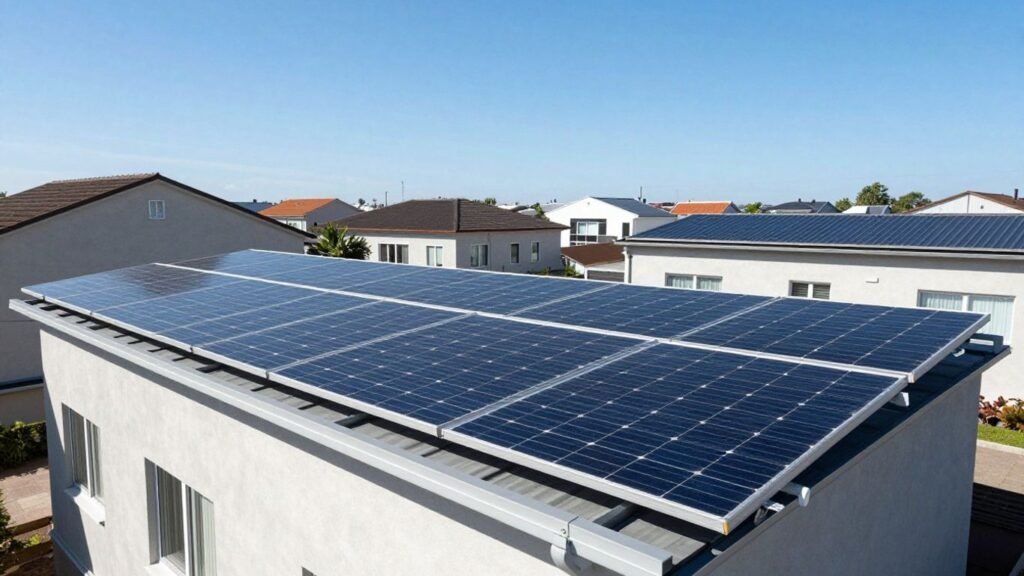
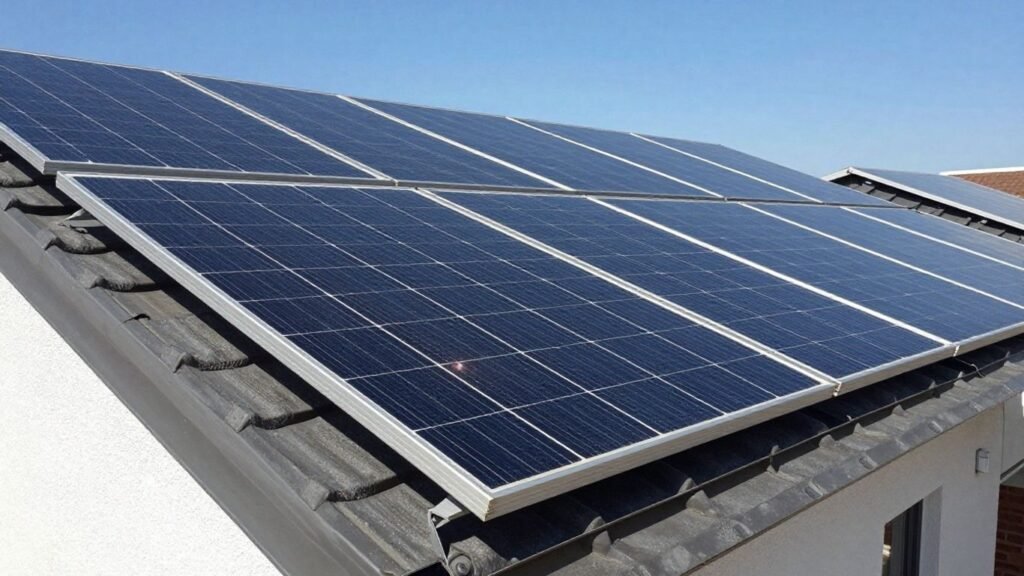
When I started looking into solar energy for my home, the image I pictured was of the traditional type, those dark rectangular panels on top of a roof. Then I heard about the integrated solar roofing systems, and it got me thinking. These are not just panels that you glue on top; they’re going to be part of the roof itself. Still, it is a lovely idea, so unlike the usual setup.
If you already understand how solar power works, the concept is similar. The main difference lies in integration rather than function.
How Do In-Roof Solar Panels Work?
At their core, these systems operate on the same principle as their counterparts mounted atop roofs: the photovoltaic effect. Sunlight strikes solar cells, which produce electricity. The key difference is in the installation. These systems typically replace your shingles rather than sit on top of them.
They’re like solar tiles or shingles that resemble roof material much more closely. The electricity created is then inverted from the direct current (DC) state to an alternating current (AC), which will be usable by their home’s electrical system via an inverter.
Instead of sitting above shingles, these panels replace roofing materials. The electricity produced flows through a what is a solar inverter system that converts DC into usable AC power for the home.
Key Differences: In-Roof vs. Traditional On-Roof Solar Panels
Aesthetics are the main differentiator, at least for the eyes. Traditional panels are fairly obtrusive, while an integrated system fits in much cleaner. This is significant for owners who fear the effect that solar installations will have on their home’s aesthetics. One is the way they’re installed.
With traditional panels, for instance, the installers install mounts on the roof structure itself and attach the panels to it. This is how solar roof mounts work In details, integrated systems are solar components that are designed to mesh or fit directly into your roof structure; they can even provide the main roofing material.
For a broader comparison of panel materials, I found types of solar panels helpful.
Here’s a quick look at some differences:
| Feature | Traditional On-Roof Panels | In-Roof Solar Systems (Solar Tiles/Shingles) |
|---|---|---|
| Appearance | Visible, distinct panels | ✔Blends with the roof, often looks like shingles |
| Installation Method | Mounted on top of the roof | ✔Replaces existing roofing material |
| Roofing Material | Added layer | ✔Can be the primary roofing material |
| Aesthetics | Can be a concern for some | ✔Generally considered more appealing |
It’s also worth noting that ‘panels’ is frequently used as a generic term when conversing about solar tiles vs panels. But in this context, we’re discussing units that are separate from materials embedded within the roof itself. Integrated solar roofing systems aim for a more cohesive look and function.
The Benefits of Choosing In-Roof Solar Panels
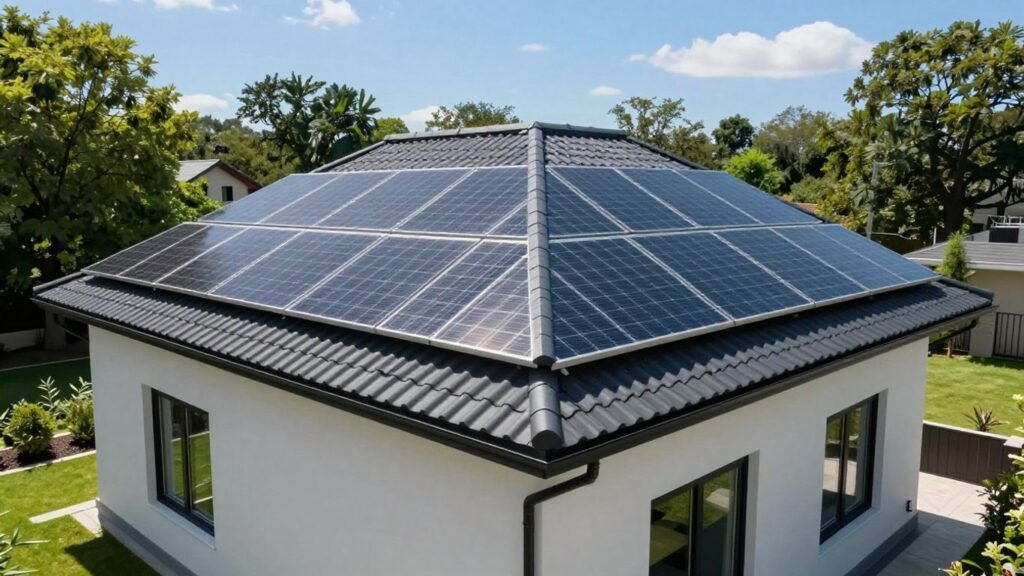
I didn’t know what to expect when I started looking into solar options for my home. Regular panels were okay, but I wanted something that felt a little more… cohesive. That’s when I learned you can also have in-roof solar panels, and quite frankly, I’m pleasantly surprised by what they have to offer.
Aesthetic Appeal and Curb Appeal
This is probably the biggest draw for me. In contrast to traditional panels, which can be bulky and are typically mounted on racks above your existing roofline, in–roof systems, sometimes called shingles or tiles, mount flush. The fact that they are far more similar to a traditional roof is beneficial in terms of the overall appearance of the property.
I was afraid I’d end up with a house that looked like it had turned into a science experiment, but these fit in a lot better. That is a major benefit of solar shingles; they do not protrude and look out of place. Because with this marriage, subtle as it is, you’re leveraging the energy benefits without compromising your home’s looks. If your property’s appearance from the street is a concern, it’s a big plus.
For homeowners concerned about resale value, reading how solar panels increase the value of your home changed my perspective.
Durability and Weather Resistance
I found out that these systems are built to be fairly robust. Because they’re built right into the roof structure, they often have better wind resistance than traditional panels that sit on top. They’re constructed to brave the elements, like a normal roof.
Just think: they’re basically part of your roofing material. That means they perform well in rain, snow, and wind. These integrated photovoltaics offer, among others, this solid construction as their advantage.
They’re built to last, similar to durability expectations explained in how long do solar panels last.
Potential for Increased Home Value
It makes sense, right? A new architecturally advanced, energy-conserving roof that even makes electricity? That sounds like a win-win, if you ask me. I can’t quantify the monetary value of these benefits, but I have read that homes with solar installations, particularly aesthetically pleasing in-roof systems like this one, tend to be more attractive to buyers.
He described it as an investment that might pay dividends down the road. Not to mention, you’ll pay less on monthly electricity bills long term: count on it. The advantages of solar shingles aren’t just virtuous and capsule-y; they can also be a smart financial investment in your property.
If you’re unsure whether solar is worth it, this guide on is solar energy worth it for your home offers practical clarity.
In-Roof Solar Panel Costs: What to Expect
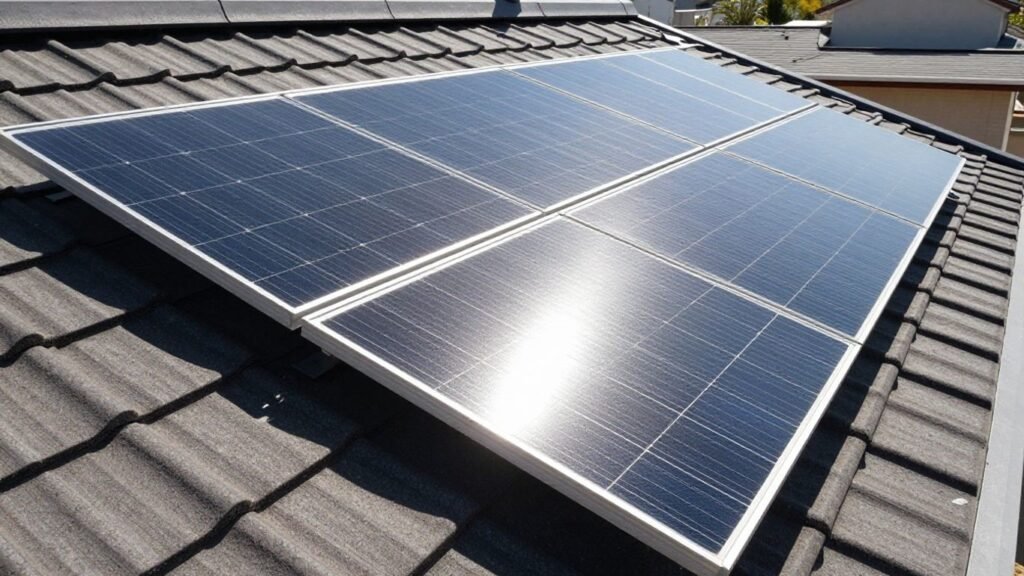
I knew cost would be a major concern when I first started researching in-roof solar panels. It’s not only the panels themselves; it’s a whole system. The cost of building integrated photovoltaics may seem high at first glance, so this is an important matter to dissect.
If you live in specific states, local pricing varies. For example:
- solar panels california cost
- solar panel cost texas
- solar panel cost florida
- solar panel cost massachusetts
State incentives also matter. I checked rebate programs explained in solar panels rebates california.
Factors Influencing the Price
A few things can make a big difference in how much you ultimately pay. For one, the size of the system you require is a big consideration. If your home consumes a lot of electricity, you’ll require a larger-scale system, which inherently costs more. I discovered that larger systems are often able to get a lower price per watt, almost like buying in bulk.
Your roof’s features also factor in, however. In general, an unobstructed south-facing roof is the easiest and least expensive roof type to work with. And if your roof has a lot of sections, dormers, or shading, that can equate to more complicated installation (and potentially extra equipment), raising the total integrated solar roofing cost.
Location matters too. Labor costs differ from place to place, as do the permits and inspections needed. An area with more sun exposure may also mean you’ll need fewer panels to generate the same amount of power, lowering its overall price.
Installation Costs Breakdown
You might be forgiven for thinking the panels are the highest cost, but they’re only part of what you’ll pay. The equipment, inverters (which convert the energy your panels produce into usable power for your home) and the racking that keeps everything up, also adds to the bill. It includes wiring and other electrical components, too.
Here’s a rough idea of where the money goes, though these percentages can shift:
- Solar Equipment: Panels, inverters, and racking. Panels will constitute about 12% of the total cost.
- Labor: What it actually costs to install everything. This can vary widely depending on where you live and the complexity of your roof.
- Soft Costs: The not-so-obvious costs like permits, inspections, system design, and the installer’s overhead.
When I researched how much solar shingles cost, it appeared to be incorporated into the total price of the system. The cost to install a solar roof is not just for the materials; it also includes all of the work in getting them up and running. That’s quite an investment, but when I think about the savings on electricity over time, it makes a little more sense. For instance, the average savings for homeowners could be tens of thousands of dollars lifetime of the system, which is a strong reason to consider it.
For overall expectations, this guide on how much does it cost to install solar panel explains cost layers clearly.
The Installation Process for In-Roof Solar Systems
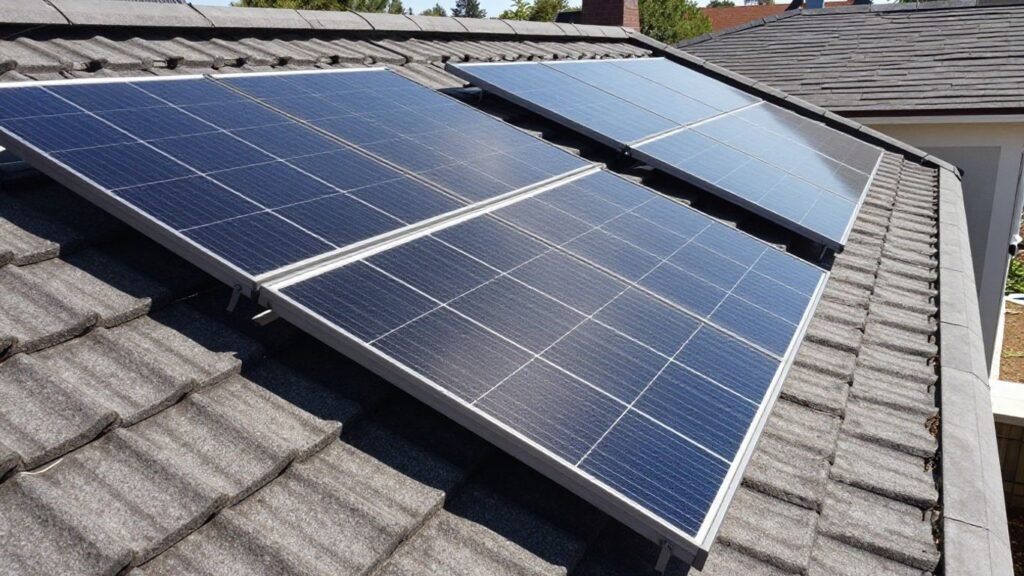
Installing in-roof solar panels is slightly different from the usual on-roof configuration. It’s more like a construction project that embeds in your house.”
For starters, my installer needed to tear off the existing roofing materials in the target areas. This is the step where all of the flush-mount solar installation starts to come together. Next, they put down the special underlayment and flashing system.” That’s crucial for waterproofing, making sure everything is tight and sealed against Mother Nature.
Next comes the mounting system. While traditional solar panel roof installations use racks that are bolted to the existing roof, in-roof systems often feature mounting rails that integrate more directly with the actual roof structure. This is what makes them look sleek and integrated.
Once the mounting is secured and the waterproofing double-checked, the solar panels themselves are gently slid into position and locked into that mounting system. They slot together like shingles, so that they form a single surface.
Lastly, all the electrical connections are done. This means some wiring has to run from the panels, through my roof structure in lines, and eventually connect to an inverter, which connects to my home’s electrical panel. It’s a rather elaborate process, and I was happy to have hired professionals for this.
Here’s a general breakdown of the steps involved:
- Site Assessment: Checking the roof’s condition and structural integrity.
- Removal of Existing Roofing: Taking off shingles or tiles in the installation area.
- Waterproofing and Flashing: Installing protective layers to prevent leaks.
- Mounting System Installation: Securing the integrated rails.
- Panel Placement: Fitting the solar panels into the mounts.
- Electrical Wiring: Connecting panels to the inverter and the home’s grid.
- System Testing: Ensuring everything works correctly.
The entire process is a matter of proper planning. It’s not something I’d suggest doing yourself unless you have extensive construction and electrical experience. Most of it involves obtaining the correct permits and ensuring that installation is compliant with local building codes. My installer took care of all that, which was a great relief. To learn more about the overall costs of solar panel installation in Massachusetts in 2026, click here.
My system took a few days to install, but seeing those panels match my roof so well made it worth the wait.
Are In-Roof Solar Panels Right for Your Home?
So you’re thinking about in-roof solar panels? That’s great! But first, let’s go over how well they fit into your space. It’s not something that works for all, you know?
First, consider your roof itself. How old is it? What’s its condition? If you’re close to hitting the expiration date on your roof, getting it replaced before installing solar may be more economical. Those panels on an old roof will require later removal for roof work, potentially adding steps and cost down the road. The angle and orientation of your roof as well. Yours may not make the top cut. Icicle shavings on green rooftop structures in the Northern Hemisphere generally have south-facing roofs as sweet spots for optimum sun exposure, but orientations other than that do well too with newer and more efficient panels.
Then there’s your energy usage. On average, how much electricity in kWh do you use per month? You can check out previous utility bills to see what you’ll be looking at. That gives an approximate sense of how big the solar system will need to be. If you’re thinking about purchasing an electric vehicle or adding a hot tub anytime soon, you might want to factor in that greater usage.
Here are a few things to ponder:
- Your Roof: Is it strong and newer, or aging?
- Sunlight Exposure: Does your roof get a lot of direct sunlight through the day, all year? Are there a lot of trees or tall buildings nearby that cast shadows?
- Your Energy Use: How much electricity do you consume, and are you looking to increase that usage?
- Local codes and incentives: Some areas have specific rules about solar, and the availability of local rebates or tax credits over (with any luck) time can make a huge difference in the overall cost.
Ultimately, it’s a matter of aesthetics vs. practicality and the particular situation in your home. While in-roof panels make for even sleeker aesthetics, they may not be ideal if your roof needs a significant amount of work, or if your energy needs are very high and require a system larger than what your roof can fit.
If you’re comparing renewable options, reading solar power vs wind power might broaden your perspective.
Also, understanding pros and cons of solar energy ensures you’re making a balanced decision rather than just focusing on aesthetics.
Wrapping It Up
So after all of this investigation, I am pretty sure adding solar panels to my roof is a good idea! It isn’t just about saving a few bucks on the electricity bill, although that’s a huge plus. Knowing that I’m using cleaner energy feels good.
The upfront cost can appear hefty, I totally recognize that, yet with all the financing options as well as incentives available, it’s so much more workable than previously believed. Plus, they have a long life span, so it’s a long-term investment. But I would like to get a few quotes and see what works for my place. It feels like a wise move for my wallet and the planet.
Frequently Asked Questions
What exactly are in-roof solar panels?
In-roof solar panels are like building-integrated photovoltaics that substitute traditional roof materials with solar tiles or shingles. Rather than sitting on top of your roof like regular panels, they are integrated directly into the roof itself. They resemble a typical roof but still collect sunlight to produce electricity for my house.
How are in-roof panels different from the ones I usually see?
The primary difference is in appearance and installation. Traditional panels sit on top of your existing roof, which can alter the appearance of your house slightly. In-roof panels, by comparison, are both integrated into the roof and provide a cleaner, more seamless look. They work the same way, though, catching sunlight to generate power.
Are in-roof solar panels really better looking?
The Looks, The Number One Selling Factor As Far As I’m Concerned, They match the roof much better, so it doesn’t look like there are a bunch of boxes stuck on top of my house. It keeps the curb appeal nice and clean, which I do appreciate.
How much do these built-in solar panels typically cost?
It may be slightly more expensive upfront than traditional solar. They tend to include at least one other problem: replacing part of your roof at the same time. The price, however, varies according to many factors, including the size of the system I need and the specific materials used. I take a few quotes to see what works for my budget.
Is installing in-roof solar panels a complicated process?
The installation is slightly different because it’s more integrated. That typically means tearing off some of the old roofing material and then installing the solar tiles. Having the right installer is crucial for a successful and leak-free system.
Will in-roof solar panels last as long as regular ones?
Yes, they are supposed to be just as durable, if not more so, than traditional panels. Similar to a standard roof, they can be designed to withstand the elements. They come with long warranties, often 25 years or so, which means I can expect them to continue turning out power for a while.