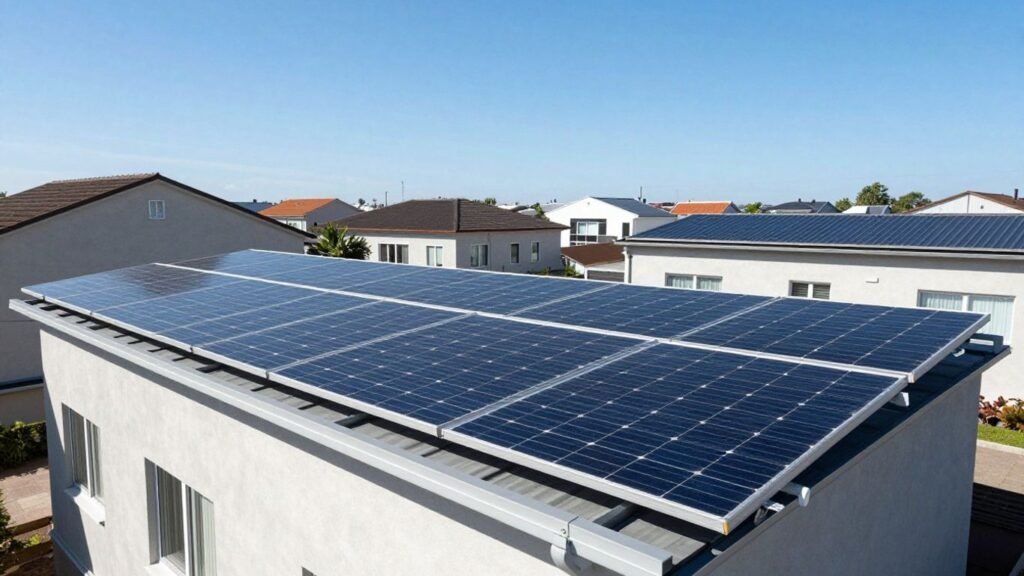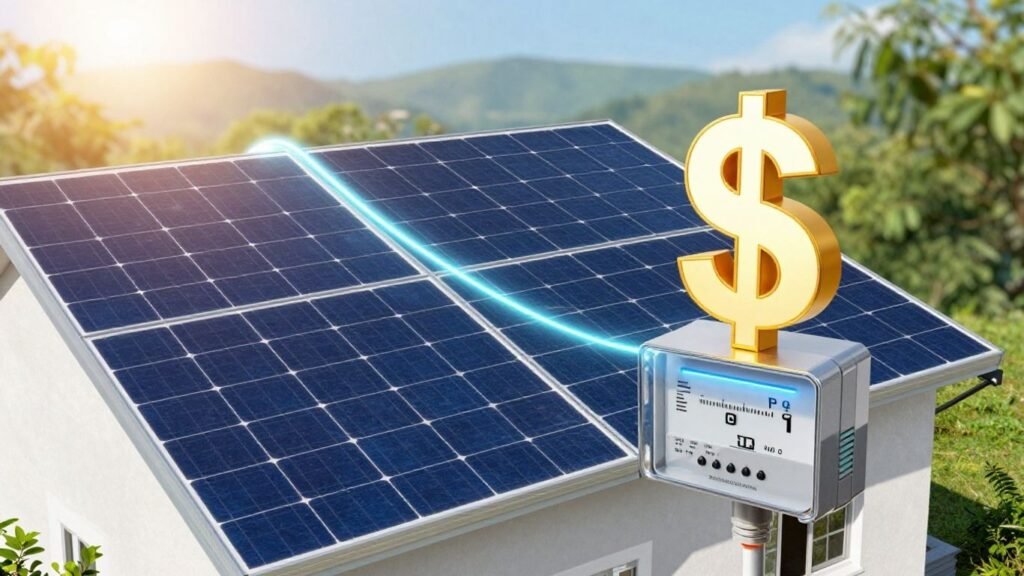
I’ve been looking into ways to cut down on my electricity bills, and I stumbled upon something called Net Metering. It sounds pretty interesting, especially if you have things like solar panels. Basically, it’s a system that lets you get credit for the extra electricity your system makes and sends back to the power grid.
It seems like a smart way to save money and also help out with renewable energy. Let’s break down what it is and how it can work for you.
Key Takeaways
- Net metering is a billing setup that helps people with renewable energy systems, like solar panels, manage their electricity use and costs.
- When your system makes more power than you need, it goes back to the grid, and you get credit for it on your bill.
- This system can significantly lower your monthly electricity expenses.
- You can often carry over unused credits to future bills, sometimes for up to a year.
- Net metering encourages the use of clean energy and can make renewable energy systems more affordable to install.
Understanding the Basics of Net Metering
So, you’re considering solar panels or maybe you already have them? That’s great! But, if the sun was shining brightly and you weren’t at home all day, have you ever asked yourself what happens to the excess electricity your panels are producing? This is where net metering gets involved, and actually, it’s a very clever concept that can do wonders for your electricity bill.
This is where net metering gets involved. If you are still learning what solar energy is and how it works, net metering is simply the billing side of that process.
How Does Net Metering Work?
To put it in the simplest of terms, net metering is a kind of billing agreement between you and your electric company. And the power that your solar panels generate in excess of what you use at any given time, whether it’s used a moment later, an hour later, or even months later, doesn’t just vanish. It doesn’t, sending back its surplus to the grid for other people to use.
Even though your electric meter is typically just counting how much power you’re pulling from the grid, it can be made to run backward (or at least track in both directions) because of all that energy dispatch.
Your electric meter, instead of only tracking what you pull from the grid, measures energy going both ways. That is why understanding what is a solar inverter is important, since the inverter helps convert solar energy into usable electricity before it reaches your home or the grid.
Here’s a quick rundown of how it generally plays out:
- You generate electricity: Your solar panels are making power.
- You use what you need: Your home or business uses some of that power.
- Excess goes to the grid: Any extra power is sent back to the utility company.
- You get credits: The utility credits your account for the power you sent back.
- Credits offset your bill: These credits reduce the amount you owe for the power you used from the grid.
One caveat: The precise rules governing how credits for net metering are calculated and applied can vary by location, where exactly you live, and which specific utility serves your home. Some municipalities have programs where they offer credits at the full retail rate, and others might provide a different rate for your exported energy. Be sure to verify with your local supplier for the exact details.
Key Components of a Net Metering System
To make net metering happen, there are a few key things you need:
A Renewable Energy Source: Most homeowners use solar panels. If you are unsure about panel types, check out types of solar panels or compare polycrystalline vs monocrystalline solar panels.
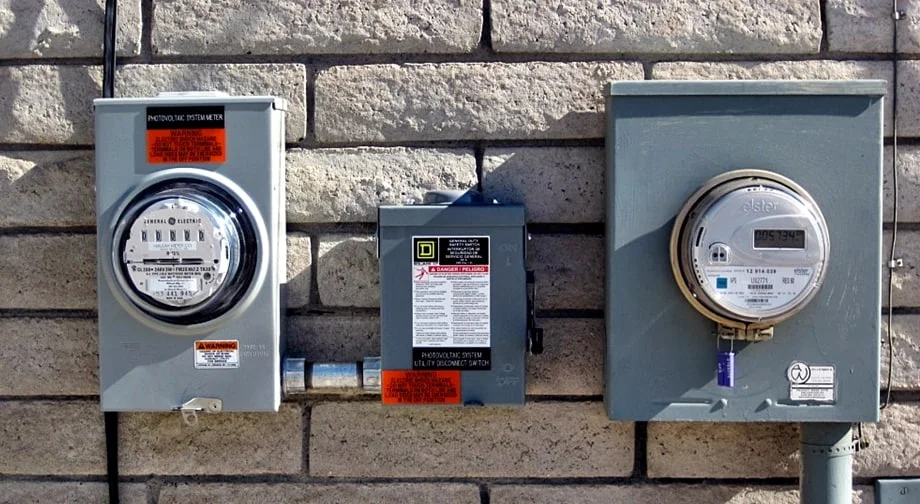
By Bi-Directional Meter: A special meter your utility company installs. Whereas a standard meter simply records electricity coming into your home from the grid, a bi-directional meter keeps track of consumption in one direction and what you send back in the other. This is how they very accurately monitor your energy exchange. You can learn more from your utility provider about how net metering works.
A Net Metering Agreement: You must sign an agreement with the utility. Here, you’ll agree to the book of business for net metering and its terms, such as how you’ll receive credit for extra energy generation and any other special requirements that apply to your situation.
The Financial Benefits of Net Metering
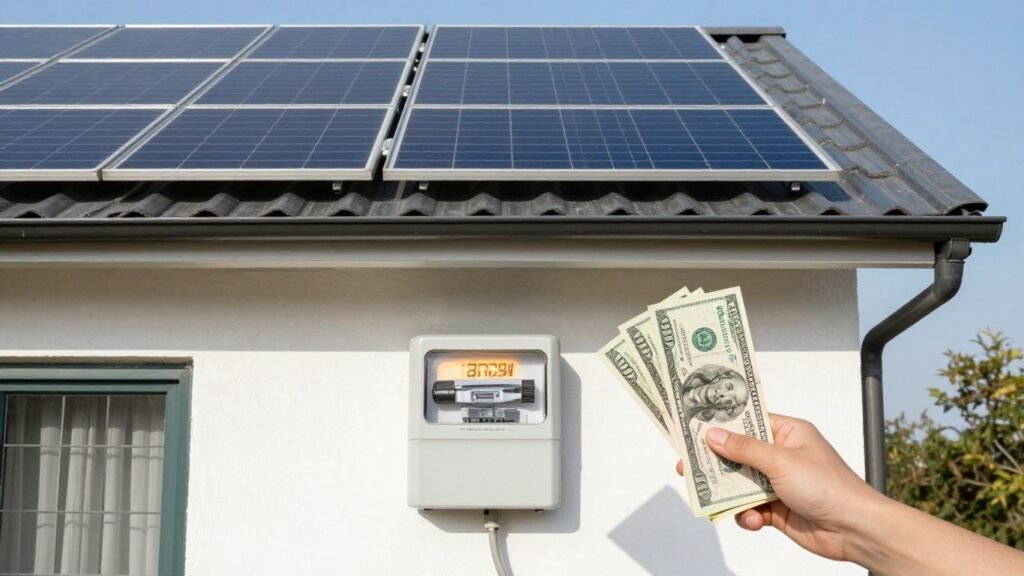
When I started investigating solar panels, I mostly had the environment in mind. But then I started hearing about net metering, and it really changed my perspective overall. As it happens, going solar isn’t just good for the planet; it’s really good for my wallet as well. Net metering is a billing policy that allows me to get credit for the excess electricity produced by my solar panels.
If you are wondering whether it is truly worth it, you might want to read is solar energy worth it for your home.
Reducing Your Electricity Bills
This is most likely the most visible advantage. Before I got solar, my electricity bill was something that stressed me during the scorching heat of summer. But now, with net metering, any electricity my panels produce that I don’t use feeds back into the grid. The power company then gives me credit for that energy.
They’re buying back the power I don’t want. This decreases my monthly savings on my electric bill, directly. Occasionally, on extremely sunny periods, my bill can be super low, which is a very big relief.
This directly reduces my monthly bill. In some cases, especially in high-sun states like those covered in solar panel cost by state, the savings can be substantial.
Earning Credits for Excess Energy
I’m not just trying to lower my balance; I want to get something out of this, too. When my solar system generates more power than I’m drawing at any given time, that extra energy goes back to the grid. With the excess energy I send out, my utility meter effectively spins backward. Those credits roll over, so I can cash them in for power when I use more, such as when my panels don’t produce much electricity, like at night or on cloudy days.
Understanding how solar panels affect your monthly bill makes it easier to see how net metering enhances long-term savings.
Some have a feature that would seem to allow me to roll these credits month-to-month, which is good, because I shouldn’t lose out on the value of the kilowatt-hours I’m producing. This implementation makes the concept of producing solar energy all the more attractive.
Potential for Increased Home Value
I also hear that homes with solar panel systems, particularly those tied into net metering, are more appealing to buyers. It’s not just in the panels per se themselves, but you are buying a home with a system which can potentially reduce or even eliminate electricity costs. This can be a huge selling point.
I’ve no plans to move for a long while, but it’s great to think my investment can, in theory, add value to the property. And when I consider future home battery storage benefits, the idea of net metering makes it even more appealing as a mechanism to increase my energy independence and savings.
Net metering effectively turns a home from being merely an energy consumer into, instead, a small-scale generator of energy. This transition offers not just economic benefits with bill savings and credits, but a healthier and more resilient local grid. It makes good fiscal sense for managing energy costs and promoting the use of green energy.
Here’s a quick look at how the credits can work:
- Credit Rollover Monthly: Any unused credits for a given month may be applied to the next billing cycle.
- Yearly Credit Rollover: You never lose any credit; you can hold on for a whole year.
- Retail Rate Credits: In most locations, you receive credits at the same rate at which you would otherwise buy electricity (typically maximizing your savings).
Knowing these details was key to my understanding of the entire financial picture of going solar. It’s more than a system; it’s a way to manage my energy and my budget effectively. Learn more about how net metering works in your area by reaching out to your local utility company and asking whether they have a net metering program.
Eligibility and Requirements for Net Metering
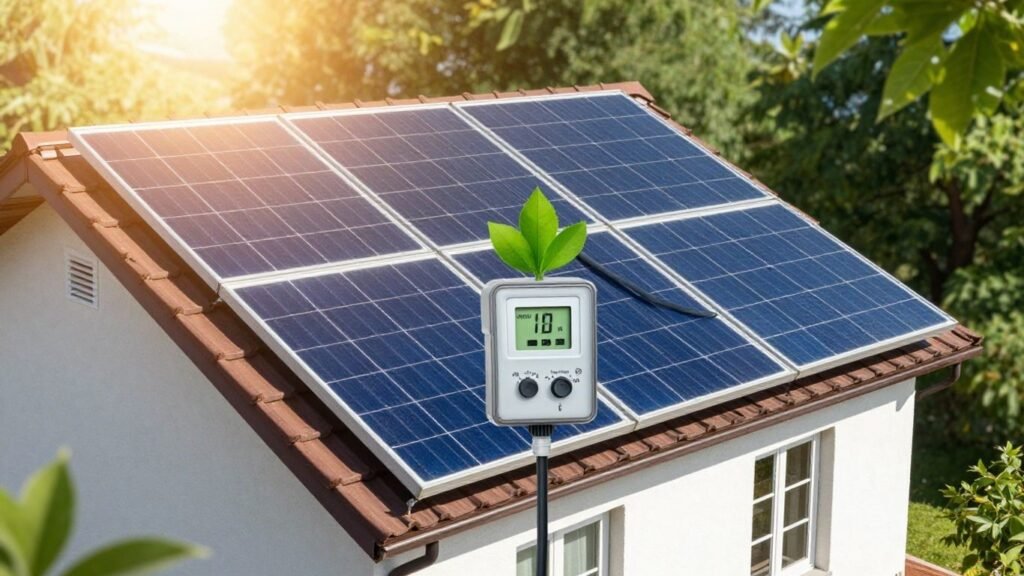
So, you’re thinking of installing some solar panels or other renewable energy at your house and taking advantage of net metering? That’s smart! But before you get too excited, there’s a lot I need to tell you about who actually qualifies and what kind of hoops you might be jumping through. It’s not as straightforward a matter of plugging something in and expecting to count the credits.
If you are still planning your system, reviewing how to setup a solar panel system can help you prepare correctly.
Who Qualifies for Net Metering?
In general, to participate in a net metering program, it must be electricity from a renewable source that you are generating, and the primary motivation for doing so must be for your own use. Consider it like powering your own needs first of your own accord. Such systems are typically:
- Solar photovoltaic (PV) systems: The most typical, of course, these involve large arrays of sunlight collectors that convert it to electricity.
- Almost everyone can be a solar power generator, but not everyone has the space and right conditions for a wind turbine.
- Micro-hydro systems: For those fortunate in possession of running water on their property.
- Biomass generators: Relatively rare for residential use, yet a possibility.
The key is that your power system has to be tied into your utility’s grid. You can’t just go off-grid and bother to send that excess power back. In addition, your utility will have its own specific rules that you’ll need to check out.
Installation and Utility Approval Process
Setting up net metering is a multi-step process, and it’s definitely something where working in coordination with your electricity provider is going to be important. And I’ve found that there’s often something like this happening:
- System Design and Installation: Your RE system gets installed. This must meet some technical requirements, so be sure your installer is familiar with the rules around net metering.
- Utility Application You have to submit an official application to your utility company to link your system to their grid for net metering. They’ll need details about your system.
- Interconnection Agreement: Once approved, you will be asked to sign an agreement with your utility. This is the official agreement explaining how you will trade electricity.
- Meter Install/Configuration: You will probably get a specialized meter, which can measure both the electricity you pull from the grid and what you feed back into it.
- Inspection and Approval: Following installation, there is typically an inspection to ensure the setup is safe and meets code before they grant permission for the net-meter function to be activated.
It’s really important to reach out to your utility company early in the process. They may be able to tell you exactly what they’re requiring of you, which forms you need, and give a sense of the timeline. The aftermath of their attempts to puzzle it out leads to many headaches and delays. I say this from bitter experience after a home renovation, always investigate the rules first!
It bears noting that credits you receive for excess energy would typically not be applied to anything other than the electricity you use. They also may expire if not used within a certain period, generally 12 months or so, so it’s good to keep that in mind.
Net Metering vs. Other Solar Incentives
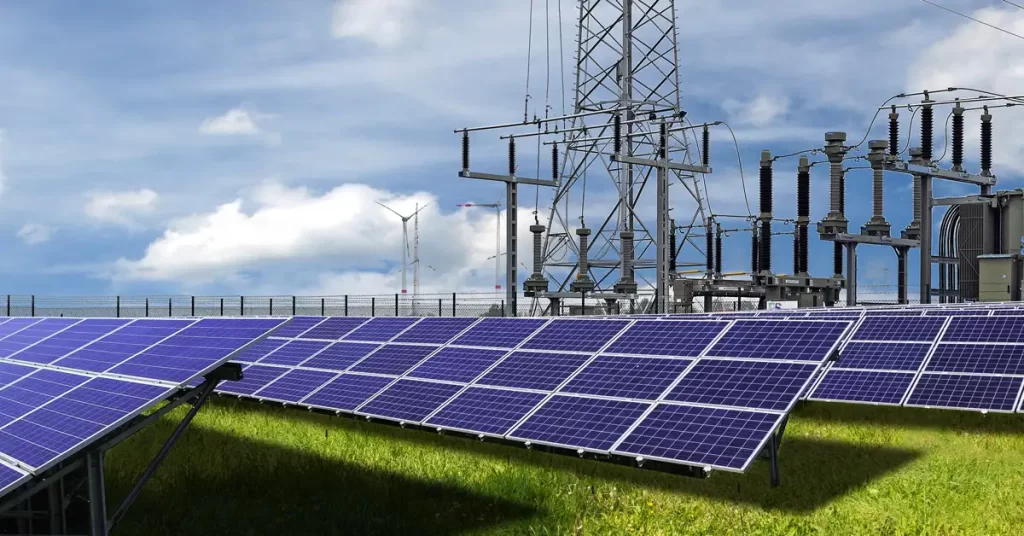
When I first researched solar, I learned that there are a couple different strategies for saving or making money on their electric bill as a solar owner. Net metering, by which I can earn credits for my solar panels by providing any extra electricity back to the grid, is probably the most prevalent form. But there are also some other choices, and knowing the difference really helps a lot in planning for solar electricity bill savings.
If you are comparing overall solar economics, check understanding solar panel financing and payment options to see how incentives combine with payment structures.
You may also want to review the financial benefits of installing solar panels on your home for a broader picture.
“I’m net metering, meaning I can offset what I take from the grid with what I export, and in some situations roll over extra power credits each month. This leaves me with pretty consistent savings whenever my bill comes in the mail. Other incentive programs, however, operate differently:
- Net Billing: Here I receive payment for the excess of solar electricity that I have exported, though at a lesser rate than what it will cost to purchase power from the grid. So while I think there is still some value in exporting solar to the grid, it’s not nearly as juicy as on your electricity bill.
- Buy-All, Sell-All: I send all the solar power I produce to the utility and buy back everything I need. The utility pays me a fixed rate for my solar, which sometimes doesn’t correlate to what I pay per kilowatt hour. So it’s crucial to know how much solar really costs before you sign up.
- Solar Self-Consumption Instead of sending power back to the grid, I strive to consume my own solar. I don’t see solar panel credits explained on my bill, yet each month I cut what I pay just by using less grid energy.
Here’s a basic table that helped me compare the three styles of solar incentives:
| Program Type | How You Benefit | Credits? | Rate Paid by Utility |
|---|---|---|---|
| Net Metering | Offsets your utility bill directly | Yes | Full retail rate |
| Net Billing | Receive payment for exported energy | Sometimes | Usually lower than retail |
| Buy-All, Sell-All | Sell all solar, buy all needed grid power | No | Fixed (often lower) rate |
- Net metering is appealing to those who seek to lower their electricity bill directly.
- Net billing or buy all, sell all are less about how to financially benefit in cash from your solar energy than they are doing away with the middle step.
- Self-consumption. For me, I see the greatest savings when my power usage during the day aligns with solar generation.
I’ve learned that the best option for me really comes down to local policy and what I want to do with my energy. Certain areas have governmental incentives and credits in addition to net metering, which takes it a step further.
And even if there is no net metering, I’ll come back to this exception in a moment, understanding the differences still helps me make smarter moves on my energy bills and choose the system that fits me best.
The Future of Net Metering and Renewable Energy
I almost feel as if net metering is the beginning of how we’ll deal with energy. With more and more people getting solar panels, or using other renewable sources of electricity, the way we think about electricity is beginning to undergo a major shift. The point is, we’re transitioning from a place where we consume stuff to actually making it too, what folks tend to call “prosumerisation”. This change is enormous in terms of stabilizing our energy grid and for the planet.
Net metering is actually quite a sweet gig right now. It allows me to send my surplus solar power back to the grid and receive credit for it. But what happens next? Well, the policies are always in flux and different places have different rules.
They may have better buyback programs for renewable energy in some places than others, or change the terms of how they compensate for it. I’ve heard of things like ‘net billing,’ where they compensate you at a fixed rate for any excess energy, which might be less than the retail price I’m paying. And then there’s “buy-all, sell-all,” which, I guess, feels complicated, or just consuming all the solar power myself.
Here’s a quick look at some alternatives I’ve heard about:
- Net Metering: You sell your surplus energy back, but you are paid at a certain rate, not necessarily the full retail value.
- sell all, buy all: You sell everything you generate to the grid and buy everything you consume off the grid. Different rates apply.
- Solar Self-Consumption: You want to consume as much of your own solar self-generation (or share) as you possibly can, exactly when you generate it, to reduce the amount of what you need to buy from the grid.
I am genuinely interested to see how these renewable energy compensation mechanisms are going to evolve. And it’s not just solar anymore, either. Systems like these can also accommodate wind, hydro, and other forms of clean energy. “So the whole idea is to keep driving for more clean energy, and we need to ensure that our systems are sensible for everybody. It’s just exciting to think about how all of this will shake out and then help us all be more frugal (necessary!) and sustainable.
Continued evolution of net metering and analogous programs is critical to expanding the number of individuals who are willing to embrace renewable power. It’s about creating a system that makes it worth your while financially to create your own power and one in which everyone benefits from a more resilient, reliable energy system.
So, What’s the Takeaway on Net Metering?
No pun intended.) Having researched net metering, I understand why it’s such a big deal for anyone interested in solar or other forms of renewable energy. Essentially, it’s a program that allows you to receive credit for the extra electricity your system generates and feeds back into the grid.
This really can save you money on your electricity bill, and in some instances you could even make a little extra. It just makes so much more sense financially to go solar. Bonus: It’s good for the environment, too. It sounds like a clever way to control your energy use and sock away some cash in the process.
If you already understand the basics of solar panels, then net metering is the financial layer that makes the system even more appealing.
Frequently Asked Questions
What exactly is net metering?
Think of net metering as a special way that the electric company records the power you use and how much extra power your panels are making. Whenever your panels generate more electricity than you require at a given moment, it also flows back to the power grid. Your meter effectively spins in reverse, and you receive credit for the excess power, which lowers your future electricity bills. It is a two-way street for electricity!
How does net metering help me save money?
It’s pretty straightforward! When your solar panels produce more electricity than your home can use, the surplus that is not used goes back to the grid. And then who buys it is your electric company. These credits can be applied toward your cost of electricity. So, the more extra power you send back, the less of that electricity from the grid you need to pay for.
Does net metering only work with solar panels?
Solar panels are the most prevalent use of net metering, but it’s not only for solar! A system that generates electricity from renewable sources can participate in a net metering program. This could range from small renewable power projects or even certain types of water or biomass resources, if they are putting extra power back into the grid.
Can the credits I earn from net metering expire?
It might be different depending on where you live and which electric company serves you. Occasionally, credits will be allowed to expire after a certain amount of time has passed, for example, at the end of the year. Still, many locations allow unused credits to roll over into the following month or even the next year. Which means you can save up your credits for a time you might need them more.
What happens if I generate more electricity than I use over a whole year?
With most net metering programs, you can carry over credits for a period of time, typically as long as 12 months. If you consistently create more power than you consume over the course of a year, this could result in a large number of credits. How any remaining credits are handled after that period can vary; occasionally, they are paid out at some rate, or the counter resets. It’s a good idea to confirm the exact rules in your area.
Do I need a special meter for net metering?
Yes, you usually do! Your electric company usually installs a special meter that records not only how much power you take from the grid, but also how much you contribute to it. This meter is meant to track electricity going both ways, the power you draw from the grid, and then any excess that your renewable system sends back the other direction. That way, everything gets logged properly so you get billed appropriately.