
This year, I’ve been looking into home energy storage, specifically solar batteries, and let me tell you, the whole solar battery cost question is a big one. With power outages seeming more common, the idea of having my own backup power is really appealing. But are they worth the price tag?
I’m trying to figure out if investing in a solar battery in 2026 makes sense for my home, looking at everything from the upfront cost to the long-term savings and any help from government programs.
Key Takeaways
- The average solar battery cost in 2026 can range from $6,000 to $18,000, depending on the system’s size and features.
- Factors like battery capacity (kWh), brand, inverter needs, and installation complexity significantly influence the total solar battery cost.
- While the 30% federal tax credit for battery storage ends in late 2025, other incentives and financing options can help reduce the upfront solar battery cost.
- A solar battery is most likely worth the investment if you experience frequent power outages, have unfavorable net metering policies, or want greater energy independence.
- The decision to invest in a solar battery depends on your specific energy needs, local utility rates, and available incentives, so it’s important to do your research.
Understanding Solar Battery Costs in 2026
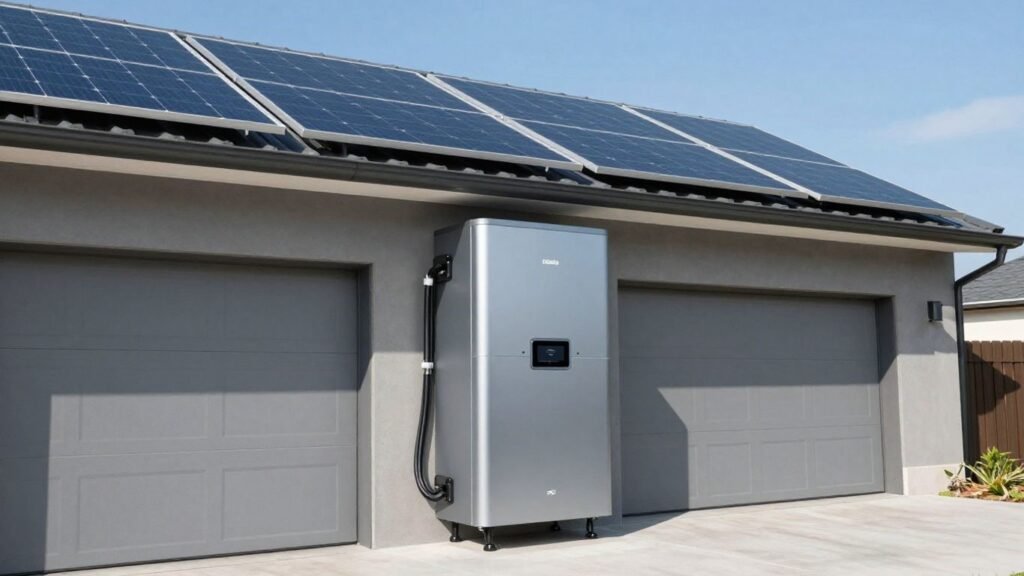
So, you are considering adding a solar battery to your home energy system in 2026? I’ve researched this a bunch myself, and I can tell you the home battery storage cost is a big (and unanswered) question mark for people like me. It’s not a straightforward number; rather, there are a lot of factors that can change what you will be paying for solar energy storage systems.
If you already have panels installed or are planning to, you may want to first review how much it costs to install solar panels to understand your total system investment.
It’s not a straightforward number; rather, there are a lot of factors that can change what you will be paying for solar energy storage systems.
Key Factors Influencing Solar Battery Prices
As I began my research, I quickly discovered the price of solar energy systems incorporating batteries isn’t set. Several factors can cause the final price to swing. Here’s what I found:
- Battery Size (Capacity): This is likely the largest factor. Cars run on electricity, you’ve got to store that energy somewhere, and the bigger your battery (measured in kilowatt hours), the more it’ll cost. Consider the amount of power you’d like to store. Would enough to keep a few things running during an outage do, or are you looking for enough to run your entire house? This one decision affects the cost of your backup solar power system.
- Battery Chemistry and Brand: As with phones or cars, each brand has different technology (like Lithium Iron Phosphate or NMC) that influences both performance and cost. Although some brands are known for being more budget-friendly, they also may offer premium features and longer warranties, with a higher cost in the home battery storage price.
- Inverter and Other Components: The battery is a big part, but every installation also requires inverters that change the power from D.C. form, as well as wiring and other electrical bits. These increase the cost of solar power with battery backup in general.
- Complexity of Installation: Labor costs vary, taking into consideration where you live, the way your home is laid out, and the complexity of getting installers in to set everything up. This can be one of the major costs in a solar power backup system.
- Market Trends and Technology: As with most tech, prices tend to fall over time, as manufacturing becomes more efficient and newer models are introduced. This trend is only set to follow with the price of solar and battery systems.
Average Solar Battery System Costs: What to Expect
Okay, so what’s the damage? I think the average home battery storage costs in 2026 look highly variable. “ATEGORIES. You’re generally starting between $6,000 and $18,000 for a standard home system before any incentives.
To better understand how battery storage changes your economics, you should also see how solar panels affect your monthly bill.
If you want localized estimates, reviewing solar panel cost by state or specific pages like:
can give better financial clarity.
Say, for instance, a 13.5 kWh system, a fairly typical size for many houses, could cost you about $13,500 after the federal tax credit (that is, if you’re eligible). Smaller systems simply for critical backup may come in nearer to $5,000, while a much larger setup for whole-home backup could easily top $20,000 or even $40,000. It mainly depends on what you need and the size of the system that you get.
It’s easy to experience sticker shock when thinking about the upfront cost of a solar battery. But the thing to keep in mind is all the long-term value / potential savings. Just consider it an investment in a solid appliance that can put money back in your pocket and give you peace of mind for years to come.
As I was researching options, the cost per kilowatt-hour (kWh) stuck out as a simple metric to compare across different systems. This key figure is loyal to you in that it explains the price compared to the capacity. For example, some sources list an average cost of $1,000 per kWh after the federal tax credit, but this figure varies widely among brands and system sizes.
Breaking Down the Components of Solar Battery Cost
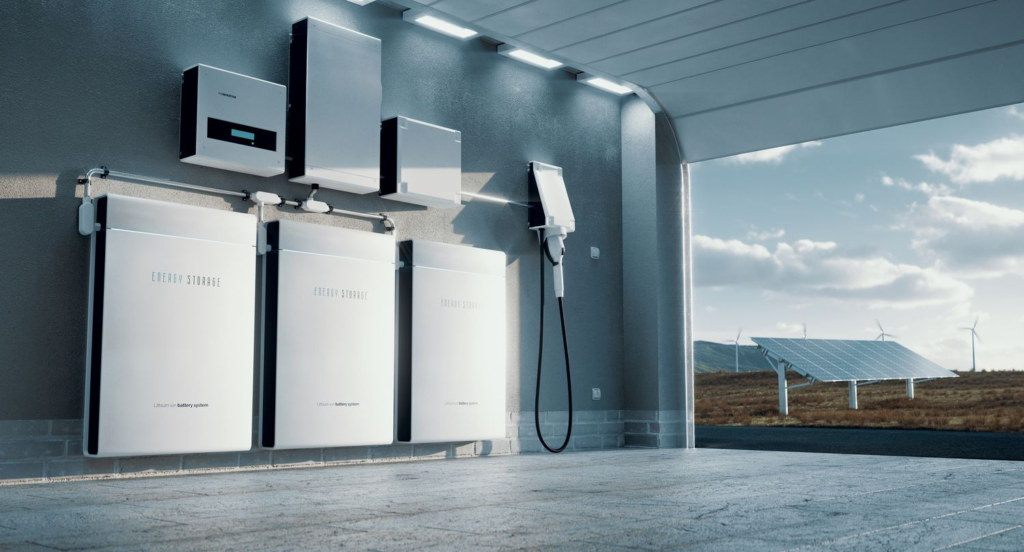
When I began researching solar batteries, I quickly saw it was not just about the battery. When you start to put the puzzle pieces together, several factors result in a cumulative price tag. Knowing these parts helped me get an idea of what I was really paying for and where the costs are derived from.
Battery Hardware: The Core Expense
As you’d expect, the largest portion of the expense is the battery unit itself. Think of it as a refrigerator, because the appliance is where much of the cost lies. Key here is the battery capacity (stored in kilowatt-hours, or kWh). A bigger battery that can hold more energy is inherently going to cost more than a smaller one.
For instance, a 10 kWh battery will cost more than a 5 kWh model. However, bigger systems often give you a better price per kWh. Another consideration is whether it’s a DC or an AC battery. DC batteries can sometimes be less expensive, but they may be more complicated to incorporate with an existing solar system. AC batteries, such as the popular Tesla Powerwall, are typically more flexible – they can be retrofitted to most new or existing systems with less of a fuss.
Inverter and Other Electrical Components
Besides the battery, there are some other odds and ends that allow the entire system to function. This is frequently referred to as the Balance of System or BOS. You’ll also need a thing called a backup gateway, which is kind of like a smart switch that will take you off the grid when one goes down and link your home system to the batteries. Some of the new systems are coming with ’meter collars’ which can reduce some of the need for that gateway and cost.
Most home batteries aren’t built to supply your whole house during a power outage, which means you’ll also need what’s known as a ‘critical loads panel. This is a smaller electrical panel that contains only the most critical circuits in your house, such as those connected to your fridge, lights, and Wi-Fi. The battery now keeps just these crucial circuits running.
This solution generally costs less than attempting to back up every circuit in your home. If you are inquiring about the total cost of a complete home solar kit, these components play a major role in that figure.
Installation Labor and Permitting Fees
Now that you have all the hardware, somebody’s got to put it all together. It’s the installation that’s a large portion of the total cost. You want to be certain that the company you hire has experience installing systems like these. Although it may seem like a way to keep costs down, taking shortcuts on the installation could create expensive problems later.
Plus, there are always permits and inspections required by your local municipality, and those expenses add up as well. You’ll also need to account for the expense of professional installation as well as all paperwork required to make sure your system is safe and legal. This is where the overall affordability of a system (solar panels) + battery really comes into play, as labor and permitting can make up a big portion of that bottom line.
The ROI: Is a Solar Battery Worth the Investment?
So, you have solar panels and are considering adding a battery. It’s a huge decision, and to be honest, I’ve struggled with it myself. And the sticker price can give you major pause, begging the question: Is it really worth it? The real calculation you should be doing is whether an investment in a residential solar battery system adds up for your particular situation.
Calculating Your Potential Savings
Numbers-wise, it’s not just about the upfront cost, in my opinion. I need a way to determine what exactly I’ll be able to set aside. That means taking a few things into account:
- Electricity Bill Reduction: If your utility provider offers something called the ‘time-of-use’ rate, where electricity costs more during hours of peak usage, it should get a lot of use out of a battery. You can juice it up when electricity is cheap, save that stored power for whenever you want to use it, including the kind of high-cost hours that arrive on even a moderately hot or cold day, and watch your bills go down.
- Backup Power Value: It’s a little trickier to assign a dollar amount to this, but the peace of mind that I won’t lose power during an outage is invaluable. Think spoiled groceries, lost internet during a work-from-home conference call, or key medical equipment that can’t run. The peace of mind is so great.
- System Capacity: What power is the battery actually capable of retaining and releasing? It is counted in kilowatt hours (kWh). More capacity is more stored energy, which may equate to a longer backup run time or greater savings.
Assessing whether home energy storage is a good investment, though, requires more than just comparing the initial sticker price. It’s all about how it jibes with your local utility and personal backup power needs.
Incentives, Rebates, and Tax Credits for Solar Batteries
Here’s where it gets interesting and could potentially shift the financial picture in a big way. I have been scouring what is out there, and the landscape is mixed depending on where you live.
- Federal Tax Credit: A federal tax credit of 30 percent is available for systems installed on or before the end of 2025. This is a big chunk of change and can reduce the total cost substantially. The availability and terms could shift after 2025, so it’s a good idea to double-check when the time comes.
- State and Local Programs: Some states (and, on occasion, the local utility company) will own rebates or incentives. These can vary wildly. California has programs such as SGIP, and Maryland offers a 30% tax credit, for example. Knowledge is power: it pays to know your own area.
- Financing Options: Not a true savings, but financing can be used to help offset the upfront expense. You may even be able to bundle a battery with your solar loan. Just be sure to account for any interest you’ll pay over the life of the loan when adding up your total cost.
It’s these incentives that are crucial to making an investment in residential solar battery storage pencil out. Without them, the payback can be a lot longer. I’m leaning on tools like the OpusFlow solar battery calculator to develop a clearer sense of how these incentives impact the total cost and potential return on investment for my setup.
Future Trends in Solar Battery Costs
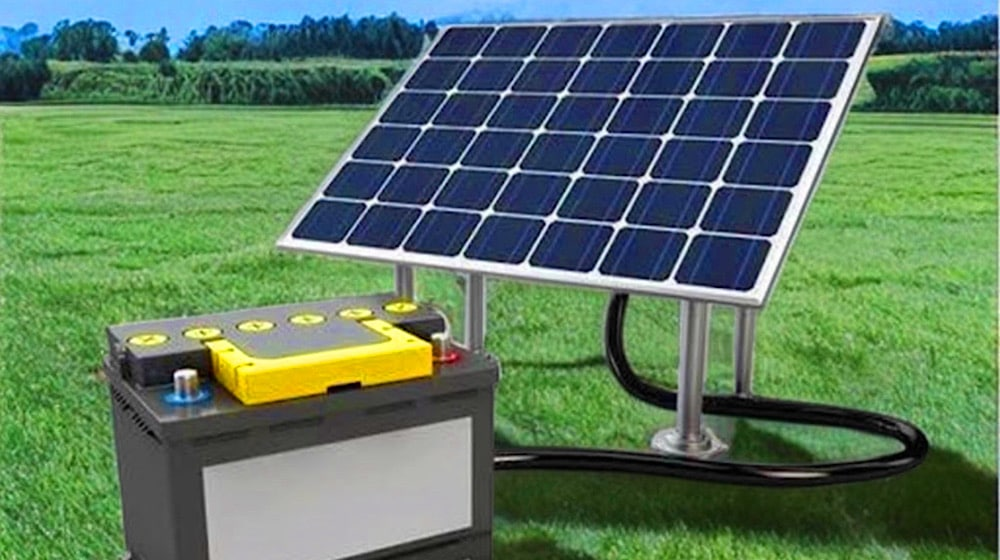
I’ve been watching the solar-battery market, and it’s obvious to me that things are moving fast. The overall sense that I’m getting is that the cost of these energy storage options is going to continue falling. “If you think about how flat-panel TV prices have come down over time, batteries are following a similar trajectory. When more companies get in the game and when manufacturing gets more efficient, prices go down, of course.
Battery prices are following the same trend as panels did. You can see how pricing has evolved by reviewing the evolution of solar technology.
For a broader perspective, read why solar energy is the future of renewable energy.
Now, we’re imagining a future in which the battery could become even more ubiquitous. It’s difficult to provide precise numbers in each case, but by and large, it is a favorable trend for consumers.
Here’s what I expect to see:
- More Price Drops: The price decline by year in per-kWh (kilowatt-hour) terms for batteries is expected to continue. Here you’ll simply have more room for your money.
- Technological Advance: Look for batteries to simply get better, holding more charge, lasting longer, and maybe even charging faster. This breakthrough is usually accompanied by significant cost savings.
- More Competitive Market: With an increased market size, more companies are likely to enter the space, forcing prices down as they compete. That’s great if you want to buy.
And there are also incentives and government policies that can be huge. Although certain tax credits could shift, the trend toward renewable energy overall favors a demand for battery storage. Watching both local and federal incentives will also determine how good a deal you’ll get. The cost of solar panels has fallen dramatically in the last decade, and batteries are following that trajectory now as well, so solar is becoming more affordable every day for homeowners.
Capacity remains the single biggest determinant of price , but it is the price per unit of storage that is trending down. Over the lifetime of a system, this is what makes it possible for larger systems to be accessible.
So yes, the upfront cost can still seem high today, but in the future, things are looking up for
Making the Decision: Is a Solar Battery Right for You?
So you’ve seen the costs, the components, and perhaps even the possible savings. So now for the million-dollar question: is a solar battery worth it for my home? It’s a matter of personal preference, really, as well as down to what matters most for you.
For me, the concept of being able to rely on backup power during those unavoidable grid outages is a big attraction. And where I live in the region of regular heavy storms that take out power for days at a time, being able to keep the lights on, my fridge humming, and my internet connected sounds pretty appealing. It’s not just comfort; it is peace of mind. At least that’s the idea: Unlike a sputtering gas generator, a battery is silent and doesn’t require regular refueling. Energy independence of this type is a big selling point.
Here’s a quick rundown of who might find a solar battery particularly worthwhile:
- You have a lot of power outages (or really long ones).
- You have important medical devices or other crucial systems that require uninterrupted power.
- Your utility has confusing billing structures (such as time-of-use rates), and a battery can help you manage.
- You’re trying to make the most of your own self-generated solar power.
- You would like to rely less on the grid for your energy.
And, now or later, yes, there are costs to make the calculation about. It’s a good second step, getting quotes from local installers. They can help you determine the right system size for your needs and show how much of that investment you will recoup. Don’t forget, if the upfront cost is a concern, there are also financing options to consider, just pay attention to any accumulating interest.
Paying a little bit upfront, when you install solar panels on your home, will mean large savings and perhaps even income as it relates to your electricity bill in the long run. Solar panels generally last about 25 years, and subsidies, such as tax credits or rebates, can help defray upfront costs.
In the end, whether a solar battery will pay off for you depends on your individual circumstances, where you live, and what matters most to you. It’s all about striking a balance between economy, ease, and strength.
So, Is a Solar Battery Worth It in 2026?
After doing the numbers and considering everything that goes into a solar battery system, I can see it’s not just a clear yes or no. But for my part, it’s the peace of mind during those inevitable power outages that I really appreciate. If you live in a place where storms hit hard, or the grid is unreliable, such backup power could be a godsend, keeping your fridge humming and your phone charged.
And, if your utility isn’t giving you a lot of financial credit each month for the excess solar power that you send back, a battery can help you save more money. Even with incentives, it’s still pretty expensive, and you have to finance your purchase with interest, so it’s a big decision. But if any of those scenarios do sound like you, and you’re willing to pay for the peace of mind your home will never be without an energy backup from now on, then a solar battery might be the right step for you. If not, watch prices; they should continue to fall.
Whether a solar battery makes sense depends on your location, grid reliability, and financial goals. If you’re still in early planning stages, you may want to start with how to set up a solar panel system before jumping into storage. Battery storage is not mandatory for every homeowner. But if resilience, energy independence, and bill optimization matter to you, it can be a strategic upgrade to your system.
Frequently Asked Questions
How much does a solar battery typically cost in 2026?
In 2026, I expect the average cost to install a home battery system to be somewhere between $6,000 and $18,000. This price can change a lot depending on the battery’s size, which is measured in kilowatt-hours (kWh), and the brand you pick. Bigger batteries that store more energy will naturally cost more. For example, a smaller 5 kWh battery might cost around $5,000 after tax credits, while a larger 20 kWh system could be closer to $20,000.
What factors make solar batteries so expensive?
The biggest chunk of the cost comes from the battery hardware itself – that’s the main component. Then, you have to add in the cost for the inverter and other electrical parts needed to connect it to your solar system and home. Don’t forget about the labor costs for installation, which involve skilled technicians, and any fees for permits required by your local government. Sometimes, the brand you choose also plays a role in the final price.
Is it worth it to get a solar battery if I already have solar panels?
For me, adding a battery to my solar setup is definitely worth considering if I experience frequent power outages, especially if they last a long time. It’s also a good idea if my utility company doesn’t pay much for the extra solar power I send back to the grid, like in places with new net metering rules. If I’m looking for energy independence or want to make sure my essential devices always have power, a battery makes a lot of sense. However, if I rarely have outages and my utility offers good credit for extra solar power, I might hold off.
Will the federal tax credit for solar batteries still be available in 2026?
This is a bit tricky. The 30% federal tax credit that homeowners could claim for buying a solar battery with cash or a loan is set to end on December 31, 2025. So, for installations in 2026, that specific credit might not be available. However, there might still be federal tax credits for batteries if I choose to lease one through a third-party company, which could be an option through 2027.
How long can I expect a solar battery to last?
Most solar batteries come with warranties that promise they’ll still have about 70% of their storage capacity after 10 to 12 years, or after a certain number of times they’ve been charged and discharged. Honestly, though, the technology is pretty robust, and many batteries are outperforming their warranties. It’s hard to say exactly how long they’ll last because they’re still relatively new, but I’m hopeful they’ll last for many years, likely well beyond their warranty period.
Can I power my entire house with a solar battery?
Powering an entire house with a solar battery is usually not practical or cost-effective for most homeowners, including me. To back up all my appliances and devices, I’d likely need multiple large batteries, which could cost well over $100,000. Instead, most people, myself included, focus on powering ‘critical loads’ – the essential items like the refrigerator, some lights, medical equipment, and phone chargers. This way, I can keep the most important things running during an outage without breaking the bank.