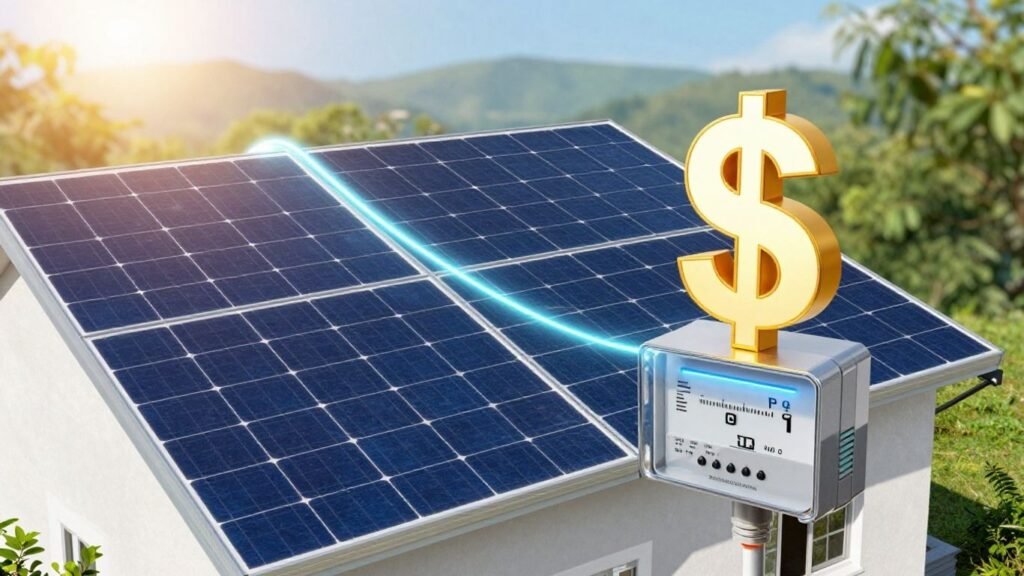
As I look ahead to 2026, I’m seeing some pretty big shifts in how solar panel incentives are working. It seems like the government’s approach to encouraging clean energy is changing, and it’s going to affect how much people can save when they decide to go solar. I’ve been digging into the details, and it looks like some of the big federal breaks we were expecting are either ending sooner than planned or have new rules attached.
This means if you’re thinking about solar, timing and understanding these changes are going to be more important than ever. I’ll break down what I’m finding about federal, state, and even local incentives so you can get a clearer picture of the Solar Panel Incentives 2026 landscape.
Key Takeaways
- The federal 30% Residential Clean Energy Credit for solar panels and battery storage is still available in 2026, but it’s important to know the details of how to claim it.
- There’s a potential extra 10% bonus credit if your solar components are made in America, which becomes more relevant in 2026 as domestic production increases.
- Many federal incentives that were expected to last longer are ending or changing due to new legislation, making 2025 and early 2026 a critical time to act.
- State and local incentives, like property tax exemptions, sales tax exemptions, and utility rebates, become even more significant as federal support shifts.
- Understanding new compliance rules, such as domestic content requirements, is important to avoid losing out on bonus credits for solar projects starting in 2026.
Overview of Solar Panel Incentives in 2026
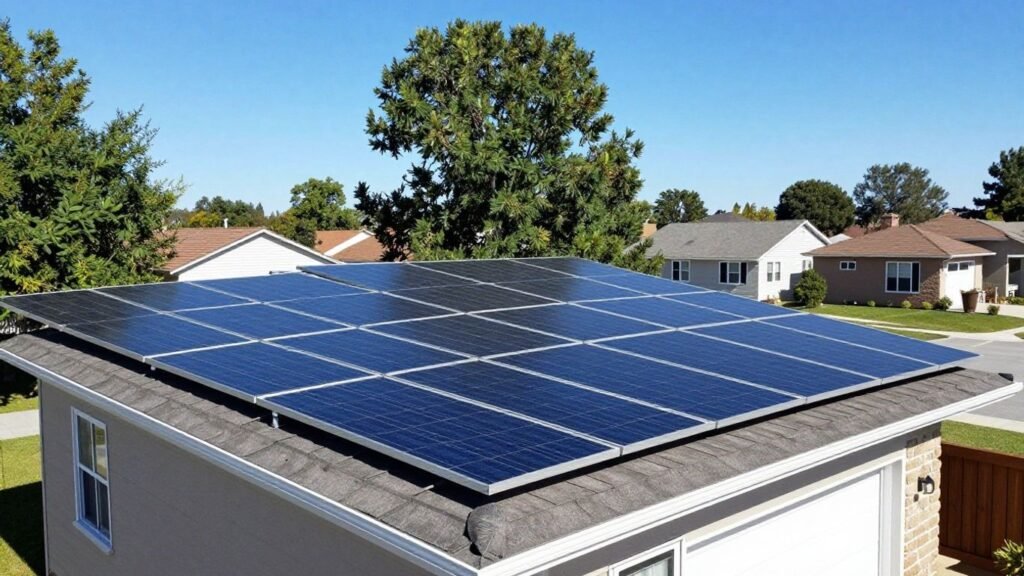
When I began researching solar for my own house this year, the first thing that stood out was how dramatically the incentives landscape will change in 2026. Many of the large, federal solar incentives we’ve come to depend on, like the 30% tax credit, are on their way out or starting to fade away. States, and even local governments, are pitching in, but there is a lot of confusion about what remains, and who can claim what.
Here’s what stands out to me about solar panel incentives in 2026:
- Most of the broad federal credits for homeowners will either expire or shrink by mid-2026, so that window for those savings is closing fast.
- Local solar energy incentives and rebates will vary greatly based on where you are. In some places, local installers can still make the math work through discounting even as they strip away federal perks.
- States have been unveiling a patchwork of new rules, deadlines, and incentive programs; many are improvements over what we saw before, but you really need to do some digging to figure out if they apply in your case.
- Stringent restrictions on where equipment is made (for instance, to receive any remaining incentives) may complicate and slow down the process of qualifying.
Here’s a quick comparison of how much incentives can matter for a typical 7 kW home solar system in 2026:
| Cost Item | Amount |
|---|---|
| Base System Cost | $20,000 |
| Federal Tax Credit (if eligible) | – $6,000 |
| Domestic-Content Bonus | – $2,000 |
| State / Local Incentives | – $1,000 to – $5,000 |
| Potential Final Cost | $9,000 – $13,000 |
These figures mean it’s still possible to achieve savings of up to 55% if you stack all available programs. But it’s more complicated than that, and this is where regional sunlight, state policy, and local rules matter a lot. For instance, your total panels installed and up-front costs can swing wildly from one part of the country to another, as you can see in the impact of regional variance on cost.
So in 2026, the smart money is on getting educated, fast. Some incentives are going away, others are shifting, and by taking advantage of what’s out there, you could save a bundle on your wallet and the environment.
Key Federal Incentives for Solar Panels in 2026
Alright, so what’s happening with federal solar incentives as we enter 2026? The truth is that it’s a mixed bag, really. The big news is that some of the really generous tax credits we’ve seen are evolving, and in some cases disappearing. For some of these, it feels a little like a race against time, which is why I’m trying to get this information to you now.
If you are unsure what an inverter does, read What Is a Solar Inverter? and compare systems in String Inverter vs Micro Inverter.
Federal Tax Credits and Updates
When I consider 2026 on the federal side of things, the major primary motivation is still the Residential Clean Energy Credit.” This one allows you to take a credit for 30 percent of the cost of your solar energy system. That goes for the panels, the inverters, the racking, and even labor and permitting costs. That is a hefty sum that can come back to you on your taxes.
A bonus is that this credit also applies to home battery storage, which is pretty cool. If you are unable to take the entire credit in one year, don’t worry: The unused portion rolls over into other tax years. I have also heard rumors that there might even be an additional domestic-content bonus of up to 10% if your solar components are made here. It’s worth keeping an eye on as more U.S. plants come back online.
Here’s a quick rundown of what the 30% credit generally covers:
- Solar panels
- Inverters and racking
- Installation labor and permitting fees
- Home battery storage systems
Investment Tax Credit (ITC) Changes
The Investment Tax Credit, or ITC as it is usually called, is the primary federal incentive I’ve been referring to. For individual homeowners, the 30% credit will still be available in 2026, but it is worth understanding that the terrain is changing. And certain broader clean energy credits that were extended by earlier legislation are now expiring more quickly than anticipated because of new laws.
That means the window for taking such specific federal action is essentially closing. It’s not all bad news, though; there are new government solar initiatives and renewable energy grants that are emerging (though they may be more selective). If you are exploring solar financing for your home, knowledge of these developments will be important to maximize the value of your investment.
It’s a good idea to check out resources like California solar incentives to see how state and local programs can complement federal ones.
Federal incentives are changing, and some have been phased out. That makes the next year or so a very important time to take action if you want to maximize these government solar incentives 2026.” But it’s not just the tax credits; there are also new government solar programs to consider and possible rebates.
What a lot to juggle, and I know it can make things seem overwhelming. By learning more about these next solar tax credits and 2026 federal solar rebates, however, you can be better prepared to act if it’s in your best interest to go solar.
State-Level Incentives: What’s New in 2026
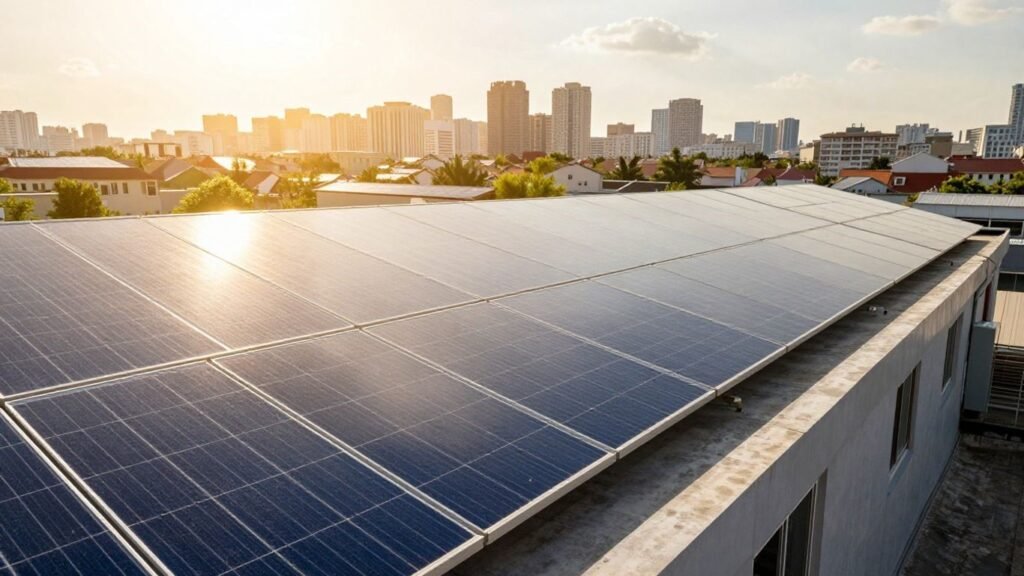
I always look at solar incentives and think about how it can really be a game changer for a homeowner. Federal credits are all good, but state and local programs often pile on another layer of savings that can contribute a lot as well. In 2026, I’m also seeing some interesting movements and overlap between the various states.
State programs are becoming more important.
For example:
- Nevada homeowners can explore Solar Panel Cost Nevada
- Georgia residents can review Solar Panel Cost Georgia
- Illinois readers should check Solar Panel Cost Illinois
- Virginia homeowners can see Solar Panel Cost Virginia
- Massachusetts residents can visit Solar Panel Cost Massachusetts
Many states offer exemptions and rebates that reduce upfront cost. If you want to understand total system pricing first, visit How Much Does It Cost to Install Solar Panel?.
Highlighted State Programs and Variations
It seems like every state is going off in its own direction, which can be frustrating but also means that there are sometimes unique opportunities. One example: Some states are going big on battery storage paired with solar panels. Others concentrate on property tax exemptions, just the kind of thing to keep your home’s value intact without added tax burdens.
States with high electricity costs or much sunshine, I’ve found, have more robust ones. It’s instructive to see what is going on in places like Florida, where solar equipment gets a 100 percent property tax exemption and an exemption from sales taxes. Save for Utah, where there’s that Renewable Energy Systems Tax Credit you have to monitor annually, and it can change.
Even in states without generous state-wide rebates, there may be local utilities offering sweet deals. For instance, you may see utility bill-credit buyback programs or local rebates from outfits like Austin Energy in Texas. A patchwork, but possibly a rewarding one.
How to Qualify for State Incentives
So how, exactly, do you get these state-level benefits? It varies, based on where you live and the type of system you are installing. Typically, you need to meet some residency requirements and have your installation done by a licensed professional.
Some programs might have particular requirements, such as the use of U.S.-made parts to earn bonus credits — something I’m starting to see more of. Others could key on the size of your system or whether you’re adding battery storage.
Much of this information can be found through your state’s energy office or environmental agency. I also discovered that many counties have solar-friendly permitting, which is not a direct financial incentive but certainly makes the process easier.
For homeowners considering adding solar, it is well worth investigating the programs your specific state has to offer — and even some of the efforts by your local utility company. You may be shocked at what you discover, as new programs such as plug-in solar systems are now mainstream in two-dozen (24) states for plug-and-play residential energy.
Keep in mind that these bonuses are subject to change. What’s for sale today may not be available next year, or the rules could have changed. Being vigilant is the only way to ensure you don’t miss any potential savings.
Local Government Rebates and Programs
And beyond the federal and state levels, I’ve discovered that local governments are fond of devising their own ways to help homeowners go solar. Those can be direct rebates, grants, or even facilitating quicker and cheaper permitting processes to get the equipment installed. It’s definitely worth diving into to see what your particular city or county does, because these local credits can sometimes stack up to significant savings.
If you’re concerned about scams while applying for incentives, review Avoid Solar Panel Scams
Notable City and County Initiatives
Countless cities are taking it upon themselves to lead on clean energy. For example, certain counties have solar-friendly permitting, which means less red tape and faster approval for your installation. Others may have targeted local clean energy grants to incentivize residents to make the switch to renewable energy within their towns and cities. I have seen utilities (Ameren Missouri is cast as an example) offer solar rebates to customers in the past, and while they can fluctuate (and get filled up), you should always check.
It’s not just a matter of direct dollars, either. In some locations, there are programs to help facilitate the connection of your solar system to the grid and incentives for energy storage. Los Angeles County, for example, has actively pursued alternative energy sources for residents, indicating a move toward local government involvement. These programs can vary greatly, so I always suggest that you ask your local utility and city hall what’s available to you.
Here’s a quick look at what some areas might offer:
- Upfront Rebates: In some cities or counties, homeowners can receive a fixed dollar amount of per-watt credit for installing solar panels.
- Property Tax Exemptions: A state-level benefit that some local entities maintain or oversee, particularly for financing programs; you won’t pay increased property taxes because you added solar.
- Sales Tax Exemptions: Just like property tax exemptions, solar equipment could be excluded from sales taxes at the state level.
- Efficient Permitting: The quicker, less costly, or easier your project can be permitted may save you time and money.
Local incentives are always in flux. What’s there today could be different next year, so it pays to stay informed. Do not assume that your town or city doesn’t have anything; a quick search or a phone call to the local planning department can turn up surprising possibilities.
Even in California, where statewide rebates have evolved, local utility rebates from the likes of PG&E and SCE remain a big force for homeowners who are looking to minimize their upfront spend. Good reminder that even in states with great solar programs, the local angle can carry extra financial benefits.
Be on the lookout for new renewable energy rebates or programs that may have recently surfaced. State rebates for solar panel installation and federal credits, in addition to these local programs, can mean a significant reduction in the overall system cost.
Applying for Solar Incentives: Step-by-Step Guide
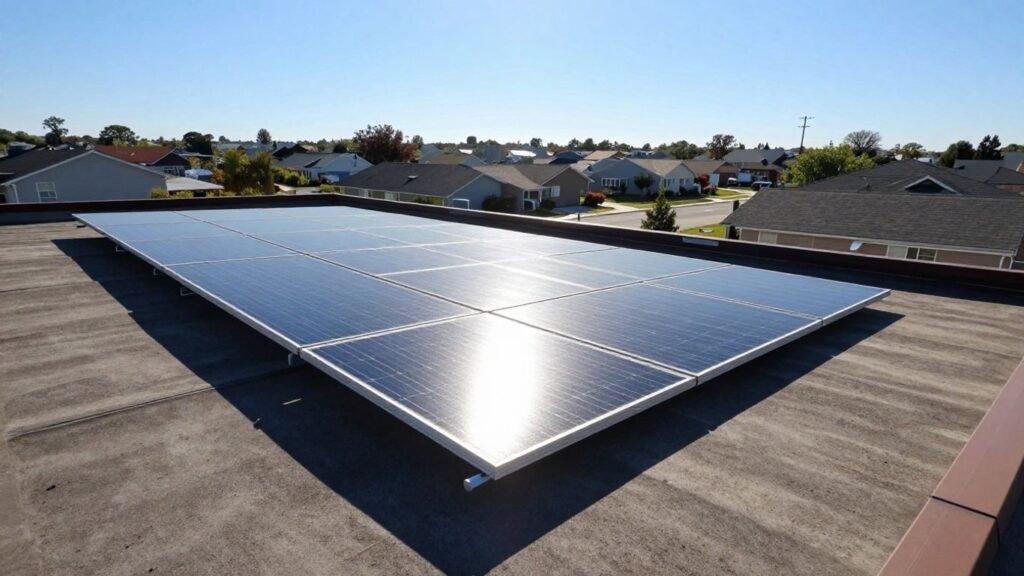
So, you’ve decided to go solar, great news. And now: How we go about getting you those offers? It may look a bit intimidating, but really, it breaks down pretty easily. I’ve done it myself, and while I had a few “what am I doing?” moments, it all worked out.
Here’s a general roadmap I followed:
- Get Quotes and Learn Your System: Before you can apply for anything, you have to know what’s going on in the ground. Get a handful of quotes from trustworthy solar installers. They should be able to give you the total cost, including labor and the system’s size (in kilowatts) and expected energy output. This info is crucial for the vast majority of applications.
- Check on Federal Incentives: The big one is the Residential Clean Energy Credit. You will be required to file IRS Form 5695 when you do your taxes. Be sure to retain all receipts and paperwork from the installer. If you can’t spend the entire credit in one year, it carries over, which is nice.
- Research State and Local Programs: This is when things start to get more varied. Some states have tax credits; others use rebates, and some utilities offer their own incentives. You will need to consult the website of your individual state’s energy department and that of your local utility. Installers sometimes take care of much of this paperwork for you, but it’s probably worth knowing what’s available.
- Seek Out Bonus Incentives: Look for anything that may be a battery storage incentive or a program to incentivize using domestically made components. These can also layer on additional savings beyond the primary credits. For instance, some programs could need equipment purchased in Canada, such as the Greener Homes Initiative.
- Submit Your Apps: After you have your system up and running, submit actual applications. This tends to involve filling out forms, proving that you have bought the product, and sometimes being approved by your utility company. Your installer will lead you through this, but have information handy.
It is essential to keep organized. Maintain an organized folder, whether in the cloud or IRL, with all of your documents. This would be contracts, invoices, details of installation, and any application confirmations.
Breathe easy It can be a lot to take all the different programs and requirements. Keep in mind that many installers are familiar with these programs and can help cut down on delays. Feel free to ask them questions about what they do and what you should be doing.
If you are still new to solar basics, start with The Basics of Solar Panels or the full overview in Solar Panels.
Wrapping It Up: My Take on Solar in 2026
So, it’s after sifting through all of these changes that I have to say: 2026 is going to be a very interesting year for solar. We feel like the big federal incentives we were expecting are mostly gone, which is a bummer. But it’s not all bad news. The 30 percent tax credit is still around, and that “Made in America” bonus could be a fun little bonus if you can afford it.
It sounds like the real savings are going to start coming more from state and local programs now, and they’re honestly the ones I’m watching more closely. It’s certainly a tad more complicated than it used to be, and I’m feeling the pressure to move quickly if I want the best deal. But even without all the federal help, solar still makes sense over the long haul, especially in light of higher energy prices. The best way forward is simply going to take a little more homework.
Frequently Asked Questions
What happened to the big solar tax credit I heard about?
You might be thinking of the 30% federal tax credit that was extended by the Inflation Reduction Act. While it was a great deal, a new law changed things. Now, many of these credits are ending sooner than expected. It’s important to know that the 30% credit is still available for now, but there’s a push to use it before it potentially changes again. Some newer rules might also affect how much you can claim, such as if the solar parts are made in America.
Is the 30% federal tax credit still available in 2026?
Yes, the 30% Residential Clean Energy Credit is still active in 2026! This means you can get back 30% of the cost of your solar panel system, including things like panels, inverters, and even installation labor. It’s a fantastic way to lower the initial price of going solar. Just remember to keep all your paperwork and file the correct tax form, IRS Form 5695, when you do your taxes.
Can I get an extra bonus if my solar panels are made in the U.S.?
Absolutely! In 2026, there’s a chance to get an extra 10% bonus credit if your solar equipment, like panels and inverters, is made in America. This means you could potentially get a total of 40% back on your solar system cost (the original 30% plus the 10% bonus). More and more solar parts are being made here, so this is a great incentive to look for.
What if I want to add a battery for my solar panels later?
Good news! Even if you install your solar panels first and decide to add a home battery later, that battery can still qualify for the 30% federal tax credit. This applies even if you add it years after your solar panels are up and running. So, you don’t have to get everything at once to benefit from the tax credit for energy storage.
Are there any incentives for things like EV chargers?
Yes, pairing solar with an electric vehicle (EV) charger can also lead to savings. In 2026, you might be able to get incentives for installing EV chargers, potentially covering about 30% of the installation cost, though there are limits. Some utility companies also offer special deals for smart chargers that work well with solar and battery systems, making it more affordable to go electric.
What happens to solar incentives after 2026?
After 2026, the big federal tax credits might be gone or changed significantly. This means that state and local programs, along with utility company offers, will become even more important for saving money on solar. The cost of solar panels themselves is also expected to keep dropping, and electricity from the grid is getting more expensive, which will help make solar a good deal even without big federal help. It’s smart to check what’s available in your specific area, as these programs can vary a lot.