I am investigating putting solar panels on my house, and it’s a matter of where you put them. You can’t just slap them anywhere; the best spot for your solar panels can make all the difference in their output.
I’ve done a little digging on where best to place them and what you need to keep in mind when planning an installation. It’s a bit more complicated than it had seemed at first, but getting it right would lead to even greater savings and a happier home.
Key Takeaways
- For solar panels, where your roof is pointing means a lot – south-facing is the best for solar panels.
- Things like trees or other buildings that cast shade can screw with how well your panels do their job.
- If your roof is not a great candidate for solar, ground-mounted systems are a great alternative, especially if you have the space.
- If the main roof doesn’t work for you, you can also install panels on your carport or pergola.
- Speaking with solar experts, however, is super important to determine the perfect space for your specific home.
Understanding Solar Panel Placement
It’s not just a matter of slapping solar panels down anywhere when it comes to places to install them. I’ve come to realize that good solar panel placement is the most important factor when it comes to how they will maximize energy production. The orientation of solar panels can play a massive role in how effectively they work. It’s worth taking the time to get this right.
There are a few basic details you will also consider for your choice. Your installer will survey your property to decide where your panels will be best located. If you have a definite location in mind, put it past your installer.
I have learned how important it is to know the path the sun travels each year. It directly affects optimal solar panel efficiency sites. The idea is to hit the sweet spot at which your panels receive the most direct sunlight possible. This frequently means looking at the roof orientation, the shade from trees or nearby buildings, and even the tilt of panels.
It’s a matter of finding the perfect solar panel angle so you get as much of the sun’s energy as you can. I also learned that which way solar panels should face on your roof is a question asked by many, and there is no simple answer. This varies depending on your property and energy needs. An at-home location for solar panels is a good place to start, but it’s always best to speak to a professional. Is your home suitable for solar panels?. It’s always best to speak to a professional for tailored advice.
BEST ROOF FOR SOLAR PANELS
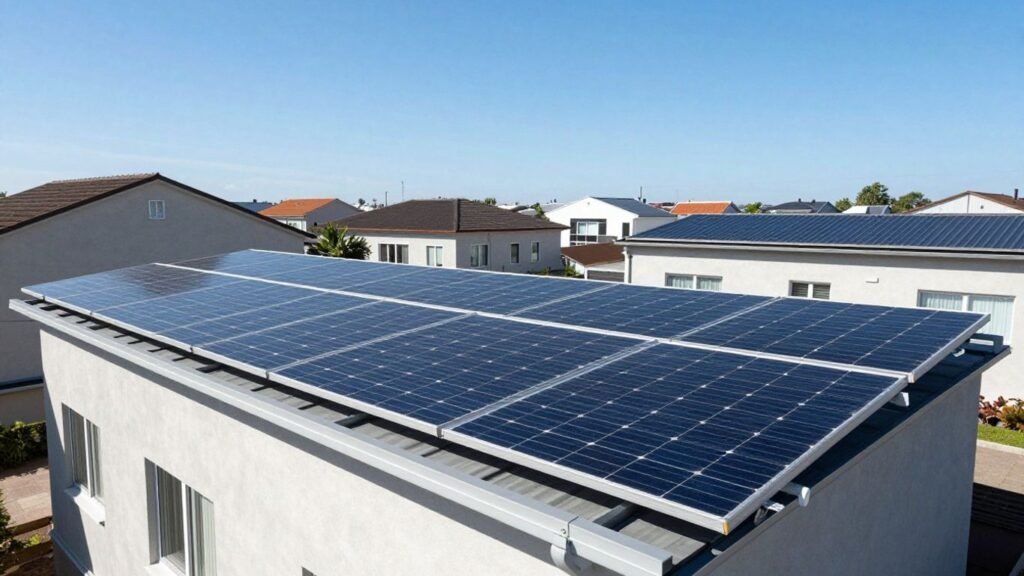
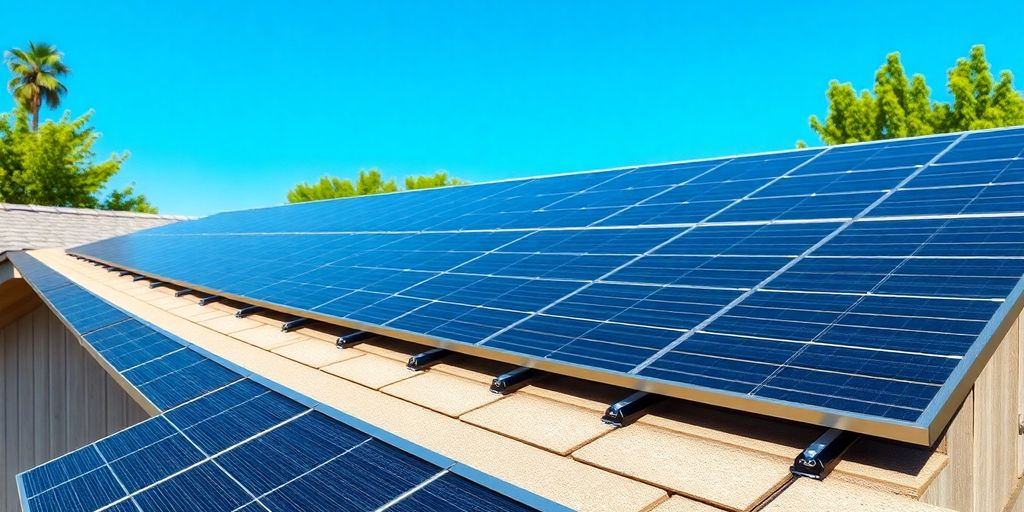
The roof is the first location most homeowners consider for solar panel installation, and good reason. By contrast, roofs are a present source of unused, sun-soaked real estate, and by getting panels up on the roof, you keep them out of the way, yet aren’t exposing them to potential damage.
Roof Orientation: South-Facing is Best
If you live in the northern hemisphere, a south-facing roof is usually best. This is the part that will get the most sun exposure as the sun crisscrosses your property. Other directions can work, too: East- and west-facing roofs grab the morning and afternoon sun, respectively. The direction that your roof is facing is a big consideration in how much energy you will be able to produce. North is not so good as you don’t get much sun on the roof.
Roof Pitch and Angle Considerations
In an ideal world, solar panels would be pointed upward to capture the most sunlight. A lot of roofs boast pitches between 30 and 40 degrees, a nice leveling-off for solar panels to grip and generate substantial electricity. If your roof is steeper or more shallow than this amount, it could impact what type of mounting system is necessary.
On flat roofs, special mounting systems can tilt the panels upwards and space them apart so they do not shade one another. The number of these panels, housed on racks that can be adjusted to narrow the angle of the panels and thereby angle them more directly toward the sun, would depend on the original tilt of the roof. 15 to 35 degrees is the best angle for receiving direct sunlight.
Shading: Solar’s Biggest Enemy
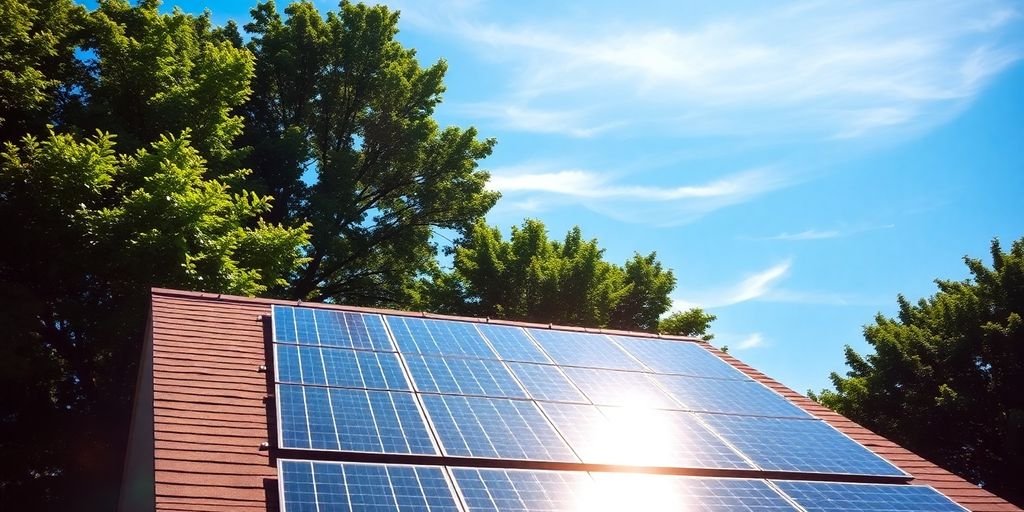
Shading is one of the main issues with solar panels. Even a shadows’Mercury can make a big negative impact on their output. Trees, chimneys, and even other structures can shade your roof, so it is very important to have a good idea of how much shading your roof gets as the day progresses.
If shading is an impediment, you may have to trim trees or look for an alternative place to install your solar panels. Roofs that are in bad shape, an irregular shape that does not match the ideal tilt angle, or total shade from large trees are just some of the conditions in which rooftop solar may not be a good fit.
Ground-Mounted Solar Panel Options
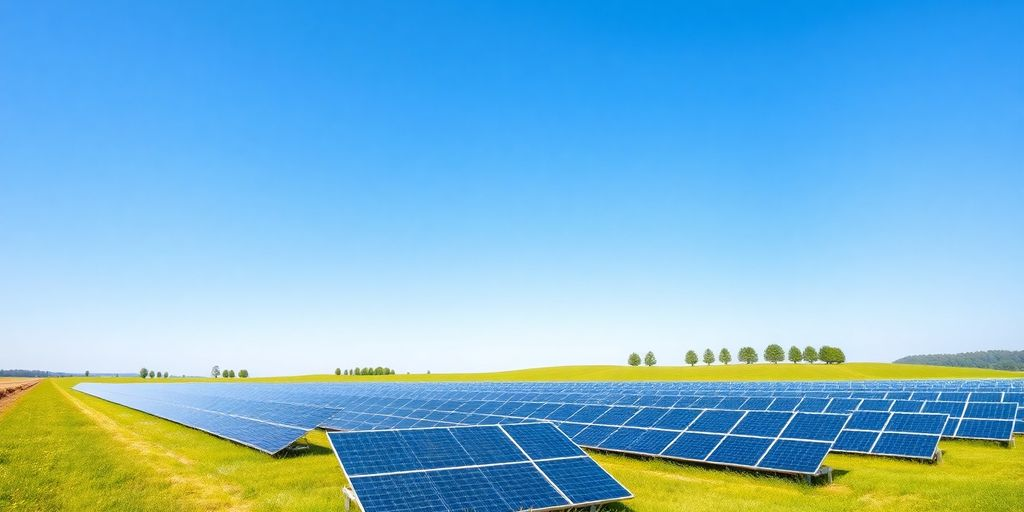
When Ground Mounts Make Sense
Alright, so your roof is not perfect. Maybe it faces the wrong direction, or there is too much shade, or you just don’t like how solar panels look up there. That’s the problem addressed by ground-mounted solar panels.
They’re essentially solar panels on a stand that you’d place on the ground, and they can be a good option if your roof is not cooperating. I look at them as an opportunity to get some solar if your house is not ideally suited. They’re particularly useful if you have a lot of land and want to maximize solar production.
Advantages of Ground-Mounted Systems
One of the greatest advantages of ground-mounted systems, in fact, is flexibility. I can change the angle and the direction of the panels to receive the maximum amount of sunlight, which is not always an option with grid-tied systems that are on a roof.” Plus, maintenance is way easier.
I never have to get on the roof to clean or fix them. Another factor to account for is that ground mounts can sometimes outperform rooftop systems because they have better ventilation, which keeps the panels cooler. Cooler is better when it comes to panels. Sure, ground systems can be more costly than roof systems, but the added flexibility and performance may be worth it to me.
Where Else Can You Install Solar Panels
Rooftops and ground mounts may be the most readily available form of home solar, but I’ve learned that there are other great places to put home solar in hot demand that homeowners tend to neglect. And if you don’t want, or are unable, to put panels up on your roof, these can be excellent alternatives.
Carports and Pergolas
I’ve seen some very imaginative solar installations on carports and pergolas. They make for a great surface on which to mount panels, so long as they are located in a sunny spot. Carports have the advantage of also shading your car, while pergolas can be a beautiful and useful means of producing power. And the newer, even lighter and more efficient panels make these niche installations more viable than they’ve ever been. It’s worth considering those choices if you’re searching for alternative best places for home solar.
Consulting with Solar Professionals
So you’ve given your panels some thought. Now what? Truthfully, this is where I believe it’s best to copy the pros. I’m saying, I can change a light bulb, but I ain’t rewiring my house, you know?
When Ground Mounts Make Sense
I love DIY where it makes sense, but solar panel installation? That’s not a job for an inexperienced person. A good solar installer will take into account your most up-to-date property situation, all that roof orientation and shading, and local regulations, and all that.
They’ll also be familiar with the local permitting and solar incentives, which can save you a lot of money and a substantial headache. Also, they can assist you in determining the appropriate size system for your home.
Advantages of Ground-Mounted Systems
What I’ve been taught is that not all installers are created equal. Do your homework! Obtain quotes from a couple of different companies, read reviews, and ensure they are licensed and insured. Find out how long they’ve been doing it, what they stand by, and how they install floor-covering.
Don’t be scared to ask hard questions, it’s your money, for heaven’s sake. A great installer will welcome your questions and explain in plain English (or whatever language you prefer!). They can also help you leapfrog over your electric competitors by netting you savings beyond fossil fuels. For more tips, see understanding solar panel financing and payment options.
Carports and Pergolas
Honestly, I would not even try to put in my solar panels. It’s simply too complicated and too risky. I’d rather pay someone else who knows what they’re doing and can stand behind their work. And if anything were to go wrong, I have someone to call. The peace of mind is worth a lot to me. They can also assist with solar panel sizing for a home.
Frequently Asked Questions
Should I consult my HOA before I put solar panels on my house?
It’s wise to consult with your homeowners’ association (HOA) before you install solar panels. Some homeowners’ associations have guidelines about what the panels may look like or where they can be placed. You want to ensure that your plans are in line with their rules to prevent any future issues.
Where are the solar panels ideally placed?
While solar panels are best situated on your roof, especially one that faces south, other locations are possible. This is so that they get the most sunlight over the day. But if your roof isn’t right, ground mounts or even carports can also be used.
Must solar panels be tilted?
Yes, solar panels have to be tilted to capture the most sun. If they are flat, they won’t receive as much energy. The specific tilt will vary depending on where you are and the time of year, but your installer can calculate it for you.
Do solar panels save you money?
Definitely! Solar panels can mean big money when you consider them over time. And, there are often tax breaks and other programs that can help make them more affordable up front. It’s an investment that is good for both your wallet and the planet.
How long does it take to put in solar?
The length of time it takes to install solar panels may change. For a normal household, it could be anywhere from a few days to a week. This involves an inspection of your home, obtaining permits and then the installation itself. Your solar company can be more specific about the timeline.
How do I begin getting solar panels?
Here’s what I would say to that in two parts: First of all, I recommend finding a good solar company. They’ll come to your house and inspect everything, such as how much sun your house receives and the best locations. They can also talk you through all of the steps and potential costs.