I’ve been looking into residential solar panels a lot lately, and it’s pretty wild how they work. It’s not just about slapping some panels on your roof and suddenly having free electricity. There’s a whole process behind it, from how sunlight turns into power to what happens when the sun isn’t shining. If you’re like me and curious about how residential solar panels work, stick around. I’m going to break down the basics of how these systems operate and what you need to know.
Key Takeaways
- Solar panels turn sunlight into electricity using something called the photovoltaic (PV) effect.
- The electricity from the panels is direct current (DC), and it needs to be changed into alternating current (AC) by an inverter for your home to use it.
- Excess solar energy can either go into batteries for later use or be sent back to the main power grid.
- When you send extra power to the grid, you often get credits that can help lower your electricity bill.
- Things like how much sun your panels get, their angle, and even the temperature can affect how well they work.
How Residential Solar Panels Work
Okay, so you’re thinking about getting solar panels? Awesome! Let’s break down how these things work. It’s not magic, though it might seem like it at first. Basically, solar panels take sunlight and turn it into electricity that you can use to power your home.
The key is something called the photovoltaic effect. Think of it like this: sunlight is made up of tiny particles called photons. When these photons hit the solar panel, they knock electrons loose from the atoms in the panel’s material (usually silicon). These loose electrons then flow through an electrical circuit, creating electricity. It’s like a tiny, sun-powered power plant right on your roof!
So, how does solar panel technology do this? Well, the panels are made up of many individual solar cells. Each cell is relatively small, but when you put a bunch of them together, they can generate a significant amount of power. The cells are sandwiched between protective layers to keep them safe from the weather. They also have an anti-reflective coating to help them absorb as much sunlight as possible. The sun makes the molecules on the road’s surface move faster and become warmer. With solar panels, the sunlight doesn’t make them hotter. Instead, the sunlight is absorbed by the cells and transformed into something useful: electricity.
Once the solar panels generate electricity, it’s in the form of direct current (DC). But most of our homes use alternating current (AC). That’s where the inverter comes in. The inverter takes the DC electricity from the panels and converts it into AC electricity that your appliances can use. It’s a pretty neat trick, if you ask me. If you add battery storage, you can integrate it to store excess power and create your microgrid.
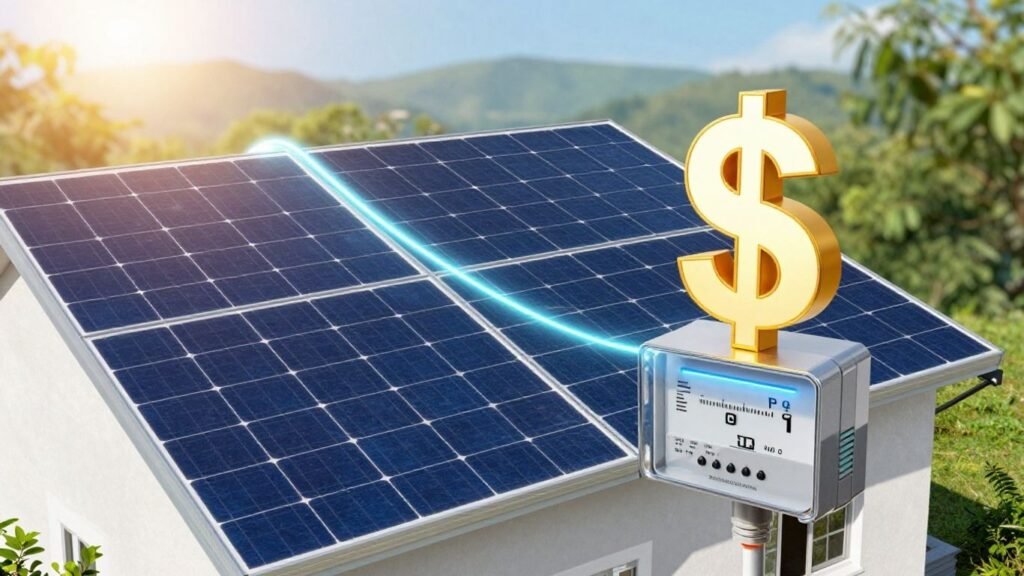
And what happens to any extra electricity that your panels generate? Well, if you’re connected to the grid, you can sell that electricity back to the power company! This is called net metering, and it can help you offset the cost of your solar panels.
Or, if you have a home battery storage system, you can store that extra electricity for later use, like at night when the sun isn’t shining. It’s all about maximizing your energy independence and saving money on your electricity bill. Solar panels perform best when they are directly facing the sun and are often tilted to increase efficiency. This allows them to garner the sunshine most efficiently, even on cloudy days.
Components of a Residential Solar System
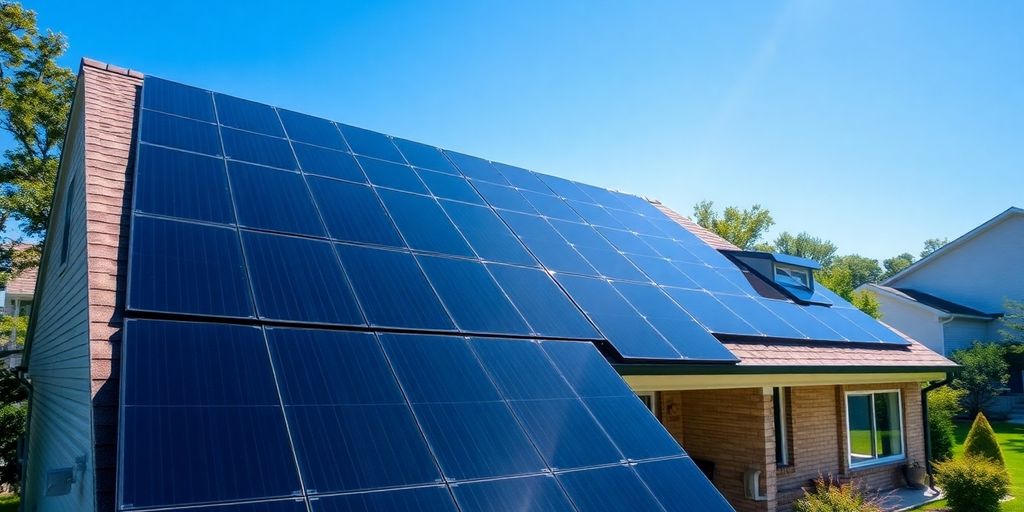
When I decided to get solar panels, I was honestly a bit overwhelmed by all the different parts involved. It’s not just the panels themselves! Here’s a breakdown of what makes up a typical residential solar system.
Solar Panels
These are the stars of the show. They’re what capture sunlight and convert it into electricity. There are different types, like monocrystalline, polycrystalline, and thin-film. Each has its efficiency and cost. I ended up going with monocrystalline because they’re more efficient, which was important since I have limited roof space. You can set up a solar panel system with any of these panels.
Inverter
Solar panels generate direct current (DC) electricity, but our homes use alternating current (AC). That’s where the inverter comes in. It takes the DC electricity from the panels and converts it into AC electricity that we can use to power our lights, appliances, and everything else. There are different types of inverters, like string inverters and microinverters. String inverters are more common and cheaper, but microinverters are installed on each panel and can optimize performance individually.
Mounting System
This is what physically attaches the solar panels to your roof. It needs to be sturdy and secure to withstand wind, rain, and snow. The mounting system is designed to be compatible with different roof types, like asphalt shingles, tile, or metal. I had to make sure mine was properly installed to avoid any leaks or damage to my roof.
Electrical Wiring
All the components need to be connected with proper electrical wiring. This includes wiring from the panels to the inverter, and from the inverter to your home’s electrical panel. It’s important to use the correct gauge of wire and follow all electrical codes to ensure safety. I left this part to the professionals!
Monitoring System
Many solar systems come with a monitoring system that allows you to track your energy production. This can be a simple display or a more sophisticated app that shows you real-time data. It’s cool to see how much electricity your panels are generating and how much money you’re saving. Plus, it can help you identify any problems with your system. You can transform your home’s electricity usage with solar panels.
Battery Storage (Optional)
If you want to store excess solar energy for later use, you can add a battery to your system. This is especially useful if you live in an area with frequent power outages or if you want to reduce your reliance on the grid. Batteries can be expensive, but they can provide peace of mind and increase your energy independence.
Net Meter
If you’re connected to the grid, you’ll likely have a net meter installed. This meter measures the amount of electricity you’re sending to the grid and the amount you’re taking from the grid. This allows you to get credit for any excess solar energy you generate. Through net metering, you can offset the cost of electricity you use at night or on cloudy days.
Types of Solar Panels Used in Homes
When I started looking into solar panels for my place, I quickly learned there’s more than one type out there. It’s not a one-size-fits-all kind of deal. The main types you’ll run into are monocrystalline, polycrystalline, and thin-film. Each has its own set of pros and cons, so it’s worth understanding the differences before you make a decision. I found that understanding the different solar panel system connectivity options is also important.
Monocrystalline Solar Panels
These are generally considered the premium option. They’re made from a single crystal of silicon, which gives them a uniform look and better efficiency. Because of their higher efficiency, monocrystalline panels are a good choice if you have limited roof space. They tend to be a bit pricier, but you get more power per square foot. They also tend to appear darker in color, often black or dark grey.
Polycrystalline Solar Panels
Polycrystalline panels are made from multiple silicon fragments melted together. This makes them a bit less efficient than monocrystalline panels, but they’re also more affordable. They have a slightly speckled, blueish appearance. If you’re on a tighter budget and have plenty of roof space, polycrystalline panels might be a good fit. They represent older solar technology.
Thin-Film Solar Panels
Thin-film panels are different altogether. Instead of silicon wafers, they use a variety of materials deposited onto a substrate. They’re flexible and lightweight, but they’re also the least efficient of the three types.
This means you’ll need more of them to generate the same amount of power. Thin-film panels are often used in large-scale solar farms or integrated into building materials. They offer the sleekest appearance and blend in easily on roofs. I’ve also read about how the sun makes the molecules on the road’s surface move faster and become warmer, but with solar panels, the sunlight is absorbed by the cells and transformed into electricity.
Solar Panel Efficiency and Output
When I first started looking into solar panels, the numbers seemed confusing. What’s efficiency? What’s the output? How do they relate to each other? Let me break it down based on what I’ve learned.
Understanding Solar Panel Efficiency
Efficiency, in simple terms, tells you how well a solar panel converts sunlight into electricity. A higher efficiency rating means the panel can produce more electricity from the same amount of sunlight. Solar panels typically range from 15-20% efficient, with some of the best pushing past 23%.
So, if you have limited roof space, a higher efficiency panel might be worth the extra cost. If you have ample roof space, you might be able to get away with lower efficiency panels. It’s all about balancing cost and space. Solar engineers use satellite imagery to determine the best placement for optimum solar panel efficiency for your home.
Factors Affecting Output
Several things can impact how much electricity your solar panels generate. Temperature plays a big role; solar panels operate best between 59 and 95 degrees Fahrenheit. Shading is another big one. Even partial shading can significantly reduce a panel’s output.
Orientation and angle matter too; panels perform best when they’re directly facing the sun. The type of solar panel also matters. Monocrystalline panels tend to perform better in high temperatures and shady conditions, while polycrystalline panels are less efficient at higher temperatures.
Here’s a quick comparison:
| 🔧 Feature | ☀️ Monocrystalline | 🔷 Polycrystalline |
|---|---|---|
| Appearance | Black / Dark Grey | Blue |
| Temperature Performance | Performs well in heat and shade | Less efficient in high temps |
| Cost | 💲 Higher upfront investment | 💵 More budget-friendly |
How Much Energy Can You Expect?
It’s tough to give an exact number because it depends on so many factors, like your location, the angle of your roof, and the type of panels you choose. But generally, a typical residential solar panel might produce around 250 to 400 watts of power under ideal conditions. To figure out how many panels you need, you’ll need to estimate your energy consumption and factor in these variables. Don’t forget to consider how solar panels can reduce electricity bills and potentially increase your home’s value.
Residential Solar With Battery Storage
Okay, so let’s talk about solar panels with battery storage. It’s a game changer. Instead of just sending extra power back to the grid, you can store it for later. Think of it as your own personal power plant, ready to go when you need it.
Pairing solar panels with battery storage gives you more control over your energy usage.I think the biggest advantage is having power when the grid goes down. No more fumbling for candles during a storm! Plus, if your utility company doesn’t offer great net metering policies, storing your energy becomes even more appealing.
You’re not relying on them to give you fair credit for the excess power you generate. It’s all about energy independence, and I’m all for that. You can even manage and prioritize power loads in your home with innovative tools for your circuit breaker panel.
Get Your Free Solar Quote
See how much you could save with solar energy. Fast, easy, and free!
Request a QuoteI’ve been looking into different battery options myself, and it’s pretty cool how far the technology has come. It’s not just for off-grid living anymore; it’s a smart way to transform your home electricity usage and be more sustainable. Plus, you can get an installation quote today!
Grid-Tied vs. Off-Grid Solar Systems: Which is better for your Home
Choosing between a grid-tied and off-grid solar system is a big decision, and it really boils down to your lifestyle, location, and energy needs. Both have their pros and cons, and what works for one person might not be the best for another. I’ve spent some time looking into both, and here’s what I’ve learned.
Grid-Tied Solar Systems
Most homes with solar panels use grid-tied systems. These systems connect your solar panels to the local utility grid. This means you can use the electricity your panels generate during the day, and when you need more power (like at night), you can pull it from the grid. One of the benefits of grid-tied systems is net metering.
If your panels produce more electricity than you’re using, that extra energy gets sent back to the grid, and you get credit on your bill. It’s like the power company is buying your excess energy. This can significantly reduce your electricity costs.
Plus, you don’t have to worry about running out of power, because you always have the grid as a backup. It’s a pretty convenient setup, and it’s why so many people go this route. You can transform your home electricity usage and save money.
Off-Grid Solar Systems
Off-grid systems are a whole different ballgame. These are completely independent of the utility grid. This means you rely solely on the energy your solar panels generate. Because of this, off-grid systems almost always include battery storage. The batteries store the excess energy your panels produce during the day, so you can use it at night or on cloudy days.
Off-grid systems are great if you live in a remote area where it’s hard to get grid access, or if you just want to be completely self-sufficient. However, they can be more expensive upfront because you need to buy batteries, and you have to make sure your system is sized correctly to meet all your energy needs. It’s a bigger commitment, but for some people, the independence is worth it. You can create your microgrid and be independent.
Which is Right for You?
Deciding between grid-tied and off-grid depends on your situation. If you’re in a typical suburban or urban area with reliable grid access, a grid-tied system is probably the way to go. It’s simpler, more cost-effective, and you get the benefit of net metering.
On the other hand, if you’re in a rural area or if you’re really committed to energy independence, an off-grid system might be a better fit. Just be prepared for the higher upfront costs and the extra maintenance that comes with batteries. Think about your energy needs, your budget, and your priorities, and that should help you make the right choice. Remember that solar helps the environment by reducing your carbon footprint.
Monitoring Your Residential Solar System
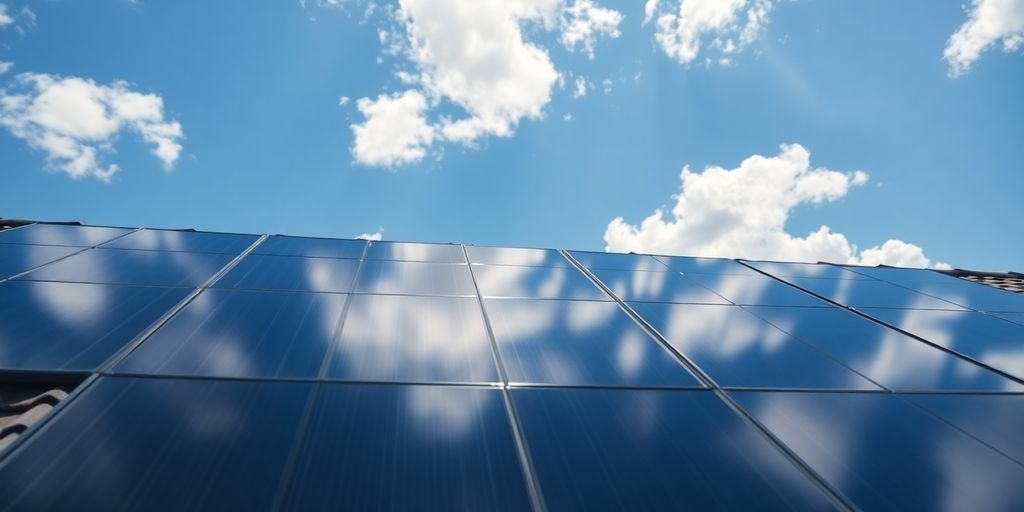
Okay, so you’ve got solar panels. Awesome! But how do you know they’re doing their job? That’s where monitoring comes in. I’ve found that keeping an eye on my system’s performance is super important, not just for peace of mind, but also to catch any potential problems early on.
It’s like checking the oil in your car; a little bit of attention can save you from bigger headaches down the road. I’ve learned that there are a few different ways to do this, from simple visual checks to more sophisticated tech solutions.
I rely on a monitoring app to track my solar system’s performance. It’s convenient to see how much energy I’m generating, how much I’m using, and how much I’m sending back to the grid. This helps me understand my energy consumption patterns and make adjustments to maximize my solar investment.
I also check the inverter display every now and then. It gives me a quick snapshot of the system’s current status. If I notice anything unusual, like error messages or significantly lower production than expected, I know it’s time to investigate further.
Sometimes it’s just a matter of cleaning the panels, but other times it might indicate a more serious issue. I also find it useful to compare my energy bills from before and after installing solar. It’s a tangible way to see the financial benefits of going solar and track my home electricity usage.
Solar Maintenance and Lifespan
Okay, so you’ve got solar panels. Now what? It’s not like you can just forget about them. Luckily, solar panels are pretty low-maintenance, but there are still a few things I do to keep mine running smoothly and efficiently for as long as possible.
Regular Cleaning
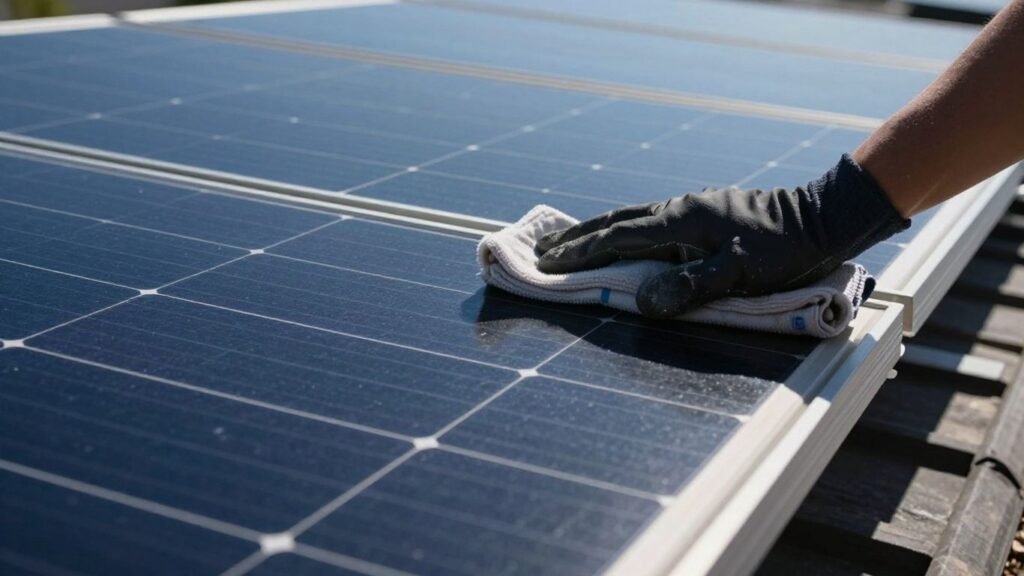
Honestly, this is the biggest thing. Dust, dirt, pollen, and bird droppings – all that stuff can build up on your panels and block sunlight. I usually try to clean my panels a couple of times a year. I just use a soft brush and some water.
Don’t use anything abrasive, and definitely don’t use harsh chemicals. You don’t want to scratch or damage the surface of the panels. If you’re not comfortable getting up on the roof, you can hire a professional cleaning service. It’s worth it to maintain optimal solar panel efficiency.
Inspections
I also make sure to visually inspect my panels every now and then. I’m looking for things like cracks, loose wiring, or any other obvious damage. If I see anything that looks suspicious, I call a qualified technician to take a look. It’s better to catch small problems early before they turn into big, expensive ones.
Monitoring Performance
Most solar systems come with some kind of monitoring system that lets you track how much electricity your panels are generating. I check mine regularly to make sure everything is working as it should be. If I notice a sudden drop in performance, that’s a sign that something might be wrong.
Inverter Maintenance
The inverter is a critical part of your solar system. It converts the DC electricity from your panels into AC electricity that you can use in your home. Inverters typically have a shorter lifespan than the panels themselves, so you’ll probably need to replace them at some point. I keep an eye on my inverter’s performance and follow the manufacturer’s recommendations for maintenance.
Lifespan Expectations
Solar panels are a long-term investment. Most high-quality panels are designed to last for 25-30 years, and some can even last longer. However, their output will gradually decrease over time. This is called degradation. Typically, panels degrade by about 0.5% per year. So, after 25 years, they might only be producing 80-85% of their original output. Still, that’s a pretty good return on investment, in my opinion.
Can you explain how solar power works using the photovoltaic effect?
Solar panels make electricity from sunlight using something called the ‘photovoltaic effect.’ This happens when tiny bits of light from the sun, called photons, hit a special material (usually silicon) inside the solar panel. When these photons hit the material, they make electrons move around. These moving electrons then create an electric current, which is what we use as electricity.
How does my solar system work when it’s dark outside?
Solar panels need sunlight to make electricity, so they don’t work at night. However, during the day, your solar system usually makes more electricity than you need. This extra power can be stored in batteries for you to use later, or it can be sent to the local power grid. When it goes to the grid, you often get credit for it, which can help cover the cost of electricity you use at night or on cloudy days.
What are solar panels made of?
Solar panels are made of many smaller parts called solar cells. These cells are usually made from silicon, which is a material that can turn sunlight into electricity. Each cell is pretty small and only makes a little bit of power on its own.
How does a solar panel system deliver power to my house?
When sunlight hits a solar panel on your roof, the panel changes that energy into direct current (DC) electricity. This DC electricity then travels to a device called an inverter. The inverter’s job is to change the DC electricity into alternating current (AC) electricity, which is the type of power that all the appliances in your home use. It’s a pretty simple and clean way to get power!
What happens if my solar panels make more electricity than I need?
If your solar panels make more electricity than you’re using, that extra power can be sent back to the main power grid. When this happens, you often get a credit for that power, which can help lower your electricity bill.
This means you can use that credit to draw power from the grid when your panels aren’t making enough, like at night or on cloudy days. Some places even have programs where the electric company pays you for the extra power you send to the grid.