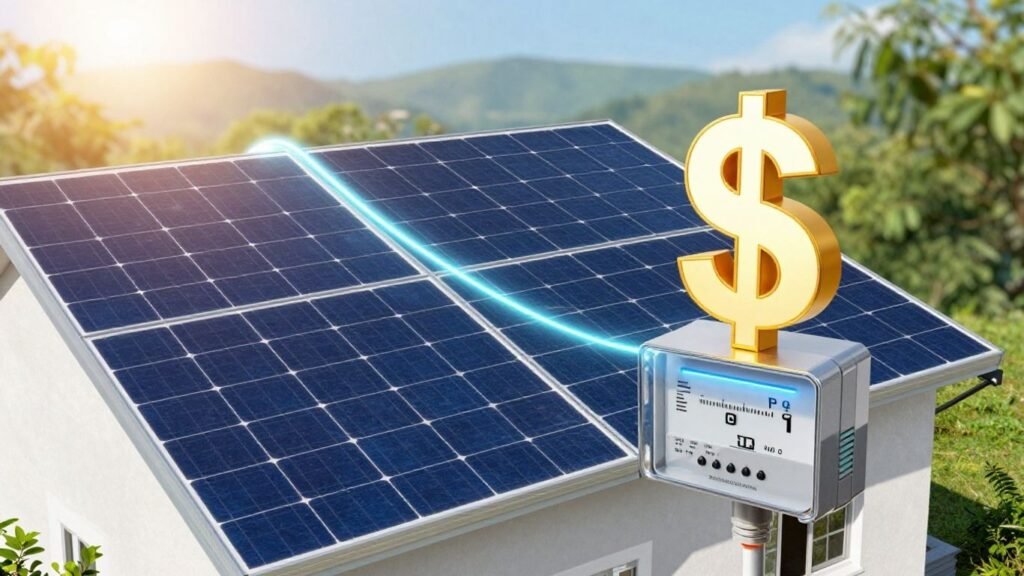
I’ve been looking into solar panels for my own home in Massachusetts, and let me tell you, the costs can seem a bit overwhelming at first glance. My electric bills have been creeping up, and I’m tired of just accepting it. So, I started digging into what it actually takes to get solar panels installed here in 2026.
It turns out, there are a bunch of things that affect the final price, from how big a system you need to the type of panels and even how complicated the installation will be. I’m going to break down what I’ve learned about the Solar Panels Cost in Massachusetts, including the incentives that can make a big difference.
Key Takeaways
- The average cost for solar panels in Massachusetts in 2026 is around $3.09 per watt, meaning a typical 10.78 kW system could cost about $33,297 before incentives.
- System size is a major factor; larger systems cost more overall but often have a lower cost per watt.
- Don’t forget to factor in installation complexity, roof condition, and the specific type and quality of solar panels you choose.
- Massachusetts offers powerful state solar incentives in 2026 — including the SMART 3.0 program (fixed payments for 10 years), a $1,000 state income tax credit, a 20-year property tax exemption, and a full sales tax exemption on all solar equipment. The federal 30% ITC expired December 31, 2025 and no longer applies to new installs, but Massachusetts state programs alone can still cut your net cost by $8,000–$15,000.
- While the upfront cost can be high, solar panels are a long-term investment that can lead to substantial savings on electricity bills over their 25-30 year lifespan.
Understanding the Factors Influencing Solar Panel Costs in Massachusetts
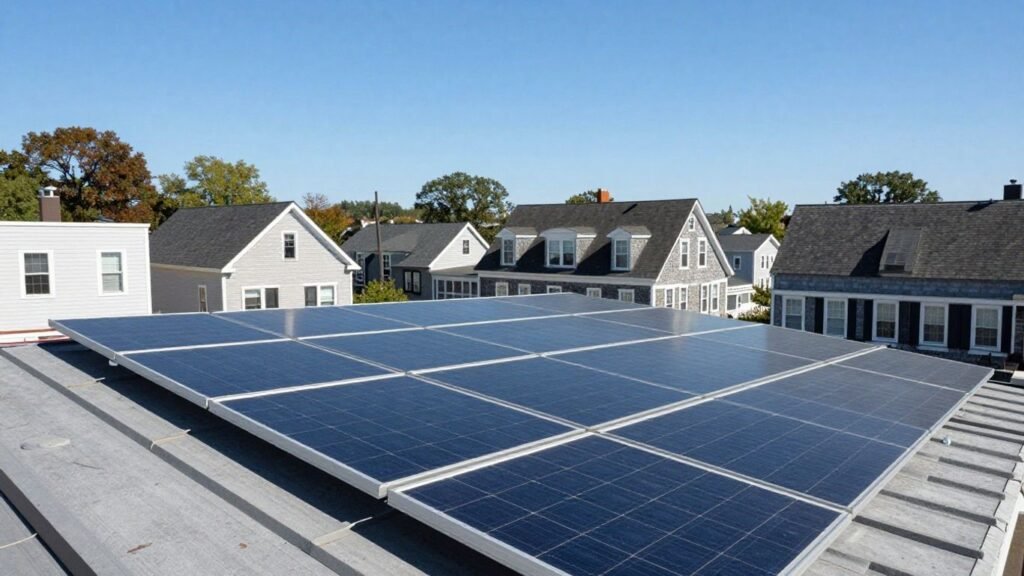
So, you’re thinking about going solar in Massachusetts? That’s great! But before you get too far, it’s important to get a handle on what actually goes into the price tag. It’s not just a one-size-fits-all situation, and I’ve found that understanding these details really helps when I’m looking at quotes.
System Size and Energy Needs
This is most likely the largest cost contributor. How much electricity do people really use? I glanced at my past utility bills to get a rough idea of how much I spent on both an average month and year. The more the power, the larger system you need and that means more panels and a higher overall cost. It’s a pretty direct relationship, but it’s what you need to solve first. The size of your system has a linear correlation to the total expense.
Type and Quality of Solar Panels
After all, not every solar panel is the same, and that’s where quality really starts to factor in. You will find various brands and types of panels out there. Some are more effective, generating more power from the same amount of sunlight. Others may be more durable, or offer longer warranties.
While more expensive panels at the outset could save you more cash in the long run because they perform better and last longer. Prices, I’ve found, can vary significantly based on the manufacturer and what specific technology is employed.
Installation Complexity and Roof Characteristics
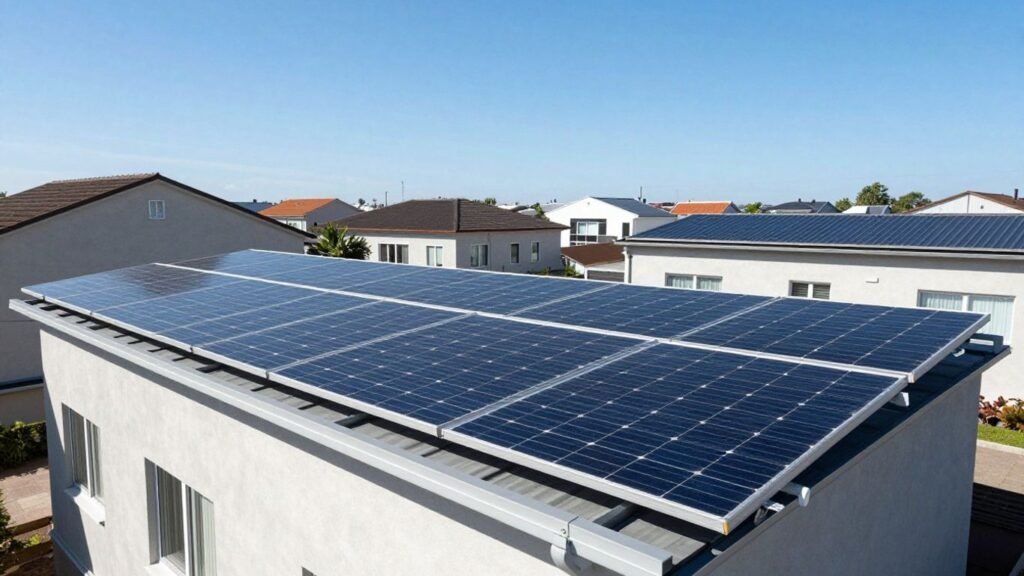
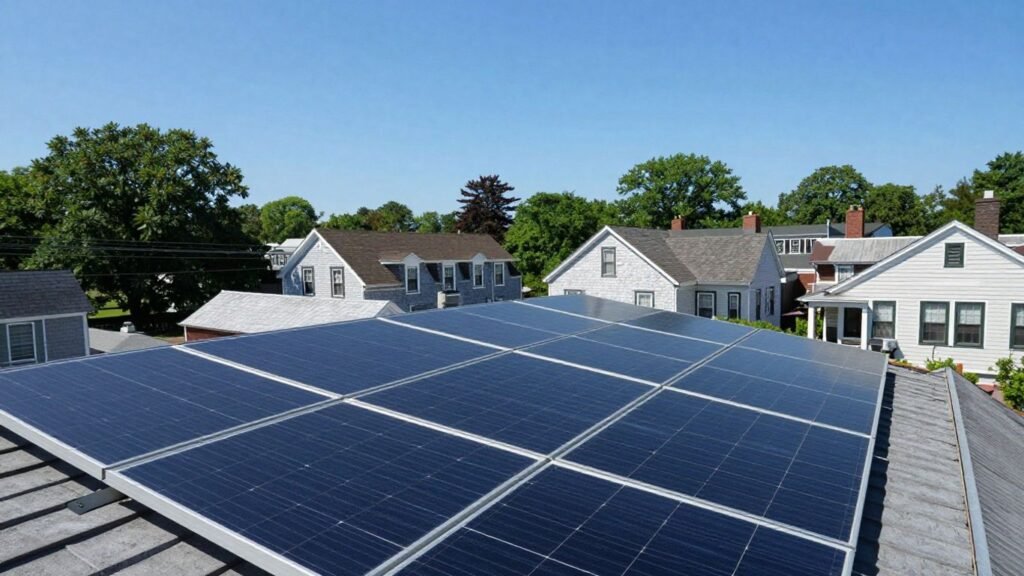
Here’s where things will be a little more complicated. Your roof’s condition and types matter a great deal. If your roof is old and due to be reroofed soon, that’s a job you should consider doing we won’t know years or decades later, according to experts, before installing solar panels. You really don’t want to have to pay for tearing out and reinstalling panels simply because your roof failed. And the size and shape of your roof, as well as whether it has a lot of shade from trees or other buildings, factor into how many panels can be installed and how readily the job will go.
A straightforward, south-facing roof with no obstacles is typically the easiest and cheapest to work with. If you have complex rooflines or shade areas, the installation process could require more labor and specialized equipment, sending costs higher. It could be useful to get a good evaluation of your roof to know what you’re dealing with.
Inverter Technology
Beginning my research in solar, I never even considered inverters, and yet they are. The inverter takes DC electricity, which is what your panels generate, and turns it into AC electricity, the kind of power your home runs on. There are several primary types: string inverters, microinverters and power optimizers. String inverters are usually the least expensive solution, but if a panel in the
Average Solar Panel Costs in Massachusetts: A Breakdown
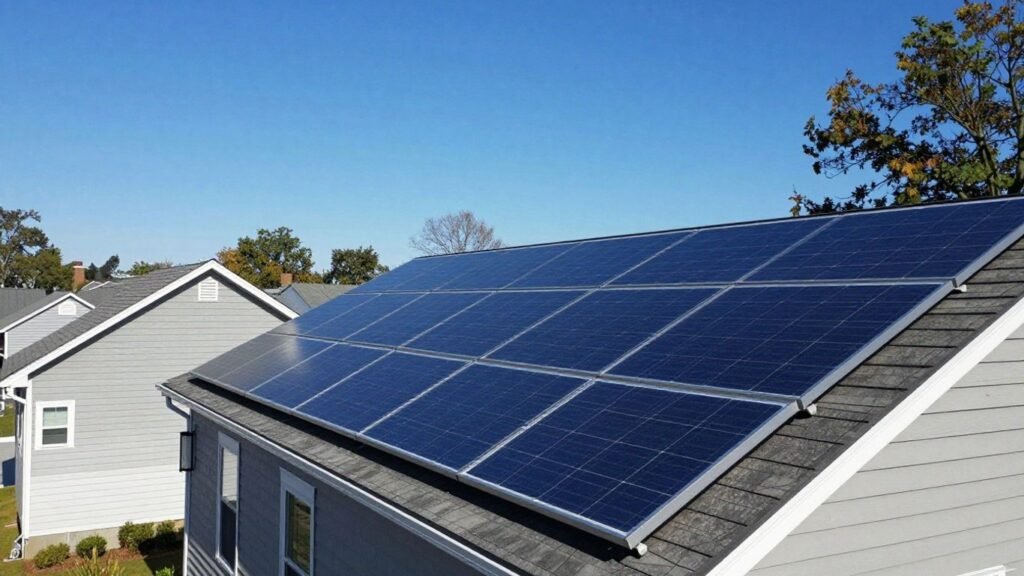
Alright, but you’re interested in the nitty gritty now, aren’t you ̬ that is $/watt figures (relative to costs for solar in Massachusetts five years from now. That’s a good question and, frankly, there is no easy one-size-fits-all answer. I’ve been researching the MA solar installation costs and it seems like the average cost to install solar panels in Massachusetts that homeowners are paying isn’t uniform.
Cost per Watt Analysis
One of the best ways to compare solar power prices for MA is to first take a look at what solar costs in Massachusetts, and what the average HERS score is for the state. This is not the same size, but it does help level things off a bit. As of now, I’m seeing $3.09 a watt for an average installation in Massachusetts.”
And assuming a standard 10.78 kW system that’s pretty typical around here, you’re in the ballpark of $33,297 before any incentives from other sources. Mind you, this is just an average; some quotes might get as low as $28,302, while other quotes could go up to $38,292. It really depends on the particular system and installer.
Total System Cost Ranges
Now, when discussing the total costs of solar energy in Massachusetts systems, it is essential to keep in mind that size matters. A smaller system — for a smaller home, or someone who doesn’t use a ton of electricity — will obviously cost less. For example, a 5 kW system could cost you about $15,439. Lower prices are also available for 3- and 4-kilowatt systems, but if you want a bigger system to cover more of your energy use, the price increases accordingly.
Here’s a general idea of what you might expect for different system sizes:
| System Size (kW) | Estimated Cost Range (Before Incentives) |
|---|---|
| 5 kW | $15,439 – $17,000 |
| 7 kW | $21,615 – $23,500 |
| 10 kW | $30,878 – $33,500 |
| 12 kW | $37,000 – $40,000 |
Of course, the price for solar power in New England can be affected by which installer you decide to work with, as well as the brand and make of your panels. Obtaining multiple residential solar quotes in Boston and surrounding areas is wise to paint the full picture of the cost of residential solar panels in MA.
And keep in mind — these numbers are only a baseline. The last cost of your solar install will be based on where you live and how much energy you use in your home. Keep in mind that potential savings from incentives can bring the upfront investment of equipment way down.
As you are comparing solar quotes in Massachusetts, it’s nice to have a baseline of what the market is pricing. This way you can compare bids you receive and come to an informed decision about your solar project.
Key Incentives and Rebates for Solar in Massachusetts
When I began researching solar for my own home here in Massachusetts, I saw that the upfront cost can look pretty high. But the truth is, as I dug into it, I realized there are so many ways to lower that cost. Massachusetts is apparently pretty good at helping homeowners make the switch.
Federal Solar Investment Tax Credit (ITC)
First up, there’s the elephant in the room: The Federal Solar Investment Tax Credit, or ITC. This is a game-changer. It allows me to take off 30% of the cost of my entire system from what I owe in federal taxes. So, if the system was $30,000 for me, I can deduct $9,000 from what I owe the I.R.S.
So when I file my taxes for the year it’s installed, I just take the credit. It’s an easy way to take a big bite out of the cost of going solar. Not only does this credit apply to the equipment, but also to the labor of installation, which is a nice benefit.
Massachusetts Solar Renewable Energy Certificate (SREC) Program
And then there’s the Massachusetts Solar Renewable Energy Certificate (SREC) program. This one’s a bit different. For each megawatt-hour (MWh) of electricity that my solar panels generate, I receive one SREC. Then I can sell these SRECs on the market. The price of SRECs will vary, yet do provide a consistent source of income over the years.
It’s essentially being paid for the clean energy I am creating. The state has a goal of expanding solar power, and this program contributes to that while giving homeowners like me another financial advantage. It’s an intelligent way of recouping some money depending on how your system performs. You can get more information about the SREC program at the Massachusetts Clean Energy Center website.
Local and Utility Rebates
In addition to the federal and state programs, I discovered that many local utilities — and even a few towns — have their own rebates or other incentives. These can vary quite a bit. It’s possible some will provide a flat dollar amount off the installation, while others may have specific programs that are connected to energy efficiency.
It is definitely something I will want to see if my particular utility company can offer. The cost of a bunch of this local Massachusetts solar-value incentive can sometimes add up to several hundred or thousand dollars in savings,” which, you know, is pretty great when you’re trying to make numbers work. These Massachusetts solar incentives really add up.
So, Should You Go Solar in Massachusetts?
Having looked at all those numbers, I have to say that going solar in 2026 for many homeowners here in Massachusetts looks like a pretty smart thing to do. The upfront cost can feel like a lot, especially when you read figures like $33,000 before anything comes through for you to look at (breathe!), but remember that this is an investment. Consider how much you now pay for electricity, and how such bills inexorably rise.
Solar panels can help you lock in your energy costs for decades. And with state and federal incentives, the net price ends up being far less. Estimates I have seen suggest homeowners can save tens of thousands of dollars over the life of the panels. It’s not a decision to be made lightly, certainly, and you’ll need to look up at your roof and get a couple of quotes, but the long-term savings and having the feeling that you’re manufacturing your own clean power? That’s pretty appealing to me.
Frequently Asked Questions
What’s the typical price for solar panels in Massachusetts in 2026?
By early 2026, you’ll be paying roughly $3.09 for every watt of solar energy you install. This typically comes to about $33,297 for a standard 10.78 kW system, not including any discounts or special offers. Prices can be anywhere from around $28,302 to just shy of $38,292, depending on the specifics.
How does the size of the solar system affect the cost?
Bigger solar systems naturally cost more because they have more panels. However, the price per watt often goes down when you buy in larger amounts. For example, a smaller 5 kW system might cost around $15,439, while a 10 kW system would be about double that price.
Are there any ways to lower the cost of solar panels in Massachusetts?
Yes, definitely! Massachusetts offers some great help. There is a federal tax credit that will pay for 30 percent of the cost. And the state has programs of its own, like the SREC program, where you can make money off of the clean energy your system generates. Some local utility companies might offer rebates as well.
How long does it take for solar panels to pay for themselves?
In Massachusetts, homeowners often see their solar panels pay for themselves in about 5 to 8 years. This is because electricity prices here are quite high, and the available incentives really help cut down the initial cost.
What if I can’t afford the upfront cost of solar panels?
And don’t worry if you can’t pay in a single sum! Many companies provide financing, even loans with zero money down, and see if the hiring of a water treatment system really is an effective proposition. If your monthly loan payment is less than your current electricity bill, you can save money starting from day one. There are also alternatives like solar leases or power purchase agreements, where you don’t own the system outright but still reap the savings.
Besides cost, what else should I think about when getting solar panels?
It is wise to take into account the age and condition of your roof since panels typically endure for 25 years or more. Also consider your roof’s surface area, how sunny it is, and which direction it faces. The shade cast by trees or buildings can influence how much power you generate. It’s also super important to find a good installer who can design a system that works well for your roof specifically.