So, I’ve been doing some research on solar panels as of late, and man, it’s a lot to take in! There is more to it than slapping some panels on your roof and calling it a day. There are different kinds, and the right options can make a big difference for your home and your wallet.
I am, why not share what I’ve learned? This article is all about breaking down the various kinds of solar panels so that you can better figure out which might be right for you. Let’s get into it!
Key Takeaways
- Sunlight is transformed into electricity by solar panels, pretty awesome, right?
- There are three common types of solar panels: monocrystalline, polycrystalline, and thin-film.
- Monocrystalline panels are generally the most efficient, but they’re more expensive.
- Polycrystalline panels are cheaper, but they have lower power output.
- Thin-film panels can be flexible, so they can be used in more places, but they are the least efficient.
What are Solar Panels
O.K., so what is a solar panel, then? When I first began to research this, I remember coming across a picture of it and being really confused. In a nutshell, solar panels are one of the most straightforward technologies for turning sunlight into electricity. You would probably just call them solar panels. Think of them as a chance to acquire on the home front moisture that the free sun can turn into something beneficial.
They contain many solar cells, which are those things that use materials to convert sunlight into electric current. When you stop and consider, it’s really cool. You can even mix and match solar with other energy sources in what’s called a hybrid solar system. Check out the basics of solar panels and how they generate electricity.
How do Solar Panels work
All right, so I bet you’re wondering: How do solar panels do what they do? It’s not magic, although it sort of feels like it when you watch your electric bill decrease. It’s all about something called the photovoltaic effect.
The solar panel itself consists of several photovoltaic (PV) cells. Those cells are tiny silicon sandwiches, and when sunlight hits them, it knocks electrons loose. The electrons zip through an electric circuit, creating electricity. This electricity begins in the form of direct current (DC), like that produced by a battery.
But the vast majority of homes are wired with AC. So you also need an inverter to convert the DC electricity that solar panels generate into the alternating current that powers lights, appliances, and everything else. Any electricity you have left over can even be given back to the grid, and sometimes you get paid for it! It’s a neat system, and solar energy can save the planet. Learn how to maximize your solar system’s output in how to maximize the efficiency of your home’s solar system.
Types of Solar Panels Explained
All right, so let’s look at the different types of solar panels. There’s not just one-size-fits-all; actually, there are a few different types of solar panel technology, each with its pros and cons. I’ll deconstruct the most prominent ones so you have a sense of what’s what. For an in-depth comparison, check out solar thermal vs. solar PV.
Monocrystalline Solar Panels
It is the most commonly perceived heavyweight maker as it should be. Monocrystalline: One pure crystal of silicon makes up monocrystalline panels. This means they will have a consistent appearance, usually a deep black. Due to its single-crystal structure, silicon tends to be better at converting sunlight to electricity. So you can ultimately get a lot of power from a small amount of space, which is useful if you’ve got a tiny roof! The downside? They are usually more expensive than other varieties.
Polycrystalline Solar Panels
Polycrystalline panels are formed by melting together multiple fragments of silicon. This is a less expensive manufacturing process, so these panels are also less expensive. You can usually identify them because they appear slightly blue and speckled.
Unsure which solar panels are right for your home? Explore our detailed guide on polycrystalline vs. monocrystalline solar panels to compare efficiency, cost, and performance.
Though less efficient than monocrystalline panels, that lower efficiency is less of a big deal because of their cost difference, making polycrystalline an increasingly attractive option for many homeowners. You’re trying to balance cost versus efficiency and deciding between monocrystalline and polycrystalline solar panels.
Thin-Film Solar Panels
Thin-film panels are another animal. They do not involve silicon wafers but various materials (such as amorphous silicon, cadmium telluride, and copper indium gallium selenide) that are sprayed or poured onto a surface. Picture printing solar cells on a flexible material. They are far lighter and more flexible than silicon panels, and can even be made semi-transparent.
One downside to this type of thin-film solar cell is that they tend to be less efficient and break down more quickly than crystalline silicon panels, but they can also be less expensive to produce and are capable of being used in applications where flexibility or low weight is a concern. They are also more tolerant of heat. When it comes to comparing solar panel materials, thin-film solar has a different list of pros and cons. Curious about how panel materials affect your home? Learn more about is your home suitable for solar panels?
Key Factor to Consider While Going Green
So you’re thinking about going green — and let’s face it: who isn’t — by adding solar panels to your home? That’s awesome! But before you rush into it, there are a few things I think you should think about. Although yes, the planet thing too!), It’s also a matter of making a smart investment for your home and your wallet.
Number one, you should consider how much energy you need. How much energy do you use? Look at your past bills to get a sense of what you can use. This will help you determine what size system is right for you. Don’t take a chance – order the right size! Too little, and you won’t save very much. Too much, and you’re blowing good money on gear you don’t need. Check out how to calculate your home’s solar energy needs for help with the math.
Next, consider the environmental perks. Solar panels are seriously good, but the manufacturing has an impact. Seek companies that are candid about their sustainability efforts. Also, consider the life span of the panels and what happens when they have to be replaced. Recycling programs are more widespread than they used to be, but it’s something to keep in mind.
And, there’s the matter of price, of course. Solar panels are an investment, and you have to do the math. What’s the upfront cost? What are the long-term savings? Is there a government rebate or tax credit? And don’t forget the cost of maintenance. “Sometimes if you pay a little less upfront for a cheaper system, it can catch up with you down the road if it’s not as efficient or durable.” Learn about your options in understanding solar panel financing and payment options.
Finally, consider the ethical aspects. Are the panels produced in factories with reasonable labor practices? Are the materials sourced responsibly? These things may not be immediately apparent, but if you really want to make a difference, they are things that do matter that you need to consider. I know it may seem like a lot, but if you do some homework up front, you’ll feel good about the choice you’re making.
Pros and Cons of Solar Panels
Alright, so I’ve been researching solar panels for quite some time, and it’s not all sunshine and rainbows (pun intended!) Some of them are pretty great, but there are a few you would want to weigh up before diving in. It’s a big decision and I want to make sure I’m going in eyes wide open. Check out the pros and cons of solar energy for an excellent high-level overview.
Monocrystalline Solar Panels
Monocrystalline panels are frequently mentioned as the premium choice, and with good reason. They’re super efficient, so you can generate a lot of power in a small area. And they also tend to look pretty slick, which is a plus, if you care about aesthetics. And in addition to creating striking pieces and one-offs, they tend to endure a very, very long time, as in, 25 years or much, much more. But all that goodness does have a price. They are, in general, more costly than other panel types.
Pros
- Very efficient
- Sleek appearance
- Long lifespan
- Most powerful type
- Popular all over the world
Cons
- More expensive than other types
Polycrystalline Solar Panels
Polycrystalline panels are essentially the middle child of the solar panel family. They are less efficient than monocrystalline, but they are also cheaper. They’re composed of multiple pieces of silicon, so they look slightly less uniform. The cost is a big factor for me (and these seem like a pretty decent compromise). Sometimes the process of manufacture results in low yields, so bear that in mind. If you would like to save money, solar financing is available. For a closer look at solar panel longevity, read understanding solar panel warranties and lifespan.
Thin-Film Solar Panels
Thin-film panels are an affordable choice. They are created by depositing layers of very thin photovoltaic material on a substrate. This has them both flexible and lightweight, which can be fantastic for some applications. The downside? They are not very efficient, which means that you need much more space to produce the same amount of energy as other types of panels.
They are also less long-lived. I am not convinced they would be a great fit for my home, but they seem like a strong candidate for commercial or portable use. I’ve read that they’re not as heat-tolerant either, so if you’re in a warm climate, that’s something to think about. Considering the long-term effects of solar energy, add up the difference in cost between various low and high-tier panels. Learn more about alternatives in solar panel dimensions and whether they’ll work for your home.
Which are the best Solar panels for homeowners
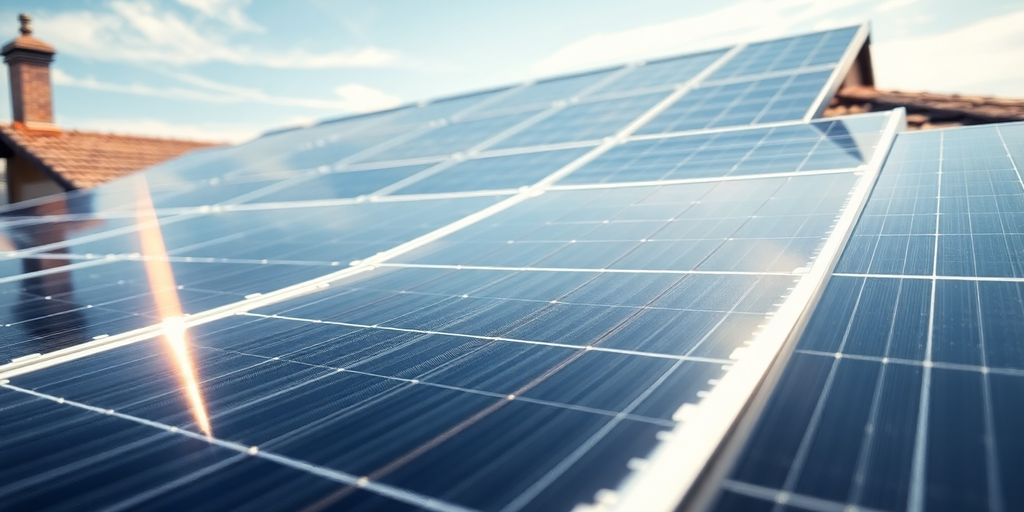
So you’re thinking of going solar. Great! But now the question becomes a little bit trickier: What kind of solar panels should you buy? It can be a puzzle of information, but I’m here to help deconstruct it for you. There isn’t one “best” answer to this; to be honest, it all depends on you. But I can offer you a few tips about what I’ve learned.
In many cases, the top choice for most homeowners will be monocrystalline panels. They’re often more efficient, too, and have a more modern, streamlined appearance, which can be a big plus. They tend to be a bit more expensive, though. While slightly less efficient, polycrystalline panels are less expensive and can still be effective. There are also thin-film panels, but again, I would steer you away from them for most home projects because of their reduced efficiency, unless you’ve got a curved roof or are installing on a recreational vehicle.
In the end, the best way to determine the best type of solar panels for your home is to request quotes from a few different installers. They’ll be able to evaluate your roof, energy demand, and budget to determine your best option. Feel free to ask as many questions as you want. For help getting started, check out Is solar energy worth it for your home?.
How much does a solar panel cost
Okay, let’s talk money. Understanding the cost of solar can be labyrinthine, but I’ll break it down. There’s a lot of what you pay depends on, too, like what type of panel you get. Each has its own set of pros and cons when it comes to the bottom line.
Monocrystalline panels are highly efficient and tend to be more expensive to buy upfront, but look sleeker. Polycrystalline panels are slightly more economical, but they may not be as efficient. Then there are thin-film panels, which tend to be the least expensive, but which need more space to produce the same amount of power. In preparation for that, I’ve been educating myself about solar financing options to make this changeover as smooth as possible.
Wondering how much solar might cost for your home? Dive into our guide on the cost of installing solar panels for a detailed look at prices, savings, and what factors influence your final investment.
Aside from the panels themselves, how you choose to pay is a big factor as well. You save the most money over time by buying with cash, and you get those sweet tax incentives. Sol-loans allow you to make payments, but interest will be involved. With solar leases, you’re essentially renting a solar system, and a PPA is an agreement to buy electricity generated by the solar panel system.
Here’s a quick look at average costs per watt:
Solar Panel Cost Comparison
| Panel (Module) Type | Average Cost per Watt |
|---|---|
| PERC | $0.32 – $0.65 |
| Monocrystalline | $1 – $1.50 |
| Polycrystalline | $0.70 – $1 |
| Copper indium gallium selenide (CIGS) | $0.60 – $0.70 |
| Cadmium telluride (CdTe) | $0.50 – $0.60 |
| Amorphous silicon (a-Si) | $0.43 – $0.50 |
And remember: These prices don’t account for installation. And then add installation and all the other expenses, and you’re looking at $2.50 to $3.50 per watt. And also, I’ve been hearing quite a bit about perovskite solar panel efficiency lately, and how that might change future cost calculations, so that might be something to also keep an eye on. It’s also fun to track how the price of solar systems has dwindled over the years.
Frequently Asked Questions
They can see all of the photosynthetic material, and they are wondering, just what is a solar panel?
A solar panel is, in other words, a device that collects sunlight and breathes it in and, moments later, breathes out electricity. Imagine it as a special plate that soaks in sunbeams, and then sends power out to your home. It’s composed of many smaller pieces called solar cells, to which the real magic happens.
How exactly does a solar panel generate electricity?
Solar panels function via something known as the photovoltaic effect. When sunlight strikes the special materials inside the panel, it knocks tiny particles, called electrons, free. These free electrons now begin to move, forming an electric current. The current is what we harness as electricity.
What are the different solar panels?
I’ll discuss the three primary types: Monocrystalline, Polycrystalline, and Thin-Film. Which is better depends on what you want.
What are Monocrystalline Solar Panels?
The monocrystalline panels are produced from one pure crystal. These are usually dark black and pretty sleek. They have a reputation for being super efficient, so people can get a lot of power out of one little corner of their home. They also have legs, as a species, and tend to stick around for quite a while. The only downside is that they can be a little pricier due to the way they are manufactured.
What are Polycrystalline Solar Panels?
Polycrystalline panels are constructed by melting silicon together in multiple parts. They usually look blue and spotted. They tend to be cheaper than monocrystalline panels because they are less complicated to manufacture and waste less material. On the other hand, they’re less efficient and consequently might require more room to produce the same amount of power.
What are Thin-Film Solar Panels?
Thin film panels are not quite the same, as they are created by adding a thin layer of material to a surface. They can be pliable and are commonly used for things such as solar-powered devices or on roofs that are not perfectly flat. They tend to be the least efficient of the three, but can be a huge help in some situations and are usually the most affordable.