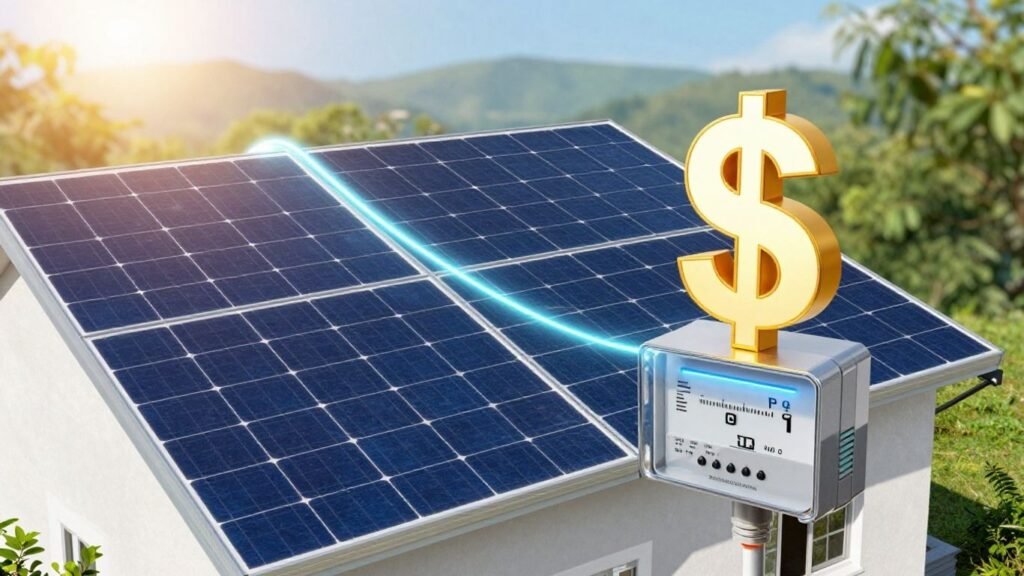
Understanding financing and payment options is crucial for investing in solar panels. Solar leases and loan options can feel overwhelming at first. Before committing, it’s important to understand solar panel financing. This helps you make the best choice for your energy needs and financial goals.
Key Takeaways
- Solar financing includes leases, loans, PPAs, PACE, and home equity options.
- Incentives like rebates, tax credits, and PPA benefits enhance solar affordability.
- Businesses enjoy tax credits and PPAs for cost-effective solar solutions.
- Community solar and virtual net metering offer shared benefits and cost savings.
- Test options based on savings potential, incentives, and financial goals.
Types of Solar Panel Financing
When considering solar panel financing, you have various options to choose from. One common option is a solar lease, where you pay a fixed monthly amount to use the solar panel system but do not own it.
You can also choose a power purchase agreement (PPA). With this option, you pay a set rate for the electricity the system generates. If you prefer to own the system, you can opt for a solar loan.
A solar loan helps you buy the system. You can usually take advantage of incentives or tax credits too.
Also, some lenders provide loans just for solar panels. These loans meet the special needs of buyers.
If you want to lower upfront costs, consider solar financing options. One option is the Property Assessed Clean Energy (PACE) program. This lets you pay for the system through property tax assessments.
Knowing your solar panel financing options helps you choose what fits your goals and needs best.
Solar Loan Options
You can explore solar loan options. Many financial solutions can help you own a solar panel system. Solar loans are a popular choice for those looking to finance their solar energy system.
With a solar loan, you can borrow the funds needed to purchase the solar panels outright. This allows you to own the system and benefit from the energy savings and incentives that come with it.
There are two main types of solar loans: secured and unsecured. Secured loans need collateral, like your home. This can lead to lower interest rates.
Unsecured loans don’t need collateral. However, they often have higher interest rates.
Compare loan terms, interest rates, and repayment options from various lenders. This helps you find the best fit for your finances.
When you consider a solar loan, also factor in the potential savings on your electricity bills. Also, check for any available incentives or tax credits. This lets you see how cost-effective it is to finance your solar panel system with a loan.
Solar Lease Agreements
If you don’t want to take a loan for your solar panel system, consider a solar lease instead. A solar lease lets you install solar panels on your property.
You don’t need to pay for the equipment upfront. Instead, you pay a fixed monthly amount to the solar company that owns the system.
This is a great choice for people who want solar energy but don’t want to pay upfront.
A key benefit of a solar lease is that the solar company handles maintenance and repairs. This means you won’t have to worry about additional costs if something goes wrong with the panels.
Some lease agreements let you buy the system at the end of the lease. This gives you a chance to own the panels.
It’s important to review the lease agreement carefully. Look out for escalator clauses. They can raise your monthly payments over time.
Compare the total costs of leasing and buying. This will help you find the option that makes the most financial sense for you.
Power Purchase Agreements (PPAs)
Considering a different way to finance your solar panel system? Power Purchase Agreements (PPAs) offer an alternative option worth exploring.
A PPA means a third-party provider puts in and looks after the solar panels on your property. You agree to buy the electricity the system produces at a set rate. This rate is usually lower than what you pay your utility company.
A key benefit of a PPA is that you avoid paying the upfront costs for buying and installing solar panels. You only pay for the electricity generated. This can lead to quick savings on your utility bills.
Also, the third-party provider owns the system. So, they handle maintenance and repairs. This means you don’t have to worry about it.
PPAs can be a great option for homeowners who want to go solar without the initial investment. It’s important to review the agreement terms. This will help make sure they fit your energy needs and financial goals.
Solar Rebates and Incentives
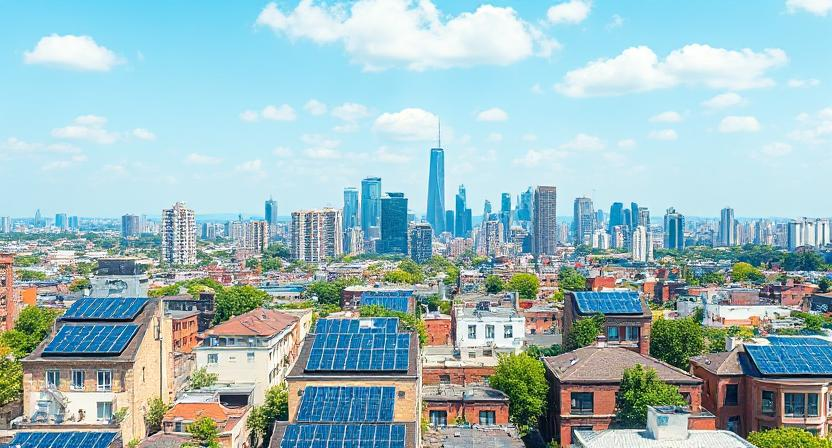
Many state and local governments offer incentives. Utility companies do too. These programs help homeowners switch to solar energy.
Rebates offer cash rewards. They usually depend on your solar system’s size or its expected energy output.
Incentives can include Renewable Energy Credits (RECs) or performance-based rewards. These rewards pay you for the energy your system generates.
Federal Tax Credits for Solar
Federal Tax Credits for Solar can reduce the initial cost of installing a solar energy system on your property. These credits are a great way to make solar power more affordable for homeowners like you.
Here’s why you should take advantage of them:
- Investment Tax Credit (ITC): The ITC allows you to deduct a percentage of the cost of installing a solar energy system from your federal taxes. Currently, the ITC covers 26% of the system cost, but this percentage is set to decrease in the coming years.
- Qualifying Criteria: To be eligible for the ITC, your solar energy system must be installed on your primary or secondary residence, and it must meet certain performance and safety standards.
- Claiming the Credit: You can claim the ITC when you file your federal tax return. If the credit exceeds your tax liability for that year, you can roll over the remaining balance to the following year.
- Long-Term Savings: Using federal tax credits reduces your upfront costs. This also helps you save money on energy bills over time.
Financing Through Home Equity
You can lower the financial barriers to installing solar panels in different ways. One option is to finance through home equity.
By leveraging the equity in your home, you can secure a loan specifically for solar panel installation. This option lets you pay for solar panels over time. This makes them easier to afford at first.
Home equity financing usually has lower interest rates than personal loans or credit cards. This can save you money over time. Additionally, the interest on these loans may be tax-deductible, providing further financial benefits.
Before choosing home equity financing, check your home’s equity. Also, review your current mortgage terms and the new loan terms.
Ensure you understand the repayment schedule, interest rates, and any associated fees.
Solar Panel Financing for Businesses
Considering solar panel financing for your business? Here are some key points to keep in mind:
- Tax Incentives: Businesses can take advantage of federal tax incentives. One key benefit is the Investment Tax Credit (ITC). This credit lets you deduct up to 26% of the cost when you install a solar energy system.
- Accelerated Depreciation: Businesses can quickly depreciate solar assets using the Modified Accelerated Cost Recovery System (MACRS). This means they can save a lot on taxes.
- Power Purchase Agreements (PPAs) let businesses install solar panels at little or no upfront cost. They buy the electricity from the system at a set rate. This rate is usually lower than standard utility prices.
- Solar Loans: Business owners can choose solar loans with flexible terms and competitive rates. This helps them finance solar panel installations while keeping ownership of the system.
These financing options make solar energy a smart choice for businesses. They help reduce operating costs and lessen environmental impact.
Community Solar Programs
Looking to harness the benefits of solar energy without the need for rooftop panels? Community solar programs might be the perfect solution for you.
These programs let many people enjoy a shared solar energy system, usually set up off-site. By subscribing to a community solar program, you can enjoy the advantages of solar power without the need for installation on your property.
Participants usually receive credits on their electricity bills based on their share of the energy produced by the community solar project.
Here is a breakdown of the benefits of community solar programs:
Benefits of Community Solar Programs1. No need for rooftop panels2. Shared solar energy system3. Receive credits on electricity bills4. Ideal for renters and homeowners without suitable roofs5. Environmentally friendly solution
Virtual Net Metering Options
If you want to use solar energy but don’t want to install panels, consider virtual net metering.
Virtual net metering lets you earn credits on your electricity bill. This is for energy generated by a solar system that’s not on your property. Here are four key points to understand about virtual net metering:
- Shared Solar Arrays: Virtual net metering enables multiple customers to benefit from a single solar array, making renewable energy accessible to a broader audience.
- Credit Allocation: The shared solar system generates credits. These credits go to participants based on their subscription level. This helps them save on electricity costs.
- Flexibility: Participants can join or leave the virtual net metering program easily. They don’t need solar panels on their property. This setup provides convenience and saves money.
- Environmental Impact: By supporting virtual net metering, you contribute to reducing greenhouse gas emissions and promoting sustainable energy practices in your community.
Conclusion
In conclusion, knowing about solar panel financing and payment options is key. This knowledge helps you make a smart investment in renewable energy. Explore financing options like solar loans, leases, and PPAs. Use incentives and rebates, too. This way, you can cut your carbon footprint and save money on energy costs over time. Think about your financial goals and what you prefer. This will help you pick the best option for your needs.
Frequently Asked Questions
Can I Install Solar Panels on a Rented Property?
You can potentially install solar panels on a rented property, but you must first get permission from the property owner. Discuss the benefits of solar energy with them and explore shared financing or leasing options.
What Happens to My Solar Panels if I Move?
When you move, you can either transfer your solar panels to your new home or negotiate with the new owners to keep the system. If you choose to leave them, they can add value to your property.
Are There Any Maintenance Costs for Solar Panels?
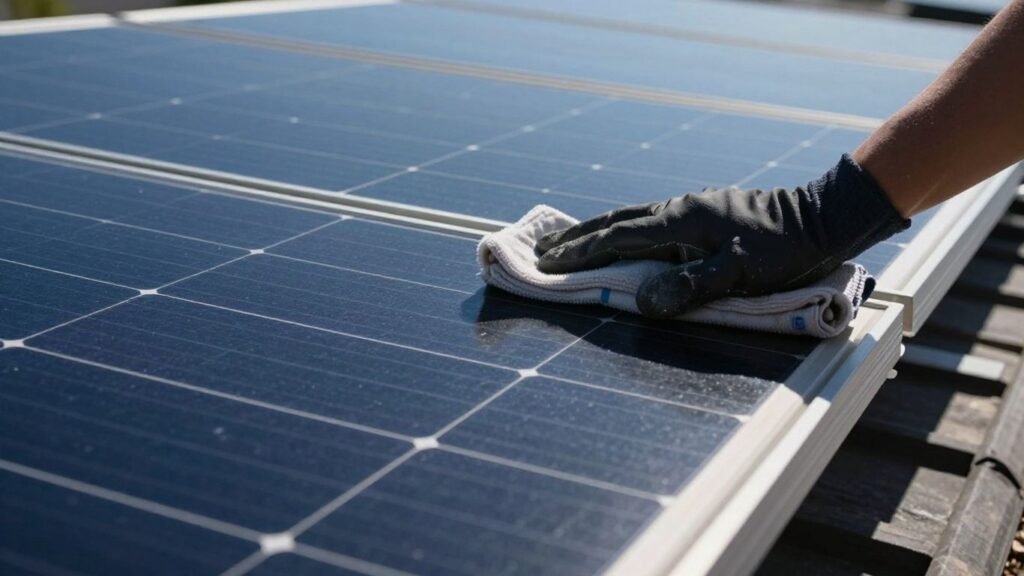
Yes, there are maintenance costs for solar panels. Regular cleaning, inverter replacements, and potential repairs may be needed. Ensuring your system functions efficiently is key. Proper maintenance can extend the lifespan and maximize energy production.
Is There a Minimum Credit Score Required for Financing?
You’ll need a minimum credit score for solar panel financing. Lenders often require a score of around 650 for approval. Maintaining good credit can help you secure better financing terms and options for your solar panel installation.
How Do Solar Panels Affect Home Insurance Premiums?
Installing solar panels may cause a slight increase in home insurance premiums due to the increased property value and potential risks. Contact your insurance provider to discuss specific details and any adjustments needed for coverage.