With its increasing efficiency and cost-effectiveness, solar energy has emerged as a frontrunner in the realm of renewable energy. The potential of harnessing the sun’s limitless power offers a promising solution to pressing environmental concerns and energy needs. But why is solar energy considered the future of renewable energy? The answer lies in its transformative impact on sustainability and the way we power our world.
Key Takeaways
- Solar energy is abundant globally, offering energy independence.
- Technological advancements enhance efficiency and affordability.
- Solar panels have no emissions, reducing air pollution.
- Economic benefits include savings, incentives, and property value increase.
- Solar power addresses energy demands sustainably, combating climate change.
Solar Energy: A Sustainable Solution
When it comes to sustainable energy options, solar energy stands out as a reliable and eco-friendly solution.
By harnessing the power of the sun, you can reduce your carbon footprint and contribute to a cleaner environment.
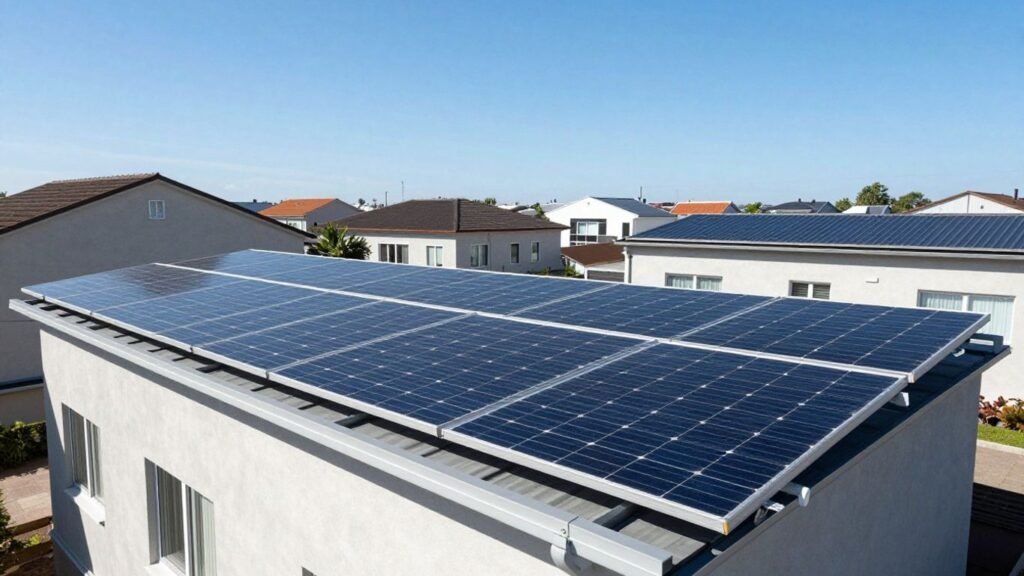
Solar panels convert sunlight into electricity, providing a renewable source of energy for your home or business.
The beauty of solar energy lies in its simplicity – no moving parts, no noise pollution, just clean energy generation.
With advancements in technology, solar energy systems have become more efficient and affordable, making it a practical choice for many.
Embracing solar power not only benefits the planet but also offers independence from traditional energy sources.
Make the switch to solar energy today and pave the way for a greener tomorrow.
Economic Benefits of Solar Power
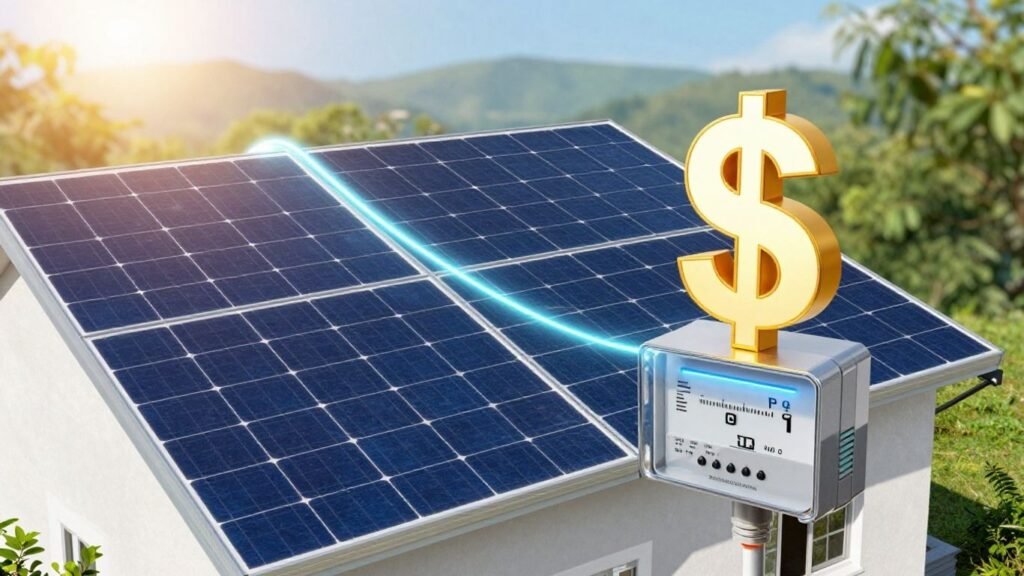
Considering the economic benefits of solar power, it’s clear that investing in solar energy can lead to substantial cost savings over time.
Initially, there are installation costs, but government incentives and decreasing solar panel prices make it more affordable.
Over the long term, solar power can significantly reduce or even eliminate electricity bills. By generating your electricity, you can protect yourself from rising utility costs.
Moreover, excess energy can be sold back to the grid through net metering programs, providing additional savings.
Additionally, solar panels increase property value, offering a return on investment if you decide to sell your home.
In essence, the economic advantages of solar power make it a wise financial choice for the future.
Solar Energy’s Global Accessibility
Accessible to people across the globe, solar energy is a renewable resource that holds immense potential for addressing the world’s energy needs.
Four reasons why solar energy is globally accessible are:
- Abundance: The sun is a limitless source of energy available to all countries.
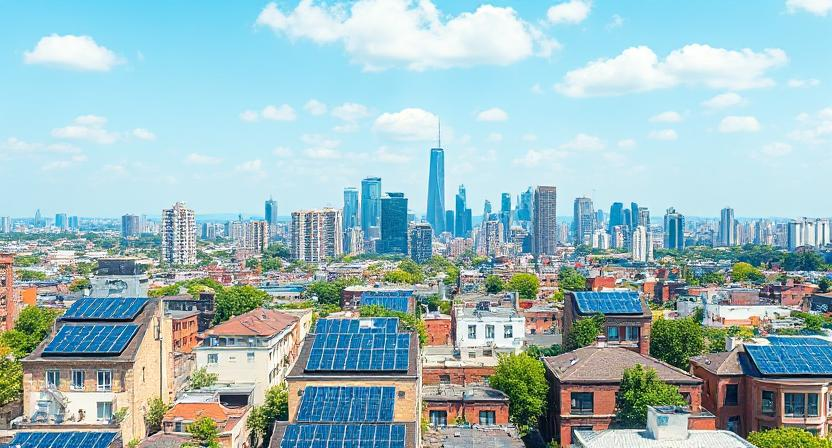
- Scalability: Solar energy systems can be tailored to meet the needs of both urban and remote areas.
- Affordability: Decreasing costs make solar technology more accessible to a wider population.
- Independence: Solar energy offers countries the opportunity to reduce reliance on imported fossil fuels, enhancing energy security.
These factors make solar energy a viable and inclusive option for meeting energy demands worldwide.
Advancements in Solar Technology
Solar technology has seen remarkable advancements in recent years, transforming the way we harness energy from the sun.
Improvements in solar panels have led to increased efficiency and reduced costs, making solar energy more accessible than ever before.
Innovations like thin-film solar cells, bifacial panels, and solar shingles are revolutionizing the industry by offering more flexible and aesthetically pleasing options for solar installations.
Energy storage solutions, such as lithium-ion batteries, have also advanced, allowing for better utilization of solar power even when the sun isn’t shining.
Moreover, smart technologies like solar trackers and monitoring systems optimize energy production, maximizing the benefits of solar energy for both residential and commercial applications.
Environmental Impact of Solar Energy
With the advancements in solar technology enabling more efficient energy harnessing, it’s time to shift our focus towards the environmental impact of solar energy.
- Solar energy produces no greenhouse gas emissions, helping to combat climate change.
- It reduces air pollution by decreasing reliance on fossil fuels for electricity generation.
- Solar panels can be installed on existing structures, minimizing land use and habitat disruption.
- The manufacturing process for solar panels has improved, reducing the environmental footprint over the system’s lifetime.
Frequently Asked Questions
How Does Solar Energy Impact Property Value?
Solar energy positively impacts property value by reducing energy costs, increasing self-sufficiency, and appealing to eco-conscious buyers. Installing solar panels can raise your home’s value and attract potential buyers looking for sustainable features.
Can Solar Panels Work During Cloudy Days?
Yes, solar panels can still work on cloudy days. While they may not be as efficient as on sunny days, they can still generate electricity. Cloud cover reduces sunlight intensity but doesn’t completely hinder solar panel functionality.
Are There Any Health Risks Associated With Solar Energy?
Yes, there are minimal health risks associated with solar energy. Exposure to ultraviolet rays during installation or maintenance can pose a risk. However, following safety protocols, such as wearing protective gear, can greatly reduce any potential health hazards.
What Happens to Solar Panels at the End of Their Lifespan?
When solar panels reach the end of their lifespan, they are typically recycled. Companies collect and dismantle them, separating the materials for reuse. This sustainable practice ensures that old panels don’t end up in landfills, benefiting the environment.
How Do Solar Panels Perform in Extreme Weather Conditions?
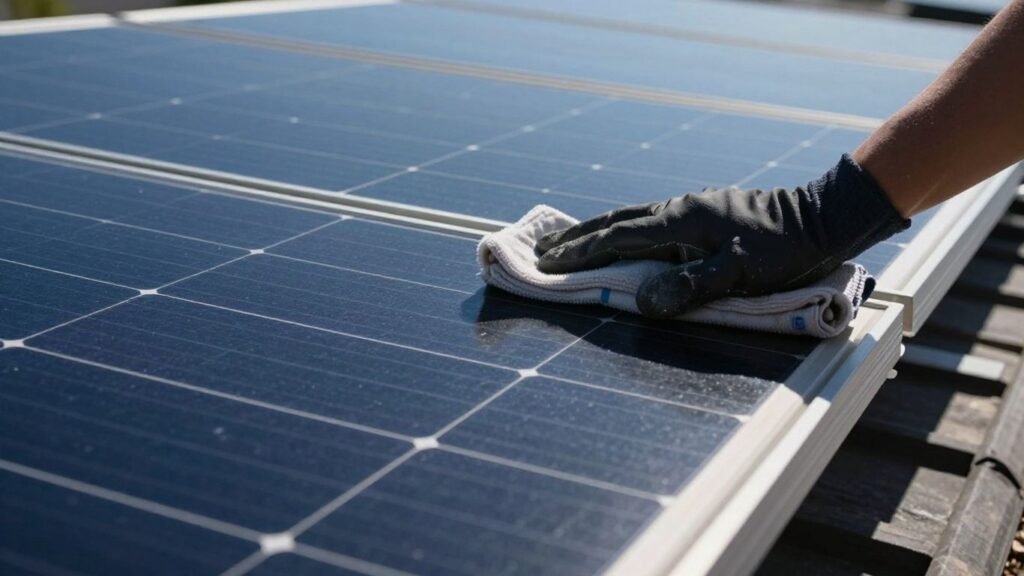
In extreme weather conditions, solar panels can still generate electricity but may be less efficient. Hail and heavy snow can damage panels. High temperatures can reduce efficiency. Regular maintenance can help panels endure and perform better.
Conclusion
In conclusion, solar energy is undeniably the future of renewable energy. Its economic benefits, global accessibility, technological advancements, and positive environmental impact make it a sustainable and attractive option for meeting energy demands.
With the continued development of solar technology and energy storage solutions, the potential for a greener and more sustainable future is within reach. Embrace solar power as the key to a cleaner and more efficient energy landscape.