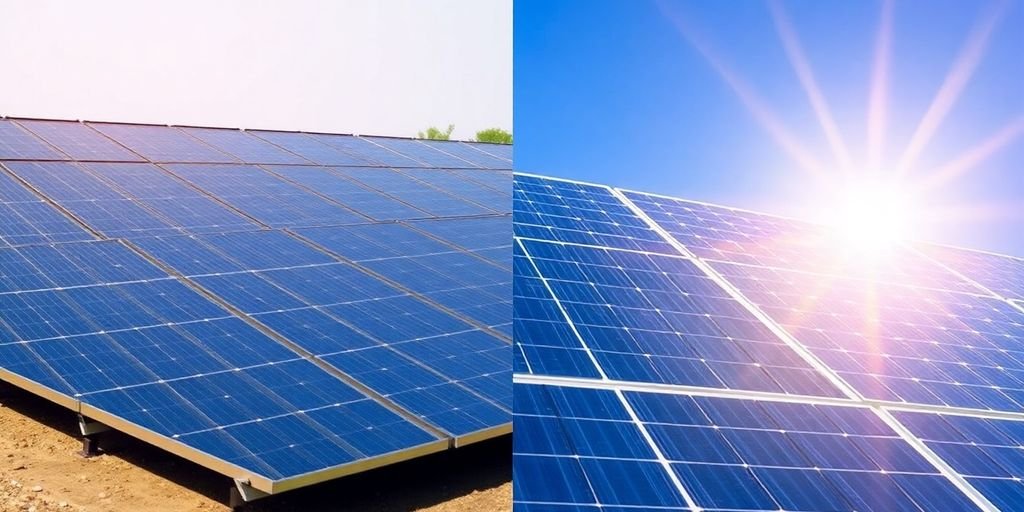
As the world shifts towards renewable energy, solar power stands out as a leading option. Among the various solar technologies, solar thermal and solar photovoltaic (PV) systems are two prominent choices.
While they both harness energy from the sun, they operate differently and serve different purposes. This article breaks down the differences between solar thermal and solar PV to help you decide which might be the best fit for your needs.
Key Takeaways
- Solar thermal systems use sunlight to generate heat, while solar PV systems convert sunlight into electricity.
- Solar thermal is often more efficient for heating applications, whereas solar PV is better for generating electricity.
- The cost of installation and maintenance can vary significantly between solar thermal and solar PV systems.
- Both technologies can contribute to reducing energy bills and reliance on fossil fuels.
- Choosing between solar thermal and solar PV depends on your specific energy needs and budget.
Introduction to Solar Energy Technologies
I’ve been following the solar energy scene for a while now, and it’s amazing how much things have changed. We’re not just talking about those old-school solar panels anymore.
There are so many different ways to grab energy from the sun, and it’s becoming a bigger part of our lives. Solar energy is radiant energy emitted by the sun.
Think about it: from heating our homes to powering entire cities, the sun’s energy is becoming more accessible and affordable.
It’s a really exciting time to see how these technologies are evolving and how they’re helping us move towards a more sustainable future. I’m going to break down two of the main ways we use solar energy: solar thermal and solar photovoltaic (PV).
Both are cool, but they work in totally different ways. Understanding the basics is key if you’re thinking about concerns about climate change or just want to know more about where our energy comes from.
Solar energy is becoming more and more important as we look for ways to reduce our dependence on fossil fuels. It’s not just about being green; it’s also about creating a more secure and stable energy supply for the future.
Here’s a quick rundown of why solar energy is such a big deal:
- It’s renewable: The sun isn’t going anywhere anytime soon.
- It reduces emissions: Solar power doesn’t produce greenhouse gases once it’s up and running.
- It creates jobs: The solar industry is booming, with new jobs popping up all the time.
And here’s a little table to show how much solar capacity has grown over the years:
| Year | Solar Capacity (GW) |
|---|---|
| 2010 | 15 |
| 2020 | 714 |
| 2024 | >1,000 |
It’s pretty clear that solar is here to stay, and I’m excited to solar PV and solar thermal technologies in more detail.
What is Solar Thermal Energy?

Solar thermal energy is all about using the sun’s energy to create heat. Instead of making electricity directly, like solar PV, it heats up a fluid that we can then use for various purposes.
It’s a pretty neat way to harness the sun’s power, and it’s been around for a while. I think it’s a technology that’s often overlooked, but it has some serious potential.
How Solar Thermal Systems Work
So, how does this whole solar thermal thing actually work? Well, it starts with collectors. These collectors are designed to absorb sunlight and transfer that energy into a fluid, usually water or a special heat-transfer fluid.
The heated fluid can then be used directly for things like heating water or air, or it can be stored for later use.
There are different types of collectors, each suited for different temperature ranges and applications. For example, molten salt thermal energy storage can be used to store heat for later use.
- Sunlight hits the collector.
- The collector absorbs the sunlight and converts it into heat.
- The heat is transferred to a fluid.
- The heated fluid is used directly or stored for later.
Applications of Solar Thermal Energy
Solar thermal energy has a bunch of different uses, which is pretty cool. Here are a few examples:
- Heating Water: This is probably the most common application. Solar thermal systems can heat water for homes, businesses, and even swimming pools.
- Space Heating: The heated fluid can also be used to heat the air inside buildings, providing a more sustainable way to keep warm.
- Industrial Processes: Many industries require heat for various processes, and solar thermal can provide that heat in a clean and efficient way.
Solar thermal systems are an efficient and environmentally friendly method for residential or commercial heating. They reduce the user’s dependency on fossil fuels and lower greenhouse gas emissions.
What is Solar Photovoltaic (PV) Energy?
Okay, so let’s talk about solar photovoltaic (PV) energy. I think it’s pretty cool how we can grab sunlight and turn it directly into electricity.
It’s not magic, but it sure feels like it sometimes. Basically, solar PV is a system that uses solar panels to convert sunlight into electricity.
These panels are made up of photovoltaic cells, which are also called solar cells. These cells use something called the photovoltaic effect to turn light into electricity.
How Solar PV Systems Work
So, how does this whole thing work? Well, photovoltaic panels are made of semiconductor materials, usually silicon.
When sunlight hits the panel, the semiconductor absorbs energy from the photons in the light. This energy knocks electrons loose from their atoms, creating a flow of electrons. This flow is what we call an electric current.
The current is direct current (DC), so we use an inverter to change it into alternating current (AC), which is what most of our appliances use. It’s a pretty neat process, if you ask me.
Solar PV systems are pretty straightforward. Sunlight hits the panel, electrons get excited, and electricity is produced. The inverter then makes sure that electricity is usable in your home. It’s a clean and efficient way to generate power.
Applications of Solar PV Energy
Solar PV energy has a ton of uses. Here are a few:
- Residential Power: You can put solar panels on your roof to power your home. This can save you money on your electricity bill and reduce your carbon footprint. Plus, you might even get some money back from the Smart Export Guarantee if you send excess power back to the grid.
- Commercial Buildings: Businesses can also use solar panels to power their buildings. This can help them save money and show their customers that they care about the environment.
- Solar Farms: These are large-scale installations of solar panels that generate electricity for the grid. They can provide clean energy to thousands of homes and businesses. You can even invest in home battery storage to store the energy for later use.
- Remote Power: Solar panels can be used to power remote locations that are not connected to the grid. This can be useful for things like powering cell towers or providing electricity to rural communities.
Key Differences Between Solar Thermal and Solar PV

Efficiency Comparison
When it comes to efficiency, solar PV and solar thermal operate in different ways, making a direct comparison a bit tricky.
Solar PV’s efficiency is measured by how well it converts sunlight directly into electricity, and this is improving all the time.
Solar thermal, on the other hand, focuses on capturing heat, and its efficiency depends on how well it can transfer that heat for use.
I’ve found that PV systems are generally more versatile because electricity can be used for almost anything, while thermal systems are more specialized for heating applications. It’s worth noting that solar thermal systems can be less efficient in winter due to weaker sunlight.
Cost Analysis of Solar Thermal vs Solar PV
Cost is a big factor for most people considering solar energy. Here’s a quick rundown:
- Initial Investment: Solar PV systems often have a higher upfront cost due to the price of solar panels and inverters.
- Maintenance: Solar PV systems typically require less maintenance than solar thermal systems, which can have moving parts and fluids that need upkeep.
- Long-Term Savings: Both systems can lead to significant savings on energy bills over time, but the exact amount depends on energy consumption and local electricity rates.
From my research, I’ve learned that the cost-effectiveness of each system depends heavily on the specific application and location. For example, if you primarily need hot water, a well-designed solar thermal system might be more cost-effective. However, if you need electricity, PV is the clear winner. Ultimately, it’s about what you need the energy for.
Environmental Impact of Solar Technologies
It’s easy to think of solar energy as purely green, but like any technology, there are environmental considerations to keep in mind.
I think it’s important to look at the full life cycle, from manufacturing to disposal, to really understand the impact.
Efficiency Comparison
When it comes to environmental impact, efficiency is key. A more efficient system generates more energy with less material, reducing the overall footprint.
- Solar PV efficiency has been steadily increasing, meaning newer panels can generate more electricity from the same amount of sunlight.
- Solar thermal systems, while often highly efficient at converting sunlight to heat, can sometimes be limited by heat loss and storage challenges.
- The higher the efficiency, the less land is needed for solar farms, which helps preserve natural habitats.
Cost Analysis of Solar Thermal vs Solar PV
Cost and environmental impact are often linked. Cheaper materials or processes might have hidden environmental costs.
For example, the initial cost of solar PV systems can be higher, but the long-term environmental benefits might outweigh the initial investment. It’s important to consider the full lifecycle cost, including disposal and recycling.
I’ve been reading a lot about the embodied energy in solar panels – that’s the energy used to manufacture them. It’s a significant factor in assessing the true environmental cost. We need to push for more sustainable manufacturing processes to minimize this impact.
Final Thoughts on Solar Thermal and Solar PV
In the end, both solar thermal and solar PV systems have their strengths and weaknesses. Solar PV is all about turning sunlight into electricity, which can power your home and appliances.
On the flip side, solar thermal focuses on using that sunlight to create heat, perfect for warming up water or spaces.
Choosing between them comes down to what you need. If you want to cut down on electricity bills and go green, either option can help.
But if you’re mainly looking to heat your home, solar thermal might be the way to go. For a more all-around solution, solar PV is likely your best bet. So, think about your energy needs and budget, and you’ll find the right fit for your home.