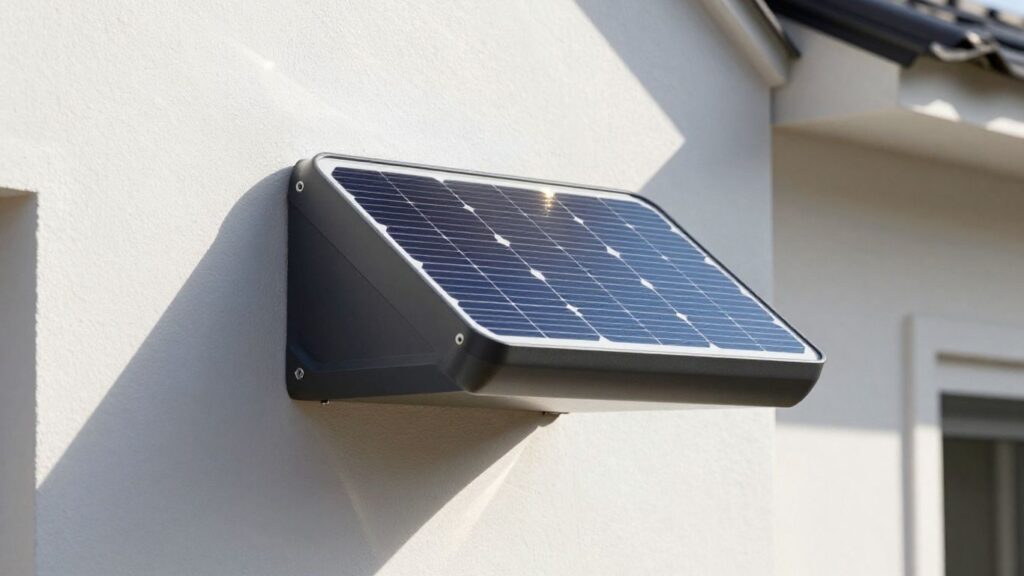
If you’re thinking about getting solar panels, or maybe you already have them, a big question on your mind is probably: How long do solar batteries last? These batteries are pretty important because they store the energy your panels make, so you can still use power when the sun’s not out.
In this article, I’ll go over how long solar batteries typically stick around, what things can make them last longer or shorter, and some easy tips to get the most out of yours. Whether you’re planning a full solar panel installation or upgrading an existing setup, this guide will help you figure things out.
- Modern lithium-ion batteries can last 10 to 20 years, much longer than traditional lead-acid batteries that typically last 3 to 7 years.
- Temperature plays a major role in battery lifespan. Excessive heat can shorten performance, while moderate climates help extend durability.
- Batteries gradually lose capacity each year, but high-quality systems should still retain strong performance after 10 years.
- Monitoring your battery through a dedicated app helps detect issues early and maintain optimal efficiency.
- Professional installation and annual inspections support longer lifespan and help maintain warranty protection.
Understanding Solar Battery Lifespan
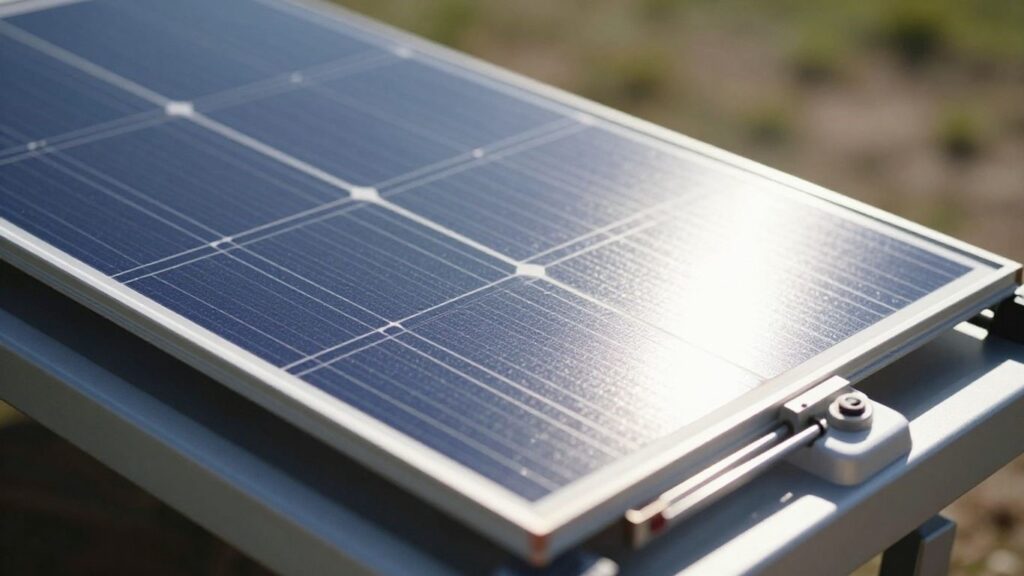
When I first started researching solar storage, I assumed batteries would last as long as panels. That’s not exactly true. Most panels last 25 to 30 years, as explained in how long do solar panels last, but batteries usually need replacement sooner.
Average Lifespan of Different Solar Battery Types
The average lifespan of home solar batteries really depends on which type you choose. Here’s a super basic breakdown:
| Battery Type | Typical Lifespan | Annual Degradation Rate | Notes |
|---|---|---|---|
| Lithium-Ion (LiFePO4) | 15–20 years | 1–2% | Most new systems use these |
| Lithium-Ion (NMC) | 10–12 years | 1–3% | Popular in Tesla Powerwall |
| Lead-Acid | 3–7 years | 3–5% | Cheaper, but needs replacement |
| Flow Batteries | 10–20 years | 1–2% | Still uncommon for homes |
- Most lithium-based options will retain 80–90% of their original storage capacity after about 10 years.
- On the other hand, lead-acid batteries have a faster solar battery degradation rate – and typically experience a significant drop-off within 5 years.
- Solar panels, by comparison, last 25–30 years; you’ll probably replace batteries once or twice during a panel’s life span.)
Most lithium batteries still retain around 80 to 90% capacity after 10 years. Lead-acid options decline faster, which is one reason many homeowners compare overall value when asking is solar energy worth it for your home.
Key Factors That Affect Solar Battery Life
Several real-world things contribute to how long your battery survives, some you can control, some you can’t:
- Temperature: High or low temperatures can lead to shortened lives of solar energy storage systems. Batteries also work best when kept at 59–77°F. Get above 80°F? That’s a short path to needing one replaced.
- Depth of Discharge: Fully discharging your battery (especially lead-acid types) dramatically shortens its lifespan. More results will come from keeping the lithium-ion below 80% discharge.
- Charge cycles: The more times a battery charges and discharges, the quicker the “average lifespan of home solar batteries” will decrease. Light, regular cycling beats full cycles day after day.
- Installation Quality: If your installation was poor or the wrong size, it adds additional strain on your battery, causing you to replace it sooner than necessary.
- Maintenance: With lead-acid batteries, checking fluid levels prevents errors. Despite lithium types being more or less maintenance-free, occasional monitoring can help spot early problems and mitigate solar battery degradation rates.
While lithium batteries need minimal upkeep, general system efficiency matters. Clean panels help ensure stable charging, which you can learn about in how to clean solar panels.
Even the best batteries lose their umph over time, but you can slow down that process and get as many years out of your investment as possible if you treat it right.
Now you know what affects solar battery lifespan, it’ll be easier to plan and worry a lot less about running out of stored power when you need it most.
Types of Solar Batteries and Their Longevity
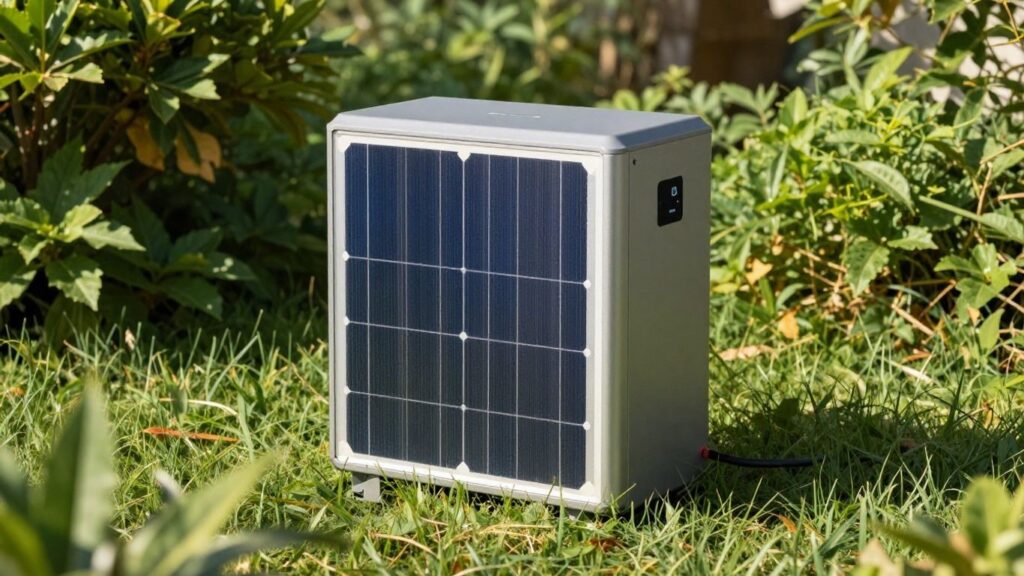
When I began some research on solar batteries, all the different types appeared overwhelming to me. Guess what, though: Not every battery is the same, and the one you select really matters in terms of how long it will last and how much maintenance it’ll require. I’ve discovered what I could about the players at play.
Lead-Acid Batteries
These are the ride-the-rail-special, like the classic car of battery-dom. They’re often cheaper to purchase up front, which can be appealing, I understand. But, and this is a big ‘but’, they simply don’t last as long. I’m hearing numbers like three to seven years, and sometimes even less if you don’t treat them right.” They also need more attention.
You need to regularly check the water levels in them and keep the terminals clean because they’re known to corrode. Plus, they don’t like being drained very much; you’re generally advised to use about half their capacity to keep them happy. So those initial prices may look nice, but you will probably end up needing to replace them several times over the lifespan of your solar panels.
Lead-acid batteries cost less initially, but they typically last only 3 to 7 years. They require more attention and should not be deeply discharged. For homeowners comparing long-term value versus upfront price, understanding overall solar panel cost helps put battery replacement into perspective.
Lithium-Ion Batteries
This is where most people seem to be going these days, and who can blame them? Lithium-ion batteries are today’s option, and they typically last far longer than lead-acid. I’ve seen estimates that range from 10 to 20 years. I believe there are two or three main flavors of lithium-ion that I’ve run into:
- Lithium Iron Phosphate (LiFePO4 or LFP): These appear to be the most popular options as far as longevity and safety go. I’m seeing anywhere between 15 and 20 years for these, and they can take a load of charge cycles without grumbling too much. RECOMMENDED VIDEOS FOR YOU… They’re also very stable and require little to no maintenance. Some even have rad features like Bluetooth monitoring, so I can look in on them from my phone.
- Nickel Manganese Cobalt (NMC): These are also very common and have great performance, but typically need to be replaced a little sooner than LFP, more in the range of 10 to 12 years. However, they still represent a massive leap forward over lead-acid.
Lithium-ion batteries are more efficient overall and require a minimal amount of maintenance. Yes, the upfront cost is higher, no denying it, but when I compare total costs over 20 years or so, they usually come out ahead because I’m not going to buy replacements.
They pair well with modern inverter systems. If you’re still deciding between setups, reviewing string inverter vs micro inverter can clarify how storage integrates with your system.
Flow Batteries
Alright, a little less common for average homes these days, more for commercial-type stuff or bigger scope things, but I thought they were interesting. Flow batteries operate slightly differently. The conventional energy storage technologies, like lithium-ion or lead-acid batteries, store energy in solid materials. Instead, they hold it in liquid electrolytes contained in the external tanks. This means they don’t have a lifespan in the way you would think degradation would limit it, like with some of the other types.
The thinking is that the energy part (the liquid itself) and the power part (the stack that moves said liquid) are independent in their scalability. I have heard estimates of them lasting 15-20 years or more, and they are supposed to be good at withstanding deep discharges without losing capacity. They’re still relatively new in the residential market, so they’re not as widely available or as well understood for home applications. Hydrogen fuel cell is definitely one to watch.’
Here’s a quick rundown I put together:
| Battery Type | Typical Lifespan | Maintenance Needs | Upfront Cost | Notes |
|---|---|---|---|---|
| Lead-Acid | 3–7 years | High | Low | Needs regular checks, limited discharge |
| Lithium-Ion (LFP) | 15–20 years | Very Low | High | Longest life, very stable |
| Lithium-Ion (NMC) | 10–12 years | Very Low | High | Good performance, slightly shorter life |
| Flow Batteries | 15–20+ years | Low | Very High | Emerging tech, scalable, external tanks |
Choosing the right battery type is a balancing act between initial cost, expected lifespan, and how much work I’m willing to put into maintenance. For me, the longer lifespan and low maintenance of lithium-ion batteries seem like the best bet for my home, even with the higher price tag.
How to Extend the Life of Your Solar Battery
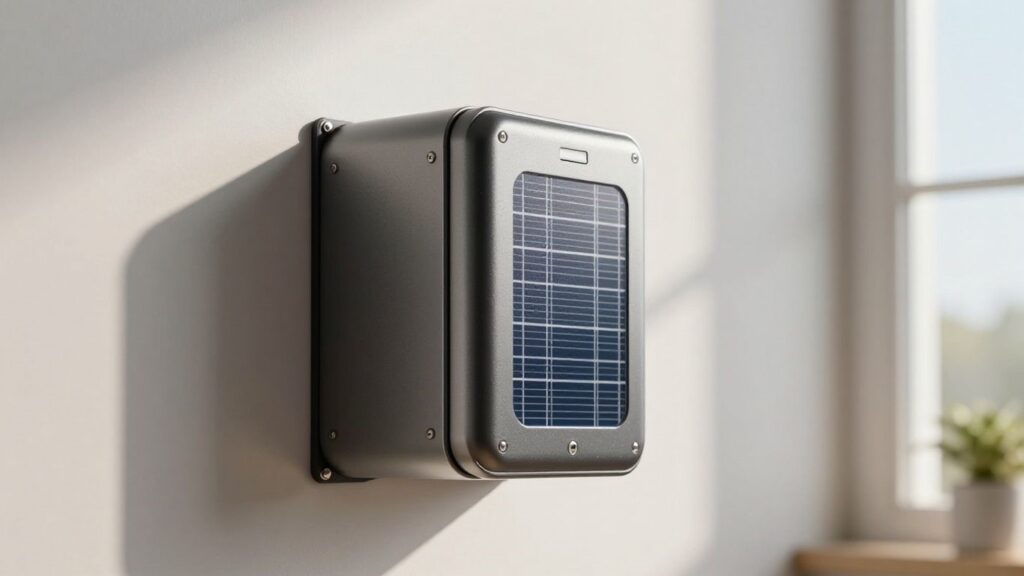
So, you’ve got a solar battery system, and not only do you want it to last, but for as long as possible. I get it. It’s a significant investment, and no one wants to have to replace pricey equipment sooner than necessary. The positive side is that there are certainly things I can do to make my solar battery last a bit longer. It’s not just hoping for the best; it’s active care.
Proper Installation and Sizing
First, the way that the system is set up matters A LOT. The most important thing is to have the right-sized battery for my energy needs from the beginning. If it’s too small, it will be perpetually pushed to its limits, which is not good for its well-being. If it’s far too large, it may not get put to use efficiently. I learned that placement of the battery matters, too. Storing it in a location with consistent temperature (preferably between 59°F and 77°F) is critical.
High heat or cold can significantly reduce its lifespan. So, if it’s going in a garage, I’d ensure that it is not a garage that becomes an oven in summer or freezer in winter.” Others actually prefer climate-controlled spaces, which seems great if you’re truly serious about living for as long as possible.
Temperature control also plays a role. Proper placement during steps to install solar panels on your roof often determines where batteries are stored.
Regular Maintenance Tips
As for maintenance, lithium-ion batteries are quite low-maintenance, which is a good thing. There are no water levels to screw with like there were in the older lead-acid types. Yet there are some basic steps I can take:
- Daily Monitoring: The majority of systems also come with an app. I need to do that every day, even if only for one minute. It prevents odd performance dips or error messages later on. It’s like a little battery checkup for me.
- Read More: Annual Professional Check-ups. They can give a deeper look than I and ensure that everything is working well. And it can often keep the warranty intact.
- Clean Solar Panels: It is not directly about the battery, but clean solar panels provide higher energy production. This provides for more stable charging to the battery, rather than it always thirsting for energy.
- Pay Attention to Depth of Discharge (DoD): From what I learned, it is better not to fully drain the battery down each time. The depth of discharge for lithium-ion recommends around 80% discharge. It lessens pressure on the battery cells. It’s not about avoiding
Here’s a quick rundown of what impacts battery health:
| Factor | Impact on Lifespan |
|---|---|
| Temperature | Extremes (hot/cold) shorten life; the optimal range extends it. |
| Depth of Discharge (DoD) | Deeper discharges cause more wear; shallower is better. |
| Charging Cycles | Frequent, deep cycles count towards total life. |
| Installation Quality | Proper setup prevents stress and ensures efficiency. |
Following these guidelines is how I plan to get the most out of my solar battery system and ensure it keeps powering my home reliably. It’s all part of understanding how to extend solar battery lifespan effectively.
When to Replace Your Solar Battery
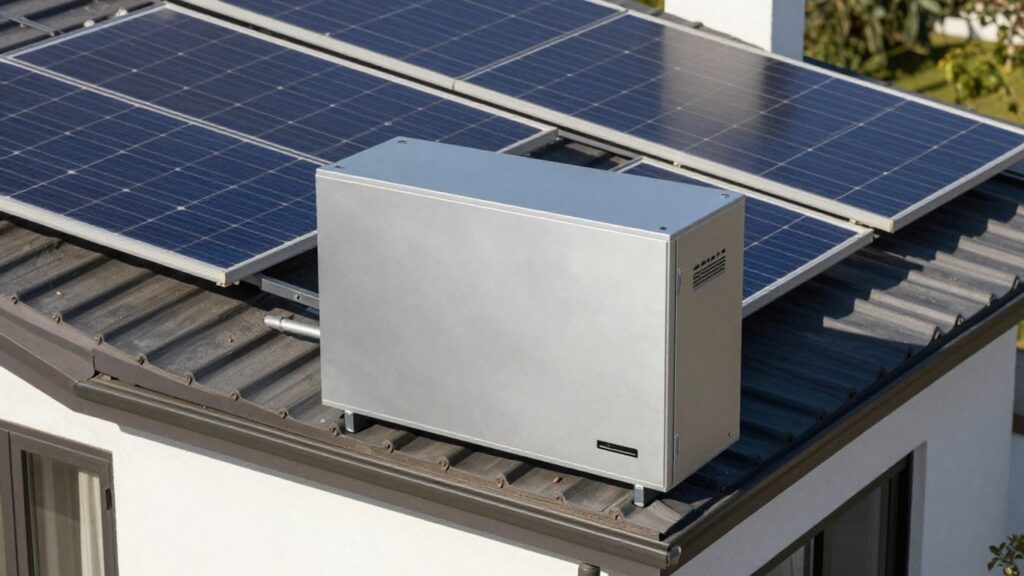
Determining when your solar battery has reached the end of its life can seem somewhat hit-or-miss, but there are a few clear signs to look out for. I’ve learned to pay attention to a few details so I don’t get left in the dark, literally.
One of the most obvious signs is a significant dip in how much power it can contain. If your battery used to hold things up all night and now it can barely get past dinner, that’s a pretty good clue. While it varies from battery to battery, typically a replacement is needed when capacity drops below 70% of its original rating. Not that it won’t work at all, but it will no longer be as efficient as before.
Here are some common signs that your solar battery needs replacement:
- Decreased Storage Capacity: You will see shorter run times for your appliances or backup power during outages.
- Increased Decreasing Fast: If your battery is decreasing charge faster than it normally did, even with normal use, this is a warning.
- Physiological Changes: Watch for signs of swelling, leaking, or unusual noises from the unit. These are never good signs.
- Poor Performance: The battery may charge slowly or discharge unpredictably.
Do not wait until it is a total loss to contemplate replacement. Being prepared means you can explore alternatives and plan the exchange without a crisis.
And if annual degradation of 1-2% is nothing to be worried about, then a sudden or alarmingly significant drop is. My installer warned me to watch the monitoring app, as that’s usually where you’ll see these changes take place first.
Monitoring apps often show gradual degradation, which aligns with what’s covered in understanding solar panel warranties and lifespan. Sudden drops are more concerning than slow yearly decline.
If replacement is necessary, it may also be a good time to reassess your entire setup using how to setup a solar panel system as a reference.
Wrapping It Up
So, having seen all this, I’ve realised that my solar battery will not last forever and that’s alright. I am sure most of the modern ones, those lithium-ion things that seem to give me a good 10 to 20 years, far exceed those old types, lead-acid, not least when talking of a mere 3 to 7 years. But it’s not only the battery type. Keeping it out of extreme heat or cold seems like a big deal for prolonging its lifespan, and you know, I can probably swing that.
Solar batteries do not last forever, but most modern lithium-ion systems deliver 10 to 20 years of reliable service. That is shorter than panels, yet still long enough to provide strong return on investment.
Keeping your battery within moderate temperatures, avoiding deep discharge, and ensuring correct system sizing can add years to its life. If you are still weighing benefits, exploring the benefits of installing solar panels helps connect storage decisions to overall system value.
With proper care, your battery will support your solar setup efficiently for many years before replacement becomes necessary.
Frequently Asked Questions
How long do solar batteries usually last?
Most solar batteries can continue functioning well for 10 years to 20 years, particularly those that are the more modern lithium-ion variety. And some may even be a little longer! Older versions, such as lead-acid batteries, are not long-lasting and only last around 3 to 7 years. It’s like my new phone battery, which lasts a lot longer than the one I had years ago, and solar batteries are the same.
What makes a solar battery stop working well?
Yup, temperature is a pretty big thing! In this scenario, the battery can wear out the fastest and age more quickly if you will. If it gets too cold, it may not work as well. The optimal location for a solar battery is an area where the temperature is relatively stable, not too hot, and not too cold. This is why I try to avoid direct sunlight exposure with my electronics.
Do I really need to worry about temperature for my solar battery?
To maximize the lifespan of my solar battery, I’d want to make sure it’s installed properly and located somewhere relatively moderate as far as temperature goes. I’d also try not to run it down all the way every time or give it too much charge. Monitoring it with an app or system to track how well this process is going is a good idea as well. Regular check-ups, like ensuring connections are clean, help too.
How can I make my solar battery last as long as possible?
You’ll think it’s time for a new battery when it won’t hold a charge like before. This generally occurs when it is only able to retain roughly 60% to 70% of its original capacity. It may no longer be able to power your home through the night or during an outage. Kind of like how my phone battery dies really, really quickly after I charge it.
When should I think about getting a new solar battery?
Nope, not usually. Solar panels are designed to last a long time, typically 20 to 30 years. Solar batteries, however, don’t last as long; the good ones last about 10 to 20 years. This means that I’m likely to need at least one battery swap while my solar panels are still operating.
Are solar batteries supposed to last as long as solar panels?
Nope, not usually. Solar panels are built to last a really long time, often 20 to 30 years. Solar batteries, on the other hand, have a shorter lifespan, typically 10 to 20 years for the good ones. This means I’ll probably need to swap out my battery at least once while my solar panels are still working great.