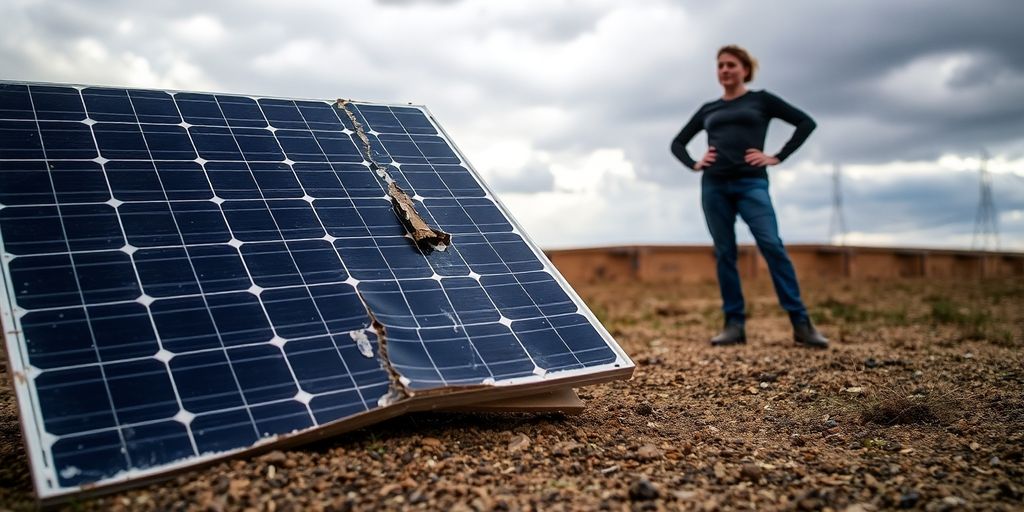
Thinking about going solar? It’s a great idea for the planet, and often for your wallet too. But like anything, it’s not all sunshine and rainbows. Before you jump in, it’s smart to know the downsides. We’re going to break down some of the common solar energy disadvantages so you can make a well-informed choice. It’s not about scaring you off, just giving you the full picture.
Key Takeaways
- The upfront cost of solar panels can be high, though prices are falling.
- Solar energy production depends on sunlight, meaning it doesn’t work at night or well on cloudy days.
- Solar systems need a good amount of space to generate sufficient power.
- Moving homes can be tricky with solar panels, as they are usually fixed to the property.
- While generally clean, the manufacturing and disposal of solar panels can have environmental impacts.
What are Solar Panels?
So, what exactly are solar panels? Think of them as the collectors for sunshine. They’re basically flat devices, usually mounted on roofs or in open fields, that grab sunlight and turn it into electricity. This magic happens thanks to special materials inside, called photovoltaic cells. When sunlight hits these cells, it excites electrons, creating an electric current. It’s a pretty neat way to harness power directly from the sun.
These panels are the heart of any solar energy system, converting light into usable power for homes and businesses. They’re designed to be durable and capture as much solar energy as possible throughout the day. The amount of electricity generated depends on factors like the panel’s size, efficiency, and how much sun it gets. It’s a technology that’s been around for a while, but it’s constantly getting better and more efficient. You can learn more about how solar panels work.
What is the Lifespan of a Solar Panel in California ?
So, you’re thinking about solar panels, maybe even here in California. It’s a big investment, and one of the first things people wonder about is how long these things actually last. Most solar panels are built to last for a really long time, typically around 25 to 30 years. That’s a pretty solid warranty period, and many panels can keep producing power even beyond that. Of course, performance might dip a little as they age, but they don’t just suddenly stop working.
Think of it like an old car; it still runs, but maybe not as smoothly as it used to. The actual lifespan can depend on a few things, like the quality of the panels themselves and how well they’re installed and maintained. California’s climate is generally pretty good for solar, with plenty of sunshine, which helps keep them running efficiently. You’ll want to make sure your installer is reputable to get the most out of your system for years to come.
10 Major Disadvantages of Solar Panels (Sophia Green)
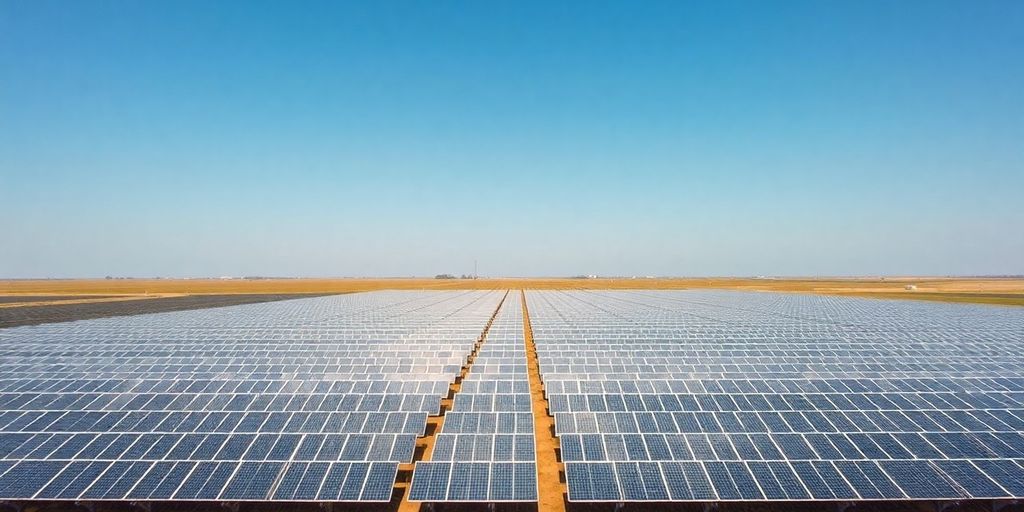
While solar power is often praised for its environmental benefits, it’s not without its challenges. Understanding the downsides of solar energy is key before making the switch. Many people focus on the long-term savings, but the initial investment can be a significant hurdle.
The upfront cost of purchasing and installing solar panels is substantial, even with falling equipment prices and available incentives like tax credits and rebates. This is one of the primary solar power disadvantages that potential adopters consider. It’s important to weigh this against future energy bill savings, but the initial outlay is a real concern for many homeowners. The disadvantages of solar panels are varied, and while technology is improving, these points remain relevant.
1. Solar Power is Expensive
Let’s talk about the elephant in the room when it comes to solar energy: the cost. However, as great as free electricity from the sun may be, the pathway to it involves a rather expensive upfront cost. Buying and installing solar panels come with a hefty upfront price tag. And we’re not talking just a few panels, either; to power a whole home, you’d probably need an entire array, which piles up quickly.
This is the top of the solar con people weigh into. You may read about leasing these cars that will certainly reduce the direct hit on your wallet, but still, it’s a long game. It may not be feasible to install a system that you can’t just lug along when you move a few years down the line. That is surely something to consider wisely, especially alongside your relatively predictable monthly utility bills.
2. Location and Sunlight Availability Matters
The issue, though, is not with the panels, but where you put them, and how much sun they receive. Well, I mean to say that if you live up there near the North Pole, your direct sunlight will not be anywhere near as good as if you were near the equator. That’s just physics. And even within a country, some cities have way more sunny days than the rest. However like an area that is always cloudy or foggy is going to be an issue for solar panels.
They actually require direct sunlight to effectively do their thing. While solar is a practical alternative in some areas, solar performance does tend to regress based on your country and climate. This is a significant thing in your mind when researching possible savings and the amount of power that you can really create. Your geographic spot really matters.
| Location Type | Sunlight Availability | Impact on Solar |
|---|---|---|
| Near Equator | High | High Efficiency |
| Far from Equator | Lower | Lower Efficiency |
| Frequently Cloudy/Foggy | Low | Significantly Reduced Efficiency |
3. Solar Panels Require a Lot of Space
The first thing you might notice with solar power is that it can be a bit standoffish. You are going to want at least some clean, uninterrupted space in order to achieve a reasonable output. For most homeowners, this usually means sacrificing a large chunk of their roof.
You may not have enough square meters of roof space that is not filled with vents, skylights, and other protrusions, or you may have an awkward-shaped roof that prevents you from fitting enough panels to create a significant difference to your electricity bill. If you are building a larger setup for your business or farm, we are dealing with acres of land. And no, it’s not enough to have the space; that space needs to be receiving direct sunlight at least most of the day.
This means if tall trees or other buildings block the sun from your house, the solar potential drops. Residential standard solar panels are usually 1.6 to 2 m in length and approximately 1m (meter) wide, so you need many of them to power a household. If you live in a densely populated area or your property is smaller, this can be a real problem, as finding enough suitable space is going to be a challenge.
4. Moving Homes? You Can’t Take Solar With You
Thinking about installing solar panels? Which is brilliant for your utility bills, but have you considered what will happen if you need to move? You can’t take it; it isn’t unplugging a lamp. Solar Panel Systems Can be Temporary for Your Home. The system typically remains with the property if you sell your house. Most probably, solar companies have arrangements to transfer the lease or power purchase agreement to the new owner.
The majority of buyers are pleased to assume the system because who wouldn’t want reduced energy bills? Real estate agents and solar companies regularly collaborate to ensure this transition is seamless. But if you seriously wanted to move your panels with you, you can, it just requires uninstalling and reinstalling, which can be a real pricey venture. This is a big point to consider if you think you will move soon. If you rent or are not planning to stay for the long term, you may be interested in solar panel leases.
5. Negative Energy Balance in Some Situations
With all that sun, you may find even your solar system isn’t really pulling its weight. Imagine you had a productive summer, but your jars weren’t wide enough to fit all those tomatoes you picked. Especially during peak, sunny hours when solar produces a lot of electricity, if your solar panels produce excess energy you cannot use or store, that energy may not be 100 percent credited back to you on your bill.
We have prepared this so it can happen based on how your utility company operates with the definitions of ‘net metering’ or ‘net billing.’ Essentially, if you end up returning more energy to the grid than you use from it within a billing period, you could be leaving some money on the table for that surplus energy. It is when the output is more than you can store or use at the time, which gives rise to an energy imbalance in the system.
It’s like letting good fruit fall from the tree because your pantry is full. The balance between this excess power generation and battery storage is improving; however, the upfront cost of that storage can be one of the reasons that solar is wasted. This is especially relevant if you are considering the complete efficiency of a solar investment.
Let us take an example where you have a really big system to produce in summer at its max, but your options for storing or using that energy at other times of the year are very limited. Then, you may experience as little financial gain as you had hoped. As a set of imprecisely defined separate systems of production, utilization, storage, and even consumption, it means a coexistence that may occasionally trigger negative energy balances on the basis of economics alone.
6. Solar Doesn’t Work at Night
It’s pretty obvious, but solar panels need sunshine to do their thing. So, when the sun goes down, your panels stop producing electricity. This means if you’re using power at night, you’ll need another source. You can’t generate solar power after dark. This is a big deal for anyone who uses a lot of electricity in the evening or overnight. While you might have a system that covers your daytime needs, nighttime power is a separate issue.
Some people get around this by using batteries to store energy generated during the day, but that adds to the overall cost. Others might rely on the grid for nighttime power, which kind of defeats the purpose of going fully off-grid. It’s just a basic fact of how solar energy works; it’s dependent on daylight. You can’t get around the fact that solar panels are inactive at night because they require sunlight to produce electricity. Once the sun sets, their ability to generate power ceases.
7. Solar Panels Are Inefficient (15–20%)
Your perception of solar panels may be them absorbing every beam of sunlight to produce pure energy, right? But these people are not perfect. The commercial solar panels you see around today are only about 15% to 20%.
This means that only a small percentage of all the sunlight that strikes the panel is converted into electricity. Think of it as trying to fill a bucket with a hose that has holes in it; you are going to lose a lot of what you were trying to catch.
What does this inefficiency mean for us in the end? Well, it’s mostly about space. If you have a large roof area or you have ample land, a 15% efficient panel might be acceptable. Which means you will need more of them to get the same amount of energy than other more efficient, but also smaller, panel.
But if you are dealing with limited space, such as on a small roof in a dense area, that efficiency number becomes quite critical! To produce the same amount of power in a smaller area, you will need more efficient panels. Of course, this also means these new generation, more efficient panels will come at a premium. Here are a couple of trade-offs between area, power, and price.
8. Can Damage Roofs if Installed Improperly
Sure, putting solar panels on your roof sounds like a great idea for clean energy, but there’s a downside. But have the installation dos and don’ts are not followed, your roof can experience some major damage. Just imagine; these panels are large and must be secured in place. Installers may create cracks or holes in your shingles, or they may affect the underneath where the shingles rest if they’re not careful.
Therefore, leaks occur, and that draws mildew and mold, which creates more headaches inside and out. It’s not only the panels themselves; it’s how they are attached. Whenever roof repair work is back, it really is one massive pain because you have to remove the solar installation just to access the roof underneath. Any roof work you need to do before you put in the panels is a good idea, so you don’t run into trouble later down the line.
9. Pollution and Environmental Impact
Solar panels get a lot of credit for being clean when they are being used, but the manufacturing process isn’t entirely without environmental issues as well. Manufacturing these panels takes energy, and some of the materials used are hazardous if not managed or disposed of correctly.
Consider cadmium and lead used in certain kinds of panels in panels. Even if regulations in countries like the US make manufacturers recycle these materials, elsewhere they land in landfills, leaching into soil and waterways. It’s a trade-off. In many ways, the electricity released is cleaner than what would be produced if fossil fuels were used, but the original production still has an environmental impact.
Pollution concerns
Solar systems that you install can have some greenhouse gas emission costs, especially in the transportation and installation phases, but this cost is usually a fraction of that associated with fossil fuels. That’s something to think about when you’re weighing the entire portfolio of solar power. Even so, solar has a low level of pollution compared to many other energy sources. As people become interested in switching to solar energy, it helps to get a grasp of the solar panel lifecycle. To make an educated choice for your house, you can learn to discover energy-efficient solar panels.
10. Don’t Work Well in Cold or Foggy Climates
We are all aware of how solar panels are featured as a green energy solution, but these perform poorly in many weather conditions. Consider locations that have a lot of fog or a lot of cloudy days. In such cases, the amount of sun that reaches the panels may be drastically reduced. But, of course, it isn’t just clouds. Cold temperatures by themselves do not halt production, but they can lead to less sunshine if the cold is paired up with a bunch of thick clouds.
So while a solar plant in a region with consistent fog or heavy cloud cover would see significantly less solar energy, the opposite is true for sunnier regions. In other words; the power of solar is much dependent on where you live and the climate habitual in your area.
According to the research, the energy it captures can be as low as 10% of what it would be on a clear day in very low-light conditions (like heavy fog). If you live in a place with limited sun exposure, you’ll want to pay close attention to this variability. At its worst, your solar energy system underwhelms, failing to generate the amounts of energy you expect at certain times of the year.
Why Are Solar Panels So Important?
Which leaves the question, why the fuss about solar panels, these days. Ok, aside from saving you a few bucks on your electric bill, they are critical to the environment. Take fossil fuels, for example; we are rapidly consuming fossil fuels and burning fossil fuels are bad for air quality.
In contrast, harnessing solar energy is a clean way of generating electricity. One of the best features is that it does not spew out greenhouse gases, which is essential in the fight against climate change. And after installing the panels, solar energy is free. It’s a means of making ourselves less and less dependent on the big power companies and their constantly rising prices. Frankly, if you choose to sell your home sometime in the future, solar panels can even increase its value. For many people, it is a good investment in their pockets and the environment.
So, What is my Verdict on Solar?
Look, solar energy has come a long way, and it’s definitely not without its perks. We’ve talked about the upfront costs, how it needs sunshine to work, and the space it takes up. It’s not a magic bullet, and those are real things to consider. But the good news is, people are working on these issues. Costs are dropping, and new ideas for storing power are popping up. It’s about weighing what matters most to you and understanding that, like most things, solar has its ups and downs. It’s a developing technology, and knowing its limitations helps us see where it can go next.
The Last Word: Are Solar Panels Still Worth It?
So, after you see all those potential negatives, you might be asking yourself, Are solar panels even worth it? It’s a momentous decision, yes, certainly. It can seem pretty expensive up front, and yeah, you can’t just chuck them in the back of the wagon and drive them away if you move.
Plus, they require sunshine to work, so on cloudy days and at night, you are still drawing power from the grid or your batteries. And then the space they occupy (downright perfect, if not every roof wants one, and if you need more space in your yard).
There is some fact behind the idea that poor installation can lead to roof problems, and although the process of manufacturing roofing is getting cleaner, there are (depending on your house and where you live) some environmental factors to consider regarding production and recycling.
Frequently Asked Questions
What exactly are solar panels?
Solar panels work by capturing sunlight and turning it into electricity. They are made of special materials that get excited when light hits them, and this excitement creates an electric current. Think of them like tiny light-powered factories on your roof!
Why are solar panels considered expensive?
The initial cost to set up solar panels can be quite high. This includes buying the panels themselves, plus any extra equipment like batteries or special inverters, and paying for the installation. However, there are often ways to make it more affordable, like government help or leasing options.
What happens if it’s cloudy or nighttime?
Solar panels need sunshine to make electricity. This means they don’t work at night. Also, on cloudy days or when it’s foggy, they produce much less power. If snow covers the panels, they won’t work at all until the snow melts or is cleared.
Do solar panels take up a lot of room?
Yes, solar panels need a good amount of space to be installed, usually on a roof or in an open area. The more panels you have, the more electricity you can generate, but this also means you need more space to put them.
Can I take my solar panels with me if I move?
If you move homes, you generally can’t take your solar panels with you. They are usually installed as a permanent fixture for the house. If you’re planning to move, it’s something to consider when deciding whether to install them.
Are there any downsides to how solar panels are made or disposed of?
While solar panels are great for the environment, their production can involve some chemicals and energy. Also, old panels need to be disposed of properly. Scientists and companies are working hard to make the manufacturing process cleaner and to recycle old panels more effectively.