Top Solar Companies in San Diego for Home Installations
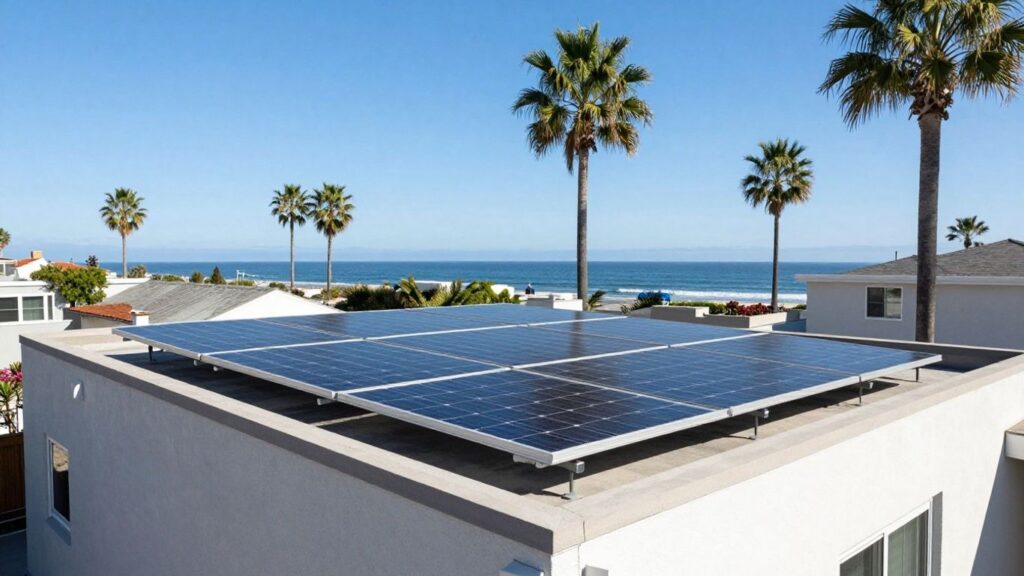
Thinking about putting solar panels on my house in San Diego? It’s a big decision, and honestly, I’ve been looking into it myself. The sun shines a lot here, and it just makes sense to use it, right? Plus, the idea of lower electricity bills is pretty appealing. But with so many solar companies in San Diego, how do I even start picking one? I’ve done some digging to figure out which ones are worth considering, and I’m sharing what I found. Key Takeaways Why Go Solar in San Diego? As a resident of San Diego, I’ve always enjoyed our sunshine. So it only stands to reason that harnessing that energy for my home makes sense, right? It makes me feel that I am, in a small way, doing my part to save the environment, and quite frankly, reducing my electricity bill sounds great. There is much to consider when I first began researching residential solar installation in San Diego. It goes beyond simply slapping some panels on the roof. I needed to source the local solar contractors in San Diego who could tell me the fair solar panel installation costs in San Diego and what home solar power systems in San Diego would suit my house. As a resident of San Diego, I’ve always enjoyed our sunshine. So it only stands to reason that harnessing that energy for my home makes sense, right? If you’re new, it helps to understand how solar power works and what is solar energy and how it works. For me, the biggest benefit is the long-term savings. The up-front cost of having solar panels installed in San Diego can come across as significant, but the thought of how much money I will save on my electricity bill within the next 20-25 years is an investment worth making. And with all of the various incentives and tax credits that they offer, it really does make things a no-brainer. It’s about using clever San Diego solar energy systems that pay for themselves. I live in San Diego, so I have long appreciated our sunshine. It only makes sense to me to capture all that energy for my home, right? It’s nice to feel like I’m contributing positively to the environment, and really, who doesn’t love the idea of slashing their electricity bill? When I first began researching residential solar installation San Diego options, I found that there was much to examine. It’s more than the installation of those panels on your roof. I needed to call local solar contractors in San Diego to explain the details of residential solar panel installation, San Diego cost, and what types of home solar power systems in San Diego would suit my house. For me, the biggest incentive is the long-term savings. The upfront cost of a solar panel installation in San Diego can be expensive; however, when I calculate how much I save on electricity over the next 20-25 years, it is worth every penny spent. And with all the incentives and tax credits that are out there, it makes the decision all the easier. It’s about smart San Diego solar energy solutions that pay for themselves. There is much to consider when I first began researching residential solar installation in San Diego. It goes beyond simply slapping some panels on the roof. I also explored residential solar panels and different types of solar panels to understand what suits my home best. Here’s what I’ve learned makes going solar a no-brainer here: Plentiful Sunshine: San Diego receives lots of sun throughout the year. It’s an ideal climate for solar energy. Lower Energy Bills. My electricity bills have been climbing, and solar provides a way to stabilize and reduce those costs. Environmental impact: It feels good to reduce my carbon footprint; clean energy can do that. Better Home Value: I understand homes with solar systems may be more desirable, and assume sell for a higher price. It’s about getting the right San Diego residential solar providers to provide you with clear San Diego residential solar quotes and educate you on everything you need to know, from your choice of equipment all the way through process set-up. I CAN’T WAIT TO LEARN ABOUT THE SAN DIEGO SOLAR POWER OPTIONS. Key Factors to Consider When Choosing a Solar Company So, you’ve decided to go solar in San Diego – awesome! Now comes the part where I need to pick the right company to do the job. It’s not just about finding the cheapest option; there are a few things I’ve learned that are pretty important to look into. Experience and Reputation I mean, first of all, how long have they been in the solar business? Another company that’s been in the game for five years or more sure as hell knows what they’re doing. They’ve probably seen it all and have a good process in place.” And it indicates they were no fly-by-night operation. I’m also reading reviews on Google to find out what other SD Homeowners experienced. A strong history and the feedback have been great for my peace of mind. It’s also a good idea to look for certified professionals on their staff, which shows that they take their work seriously. I always check how long a company has been in business. Also, reading guides like best solar companies for homeowners helps understand what to expect. Product Quality and Warranties What type of panels and gear are they utilizing? I’m no expert, but I gather that not all solar panels are the same. I want companies that put On The Road branded products, etc., and provide decent warranties. More specifically, I want to know how long the warranty is on the panels themselves (typically 20-25 years) and the inverter. But equally important is the workmanship warranty, which is the one that covers problems with the installation itself. I’ve seen suggestions for at least a 10-year labor warranty, which seems reasonable to me. Some of them even provide a performance
Top Solar Companies in San Francisco for Home Installations
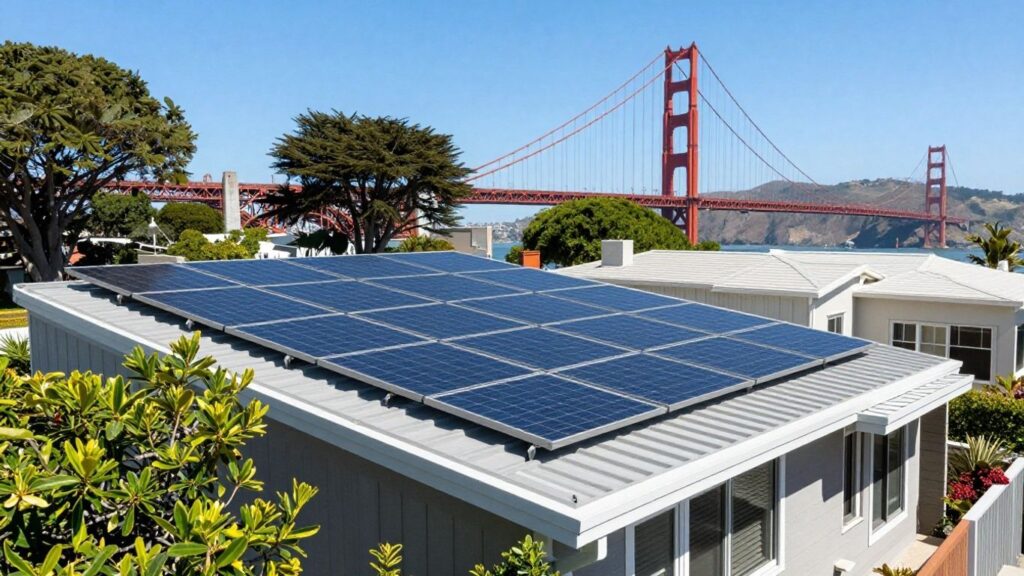
San Francisco’s electricity costs are pretty high, I’ve noticed. It makes me think about ways to save money on my bills, and solar panels seem like a good option. But picking the right company to install them can be tricky with so many choices out there. I’ve been looking into some of the top Solar Companies in San Francisco to help folks like me figure out who to trust for home installations. Key Takeaways Why Go Solar in San Francisco? If you’re in San Francisco like I am, the lip piercing energy rates sting every month. I did a little research into the green energy options that San Francisco folks are talking about, and now I can see why so many locals have switched to solar. Solar power is a boon for the planet, sure, but it’s also a real moneymaker here. Residential solar energy systems can greatly reduce monthly bills. This ties directly into how solar panels affect your monthly electricity bill. Here’s what I noticed right away: Those savings aren’t some theoretical wish-list number; they are perfectly in keeping with what people who install solar in California are experiencing on their electricity bills. Key Factors to Consider When Choosing a Solar Company So, you’re thinking about going solar in San Francisco. That’s awesome! But before you jump in, picking the right company is a big deal. I’ve learned that it’s not just about the price tag; there are a few other things I really look at. Experience and Reputation This is a no-brainer for me. How long has the company really been doing this? Solar is still a relatively young industry, and many people have dived headfirst into it. I work with a company that knows what they are talking about, not a start-up apprentice. A company that has been in business a while and where many customers leave positive reviews typically indicates they have learned the ropes when it comes to installations. It’s worth seeing how many systems they’ve installed and if they have any certifications, such as from the North American Board of Certified Energy Practitioners, known as NABCEP. That says to me that they care about quality.” This is a no-brainer for me. I always check how long a company has been operating. A company with experience usually understands the basics of solar panels and real-world installation challenges better. Services Offered (Installation, Maintenance, Financing) What exactly do they do? Some companies just put you in and leave. I want the type that does it all, from design through installation, and critical maintenance thereafter. And that it’s a bonus if they can assist with financing options, making the whole process less of a headache. Some companies only do the installations, and then you’re left on your own if something doesn’t go right.” That’s not ideal. I prefer companies that handle everything from start to finish. A full-service provider should guide you through solar panel installation and even help you set up a complete solar system. Also, ongoing care matters. That’s why it’s important to know about solar panel cleaning and maintenance tips. Warranties and Guarantees This is super important. What happens if something breaks? I want a good workmanship warranty, which will cover the installation itself. Most companies provide a sort of 5 to 10 years, but some take it further. And then there are the manufacturer’s warranties for the panels and other equipment. It gets a little confusing with all the different warranties, but basically, you want to understand that if a panel stops functioning or there’s an issue with the installation, you won’t be on the hook for it out of your coffers. Warranties can be confusing, but they’re critical. Make sure you understand solar panel warranties and lifespan before signing any contract. Customer Reviews and Testimonials What are other people saying? I read a lot of reviews online. And it gives you a true sense of what working with a company is like.” Are customers satisfied after the installation? How responsive is the company if there’s a problem? Sometimes you see lots and lots of complaints about customer service, or delays, or even systems not working the way they should. Then I look for companies that earn good ratings from homeowners repeatedly. While it’s tempting to get swept up in the thrill of saving some dollars and doing the right thing for Mother Earth, putting a little effort into researching your solar installer can save you quite a bit of stress down the road. Imagine you were hiring someone to do a big renovation on your house, you’d want them to be trustworthy and competent. Customer feedback gives real insight. It also helps to avoid scams by reading guides like how to avoid solar panel scams before choosing a company. Here’s a quick rundown of what I look for: Choosing the right company is a big step, but by looking at these factors, I feel more confident I’m making a smart decision for my home. Top Solar Companies in San Francisco Okay, let me tell you that finding a good solar company in San Francisco is not an easy job. I do want to ensure I go with the best solar installers the Bay Area has! To cut a long story short, it is not only about looking for any of the solar panel providers SF has, but rather the ones who are really adept at their jobs, which can be proven through their positive track record. I’m researching a few that seem worthwhile, and I’m trying to get a sense of the top solar providers for Bay Area Residents. When I am comparing, I’m really looking for a few things. It helps that they are very experienced and well-regarded. Have they been around? Customer Reviews of their Solar Installation Services SF. Some companies have been doing this for years, and it makes me so happy to see it. Then there’s the full package: what do they actually serve? But it’s not
Top Solar Companies in California for Home Installations

Thinking about putting solar panels on my house here in California? It’s a big decision, and honestly, I’ve been looking into it myself. The electricity bills can get pretty wild, and the idea of using the sun to power my home just makes sense. But with so many Solar Companies in California out there, how do I even start to pick the right one? I’ve been digging around to figure out what really matters when choosing a company to do the job. Key Takeaways Why Go Solar in California? I’m doing it, solar power, here in California. It’s like the sunshine we have just wants to be used, you know? And with power prices appearing to hit new highs every year, cutting those monthly bills is a massive incentive. It’s nice knowing I’m also doing a small amount for the environment by using a cleaner energy source. If you’re new to solar, learning the basics of solar panels and how solar power works can help you understand why so many homeowners are making the switch. In California, there has been a real push toward solar. There are some great deals and programs out there that make it more affordable than you would think! For example, solar systems are exempt from additional property tax, sales tax, and use tax. That’s serious savings right there. And if you’re exploring battery storage, those too come with incentives. It’s more than saving money, though. Solar power as a renewable energy source doesn’t generate the same kind of pollution as burning fossil fuels. That’s a victory for cleaner air and for reducing climate change. If you want to see the impact, check how solar energy can reduce your carbon footprint. I’m doing it, solar power, here in California. It’s like the sunshine we have just wants to be used, you know? And with power prices appearing to hit new highs every year, cutting those monthly bills is a massive incentive. It’s nice knowing I’m also doing a small amount for the environment by using a cleaner energy source. Here’s a quick rundown of why it’s a smart move: Homeowners researching costs often compare solar panel cost in California and general solar panel cost by state before making the decision. There are a lot of resources available to help you figure out the specifics, like understanding the incentives and getting estimates. It can seem a bit overwhelming at first, but with the right information, it’s totally doable. You can find unbiased details on solar incentives to help you get started. Key Factors to Consider When Choosing a Solar Company So, you’re thinking about going solar in California. That’s awesome! But before you jump in, picking the right company is a big deal. I’ve learned that it’s not just about the price tag; there’s a whole lot more to think about. Here’s what I’ve found to be important: Experience and Reputation How old is the company? And I usually trust businesses that have been doing this for some time, maybe five or more years. It typically suggests they know what they’re doing and are not a fly-by-night operation.” And they’re also more likely to have good support systems at the ready should anything come up down the line. Reading reviews on Google or Yelp is a good way to get a sense of how they treat their customers. Hope to see consistent praise for their installation process and how they address problems. How old is the company? And I usually trust businesses that have been doing this for some time, maybe five or more years. It typically suggests they know what they’re doing and are not a fly-by-night operation. And they’re also more likely to have good support systems at the ready should anything come up down the line. Companies with experience also tend to understand proper solar panel installation and long-term system performance. Product Quality and Warranties Which equipment do they train with? How do you know that the panels and inverters come from reputable brands? And what about warranties? At a minimum, I look for some type of workmanship warranty for 10 years that covers installation errors. Some even provide a performance guarantee, which is a nice bonus. It is an additional safeguard that ensures your system even generates the power it’s supposed to. Warranties are also critical. Before signing anything, it helps to understand solar panel warranties and lifespan so you know what protection you’re getting. Pricing and Financing Options It’s all well and good, but let’s be honest, solar isn’t cheap upfront. So knowing what the costs are and how you will pay for them is critical. I have noticed companies will offer financing arrangements such as loans, leases, or power purchase agreements. Both are worth getting quotes for to see what suits your budget best. Have no fear, ask about all of the fees.” Solar isn’t cheap upfront. Knowing what the costs are and how you will pay for them is critical. Companies often offer loans, leases, or power purchase agreements. A good place to start is learning how much it costs to install solar panels. Then explore solar panel financing and payment options such as loans, leases, or power purchase agreements. Customer Service and Support This is a big one for me. You’re going to be with this company a long time, 25 years or more. So they’re taking care of business after the installation? Do they offer monitoring services? Are they responsive if you have questions or require maintenance? I’ve heard rumblings of companies wiping away after you buy, so that’s not what I’m looking for. Support after installation is just as important as the installation process. Think about what specific services you need when comparing companies. Do you want battery storage? But with EV charger installation? Choose a company that can meet all of your needs, not just the standard solar setup. Understanding solar panel cleaning and maintenance tips is another sign that the installer provides good support.
Top Solar Companies in Florida for Home Installations

Florida is a fantastic place to think about solar power. The sun shines a lot, which is great for panels, and there are even some good state incentives to help with the cost. Plus, with the federal tax credit, it feels like a smart move for my wallet and the planet. But with so many Solar Companies in Florida, picking the right one can feel a bit overwhelming. I’ve been looking into it, and I wanted to share what I’ve found to help others who are considering going solar. Key Takeaways Why Choose Solar for Your Florida Home? Being from Florida, I’ve always enjoyed the sun, but lately I’ve been curious how I can turn that sunshine into a bit of profit. With all the advantages to be gained, it seems like a wise decision to solarize my abode. It’s not merely about being slightly greener, although that’s great. I translate it, for me, as controlling my energy bill. All those fluctuations in my electric bill were getting old, and Florida residential solar energy is finally giving me some predictability. And on top of that, the technology has improved dramatically. There was a time when I thought solar panels were only for the privileged people, but now they are more available and efficient than any time in history. The prospect of creating my own clean energy is very attractive. It means I am less dependent on the grid, which is huge, particularly when we are subjected to those summer thunderstorms. It’s about investing in renewable energy solutions that Florida homes can trust. It’s not merely about being slightly greener, although that’s great. I translate it, for me, as controlling my energy bill. All those fluctuations in my electric bill were getting old, and solar energy is finally giving me some predictability. If you’re wondering how solar affects your monthly electricity expenses, check out How Solar Panels Affect Your Monthly Bill. Here are a few reasons why I’m leaning towards solar: The federal solar tax credit is a pretty good deal right now and makes the initial investment much more palatable. It’s like getting a discount on an investment I’m making in my house and the planet for the long term. I’m also researching Florida’s solar incentives to see what other state-specific perks are offered. The time feels right to investigate this. The technology is sound, the incentives exist, and sunshine is nearly inevitable. I win both financially and as an environmental person. Key Factors to Consider When Choosing a Solar Company in Florida Choosing the right company to install solar panels on my Florida home seemed like a big decision, and frankly, I didn’t even know where to begin. It’s not just about the panels themselves, but who you trust to install them on your roof. I discovered that by exploring some key factors, my options really started to narrow down. Before hiring any installer, it’s also helpful to understand How to Choose the Right Solar Panels for your home. Licensing and Certifications Ensure any company on your list is licensed and insured, first off. It just makes sense, right? You want to be sure they’re legit and that if something goes awry, everyone’s covered. In Florida, solar contractors must hold certain licenses, such as a certified solar contractor (CV) license. I also searched for companies with certified professionals on staff, such as NABCEP certification. It’s a positive indication that they know what they’re doing and take their business seriously. I also searched for companies with certified professionals on staff. This ensures they properly understand system design, Solar Panel Installation requirements, and electrical safety standards. Experience and Reputation How long has the company existed? This was a big one for me. So I thought, a company that’s been around for at least five years probably has its act together and isn’t going to disappear after they install something. They’re more likely to have good customer support and address any warranty issues that could arise later on. I checked online reviews as well and asked friends if they had any recommendations. A strong reputation that has been established over time gives so much more confidence. A company that’s been around for years usually has stronger experience installing Residential Solar Panels and dealing with local permitting and grid connections. Product Quality and Warranties What tools do they use, and what kind of guarantee do they have? I learned that solar panels and other equipment can be associated with various warranties. I sought out companies that provided strong warranties not only on the equipment itself but also on the work done for installation. Some companies have 25-year warranties, which seems like a good deal for something meant to last. It’s also worth asking about production guarantees, essentially, a promise that the system will produce a specific amount of power. I learned that solar panels and other equipment can come with different warranties. If you’re unfamiliar with them, Understanding Solar Panel Warranties and Lifespan explains what to expect. Many companies now install advanced systems using Monocrystalline Solar Panels because they offer higher efficiency and durability. Financing Options and Incentives To be honest, the solar installations are not very cheap. This meant I needed a company that had flexible financing options. You can pay with cash at some companies, take out a loan, or pay by lease agreement with others. I looked into various payment plans to see what worked best for me. It’s also a good idea to ask about any available incentives or tax credits because those can be very effective in reducing the total price. I learned that some companies will do the work and then offer no-down-payment financing, which sounded nice. When you compare quotes from different companies, make sure to closely check the system sizes and estimates of energy production. If any one of your quotes seems to differ wildly from the others, don’t be afraid to ask for confirmation. Due to different assumptions regarding shading or other assumptions.
Florida Solar Incentives, Rebates & Tax Credits 2026 — The Complete Guide
Federal-credit correction — October 2, 2026 The federal homeowner Residential Clean Energy Credit (§25D) is unavailable for new installations completed after December 31, 2025. Do not subtract 30% from a new 2026 quote. Earlier qualifying installations and eligible unused-credit carryforwards are separate; business-owned systems follow different rules. Source: IRS. Cost tables below no longer subtract the expired credit or subtract tax exemptions twice. Older payback and lifetime-savings figures are not updated forecasts; recalculate them using a current quote and utility tariff. Local programme amounts and funding require confirmation. Florida is the third most solar-active state in the US, and for good reason. Over 320 days of sunshine per year, the highest residential electricity rates in the Southeast, and a straightforward incentive stack that, while not as elaborate as California’s, still makes solar one of the strongest financial investments a homeowner can make. Florida has no statewide solar income tax credit. Eligible state tax exemptions, utility net-metering credits and verified local incentives may still help. The federal homeowner Residential Clean Energy Credit (§25D) does not apply to new installations completed after December 31, 2025. This guide explains Florida incentives and financing. Federal-credit corrections and illustrative cost calculations were reviewed October 2, 2026. Confirm current local funding and eligibility directly with programme administrators. Florida Solar Incentives — Quick Snapshot 2026 Incentive Value Who Qualifies Expires? Federal homeowner credit (§25D) $0 for new 2026 installations Earlier qualifying installations considered separately Ended Dec. 31, 2025 Property Tax Exemption (100%) Avg. $250–$600/yr saved — permanently All Florida homeowners No expiry Sales Tax Exemption (6%) Avg. $1,452 saved at point of purchase All Florida homeowners No expiry Full Retail Net Metering Credits at retail rate (~$0.13–$0.15/kWh FPL) FPL, Duke Energy FL, TECO, FPU customers No expiry — monitor Jacksonville Battery Rebate Up to $2,000 Jacksonville residents only Check status Boynton Beach Energy Edge Up to $1,500 solar + $500 EV charger Boynton Beach residents only Check status Dunedin Solar Grant $0.25/W up to $2,500 total Dunedin homeowners only Check status Lakeland Electric Battery Rebate 50% of battery cost up to $1,000 Lakeland Electric customers only Check status Tallahassee Solar Loan Up to $20,000 low-interest, no down payment Tallahassee Utilities customers Ongoing PACE Financing $0-down repaid via property tax — all of Florida Property owners in PACE zones Ongoing SELF Low-Interest Loan Loans for solar + efficiency, nonprofit rates Income-qualified homeowners statewide Ongoing What Has Changed or Expired — Important Updates for 2026 ⚠️ Beware of Outdated Information The homeowner federal credit ended for new expenditure after December 31, 2025. A 2025 deposit does not qualify an installation completed in 2026. IRS guidance. Florida’s HB 741 (2022), which would have slashed net metering to avoided-cost rates, was vetoed by Governor DeSantis. Full retail net metering remains in effect for investor-owned utilities. FPL’s 4-year rate plan (2026–2029) will increase bills by approximately 10–15% by 2029 — making solar more financially attractive each year. Federal Homeowner Solar Credit — Closed to New 2026 Installations The homeowner Residential Clean Energy Credit (§25D) previously provided 30% of qualifying expenditure. It ended for new expenditure after December 31, 2025. Paying in 2025 does not qualify an installation completed in 2026. Eligible earlier installations and carryforwards are separate from new 2026 systems. Business-owned and lease/PPA systems follow different rules. Source: IRS. Programme Location Incentive Value What’s Covered Notes Jacksonville Solar Battery Storage Rebate Jacksonville (JEA) Up to $2,000 Battery storage with solar Verify current status with JEA before contracting Boynton Beach Energy Edge Rebate Boynton Beach Up to $1,500 solar + $500 EV Solar PV + EV charger Additional rebates for other efficiency improvements Dunedin Solar Energy Rebate Grant Dunedin $0.25/W up to $2,500 Solar PV installations Lower of $0.25/W or $2,500 cap applies Lakeland Electric Battery Rebate Lakeland Electric territory 50% of cost, up to $1,000 Solar battery storage only Must be a Lakeland Electric customer Tallahassee Utilities Solar Loan Tallahassee city limits Loans up to $20,000 Solar PV + energy efficiency No down payment, low interest rate Gainesville Regional Utilities Gainesville Check status Varies GRU has historically offered solar rebates Orlando Utilities Commission Orlando (OUC area) Check status Varies Verify solar-specific terms directly with OUC FPL SolarTogether FPL territory (most of FL) Waitlist only Community solar subscription Currently fully subscribed — join waitlist Duke Energy Clean Energy Connection Duke Energy FL territory Community solar credit Customers without rooftop solar Currently costs more than standard electricity TECO Sun Select Tampa Electric territory Community solar offset Locks in fuel charge at current rates Minor savings vs. standard electricity ⚠️ Important Note Local incentive programmes change frequently. Before selecting a contractor based on a specific rebate, confirm the programme is currently accepting applications, verify the rebate amount, and ensure your installer is familiar with the application process. PACE Financing — Solar with No Upfront Cost What PACE Is Property Assessed Clean Energy (PACE) financing allows Florida homeowners to fund solar installations (and other energy improvements) with no down payment. Instead of a traditional loan, the repayment is attached to your property and collected through your annual property tax assessment. PACE is available in most Florida counties through programmes like Ygrene, HERO, and Green Finance Florida. How It Works When PACE Makes Sense PACE spreads payments through property assessments, but does not restore the expired homeowner federal credit. Compare total repayment, fees, lien implications and sale/refinancing conditions against other financing options. PACE Cautions ⚠️ Understand PACE’s Limitations Before Signing PACE liens are senior to mortgages — if you default on your PACE payments, the lien can affect your mortgage. Selling your home with an active PACE lien requires disclosure and buyer agreement. Not all lenders are PACE-friendly — refinancing a home with a PACE lien can be complicated. PACE interest rates are often higher than traditional solar loans. Always compare PACE against a standard solar-specific loan — Sunlight Financial, GreenSky, or Mosaic. SELF — Solar and Energy Loan Fund (Non-Profit Financing) The Solar and Energy Loan Fund (SELF) is a Florida-based non-profit CDFI (Community
Top Solar Companies in Virginia for Home Installations
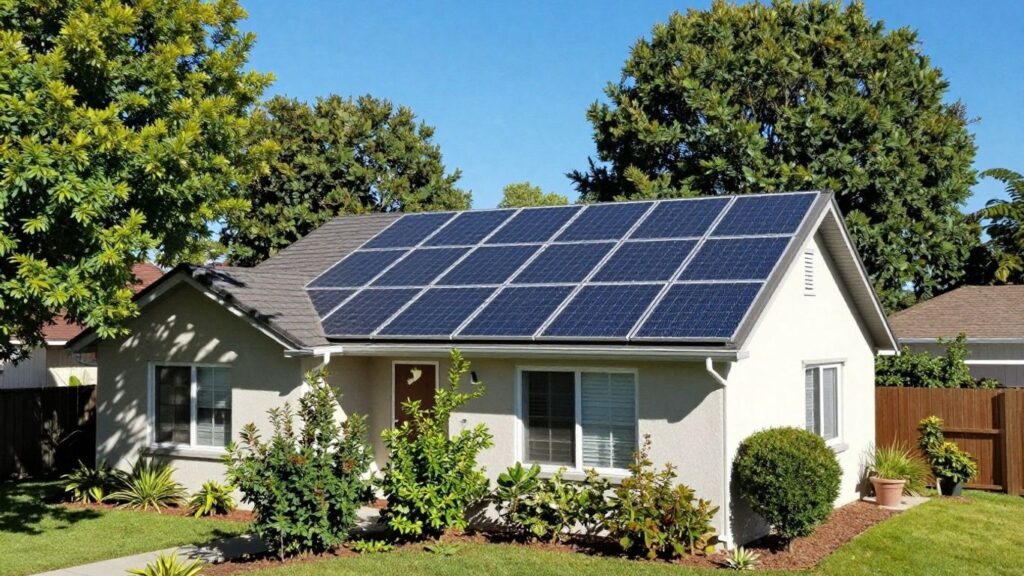
When I started looking into solar for my home, I quickly realized there are many solar companies in Virginia to choose from. It’s not just about picking the first name you see—every company has its own way of doing things, and the differences can really matter. I wanted to make sure I got a team that would do the job right, help me save money, and stick around if anything went wrong. So, I put together this guide to help anyone else who’s thinking about making the switch. Here’s what I found out about going solar in Virginia, what to look for in a company, and which installers stand out for home installations. Key Takeaways Why Choose Solar Power in Virginia? Considering going solar in Virginia? Honestly, that’s a pretty brilliant play. I’ve been researching it myself, and the reasons keep stacking. First of all, Virginia is very serious about clean energy and moving toward 100 percent renewable power by 2045. This is a big deal, and shows there’s plenty of support and movement for residential solar solutions in VA, etc. The biggest selling point for me is the possibility of saving money. The initial cost of solar panels may seem like a lot, but the total over the years really adds up. You’re effectively banking your own energy creation, rather than just paying the electric company every month. Most homeowners are able to get their systems paid for and then some. And with net metering, you can get credits for the power your panels produce and send back to the grid. It’s a win-win. Considering going solar in Virginia? Honestly, that’s a pretty brilliant play. I’ve been researching it myself, and the reasons keep stacking. First of all, Virginia is very serious about clean energy and moving toward 100 percent renewable power by 2045. If you’re new to the topic, it helps to understand what solar energy is and how it works before diving into installation. Here are a few things that make solar a good bet in Virginia: When it comes to solar incentives in Virginia, the landscape is ever-changing. State-level rebates can be rarer, but the federal tax credit alone should make a major difference in EV costs; plus, if you have a system that qualifies as producing SRECs, you’ll still be able to generate funds from your system! It’s worth checking the details for your region. When you begin to research solar energy contractors in Virginia Beach or anywhere else across the state, you’ll find a growing number of companies willing to assist. They can help you every step of the way—from evaluating your Virginia home solar power options to actual installation. It’s about bringing home solar energy to Virginia within reach of more people.” The technology has improved dramatically, and costs have decreased significantly to make it more affordable than ever for homeowners looking into home solar solutions in Virginia. Factors to Consider When Choosing a Solar Company So, you’re thinking about going solar in Virginia. That’s great! But before you jump in, picking the right company is a big deal. I’ve learned that not all solar installers are created equal, and a little homework now can save you a lot of headaches later. Here’s what I found myself looking into. Experience and Reputation This is a big one for me. How long has the company been in existence, really? I figured any company that had been in business for at least five years probably knows what it’s doing and isn’t just going to pull a vanishing act after installation. It means they don’t mess around with their work and have a system for document management when it comes time to deal with warranties or serving clients well into the future. It’s also worth knowing if they have any special certifications, such as NABCEP, or if their electricians are fully licensed. You want to know that they’re for real, and that their team is qualified. It also helps to know how long solar panels last because a good installer should support your system throughout its lifespan. Certifications like NABCEP and licensed electricians are also strong indicators of professionalism. Services Offered (Installation, Maintenance, Financing) Consider what you really need. You just want panels, or do you also want battery storage? Maybe you want a particular brand of equipment or even an electric vehicle charger installed. Ensure that the company you select is suitable for all of your required services. It’s much easier if one company does it all than to assign different contractors. And ask about their maintenance plans – what will happen once the installation is done? And financing is obviously a huge part of it. Not everyone can afford to pay cash up front, so understanding their loan, lease, or power purchase agreement options is the key. Finding a plan that works with your budget and financial situation is key. Financing is another big factor. If you’re unsure about payment options, reading about solar panel financing and payment options can help you determine which plan works best. Warranties and Guarantees This is your peace of mind. How long of a workmanship warranty does the company offer? I wanted a labor warranty of 10 years or more. That takes care of any problems that may arise from the installation itself. Some companies also provide performance guarantees, meaning that they promise your system will generate a certain amount of electricity. That’s a good additional layer of protection. You should also understand solar panel warranties and lifespan so you know exactly what’s covered if something goes wrong. Customer Reviews and Testimonials What are other people saying? I spent a fair amount of time reading reviews on places like Google and Yelp. It gives you a real feeling for how a company does business, from the sales end to the actual installation phase and customer service afterward. So, check possible trends in the reviews, are people generally satisfied or dissatisfied with some of its features? It’s helpful
Top Solar Companies in Phoenix for Home Installations
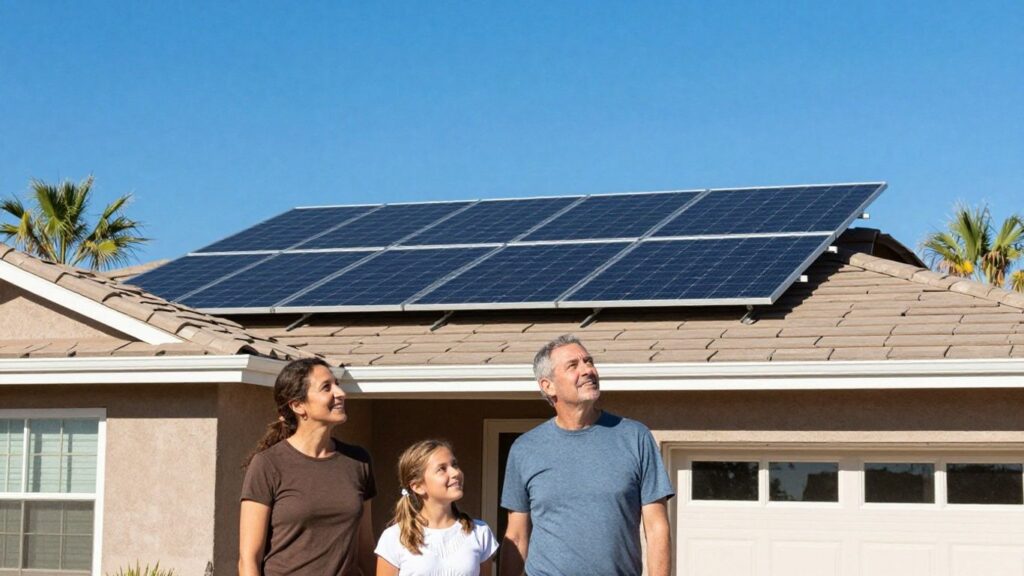
Thinking about putting solar panels on my house here in Phoenix? I’ve been looking into it, and honestly, it’s a pretty smart move. The sun shines a lot, which is great for solar, and our electricity bills can get pretty high. Plus, there are some good deals and programs out there to help make it more affordable. I’ve been doing some digging to find the best Solar Companies in Phoenix for home installations, and I wanted to share what I’ve found. Key Takeaways Why Go Solar in Phoenix? Even though I live in Phoenix and have always loved the sunshine, it wasn’t until a few years ago that I began to think about how much energy it could provide. As it turns out, this city is almost built for solar power. We get WAY more sun out here than in so many places in the country. As a result, solar panels can work their magic quite efficiently. If you’re new to the topic, it also helps to understand how solar power works and what solar energy is and how it works before deciding to install a system at home. Abundant Sunshine and High Energy Costs We all know how expensive electricity bills can be, particularly in those hot summer months when air conditioners are on 24 x 7. I mean, a lot of money just literally goes out the window. But with so many rays radiating down daily, it simply seems rational to attempt to harness some of that complementary energy. It’s a clever tool for killing those climbing energy costs and regaining some power over my monthly bills. I think the potential savings are really quite incredible because I have been researching Phoenix solar energy systems lately. Installing solar panels is one of the smartest ways to cut those bills. In fact, many homeowners install systems specifically because the benefits of installing solar panels include long-term savings and energy independence. Incentives and Rebates for Solar Installation In addition to the sunshine, there are also some pretty good incentives offered by the government and utility companies to switch. There were federal tax credits and, in some cases, local programs that could significantly reduce the initial cost of having solar panels installed. That makes the pitch to invest in solar so much more tangible. The first step toward seeing what kind of financial assistance is available in Phoenix is to get residential solar quotes from companies. It’s important to explore all the options so that you make the investment as affordable as possible. I just want to figure out how to get these quotes without getting stressed out behind it. There are alternative solar contractor options that I need to compare. That makes the pitch to invest in solar so much more tangible. If you’re evaluating your budget, it’s helpful to learn how much it costs to install solar panels and explore solar panel financing and payment options before making a decision. How to Choose the Best Solar Company in Phoenix Choosing the right solar company is a big decision, and it should be. You’re putting your home in their hands, your roof in their hands, and a lot of money.” Having gone through this process myself, I know the options can be slightly daunting. But fear not, I’ve determined a couple of things that helped solidify my direction. Before hiring anyone, it’s also a good idea to read about what to do before installing solar panels and make sure your home is suitable for solar panels. Key Factors to Consider When I began searching, I wrote down what was most important to me. It was not only about the lowest price, though that matters. Here’s what I focused on: Reading Reviews and Testimonials Once I had a shortlist based on the factors above, I did considerable reading to learn what others had to say. Online reviews are simply nuggets of information. I visited sites such as Google and Yelp, in addition to any solar-specific review websites. I looked for recurring themes; were the people generally happy with the installation? Was customer service good? But did the company deliver on promises? Do not just check the star ratings. Read the actual comments. A company with a handful of negative reviews but many more positive ones, one where they actually engaged with the complaints, was sometimes a better indicator than a company with five stars across the board and no detailed commentary. At the same time, it’s also important to stay cautious and learn how to avoid solar panel scams when comparing different installers. Understanding Warranties and Guarantees This is where I really dug in. Solar panels and inverters come with manufacturer warranties, but the company installing them should also offer its own warranty on the workmanship. I wanted to know: Also good to know is the performance guarantee. This is typically a guarantee that your system will generate an amount of electricity for a period of time. Understanding these points in advance can be a big headache saver later on. When I compared quotes from other installers at EnergySage Marketplace, it really showed me the differences in what companies offered for warranties and total value. If you’re new to solar systems, it’s helpful to read about solar panel warranties and lifespan and also understand how long solar panels last before making a purchase. Top Solar Companies in Phoenix for Home Installations So, you’re considering installing solar panels on your house here in Phoenix? That’s a good strategy given the amount of sun we have. But choosing the right company to perform that work is no small matter. I did some research, and if you look around enough, you start seeing a common name being mentioned continuously when people discuss the best residential solar panel companies in Phoenix or even solar installers in Phoenix, AZ. We know it can be a little daunting to get estimates with local solar providers in Phoenix when also comparing solar panel installation costs in Phoenix
Top Solar Companies in Houston for Home Solar Installation
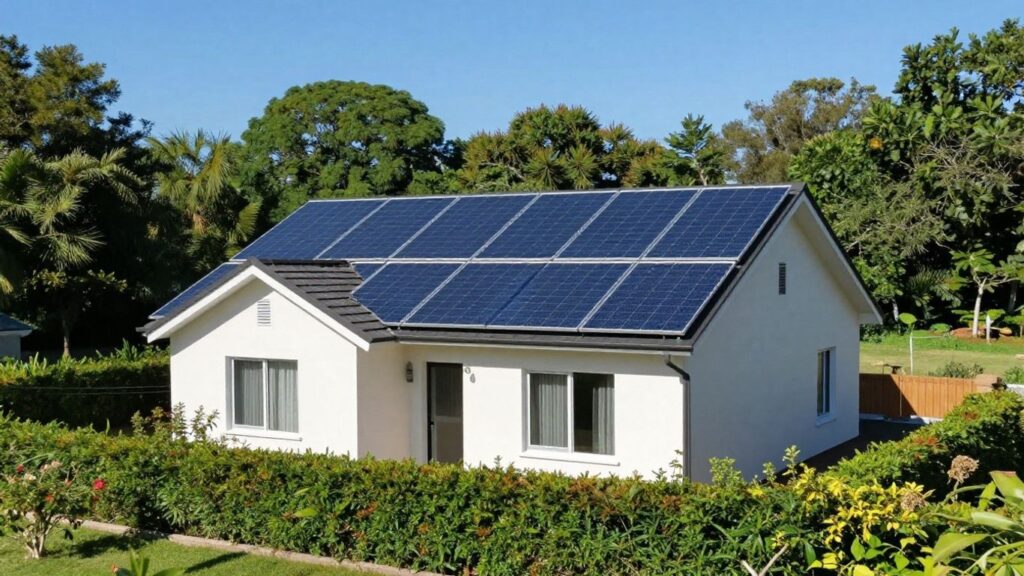
Thinking about putting solar panels on my Houston home felt like a big step. I knew it could save me money and help the environment, but figuring out who to trust with the installation was the tricky part. Houston has a lot of companies, and I wanted to make sure I picked one of the top solar companies in Houston that would do a good job and be around for the long haul. I did some digging, and I’m sharing what I learned to help you find the best fit for your place. Key Takeaways Check company experience. Solar companies that have been in business longer often provide stronger customer support and more reliable warranty service. Verify licenses and certifications. Make sure the company is licensed, insured, and properly certified to ensure professional installation and protection for homeowners. Explore financing options. Not every homeowner can pay upfront, so look for companies offering loans, leases, or power purchase agreements that match your budget. Review available services and products. If you want batteries, EV charging integration, or specific solar panel brands, confirm the company provides them. Read customer reviews. Check platforms like EnergySage, Google, and Yelp to understand real customer experiences and installation quality. Why Consider Solar Panels for Your Houston Home? Interested in going solar for your home here in Houston? It’s something I’ve been researching a lot lately, and quite frankly, the rationale is pretty powerful. First off, Houston gets a lot of sunshine — more than 2,600 hours a year on average. There’s a ton of free energy out there just waiting to be captured. And it’s more than the sunshine; there are some serious financial incentives. The federal solar tax credit is a biggie, allowing me to deduct a nice chunk of the cost come tax season. Texas has its own incentives that can substantially reduce the overall price. The idea of being less dependent on the grid and power outages, particularly when storms come through and make things a bit dodgy, seems appealing. This nice sense of security can be gained if I have my own home energy solutions, Houston-based has to offer. If you’re new to solar energy, it helps to understand how solar power systems actually work. You can read our guide on how solar power works and what is solar energy and how it works to get a clearer idea. Investing in solar panels is not only about saving money, even if that’s a big part of it. It’s also about moving toward a greener future and maybe increasing the value of my house. It seems like a smart move across the board. The idea of being less dependent on the grid and power outages, particularly when storms come through and make things a bit dodgy, seems appealing. Many homeowners are turning to residential solar panels to improve energy independence. When I crunch the numbers, the prospect of saving money on my electricity bill over time sounds really good. A normal Houston home can save tens of thousands over 25 years, many sources say, and the system pays for itself in less than 8 years. That’s a rapidly-repaying investment, and after that it’s just years of free electricity. If you want to know how much you can save based on your current situation, checking into solar panel installation in Houston, Texas, is a great first step. When I crunch the numbers, the prospect of saving money on my electricity bill over time sounds really good. Many homeowners report that solar panels can significantly reduce monthly energy bills. Here’s a quick rundown of why I’m leaning towards solar: Key Factors When Choosing a Solar Company in Houston So, you’re thinking about going solar here in Houston. That’s awesome! But before you jump in, picking the right company is a big deal. I’ve learned that it’s not just about the price tag; there are several things to really think about. Experience and Reputation The first thing that I always check is how long a company has existed. It makes sense, right? If they’ve been doing solar for, oh, five years or so, they likely worked the kinks out and have a good process. A lengthy track record generally tells you they take their work seriously and are still going to be there if something comes up later. It’s also wise to be sure they have the appropriate licenses and insurance. Like you just have that reassurance in your mind that they’re operating correctly and everyone’s safe.” It also helps to understand the solar panel installation process so you know what professional installers should be doing. Product Quality and Warranties What gear are they using? You love the fact that panels are strong, especially when it comes to our Texas sun. Another question I always ask is about the product warranty on the panels themselves, which varies between 10 and 25 years. And also the workmanship warranty, that’s on the actual installation. “Quality companies will stand by their work.” It can vary quite a bit, so it’s worth comparing what different companies offer here. Another thing I always check is the warranty. Solar equipment warranties can vary, so it’s helpful to understand solar panel warranties and lifespan before choosing a company. Customer Reviews and Testimonials This is a big one for me. I especially like seeing what other homeowners in Houston have said. You can get a sense of a company’s customer service and how they respond to problems by reading reviews on sites such as Google or Yelp. If many more are happy, that is a good sign. It helps, too, to ask neighbors who already have solar for any recommendations. Also, it helps to know common mistakes homeowners make. Learning how to avoid solar panel scams can protect you from unreliable installers. Pricing and Financing Options Let’s be honest, solar isn’t cheap up front. So, I seek out businesses that provide various payment options. Do they have financial plans that fit my budget? Perhaps
Solar Incentives
Solar Incentives and Rebates in Virginia 2026
Virginia policy correction — October 2, 2026 Dominion’s published net-metering guidance describes credits offsetting future consumption and a separate agreement for remaining year-end excess. Check the current approved tariff for your utility; do not treat an old proposed reduction as an enacted rule. Dominion guidance. Earlier proposal scenarios below are retained as historical context, not approved current rates or current payback forecasts. The former May 2026 urgency message has been withdrawn. Exact successor-tariff fees and cash-out terms require the final approved tariff. If you’re researching solar in Virginia in 2026 and feeling confused about where things stand, you’re right to be. The landscape changed significantly at the end of 2025 and is actively changing again right now. Dominion’s published net-metering guidance describes credits offsetting future consumption and a separate agreement for remaining year-end excess. Check the current approved tariff for your utility; do not treat an old proposed reduction as an enacted rule. Dominion guidance. The former May 2026 decision deadline is past and is not a current reason to rush into a contract. Here is the honest truth: Virginia’s solar incentive stack was never as generous as states like Illinois or California. There is no state tax credit. There is no statewide rebate programme. What Virginia has and what has made solar genuinely worthwhile here, is full retail net metering, a growing SREC market, and a property tax exemption that varies by locality. Dominion’s published net-metering guidance describes credits offsetting future consumption and a separate agreement for remaining year-end excess. Check the current approved tariff for your utility; do not treat an old proposed reduction as an enacted rule. Dominion guidance. The former May 2026 decision deadline is past and is not a current reason to rush into a contract. Virigina Solar Incentives 2026 Current status of all major federal, state, and local solar incentive programmes Virginia Solar Incentives Table Incentive Status Value (Typical System) Federal 30% Tax Credit (ITC) ❌ Expired Dec 31, 2025 $0 for new installs State Solar Tax Credit ❌ Does not exist N/A Statewide Solar Rebate ❌ Does not exist N/A Net Metering (Dominion / APCo) Active — utility-specific terms Check the current approved utility tariff SREC Programme ✅ Active & growing ~$585–$910/year ongoing Property Tax Exemption ✅ Active — varies by locality ~$100–$400/year saved Virginia Solar For All 🔄 In development TBD — EPA funded 2024 Virginia Clean Economy Act ✅ Active Policy framework, no direct cash Last updated March 2026 · livingwithsolar.com What Expired — And What It Means for Virginia Homeowners The federal Residential Clean Energy Credit, the 30% ITC , gave Virginia homeowners a direct tax credit equal to 30% of their total solar installation cost. For a typical Virginia system costing around $22,000 to $28,000, that was worth $6,600 to $8,400 off their federal tax bill. For systems installed after December 31, 2025, the residential credit is zero. Quote Block ⚠️ Important If your system was installed and operational before December 31, 2025, you can still claim the 30% credit on your 2025 tax return. Speak to a tax professional if this applies to you. SG Sophia Green Founder · Living With Solar This matters more in Virginia than in some other states because Virginia does not have a state tax credit or statewide rebate to partially offset the loss. In Illinois, Illinois Shines picks up much of the slack. In California, SGIP and the property tax exclusion remain strong. In Virginia, the federal credit was doing most of the heavy lifting, and now it is gone. Net Metering in Virginia 2026 — The Situation You Must Understand Before Installing This is the most important section of this entire guide. If you are considering solar in Virginia right now, the net metering situation is the single biggest factor affecting your decision — and most websites aren’t covering it clearly. How net metering works today in Virginia: Dominion Energy and Appalachian Power Company currently offer full retail rate net metering on a 1:1 basis. For every kilowatt-hour of excess solar electricity you send to the grid, you receive a credit equal to the full retail rate you pay, approximately $0.14 per kWh for most residential customers. Credits accumulate over a 12-month period and can be rolled over or cashed out at the avoided cost rate at year end. This policy is what has made solar financially viable in Virginia. Without the federal credit, full retail net metering is now the primary financial engine of a Virginia solar installation. What Dominion Energy has proposed to change: In May 2025, Dominion Energy submitted a formal proposal to the Virginia State Corporation Commission to replace full retail net metering with a dramatically reduced export credit structure: The most aggressive version of their proposal would reduce the export credit to as low as $0.048/kWh — a ~65% reduction from current rates, if they also claim your SRECs. Net Metering Scenarios Table Scenario Export Rate Impact on Payback Current (full retail) ~$0.14/kWh 9–12 years Historical proposal scenario (with SRECs) ~$0.095/kWh 13–16 years Historical proposal scenario (without SRECs) ~$0.048/kWh 18–22 years Source: SCC filing estimates · livingwithsolar.com Solar Renewable Energy Credits (SRECs) — Virginia’s Ongoing Income Stream The SREC programme is Virginia’s most underappreciated solar incentive — and in 2026, it is becoming more valuable, not less. Under Virginia’s Clean Economy Act (VCEA), utilities are required to source a certain percentage of their electricity from solar. To meet these requirements, they purchase Solar Renewable Energy Credits from system owners. You earn one SREC for every 1,000 kWh of electricity your solar panels generate — roughly one SREC per month for a typical residential system. Important Notice Block ⚠️ Important — SREC Ownership To own your SRECs you must own your solar system. Leases and PPAs transfer SREC ownership to the installing company in most contracts. Always verify SREC ownership terms before signing any contract — and be aware that Dominion’s proposed net metering changes would attempt to claim your SRECs as part of a bundled