2026’s Best Solar String Lights – Affordable & Durable Options

This year, I’ve been really looking into making my backyard a bit more inviting, especially for those evenings when I want to just relax outside. One thing that caught my eye was solar string lights. They seem like a great way to add some mood lighting without a lot of hassle or extra electricity costs. I’ve been doing some digging to find the best ones for 2026, focusing on options that won’t break the bank but will also last more than just one season. It turns out there’s quite a bit to consider, from how bright they are to how well they hold up in bad weather. Key Takeaways Why Choose Solar String Lights for Your Outdoor Space? To be honest, I have been trying to figure out how to make my backyard a little more hospitable for those nights that I just want to hang out outside. That is where these outdoor solar-powered lights dazzle. They’re more than just some sparkle; they really make a difference in how I utilize my outdoor space. For me, one of the biggest draws is how easy they are to set up. No complicated wiring. No calling an electrician: you hang those up, make sure the solar panel lantern gets some sun, that’s about all she wrote.” It’s a big relief not having to contend with extension cords running all over the lawn. And the environmental side is a nice touch. By using outdoor solar-powered lights, I am using a renewable energy source. I feel good about lowering my dependence on the grid and shrinking my carbon footprint. It’s a tiny measure, but each adds up. These lights are also quite versatile. Whether I’m attempting to establish a cosy vibe for a dinner party or merely want some soft light for an after-hours chat, they do the trick. They’ve seriously turned my patio into a space I want to hang out in even longer. They provide a lovely combination of atmosphere, usability, and sustainability. Setup is simple: no wiring or electricians. Hang them, position the panel, and they work. For more on setup, see steps to install solar panels on your roof. Using these lights taps into renewable energy. I feel good reducing grid dependence and shrinking my carbon footprint. They’re versatile, perfect for dinner parties or quiet nights. Solar panels can affect your monthly energy bill, which makes these lights both eco-friendly and practical. It’s incredible how the ambience of a space can be altered dramatically just by a strand or two of lights. If you’re going to be upgrading your outdoor space, I truly believe the best decision that you can make is to consider outdoor solar-powered lights. One of the best things about these is that they’re an easy way to add charm without a lot of hassle. Key Features to Consider in 2026’s Best Solar String Lights When I search for solar string lights, I don’t pick the first pretty set that catches my eye. There are a couple of checklists I’ve learned to run through when looking at appliances that can really affect how well they work, and for how long. It’s not just the price tag; it’s about getting something that genuinely works year after year. Brightness and Lumens This is pretty straightforward. More lumens mean brighter light. For overall atmosphere, I typically want lights with a soft and warm glow, but if I need to shed light over a particular spot or two, lumen output is what I’ll be after. These lights might be advertised as “bright,” but there’s no way to compare them without a lumen number. I look for lights that let me see roughly what their brightness is, so I can know what I’m getting. More lumens equal brighter light. For ambiance, I prefer soft, warm glow, but for tasks, higher lumens are better. Learn about how solar energy works at night. Battery Life and Charging Time This is a big one for me. I need lights that are going to stay on all night, like those long summer evenings. It makes a lot of difference, though—the battery chemistry. Some less expensive lights use older NiMH batteries, but I’ve found LiFePO₄ batteries to be much better. They hold a charge longer, particularly in cooler weather, and they last many more charge cycles. This means they will not become obsolete as quickly over the years. I also consider how long it takes to charge the panel. A full day of sun should be sufficient to tide them over through the night, but if you live in a part of the world that doesn’t have as consistent access to sun, this is something you’ll need to pay more attention to.” Battery chemistry matters. LiFePO₄ batteries hold a charge longer than NiMH, especially in cooler weather. Read more about residential solar panels. Durability and Weather Resistance (IP Rating) Now, this is where things get a bit technical, but it matters. The IP rating indicates the lights’ protection from dust and water. For outdoor lights, I want at least an IP65 rating, so these can withstand rain and dust fairly well. But I’ve discovered that the IP rating is not the be-all and end-all. Just as important are the materials they use. I need UV-stabilised polycarbonate housings as they don’t get brittle and crack after a few years in the sun like cheaper plastics will. Also, inspect the fasteners; stainless steel is far superior to plated steel, which can rust. IP rating shows dust and water protection. Look for UV-stabilised polycarbonate and stainless steel fasteners. See solar panels and trees: impact on performance. The true test of durability is not just weathering one storm, but holding up to years of sun, rain, and temperature changes without deteriorating. Don’t take the basic water resistance rating at face value; look for the actual materials and quality of construction. Light Modes and Settings These days, most solar string lights have a couple of modes to choose from, such as
Solar Incentives & Rebates in California 2026
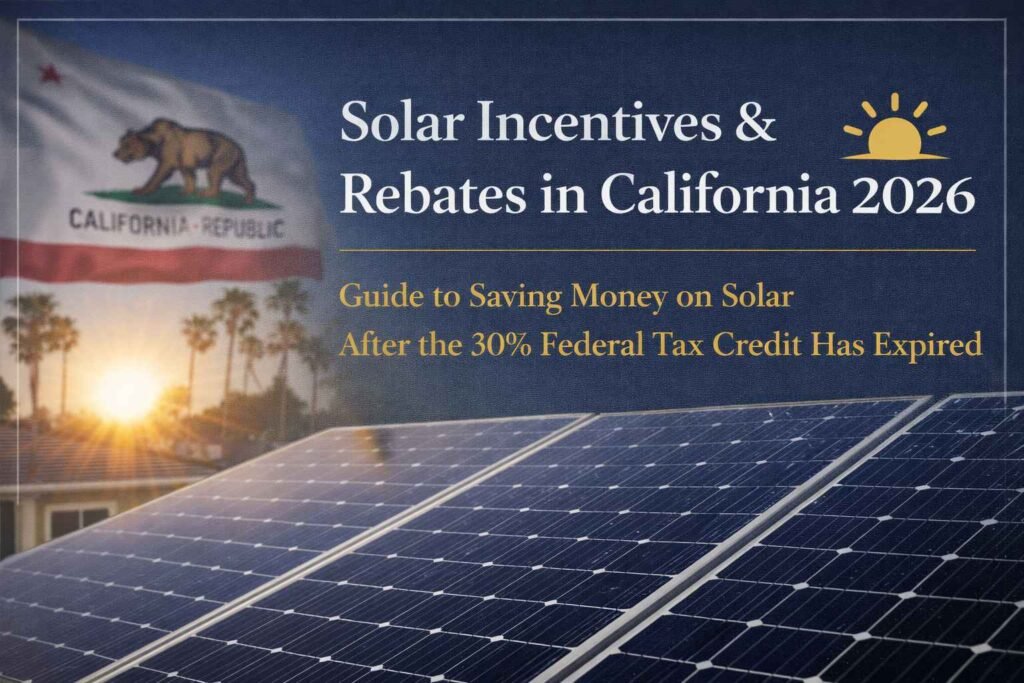
If you’ve been researching solar in California and just found out the 30% federal tax credit expired on December 31, 2025, you’re not alone, and you’re right to feel confused. Most of what you’ll read online still talks about the federal credit as if it exists. It doesn’t. Not for new residential installations completed after that date. But here’s what those same articles won’t tell you clearly: California still has some of the strongest solar incentives in the country — and the combination of rising electricity rates, strong year-round sun, and remaining state programs means solar still makes serious financial sense for most California homeowners in 2026. The math changed. The opportunity didn’t disappear. This guide covers every program still available to California homeowners in 2026, what each one is actually worth, who qualifies, and how to stack them correctly. California Solar Incentives 2026 — Quick Snapshot Solar Incentives Table California Solar & Battery Incentives Incentive Status Who Qualifies Federal 30% Tax Credit (ITC) Expired Dec 31, 2025 $0 for new installs Property Tax Exclusion Active (until Jan 1, 2027) All homeowners SGIP Battery Rebate Active (waitlists apply) PG&E, SCE, SDG&E, SoCalGas customers SGIP Equity Resiliency Active — highest value Low-income, high fire-risk areas DAC-SASH Program Active Low-income, disadvantaged communities RSSE Program Active — $280M funded Income-qualified households Net Billing (NEM 3.0) Active — reduced credits All new grid-tied systems Local Utility Rebates Varies by utility Select municipal utility customers PACE Financing Active All homeowners (financing, not rebate) WHAT EXPIRED — AND WHAT IT MEANS The federal Residential Clean Energy Credit, the 30% Investment Tax Credit (ITC), applied to any solar system installed and operational before December 31, 2025. For a typical California system costing around $22,000 to $28,000, that credit was worth $6,600 to $8,400 directly off your federal tax bill. For systems installed after December 31, 2025, the residential credit is zero. “ If your system was installed and operational before December 31, 2025, you can still claim the 30% credit on your 2025 tax return. Speak to a tax professional if this applies to you. SG Sophia Green Federal Tax Credit eligibility note This is a real change and worth acknowledging honestly. It lengthens payback periods for most California homeowners. But California’s electricity rates — among the highest in the nation — and its remaining incentive stack mean the long-term financial case for solar remains strong. ☀️ See also Full breakdown of how federal and state solar incentives changed in 2026 How Much Do Solar Panels Cost in California in 2026? The average solar installation in California costs $2.44 per watt before incentives, according to EnergySage February 2026 marketplace data — down from $2.80/W in 2023. California has seen significant price compression as installer competition increased and panel costs fell globally. For a typical 9 kW system that works out to approximately $21,960 gross before any incentives. After SGIP and property tax exclusion, most California homeowners are looking at a net cost of $13,000 to $18,000 depending on system size, utility territory, and SGIP eligibility. Cost by System Size — California 2026 System Size Gross Cost Est. Net After Incentives Best For 5 kW $12,200 $7,700 – $9,700 Smaller home, low usage 7 kW $17,080 $10,580 – $13,580 Average 2-bed home 9 kW ★ typical $21,960 $13,460 – $17,460 Average 3–4 bed home 12 kW $29,280 $18,280 – $23,280 Large home / EV 15 kW+ $36,600+ $22,600+ High usage / pool / EV fleet *Net cost estimates include SGIP standard rebate ($150/kWh, 10kWh battery) and property tax exclusion value. Does not include equity or DAC-SASH programs. What affects your final cost most in California is not the panel brand — it’s your utility territory, your roof complexity, and whether you add battery storage. San Diego homeowners typically see the strongest ROI despite higher installation costs because SDG&E rates are the highest in the country. PG&E vs SCE vs SDG&E — Does Your Utility Affect Your Savings? Yes — significantly. Your utility determines your electricity rate, your TOU schedule, your NEM 3.0 export credits, your SGIP program administrator, and even your interconnection wait time. Two California homeowners with identical solar systems can have very different financial outcomes based on nothing more than which utility serves their address. California Utility Solar Comparison Utility Service Area Peak Rate Range Solar Notes PG&E Northern / Central CA $0.35 – $0.47/kWh peak Complex TOU, highest rates SCE Southern CA (excl. SD) $0.28 – $0.42/kWh peak TOU-D-PRIME recommended SDG&E San Diego $0.40 – $0.55/kWh peak Highest in nation — best solar ROI LADWP Los Angeles city $0.22 – $0.32/kWh peak Still on NEM 2.0 style billing SMUD Sacramento area $0.18 – $0.28/kWh peak Lower rates, strong solar support Key differences that affect your solar economics: ✓ Pro Tip Always ask your installer to show you a bill savings projection specifically modeled on your actual utility’s TOU rate schedule — not a generic California average. The difference can be thousands of dollars over the system’s life. PROPERTY TAX EXCLUSION PROTECT YOUR HOME’S VALUE California offers an Active Solar Energy System Exclusion that prevents your solar installation from increasing your property tax assessment. In plain terms: solar will increase your home’s market value, studies consistently show increases of $15,000 to $25,000 for a quality residential system, but it will not increase what you pay in property taxes. This exclusion is currently active for systems completed before January 1, 2027. At California’s average effective property tax rate of around 0.75%, a $20,000 increase in assessed value would cost you roughly $150 per year in additional taxes. Over 25 years that’s $3,750 saved, completely invisibly, just by going solar before the exclusion deadline. This is not a rebate you apply for. It is automatically applied to qualifying solar installations. Make sure your installer is aware of the exclusion so it is properly documented with your county assessor. SGIP — THE BATTERY REBATE THAT CHANGES THE CALIFORNIA CALCULATION The Self-Generation Incentive Program (SGIP) is California’s flagship battery
Top Solar Companies in Los Angeles 2026: Compare Services & Prices

Thinking about going solar in Los Angeles for 2026? It’s a big decision, and I know I spent a lot of time trying to figure out the best way to do it. With so many companies out there, it can feel overwhelming. I wanted to put together a guide to help you sort through the options, looking at what really matters when you pick a solar company. My goal is to make this process a bit clearer for you, just like I wished it had been for me. Key Takeaways Why Go Solar in Los Angeles? Have a mind to switch to solar power here in Los Angeles? It’s a pretty clever move, to tell the truth. The sun shines a lot here, which equals a lot of free energy just waiting to be harnessed. For me, the biggest incentive is reducing those skyrocketing electricity bills. 4. Imagine never having to mingle again with the utility company or other utility companies that will eventually raise rates. And it’s nice to do something positive for the environment. We’re on about renewable energy solutions Los Angeles needs, and solar makes up a major part of that. Starting could be a little intimidating, but it’s basically just knowing your choices. It’s worth doing a few residential solar quotes in Los Angeles has available. This allows you to compare prices and determine what type of system makes sense for your home. Avoid taking the first offer; seeking several quotes is part of how you find affordable solar power that Los Angeles residents can actually utilize. Here’s a quick rundown of why it makes sense: Here are things to watch out for when you start searching for solar system quotes Los Angeles companies offer. Price isn’t everything; it’s about the quality of the equipment, warranty, and reputation of the company. Residential solar solutions Los Angeles installers offer are not all built alike. Key Factors When Choosing a Solar Company in LA Choosing a solar company seems like a pretty big deal, and it is. I mean, you’re trusting someone to put holes in your roof and install a system that ought to work for decades. So what am I supposed to look for? I’ve done some digging, and here is what seems important. Licensing and Certifications First, I want to verify that the company is real.” That means making sure they have proper licenses and insurance. It isn’t as simple as them being professional; it’s fulfilling myself too.” I know that looking for NABCEP Certified professionals on staff or certified electricians can be a great sign. It demonstrates that they take their work seriously and have reached particular standards. Experience and Reputation How old is the company? I think if a company has been around for at least five years, they must know what they’re doing. They are more likely to have solid customer service and warranty support. It means they’re not just looking to make a quick buck and walk away. Reading reviews from other homeowners is also a big part of this for me. Services Offered (Installation, Maintenance, Monitoring) I want to ensure the company can fulfill everything I require. If I’m considering a battery storage system down the road, I should search for residential solar contractors in LA that specially install those types of systems. It’s nice if they do maintenance and monitoring as well, so I don’t have to find another company for that later on. Equipment Quality and Warranties What are they using for panels and inverters? I want to know they’re working with reliable systems that will hold up. And what about warranties? A good warranty on both the equipment and the installation work reassures me. I understand that some good warranties last for 25 years or more. Financing Options and Pricing Let’s be real here, solar is not cheap upfront. Now I have to look for a company that has payment plans that fit into my budget. It’s crucial to get quotes from several installers here. Because even with Allen’s, I’m looking at the total system cost, and the price per watt compares apples to apples. If a price seems too good to be true, it’s also a red flag; they must charge fair prices so they can stick around and provide support later. But when comparing quotes, consider the size of each system and its estimated energy output. If one quote is very different from the others, ask why. Maybe it is something simple, like how they measure shade from trees. Solar is not cheap upfront. Look for a company that has payment plans and financing that fit into your budget. Comparing total system cost and price per watt ensures fair pricing. I’m also looking at how I will finance it all. They may be loans, leases, or power purchase agreements. The one that makes the most sense for me, I need to see. Fortunately, solar in California averages a cost of about $2.14 to $3.22 per watt, so anything below this can be considered a good price. Top Solar Companies in Los Angeles for 2026 Choosing which solar company in Los Angeles to go with can feel like a daunting task. I understand that. It can be confusing because there are so many options, and you want to make sure that you get a good deal and reliable service for the years ahead. So I have researched and compiled a list of the most significant contenders so far for 2026. Company A: Ameco Solar Another big positive in my viewpoint is that Ameco Solar is an established name. They have been around a while in Southern California. Author: It appears they know what they are doing, especially when it comes to combining solar installs with roofs. This type of concurrent service can be quite useful. They’re well-regarded as a local option, which is great when you’re talking about something so vital to your home as energy. Company B: NRG Clean Power NRG Clean Power •
5 Best Solar Companies in Chicago (Complete Guide 2026)

Thinking about putting solar panels on my roof here in Chicago? I’ve been looking into it, and it seems like a pretty good idea, especially with how much electricity bills can jump around. My main goal is to figure out which of the many solar companies in Chicago are actually worth my time and money. This guide is what I’ve put together based on my research to help me, and maybe you, too, make a smart choice for going solar in 2026. Key Takeaways Why Go Solar in Chicago? Well, I’ve been pondering switching to solar energy here in Chicago. It feels like a big decision, but the more I research it, frankly, the more sense this makes for me and my home. If you live in our city, we’ve got some darn good reasons for getting on the solar bandwagon. Environmental Benefits Now, first off, the planet. By using solar energy, I am reducing my dependence on fossil fuels. That’s a good thing, right? It means less stuff in the air that we breathe, which I care about. Also, making my own clean electricity seems like a helpful thing for me to do. It’s not just me, either; it’s helping everybody have a cleaner Chicago in the future.” Financial Incentives and Savings Now, onto the part that really grabs my interest: the money. What I discovered is that there are actually several incentives that make residential solar options in Chicago far more affordable than I anticipated. The federal solar tax credit is significant, allowing me to deduct a substantial portion of the cost from my federal taxes. Illinois has some state-level incentives, too, like a property tax incentive in which property taxes won’t increase because of the solar system. Then there’s net metering, which credits excess electricity back to you. These savings pile up quickly over time. It means not just lower energy costs today but the ability to lock in lower energy costs for tomorrow. Investigating the residential solar solutions Chicago has available has really enlightened me when it comes to the financial benefits. It’s not a bad investment for my home, and I’m thankful to have many options when it comes to residential solar in Chicago. Switching to solar energy is not only an eco-conscious decision, but it is also a financially sound one, especially with current incentives. It’s about controlling my energy bills and positive impact.” How to Choose the Best Solar Company in Chicago Selecting a solar company can feel like a big decision. You’re trusting someone to put panels on your roof and handle technical work for years. Here’s what I found matters most. Key Factors to Consider When I began my search, I jotted down the few things that were truly important to me. First things first, how long has the company existed? It may sound simple enough, but a company that’s been around for at least five years usually means they’re pretty stable and know what the hell they’re doing. They’re somewhat more likely to still be in business to honor warranties, a major plus. I also verified they were properly licensed and insured. It just makes me feel a lot better knowing that everyone is protected.” Another consideration I took a look at was the range of services and products they provide. Do they only do panels, or can they also do battery storage or EV chargers if I decide I want to add those later? It’s nice to know what your options are. And of course, I looked at customer reviews. Learning what others in Chicago underwent really helped me eliminate the ones that would be headaches. Questions to Ask Potential Installers Once I narrowed it down to a shortlist, I began asking questions. Make sure to gather quotes from at least three other companies for comparison. Here’s what I started asking myself: How much does it cost in total, and how much per watt? It helps me see if a quote is reasonable relative to the average in Chicago — typically $2.06 to $3.08 per watt. There should be zero hesitation in asking about anything you don’t understand in the quote or contract. A decent company will gladly clarify things well. It’s your home, and it’s your investment, after all. If you aren’t paying cash upfront, it’s also worth asking about financing options. Loans or leases, many companies provide and with knowledge of these aids, you can find a budget-friendly way. The best solar installers Chicago has to offer don’t come around easily, but with a little bit of work, they’re on hand to ensure your installation is as quick and painless as possible — and you are completely satisfied for the years to come. Also, inquire about financing options. Loans or leases can make it budget-friendly. Top Solar Companies in Chicago for 2026 Choosing a solar panel provider can seem daunting with so many Chicago solar providers in the market. At that point, I researched the best solar energy solutions IL has for 2026, and below is what I discovered. This isn’t just finding a company, it’s finding a partner who is going to stick with you for the long run and ensure that your system continues to deliver year after year. 1. Next Solar — Trusted High-Volume Installer in Chicago Founded in 2015, Next Solar earned a solid reputation in the Chicago area. Marc’s has completed more than 10,000 installations and received hundreds of positive customer reviews; its reputation for consistent workmanship and a straightforward sales process make the company a strong contender. They have been vetted and verified for quality and trust by major solar marketplaces, which means they are rated as an Elite+ Installer. Homeowners also turn to Next Solar because they offer competitive pricing with strong customer service. Their long track records give customers confidence that warranty support and long-term maintenance won’t run dry after project completion. If you seek among reputable solar energy companies in Chicago that have established solar installation experience,
How Many Solar Panels Do You Need to Power a Whole House in 2026?
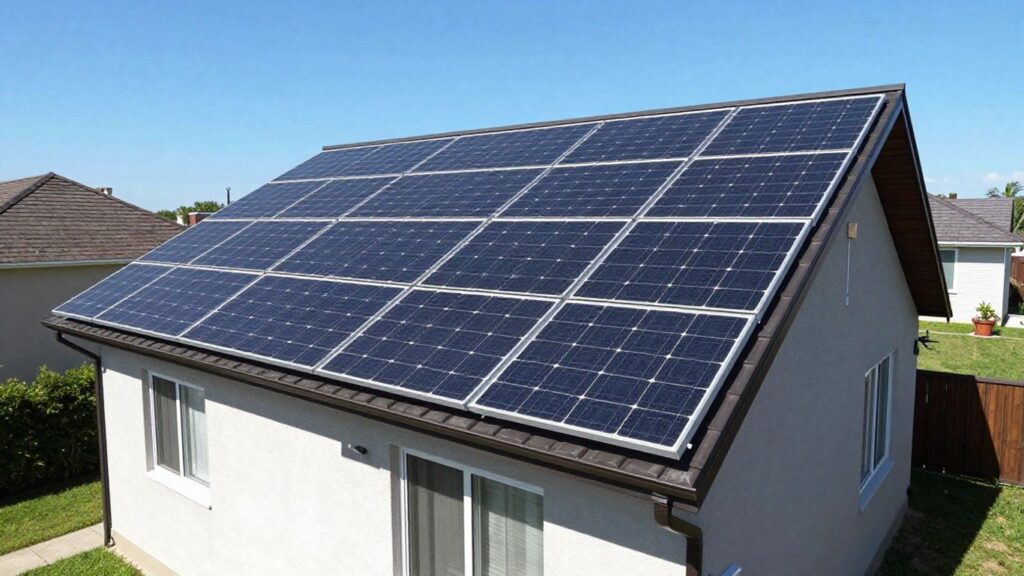
Thinking about powering your whole house with solar panels? It’s a big question, and honestly, the answer is usually yes, but with some important details to consider. We’ve all seen those sleek panels on roofs, and the idea of generating your own clean energy is pretty appealing. But can they really handle everything your home throws at them, day in and day out? We have all seen those sleek panels on rooftops, and if you are new to the topic, it helps to first understand _What Solar Energy Is and How It Works_. The idea of producing your own electricity is attractive, but the real question is whether it can handle everything your home uses every day. This complete 2026 guide breaks down how much electricity your home actually needs, how systems operate, and what determines if your house can run fully on solar. Key Takeaways Solar panels can power an entire house, but the system must be properly sized based on your home’s electricity usage and available sunlight. Solar panels generate electricity during daylight hours, and battery storage is essential for powering your home at night or during cloudy conditions. Your location, sun exposure, appliance usage, and total wattage directly influence how large your solar panel system needs to be. Modern solar technology is more efficient and affordable, making whole-home solar power a realistic option for many households. Although the upfront investment can be significant, solar panels provide long-term energy savings and support a cleaner environment. Understanding Your Home’s Energy Needs The first thing you want to do, even before you start thinking about installing solar panels, is determine how much electricity your house actually consumes. This may sound simple, but it’s more than a hunch. Understanding your home’s energy usage is the foundation of any solar system plan, particularly if you are intending to run the entire property. For a step by step method, check _How to Calculate Your Home’s Solar Energy Needs_ to get precise figures. How Much Electricity Does a Typical House Use? This number can flex quite a bit based on where you live, the size of your house, and, of course, how you live in it. But to provide a rough frame of reference, U.S. homes use an average of about 800 to 1,000 kilowatt-hours (kWh) every month in electricity. That is the energy that heats your lights, your refrigerator, and your television, and is turned on by everything else you are putting in a wall. For a more specific number for your home, the best source is your previous electricity bills. Most utility companies offer a breakdown of your usage for the previous 12 months. Tallying those monthly bills and dividing by 12 will provide you with a good average. This is all better than taking a lucky guess, since your actual usage could be higher or lower than average. If you want to understand what that means in real savings potential, see _How Solar Energy Can Help You Save on Your Energy Bills_ for a realistic financial breakdown. Factors Affecting Your Home’s Energy Consumption So, what makes one house use more juice than another? A bunch of things, really. Knowledge of these factors gives you insight into where your energy is flowing. You know, it’s not just about the total number; it’s about finding out what your biggest ones are so that you can adjust and potentially change them, or so you can accurately size your solar system if that time comes to cover those specific needs. Older refrigerators and HVAC units use far more energy. If you are unsure how solar impacts your monthly bill structure, review _How Solar Panels Affect Your Monthly Bill_ for clarity. Also, small loads add up. Learn how panels can help with standby consumption in _Do Solar Panels Reduce Vampire Power?_. The Basics of Solar Panel Systems for Homes So just how do the shiny things on your roof turn sunshine into power for your toaster and TV? It’s actually pretty straightforward. A solar panel is a group of multiple small solar cells. When sunlight strikes these cells, it excites electrons to create a flow of electricity. This electricity is Direct Current (DC), and your home appliances run on Alternating Current (AC). And that is where the wizardry of the inverter comes in. It’s the device that converts the direct-current electricity coming from the panels into alternating-current electricity, which your home uses. How Solar Panels Generate Electricity It all begins when photons from the sun strike photovoltaic (PV) cells, typically composed of silicon. These photons displace electrons from their atoms. The structure of the PV cell then channels these free electrons to move in one direction, producing an electrical current. This is the crux of solar power for home energy. This means that the more sunlight they receive, the greater the amount of electricity generated. If you want a deeper technical explanation, explore _How Solar Power Works_. Components of a Residential Solar Power System A typical residential solar power system isn’t just panels. You’ve got a few key players working together: Getting the appropriate solar panel system capacity for your home involves optimizing these components to suit your individual requirements. It’s not just haphazardly slapping up some panels on a roof; it is an engineered capacity to generate solar energy for residential purposes. For example, how many solar panels for a house you’ll need is heavily reliant on your energy consumption and the sunlight in the area. This entire setup constitutes a whole residential solar power system. To understand inverter options, compare _String Inverter vs Micro Inverter_ and also review _What Is a Solar Inverter?_. If you are planning a full setup, the step by step guide _How to Setup a Solar Panel System_ explains configuration basics. Solar Panels to Power an Entire House The Key Factors So, can you actually run your whole house on solar energy? The short answer is yes, but it’s not as simple as just slapping a few panels on
Can Solar Panels Power a Whole House? Complete Guide 2026
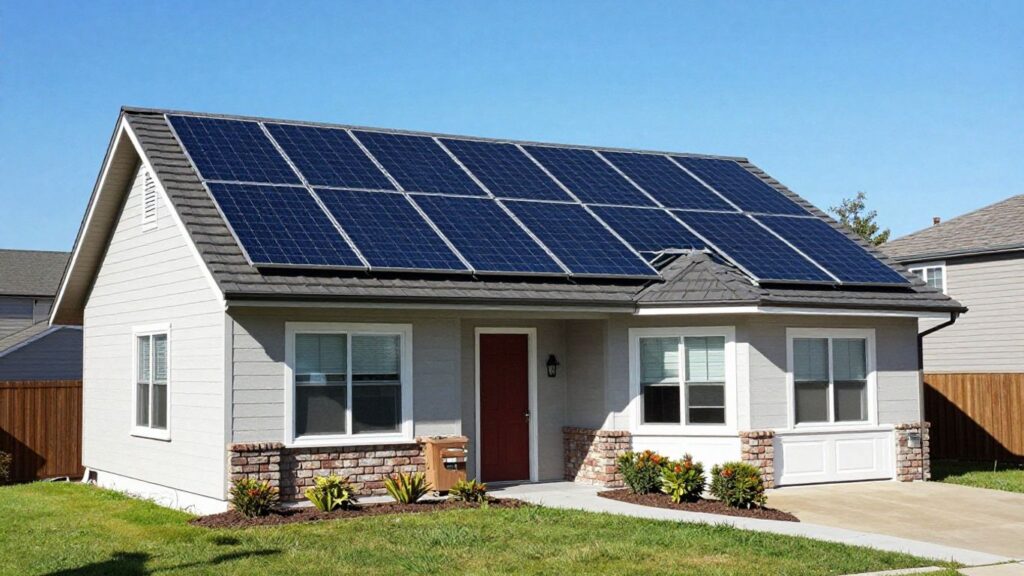
Lately, I’ve been thinking a lot about switching to solar power. Every month, my electric bill seems to creep up, and I keep hearing about neighbors who’ve gone solar and barely pay the utility company anymore. But the big question I keep coming back to is, can solar panels power a whole house? I mean, is it actually possible to run everything, fridge, lights, TV, even the AC, just from the sun? If you’re wondering the same thing, let’s break it all down together. I’ll walk through what it really takes to run your whole home on solar energy in 2026, what you need to consider, and where the technology stands today. Key Takeaways Understanding Your Home’s Energy Needs Before I could even think about solar panels, the first thing I needed to determine was how much electricity my house uses. It sounds simple, right? But it’s more complicated than you might think. You can’t just take a wild stab; you have to come up with some reliable number. This serves as the basis for all else. To understand what’s going on, I reviewed my electricity bills from the last year. I searched for how many kilowatt-hours (kWh) I used monthly. That means an average American household consumes a little over 10,791 kWh per year, or in other words, about 30 TkWh per day. Mine was running a little higher, with the air-conditioning on high in the summer months. Knowing this number is the first most important step. I reviewed my electricity bills from the last year and looked at total kilowatt-hours used monthly. The average U.S. home consumes around 10,791 kWh per year, roughly 30 kWh per day. Mine was higher during peak summer AC months. If you are unsure how to calculate this properly, check How to Calculate Your Home’s Solar Energy Needs. Here’s a basic way to start tracking your own usage: This kind of detailed breakdown helps you get a sense of where your energy is actually going. It’s not only about the big stuff; even small electronics can pile up over a few years. A detailed analysis is critical to accurately sizing a solar system that will be able to meet your needs without being unnecessarily large or outside of the size needed. This detailed breakdown helps avoid under-sizing your system. If you’re wondering whether solar even makes sense for your property, read Is Your Home Suitable for Solar Panels? before moving forward. How Solar Panels Generate Electricity So, how does all this magic work? And it begins, of course, with the sun. Those dark panels you see on rooftops are actually made up of numerous small photovoltaic (PV) cells. When light strikes those cells, they get energized and begin to generate a type of electricity called direct current, or DC. The Role of Inverters and Batteries Which brings me to the thing: your house does not run on DC power. All your appliances and lights, indeed, everything else, use alternating current, or AC. And this is where an inverter comes in. That’s a pretty critical piece of equipment, as it takes the DC electricity generated from the panels and converts it to AC electricity that your home can actually leverage. It’s a lot like a translator, ensuring solar energy speaks your home’s language. Some solar systems come with batteries as well. This is just like a little power bank for your solar energy. If your panels are generating more energy than you’re consuming at a moment, the surplus can be saved in the battery. This is really useful for cloudy days or at night when the panels aren’t producing anything. That means you have a stockpile on standby. Solar panels contain photovoltaic cells that convert sunlight into direct current electricity. If you want a deeper explanation, visit What Is Solar Energy and How Does It Work?. Here’s a quick rundown of the process: Keep in mind that solar panels are most effective when they are in direct sunlight. The amount of power they generate can be affected by things like clouds, shade, or even the angle of the sun. That’s why knowing how much sunlight your specific location gets, when and how often, is so crucial to determining whether solar can really power your entire house. Batteries store excess power for nighttime or cloudy days. This becomes critical if you’re considering Off-Grid Solar Systems or wondering How Solar Power Works at Night. Factors Affecting Solar Panel Output When I started researching solar panels for my home, I was taken aback by how many factors can affect their electricity production. It’s not a matter of just sticking them on the roof and waiting. There are a few important factors, and understanding them is crucial if you want a realistic vision of what your system can achieve. Sunlight Availability and Panel Orientation This one feels like a no-brainer, huh? Solar panels are dependent on sunlight to function. They generate power relative to the amount of direct sunlight they receive. But it’s not only about sunny or cloudy. The angle and direction that your panels face matter a huge amount. In the Northern Hemisphere, because that’s where the sun spends most of its time, facing panels south is generally best. If your roof is oriented east or west, you’ll still get power, but probably a little less, especially at the peak afternoon hours. The tilt of the panels is also important; it must be just right to capture the maximum amount of sunlight possible over a year. It’s kind of like trying to catch a ball; you want to be as well-positioned as you can for a straight-line hit. Panels perform best in direct sunlight. South-facing roofs in the Northern Hemisphere typically perform best. For placement guidance, read Best Place to Install Solar Panels. Shading and Weather Conditions Shading is a serious buzzkill for solar production. Just a smidge of shadow caused by a tree, a chimney, or an adjacent building is enough to sharply decrease
How Long Do Solar Batteries Last: Lifespan and Maintenance Guide
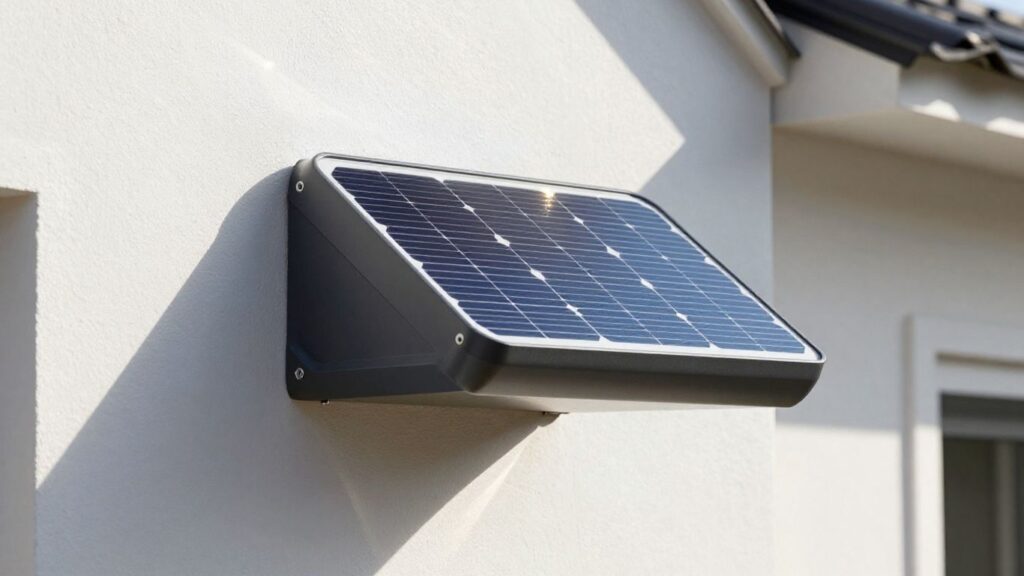
If you’re thinking about getting solar panels, or maybe you already have them, a big question on your mind is probably: How long do solar batteries last? These batteries are pretty important because they store the energy your panels make, so you can still use power when the sun’s not out. In this article, I’ll go over how long solar batteries typically stick around, what things can make them last longer or shorter, and some easy tips to get the most out of yours. Whether you’re planning a full solar panel installation or upgrading an existing setup, this guide will help you figure things out. 🔎 Key Takeaways ✔Modern lithium-ion batteries can last 10 to 20 years, much longer than traditional lead-acid batteries that typically last 3 to 7 years. ✔Temperature plays a major role in battery lifespan. Excessive heat can shorten performance, while moderate climates help extend durability. ✔Batteries gradually lose capacity each year, but high-quality systems should still retain strong performance after 10 years. ✔Monitoring your battery through a dedicated app helps detect issues early and maintain optimal efficiency. ✔Professional installation and annual inspections support longer lifespan and help maintain warranty protection. Understanding Solar Battery Lifespan When I first started researching solar storage, I assumed batteries would last as long as panels. That’s not exactly true. Most panels last 25 to 30 years, as explained in how long do solar panels last, but batteries usually need replacement sooner. Average Lifespan of Different Solar Battery Types The average lifespan of home solar batteries really depends on which type you choose. Here’s a super basic breakdown: Battery Type Typical Lifespan Annual Degradation Rate Notes Lithium-Ion (LiFePO4) 15–20 years 1–2% Most new systems use these Lithium-Ion (NMC) 10–12 years 1–3% Popular in Tesla Powerwall Lead-Acid 3–7 years 3–5% Cheaper, but needs replacement Flow Batteries 10–20 years 1–2% Still uncommon for homes Most lithium batteries still retain around 80 to 90% capacity after 10 years. Lead-acid options decline faster, which is one reason many homeowners compare overall value when asking is solar energy worth it for your home. Key Factors That Affect Solar Battery Life Several real-world things contribute to how long your battery survives, some you can control, some you can’t: While lithium batteries need minimal upkeep, general system efficiency matters. Clean panels help ensure stable charging, which you can learn about in how to clean solar panels. Even the best batteries lose their umph over time, but you can slow down that process and get as many years out of your investment as possible if you treat it right. Now you know what affects solar battery lifespan, it’ll be easier to plan and worry a lot less about running out of stored power when you need it most. Types of Solar Batteries and Their Longevity When I began some research on solar batteries, all the different types appeared overwhelming to me. Guess what, though: Not every battery is the same, and the one you select really matters in terms of how long it will last and how much maintenance it’ll require. I’ve discovered what I could about the players at play. Lead-Acid Batteries These are the ride-the-rail-special, like the classic car of battery-dom. They’re often cheaper to purchase up front, which can be appealing, I understand. But, and this is a big ‘but’, they simply don’t last as long. I’m hearing numbers like three to seven years, and sometimes even less if you don’t treat them right.” They also need more attention. You need to regularly check the water levels in them and keep the terminals clean because they’re known to corrode. Plus, they don’t like being drained very much; you’re generally advised to use about half their capacity to keep them happy. So those initial prices may look nice, but you will probably end up needing to replace them several times over the lifespan of your solar panels. Lead-acid batteries cost less initially, but they typically last only 3 to 7 years. They require more attention and should not be deeply discharged. For homeowners comparing long-term value versus upfront price, understanding overall solar panel cost helps put battery replacement into perspective. Lithium-Ion Batteries This is where most people seem to be going these days, and who can blame them? Lithium-ion batteries are today’s option, and they typically last far longer than lead-acid. I’ve seen estimates that range from 10 to 20 years. I believe there are two or three main flavors of lithium-ion that I’ve run into: Lithium-ion batteries are more efficient overall and require a minimal amount of maintenance. Yes, the upfront cost is higher, no denying it, but when I compare total costs over 20 years or so, they usually come out ahead because I’m not going to buy replacements. They pair well with modern inverter systems. If you’re still deciding between setups, reviewing string inverter vs micro inverter can clarify how storage integrates with your system. Flow Batteries Alright, a little less common for average homes these days, more for commercial-type stuff or bigger scope things, but I thought they were interesting. Flow batteries operate slightly differently. The conventional energy storage technologies, like lithium-ion or lead-acid batteries, store energy in solid materials. Instead, they hold it in liquid electrolytes contained in the external tanks. This means they don’t have a lifespan in the way you would think degradation would limit it, like with some of the other types. The thinking is that the energy part (the liquid itself) and the power part (the stack that moves said liquid) are independent in their scalability. I have heard estimates of them lasting 15-20 years or more, and they are supposed to be good at withstanding deep discharges without losing capacity. They’re still relatively new in the residential market, so they’re not as widely available or as well understood for home applications. Hydrogen fuel cell is definitely one to watch.’ Here’s a quick rundown I put together: Battery Type Typical Lifespan Maintenance Needs Upfront Cost Notes Lead-Acid 3–7
How Much Do Solar Panels Cost in Arizona in 2026
Arizona solar policy update — October 2, 2026 The federal homeowner Residential Clean Energy Credit (§25D) is unavailable for new installations completed after December 31, 2025. Do not subtract 30% from a new 2026 quote. Earlier qualifying installations and eligible unused-credit carryforwards are separate; business-owned systems follow different rules. Source: IRS. For APS’s September 1, 2026–August 31, 2027 new-customer tranche, the RCP export rate is $0.05554/kWh (5.554¢). The initial rate generally lasts ten years, subject to tariff conditions. APS rules do not apply to SRP or TEP customers. APS tariff. Prices retained below are earlier published estimates, not a new market survey. Any payback or lifetime-savings projection requires recalculation using your current quote and tariff. Thinking about getting solar panels in Arizona? I’ve been looking into it myself, and the costs can be a bit confusing. Your electric bill just keeps going up, right? It feels like there’s no end in sight. But putting up solar panels could be a way to lock in your energy costs for years to come, especially here in Arizona, where the sun shines a lot. I wanted to break down what you can expect to pay in 2026, what helps lower the price, and if it’s really worth the investment. Key Takeaways Understanding Solar Panel Costs in Arizona: Key Factors Calculate Your Solar Savings When I started looking into solar panels for my place here in Arizona, I quickly realized it’s not just a one-size-fits-all price tag. There are a bunch of things that play into the final cost, and understanding them helped me figure out what I was actually paying for. Average Cost of Solar Panels in Arizona So what’s the cost, in dollars and cents? Without even considering incentives, a standard 5-kilowatt solar panel system for homes in Arizona could run you anywhere between roughly $10,362 and $20,723 by itself. This range is fairly consistent for most major cities like Phoenix and Tucson, though it varies a little. For instance, a 5kW system in the state generally costs about $10,362, and a 10kW system runs approximately $20,723. It actually depending on how much power you want. Factors Influencing Solar Panel Prices Several things can nudge that average price up or down. Here’s what I found: Arizona’s sunlight is really an advantage. That means I can probably get by with cheaper panels and still achieve great energy production.” It’s one of those “pros” of desert living that actually saves me money. It’s also worth mentioning that the price of solar equipment has come down a lot over the last 10 years. What used to set you back north of $70,000 could be south of $35,000 now, without counting any credits. That’s a pretty big change! Arizona Solar Incentives and Rebates: Reducing Your Investment Calculate Your Solar Savings O.K., so obtaining solar panels is a giant move, and let’s be honest: It costs a tidy sum up front. But here’s the good news: Arizona has some pretty sweet deals that can really dial down that sticker price. I’ve been investigating this myself, and it would definitely be worth your while to dig into these programs before you sign anything. Federal Solar Investment Tax Credit (ITC) For a new homeowner installation completed in 2026, the federal §25D credit is $0. Count only separately confirmed state, local or utility benefits. Arizona programmes and utility terms must be verified separately. The former 30% homeowner credit applies only to earlier qualifying installations. New installations completed in 2026 do not qualify. Arizona State Solar Incentives Arizona doesn’t simply take Uncle Sam’s word for it. The state comes with some nice goodies itself. There is a state tax credit for purchasing solar panels that amounts to 25% of your Upgrade Your Home with Solar Panels – Fox Business state solar equipment costs up to $1,000. Though the state credit is a comparatively small portion of the total, it’s a nice little extra that local Arizona homeowners can enjoy, given that many systems in the region cost over $4,000. Like the federal credit, though, this does not turn into a direct cash rebate from the government. You’ll generally use Arizona Tax Form 310 to do so. In addition, Arizona has a solar equipment sales tax exemption, so you will not have to pay state sales tax on your panels and other related belongings. On top of that, the “value” added to a home by a solar system is typically excluded from property taxes — another win. Local Utility Rebates and Programs Outside of the state and federal vig, keep in mind to also look in your neck of the woods and contact your city utility. Some of these local outfits have their own rebate programs or special efforts. For instance, some electric cooperatives could give a rebate if a homeowner invests in renewable energy. It’s tedious work, but those smaller windfalls can pile up. It’s worth a few minutes on your utility company’s website, or a phone call to learn about is available in your specific area. You may be surprised by what you discover. One lesson I’ve learned is that the solar landscape can shift, and incentives often come with expiration dates or detailed terms. The best approach is always to confirm the current terms of a program you’re interested in directly with the offering party. Do not rely or bet on what you read online still being up and applying to your case. The ROI of Solar Panels in Arizona: Long-Term Savings Calculate Your Solar Savings Looking into solar panels for my home here in Arizona, when I first started, I was all about the up-front cost. It was a good lump of money, not denying that. But then I began looking into the long-term view, and that’s when things really started to click. The return on investment (ROI) for solar is pretty solid, considering how much sun we receive. Calculating Your Solar Payback Period So, how long will it take for the savings to accumulate and justify the upfront hit? We call this period the payback. A 7kW system in Arizona might have a pay-back of between 7 and 11 years. It’s a reasonable time frame,
Georgia Solar Panel Costs in 2026: Atlanta, Savannah & Beyond
Georgia solar policy update — October 2, 2026 The federal homeowner Residential Clean Energy Credit (§25D) is unavailable for new installations completed after December 31, 2025. Do not subtract 30% from a new 2026 quote. Earlier qualifying installations and eligible unused-credit carryforwards are separate; business-owned systems follow different rules. Source: IRS. Georgia Power’s published 2026 RNR instantaneous-netting export credit is 3.2188¢/kWh plus a 4¢ renewable adder, totaling 7.2188¢/kWh. This is not a statewide full-retail export rate. Check other utilities separately. Georgia Power rates. Prices retained below are earlier published estimates, not a new market survey. Any payback or lifetime-savings projection requires recalculation using your current quote and tariff. Georgia homeowners are paying some of the highest summer electricity bills in the country, and if you’re tired of watching that number climb every year, solar is probably already on your radar. I spent a long time researching this before going solar myself, and the one thing I kept running into was how hard it was to find straight answers on what it actually costs, not the glossy brochure number, but the real figure after you factor in your roof, your utility, your system size, and whatever incentives you can actually qualify for. So I did the work. This guide breaks down what Georgia homeowners are realistically paying for solar in 2026, which incentives are worth your attention, and honestly. whether it’s even worth it, given Georgia’s specific utility landscape. Because the answer isn’t always yes, and nobody selling you panels is going to tell you that. For a new homeowner installation completed in 2026, the federal §25D credit is $0. Count only separately confirmed state, local or utility benefits. Georgia programmes and utility terms must be verified separately. Key Takeaways 1 Georgia homeowners are paying around $2.39 per watt in 2026 — meaning a typical 10–14kW system runs $24,000–$33,400 before any incentives. Your final number depends heavily on system size and installer. For a new homeowner installation completed in 2026, the federal §25D credit is $0. Count only separately confirmed state, local or utility benefits. Georgia programmes and utility terms must be verified separately. 3 Georgia has no statewide solar incentive — don’t let anyone tell you otherwise. What does exist are utility-specific rebates from providers like Jackson EMC, which vary significantly depending on where you live. 4 Bigger systems cost more upfront but less per watt — a 4kW system runs around $3.66/watt while a 10kW drops to $2.85/watt. Buying more panels usually means better long-term value. 5 The average payback period in Georgia is 10–12 years, after which your electricity is essentially free for the remaining life of the panels — typically 25 years or more. Understanding the Average Cost of Solar Panels in Georgia When I began my inquiry into solar panels for my own home here in Georgia, the first question on my mind was, tell me more about the cost. It is, after all, a major investment. With what I’ve seen and researched for 2026, the average cost of solar panels in GA is currently at an approximate of $3.06 per watt. In other words, a typical 7.2-kilowatt system will cost you about $22,000 after you take that sweet federal tax credit into account. It’s not bad to be in the ballpark of the national average. Factors Influencing Solar Panel Costs in Georgia There are a few factors that could slightly raise or lower those Georgia solar installation costs. It’s not a one-size-fits-all number. Here’s what I found mattered: Cost Breakdown: Panels, Inverters, Installation, and More But what, really, is it that you’re paying for when you see Georgia solar installation prices? There’s more to it than just the shiny panels. Here’s an approximate look at what happens to the money: What’s Included in Your Solar Quote Every line item you’re actually paying for 01 Solar Panels Biggest cost Typically the largest single expense in your quote. Panel brand, efficiency rating, and warranty length all affect the price. 02 Inverters Convert the direct current your panels generate into usable AC electricity for your home appliances. String inverters are cheaper; microinverters cost more but perform better with shade. 03 Mounting Hardware The racks and brackets that keep your panels securely attached to your roof or ground. Roof type and pitch affect complexity and cost here. 04 Labor & Installation What you pay the crew to physically install and connect the system. Varies significantly between installers — one of the biggest reasons to get multiple quotes. 05 Permits & Inspection Fees Local government charges to approve and inspect your system before it can connect to the grid. Usually handled by your installer but baked into the quote. 06 Balance of System (BOS) The wiring, conduit, disconnects, and all other electrical components that tie everything together. Often underestimated but essential to a safe, functional system. The cost of solar energy for Georgia homeowners averages a wide range. Even though a national average can give you a ballpark figure, your home’s individual situation (how big it is, what kind of equipment you’ll buy) will determine how much you’ll actually spend. As always, custom quotes are your friend. Here’s a look at how Georgia solar installation prices can break down by system size, giving you a clearer picture: Georgia Solar Pricing by System Size For a new homeowner installation completed in 2026, the federal §25D credit is $0. Count only separately confirmed state, local or utility benefits. Georgia programmes and utility terms must be verified separately. Updated 2026 System Size Cost Per Watt Illustrative Gross Cost Best For 4 kW ~12 panels $3.66/w $14,640 Small home 6 kW ~18 panels $3.21/w $19,260 Average home 8 kW ~24 panels $2.98/w $23,840 Most popular 10 kW ~30 panels $2.85/w $28,500 Large home Keep in mind these are estimates, and actual Georgia solar installation prices might differ. Costs vary by installer, equipment brand, and roof complexity. Always get at least 3 quotes. If you want this Actual Cost Please Fill Up our Free Solar Qoute Form. Thank you. Georgia Solar Incentives and Rebates: Reducing Your
How Much Do Solar Panels Cost in Massachusetts in 2026
Massachusetts solar policy update — October 2, 2026 The federal homeowner Residential Clean Energy Credit (§25D) is unavailable for new installations completed after December 31, 2025. Do not subtract 30% from a new 2026 quote. Earlier qualifying installations and eligible unused-credit carryforwards are separate; business-owned systems follow different rules. Source: IRS. New projects should check SMART 3.0 rather than assume legacy SREC eligibility. Program Year 2026 has 600 MW AC of capacity subject to the cap. Incentives depend on system size, utility and eligibility, and production payments are not an automatic upfront discount. Massachusetts DOER. Prices retained below are earlier published estimates, not a new market survey. Any payback or lifetime-savings projection requires recalculation using your current quote and tariff. I’ve been looking into solar panels for my own home in Massachusetts, and let me tell you, the costs can seem a bit overwhelming at first glance. My electric bills have been creeping up, and I’m tired of just accepting it. So, I started digging into what it actually takes to get solar panels installed here in 2026. It turns out, there are a bunch of things that affect the final price, from how big a system you need to the type of panels and even how complicated the installation will be. I’m going to break down what I’ve learned about the Solar Panels Cost in Massachusetts, including the incentives that can make a big difference. Key Takeaways Understanding the Factors Influencing Solar Panel Costs in Massachusetts Calculate Your Solar Savings So, you’re thinking about going solar in Massachusetts? That’s great! But before you get too far, it’s important to get a handle on what actually goes into the price tag. It’s not just a one-size-fits-all situation, and I’ve found that understanding these details really helps when I’m looking at quotes. System Size and Energy Needs This is most likely the largest cost contributor. How much electricity do people really use? I glanced at my past utility bills to get a rough idea of how much I spent on both an average month and year. The more the power, the larger system you need and that means more panels and a higher overall cost. It’s a pretty direct relationship, but it’s what you need to solve first. The size of your system has a linear correlation to the total expense. Type and Quality of Solar Panels After all, not every solar panel is the same, and that’s where quality really starts to factor in. You will find various brands and types of panels out there. Some are more effective, generating more power from the same amount of sunlight. Others may be more durable, or offer longer warranties. While more expensive panels at the outset could save you more cash in the long run because they perform better and last longer. Prices, I’ve found, can vary significantly based on the manufacturer and what specific technology is employed. Installation Complexity and Roof Characteristics Here’s where things will be a little more complicated. Your roof’s condition and types matter a great deal. If your roof is old and due to be reroofed soon, that’s a job you should consider doing we won’t know years or decades later, according to experts, before installing solar panels. You really don’t want to have to pay for tearing out and reinstalling panels simply because your roof failed. And the size and shape of your roof, as well as whether it has a lot of shade from trees or other buildings, factor into how many panels can be installed and how readily the job will go. A straightforward, south-facing roof with no obstacles is typically the easiest and cheapest to work with. If you have complex rooflines or shade areas, the installation process could require more labor and specialized equipment, sending costs higher. It could be useful to get a good evaluation of your roof to know what you’re dealing with. Inverter Technology Beginning my research in solar, I never even considered inverters, and yet they are. The inverter takes DC electricity, which is what your panels generate, and turns it into AC electricity, the kind of power your home runs on. There are several primary types: string inverters, microinverters and power optimizers. String inverters are usually the least expensive solution, but if a panel in the Average Solar Panel Costs in Massachusetts: A Breakdown Calculate Your Solar Savings Alright, but you’re interested in the nitty gritty now, aren’t you ̬ that is $/watt figures (relative to costs for solar in Massachusetts five years from now. That’s a good question and, frankly, there is no easy one-size-fits-all answer. I’ve been researching the MA solar installation costs and it seems like the average cost to install solar panels in Massachusetts that homeowners are paying isn’t uniform. Cost per Watt Analysis One of the best ways to compare solar power prices for MA is to first take a look at what solar costs in Massachusetts, and what the average HERS score is for the state. This is not the same size, but it does help level things off a bit. As of now, I’m seeing $3.09 a watt for an average installation in Massachusetts.” And assuming a standard 10.78 kW system that’s pretty typical around here, you’re in the ballpark of $33,297 before any incentives from other sources. Mind you, this is just an average; some quotes might get as low as $28,302, while other quotes could go up to $38,292. It really depends on the particular system and installer. Total System Cost Ranges Now, when discussing the total costs of solar energy in Massachusetts systems, it is essential to keep in mind that size matters. A smaller system — for a smaller home, or someone who doesn’t use a ton of electricity — will obviously cost less. For example, a 5 kW system could cost you about $15,439. Lower prices are also available for 3- and 4-kilowatt systems, but if you want a bigger system to cover more of your energy use, the price increases accordingly. Here’s a general idea of what you might expect for different system sizes: System Size (kW) Estimated Cost Range (Before Incentives) 5 kW $15,439